Find Out How Much Is a New Compressor for Car AC Unit
Replacing a car AC compressor typically costs between $500 and $1,200 for the part alone, and $1,000 to $2,500 with professional labor. The exact price depends on your vehicle make, model, and the type of compressor you choose. This guide breaks down every cost factor so you know what to expect before visiting a mechanic.
Your car air conditioning system works hard to keep you comfortable on hot days. At the heart of that system sits the compressor. It is the component that pressurizes and circulates refrigerant through the AC lines. When it fails, your entire cooling system shuts down fast.
If you are wondering how much is a new compressor for car AC unit, you are not alone. Many drivers face this question every summer when the heat becomes unbearable. The good news is that understanding the costs upfront helps you make smart decisions. This guide covers everything you need to know about compressor pricing, replacement options, and how to save money.
Let us break down the numbers and walk you through what to expect. Whether you have a compact sedan or a full-size truck, the information here applies to you.
Key Takeaways
- Average Cost Range: A new car AC compressor costs $500 to $1,200 for the part, with total installation running $1,000 to $2,500.
- Vehicle Matters: Luxury and imported vehicles often cost more for compressor replacement than domestic models.
- DIY vs. Professional: You can save significantly by doing the job yourself if you have basic mechanical skills.
- Compressor Type: Different compressor styles (scroll, reciprocating, rotary) affect both price and performance.
- Additional Costs: Refrigerant, clutch, and refrigerant lines may need replacement too, adding to the total bill.
- Warranty Helps: Many compressors come with warranties that can save you hundreds in future repairs.
📑 Table of Contents
- What Does a Car AC Compressor Do?
- How Much Is a New Compressor for Car AC Unit?
- Factors That Affect Compressor Cost
- Can You Replace a Car AC Compressor Yourself?
- How to Choose the Right Compressor
- How to Save Money on Compressor Replacement
- Maintenance Tips to Extend Compressor Life
- When Should You Replace vs Repair?
- Final Thoughts
What Does a Car AC Compressor Do?
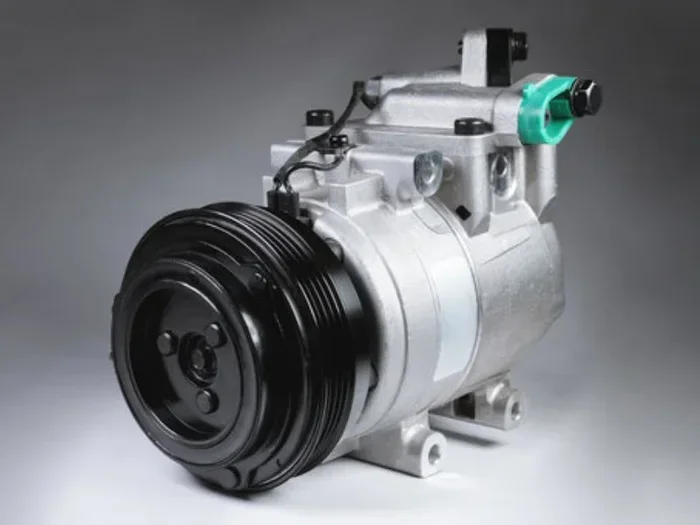
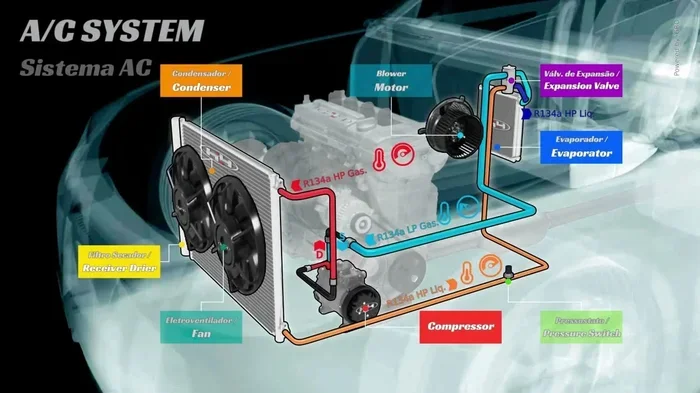
The compressor is the engine of your car air conditioning system. It takes low-pressure refrigerant gas and compresses it into high-pressure gas. This process generates heat, which then gets dissipated through the condenser. The result is cool air flowing through your vents on a scorching day.
Without a working compressor, your AC system cannot function at all. The refrigerant stays stagnant, and no cooling happens. That is why a failing compressor demands immediate attention.
Common Signs of a Failing Compressor
Knowing the warning signs helps you catch problems early. Here are the most common symptoms:
- Warm air from vents: The most obvious sign. If your AC blows warm air, the compressor may not be engaging.
- Strange noises: Grinding, squealing, or clicking sounds when you turn on the AC often point to internal damage.
- Frequent cycling: If the AC turns on and off rapidly, the compressor clutch may be failing.
- Refrigerant leaks: Puddles of fluid under your car near the front can indicate a compressor seal leak.
- Tripped clutch: The compressor clutch may not engage at all, cutting power to the compressor.
Ignoring these signs can lead to bigger problems. A damaged compressor can contaminate the entire AC system, making repairs much more expensive.
How Much Is a New Compressor for Car AC Unit?
The cost of a new car AC compressor varies widely. Several factors determine the final price you will pay. Let us look at the breakdown so you know what to expect.
Part-Only Pricing
The compressor itself typically ranges from $400 to $1,200. The wide range depends on your vehicle and the brand of compressor you choose.
- Budget compressors: $300 to $600. These are aftermarket units that work well for most vehicles.
- OEM compressors: $600 to $1,000. Original Equipment Manufacturer parts match your factory specifications.
- Premium compressors: $800 to $1,200. These often come with extended warranties and higher build quality.
Installation Costs
Labor costs for compressor replacement typically run between $500 and $1,500. The price depends on the complexity of the job and local labor rates. Here is a quick look:
- Simple replacement: $500 to $800 in labor. This applies to vehicles with easy compressor access.
- Moderate complexity: $800 to $1,200 in labor. Some vehicles require removing other components first.
- Complex replacement: $1,200 to $1,500 in labor. Luxury vehicles and engines with tight engine bays fall here.
Total Cost Breakdown by Vehicle Type
Your vehicle type plays a big role in the total cost. Here is a general comparison:
- Compact cars: $800 to $1,500 total for part and labor.
- Mid-size sedans: $1,000 to $2,000 total.
- SUVs and trucks: $1,200 to $2,500 total.
- Luxury vehicles: $1,500 to $3,500 total, sometimes even higher for imported models.
Keep in mind that these are national averages. Prices in major cities tend to be higher than in rural areas. Always get multiple quotes before committing to a repair shop.
Factors That Affect Compressor Cost
Not all compressor replacements cost the same. Several key factors influence the final price tag. Understanding these helps you budget accurately.
Vehicle Make and Model
Your vehicle make and model directly impact the compressor price. Common domestic vehicles like Ford and Chevrolet often have cheaper replacement parts. Imported brands like BMW, Mercedes, and Lexus tend to use more expensive components.
For example, replacing a compressor on a Honda Civic might cost around $900 total. The same job on a BMW 5 Series could easily exceed $2,500. The difference comes from part availability, brand markup, and labor complexity.
Compressor Brand and Quality
You have several options when choosing a compressor. Each option carries a different price point:
- Aftermarket brands: Companies like Four Seasons, Sanden, and Zexel offer reliable alternatives at lower prices.
- Remanufactured compressors: These are rebuilt original units. They cost less but may not last as long.
- New OEM compressors: These are brand-new parts from the original manufacturer. They offer the best fit and reliability.
Choosing a reputable aftermarket brand can save you hundreds without sacrificing quality. However, always check reviews and warranty terms before purchasing.
Additional Parts That May Be Needed
Sometimes the compressor failure damages other components too. You might need to replace more than just the compressor. Common additional parts include:
- Receiver drier or accumulator: $50 to $150. This part filters moisture from the refrigerant.
- Expansion valve or orifice tube: $50 to $200. It regulates refrigerant flow into the evaporator.
- Condenser: $150 to $400. The condenser releases heat from the refrigerant.
- AC lines and hoses: $100 to $300 if they are contaminated or damaged.
- Refrigerant: $50 to $150 for a full recharge of R-134a or R-1234yf.
These additional costs can add up quickly. A full system flush and recharge is often recommended after a compressor failure. This ensures no debris contaminates the new compressor.
Can You Replace a Car AC Compressor Yourself?
Some car owners choose to DIY their compressor replacement. This can save a significant amount of money on labor. But it is not a job for beginners.
What You Need to Know
Replacing a car AC compressor involves several steps that require specific tools and knowledge:
- Recovering refrigerant: You need a refrigerant recovery machine to legally remove the old refrigerant. This equipment is expensive and not something most homeowners own.
- Removing the old compressor: This involves disconnecting the serpentine belt, electrical connectors, and refrigerant lines. The compressor is usually bolted to the engine block.
- Installing the new compressor: You must mount the new unit, reconnect all lines, and install a new receiver drier.
- Evacuating the system: A vacuum pump removes air and moisture from the lines before recharging with refrigerant.
- Recharging the system: You add the correct amount of refrigerant and verify the system pressures.
The process takes about 3 to 5 hours for an experienced DIYer. If you are not comfortable working with refrigerant or pressurized systems, it is best to leave this to a professional.
Cost Savings from DIY
Doing it yourself saves you the labor cost, which is the biggest expense. On average, you could save between $500 and $1,500 by replacing the compressor yourself. However, you still need to factor in the cost of tools and materials.
If you already own basic mechanic tools like a wrench set, torque wrench, and AC gauge set, the savings are even greater.
How to Choose the Right Compressor
Not all compressors are created equal. Choosing the right one for your vehicle ensures long-term reliability and performance. Here is what to consider.
OEM vs Aftermarket
Original Equipment Manufacturer parts are made by the same supplier that provided the part for your vehicle at the factory. They fit perfectly and match the original specifications. However, they often cost more than aftermarket alternatives.
Aftermarket compressors from trusted brands can offer excellent value. Many aftermarket units come with their own warranties and perform just as well as OEM parts. The key is to buy from a reputable supplier.
Compressor Types for Cars
Modern vehicles use several types of AC compressors. Each has its own advantages:
- Reciprocating compressors: The most common type in cars. They use pistons to compress refrigerant and are reliable and affordable.
- Rotary compressors: Quieter and smoother than reciprocating types. Common in Japanese and European vehicles.
- Scroll compressors: Found in some luxury and hybrid vehicles. They offer excellent efficiency and longevity.
Your mechanic can advise on the best type for your specific vehicle. Always match the compressor to your car’s specifications.
How to Save Money on Compressor Replacement
Replacing a car AC compressor does not have to break the bank. Here are practical tips to reduce your costs.
Get Multiple Quotes
Never accept the first quote you receive. Call at least three local repair shops and ask for a detailed breakdown of parts and labor costs. You may be surprised at how much prices vary between shops.
Compare Part Prices Online
Online auto parts retailers often offer better prices than dealerships. Websites like RockAuto, AutoZone, and O’Reilly carry a wide selection of compressors at competitive prices. You can even purchase the part yourself and bring it to the shop for installation.
Some shops offer a discount on labor if you provide the part yourself. This is a great way to save money without sacrificing quality.
Consider a Rebuilt Compressor
A rebuilt compressor can cost 30 to 50 percent less than a new one. These units are professionally re-manufactured and tested. Many come with warranties that rival new parts. Just make sure the rebuilder is reputable and offers a solid guarantee.
Check Your Warranty
Before paying for a replacement, check if your vehicle is still under warranty. Some newer vehicles have powertrain or climate control warranties that cover compressor failures. Even if the warranty has expired, some extended warranty plans may still apply.
Maintenance Tips to Extend Compressor Life
Prevention is always cheaper than repair. Regular maintenance can help your AC compressor last longer and avoid unexpected failures.
- Run your AC regularly: Even in winter, run the AC for 10 to 15 minutes once a week. This keeps the seals lubricated and prevents them from drying out.
- Check refrigerant levels: Low refrigerant puts extra strain on the compressor. Have your system checked annually.
- Replace cabin filters: A clogged cabin filter reduces airflow and forces the system to work harder.
- Keep the condenser clean: Remove debris from the front condenser fins. Blocked airflow causes the system to overheat.
- Address leaks promptly: If you notice any refrigerant leaks, get them repaired immediately. Running low on refrigerant damages the compressor over time.
Following these simple tips can add years to your compressor life and save you hundreds in replacement costs.
When Should You Replace vs Repair?
Sometimes a compressor does not need full replacement. In other cases, replacement is the only option. Here is how to decide.
Repair May Be Enough If
- The compressor clutch is the only failed component.
- You have a minor refrigerant leak that can be sealed.
- The compressor makes noise but still cools adequately.
- The repair cost is less than half the replacement cost.
Replacement Is Necessary If
- The compressor has internal damage or seized pistons.
- Metal debris has contaminated the entire AC system.
- The compressor housing is cracked or severely damaged.
- Repeated repairs have not resolved the issue.
A qualified mechanic can assess the damage and recommend the best course of action. Always ask for a written estimate before approving any work.
Final Thoughts
So, how much is a new compressor for car AC unit? The answer depends on your vehicle, the compressor type, and whether additional parts need replacement. On average, expect to spend between $1,000 and $2,500 for a complete replacement including labor.
The good news is that you have options. You can choose between OEM and aftermarket parts, DIY or professional installation, and new or rebuilt compressors. Each choice affects the final cost and long-term reliability.
Take your time, compare prices, and do not rush into a decision. A well-done compressor replacement can keep your car cool for another 100,000 miles or more. The investment is worth it for the comfort and safety of your daily drive.
Stay cool out there, and remember that a little research goes a long way toward saving money on your next car repair.
Frequently Asked Questions
How long does a car AC compressor last?
A car AC compressor typically lasts between 100,000 and 150,000 miles, or about 10 to 15 years. Regular maintenance and proper use can extend its lifespan significantly. However, harsh driving conditions and neglected maintenance can shorten it.
Can I drive my car with a bad AC compressor?
Yes, you can drive with a bad compressor if the clutch disengages and does not lock up. However, if the compressor seizes, it can damage the serpentine belt and other engine components. It is best to address compressor issues promptly to avoid further damage.
Is it cheaper to replace a compressor or the whole AC system?
Replacing just the compressor is almost always cheaper than replacing the entire AC system. A full system replacement can cost $4,000 or more, while a compressor replacement typically runs $1,000 to $2,500. Always get a professional diagnosis first to confirm the compressor is the only failed component.
How long does compressor replacement take?
A professional compressor replacement usually takes 3 to 5 hours. DIY replacements may take longer, especially if you are less experienced. The time depends on the vehicle model and how accessible the compressor is in the engine bay.
Do I need to replace the refrigerant after installing a new compressor?
Yes, the system should be fully evacuated and recharged with fresh refrigerant after a new compressor is installed. This ensures proper operation and removes any moisture or debris that may have entered the system during the repair process.
What causes a car AC compressor to fail?
Common causes include low refrigerant levels, contaminated refrigerant, electrical failures, worn internal components, and lack of regular use. Over time, the internal seals wear out and the compressor loses its ability to build pressure. Regular AC system maintenance helps prevent most of these issues.