Should Your AC Compressor Cycle On and Off Properly
Your AC compressor should cycle on and off in a steady, predictable rhythm. Most systems run for 15 to 20 minutes per cycle and cycle 2 to 3 times per hour. If your unit should ac compressor cycle on and off too frequently or run constantly, it signals a problem that can raise energy bills and cause wear. This guide explains normal cycling, common causes of short cycling, and simple fixes to keep your cooling system efficient.
Key Takeaways
- Normal AC cycling: A healthy compressor runs 15–20 minutes per cycle and cycles 2–3 times per hour.
- Short cycling is a red flag: Frequent on/off trips waste energy and strain components.
- Common causes: Thermostat issues, low refrigerant, dirty coils, and electrical faults.
- Quick fixes: Check the thermostat, change filters, and clear debris around the outdoor unit.
- Call a pro when needed: Refrigerant leaks, capacitor failure, or compressor damage require expert care.
- Preventive maintenance: Annual tune-ups keep your system running smoothly and extend compressor life.
📑 Table of Contents
Understanding How Your AC Compressor Works
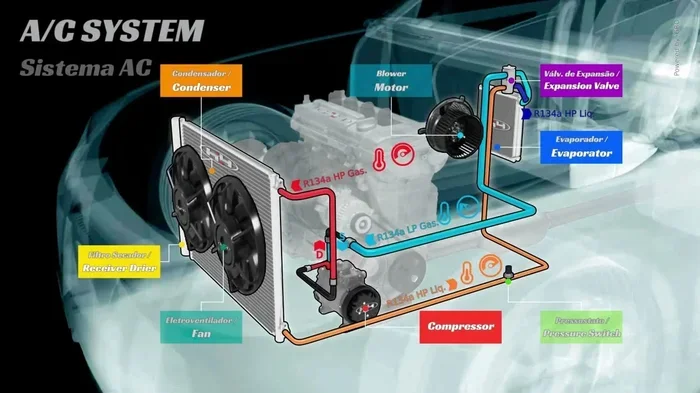
Your air conditioner works hard to keep you cool. The compressor is the heart of the system. It pumps refrigerant through the coils to move heat outside. Without a working compressor, your home would be unbearable in summer.
Understanding how the compressor runs helps you spot problems early. Many homeowners wonder, “should ac compressor cycle on and off?” The answer is yes, but the pattern matters. A healthy compressor follows a steady rhythm. It turns on, cools your home, and then shuts off until needed again.
The Basic Cooling Cycle
Here is a simple breakdown of the cooling cycle. The refrigerant absorbs heat from your indoor air. It turns into a gas and travels to the outdoor compressor. The compressor squeezes the gas, raising its temperature and pressure. Then the hot gas moves to the condenser coil, where it releases heat outside. The refrigerant cools and turns back into a liquid. It flows back inside to the evaporator coil, and the cycle repeats.
This continuous loop keeps your home at a comfortable temperature. But the compressor does not run nonstop. It cycles on and off to maintain the set temperature on your thermostat.
Why Compressors Cycle On and Off
Compressors cycle to save energy and protect the system. When the indoor temperature reaches your set point, the thermostat signals the compressor to stop. When the temperature rises again, the compressor starts. This on-and-off pattern is completely normal.
Each cycle should last a certain amount of time. If cycles are too short or too long, something is wrong. The goal is balanced cooling without wasteful short trips. A well-sized system with proper refrigerant charge will run smoothly.
Should Your AC Compressor Cycle On and Off Properly?
The short answer is yes. Your AC compressor should cycle on and off in a regular, predictable pattern. But what does “properly” really mean? It depends on a few factors like outdoor temperature, home insulation, and system size.
Most residential systems run for about 15 to 20 minutes per cycle. They should cycle 2 to 3 times per hour under normal conditions. If your compressor should ac compressor cycle on and off more frequently than that, you may have a short cycling problem.
Normal Cycling Frequency
Normal cycling keeps your home comfortable without wasting electricity. The compressor runs long enough to pull heat from the air effectively. Then it rests while the fan continues to blow cool air.
On a mild day, cycles might be longer and less frequent. On a hot day, cycles may be shorter but still last 10 to 15 minutes. The key is consistency. A steady rhythm means your cooling system is working as designed.
What Is Short Cycling?
Short cycling means the compressor turns on and off too quickly. A cycle that lasts less than 10 minutes is often a sign of trouble. The compressor never gets a chance to fully cool down or remove enough heat.
Short cycling puts extra stress on the motor and other parts. It can lead to higher energy bills and premature failure. If you notice your system kicking on and off every few minutes, it is time to investigate.
| Behavior | Normal Cycling | Short Cycling |
|---|---|---|
| Cycle Length | 15–20 minutes | Under 10 minutes |
| Cycles per Hour | 2–3 times | 4 or more times |
| Energy Use | Efficient | Wasteful |
| System Wear | Minimal | High stress on parts |
| Comfort Level | Steady temperature | Temperature swings |
This table shows the clear difference between healthy and problematic cycling. Short cycling is never something to ignore.
Common Causes of Excessive Compressor Cycling
Several issues can cause your compressor to cycle too often. Some are easy to fix. Others need a professional touch. Let us look at the most common culprits.
Thermostat Problems
The thermostat tells your compressor when to start and stop. If the thermostat is faulty or poorly placed, it can send wrong signals. A thermostat near a sunny window or a vent may read the temperature incorrectly.
Dust or old batteries can also cause erratic behavior. You might notice the compressor kicking on even when the room is already cool. This leads to unnecessary cycling and wasted energy. A simple thermostat calibration can often solve this issue.
Low Refrigerant Levels
Refrigerant is the lifeblood of your AC system. It absorbs and releases heat as it cycles through the system. If your refrigerant level is low, the compressor has to work harder to cool your home.
Low refrigerant often means you have a leak. The compressor may cycle rapidly because it cannot reach the set temperature. You might hear hissing sounds near the indoor unit or notice ice forming on the copper lines. A professional should check refrigerant levels and repair any leaks safely.
Dirty Condenser and Evaporator Coils
Your outdoor condenser coil and indoor evaporator coil play a big role in heat exchange. Over time, dirt, dust, and debris build up on these coils. This acts like a blanket, trapping heat and reducing efficiency.
When the coils are dirty, the system struggles to cool your home. The compressor runs longer and may short cycle as it overheats. Cleaning the coils regularly keeps the system running smoothly. You can gently hose down the outdoor coil, but be careful not to bend the fins.
Electrical and Mechanical Faults
Electrical issues are a common cause of abnormal cycling. A failing capacitor can prevent the compressor from starting properly. The contactor, which sends power to the compressor, may wear out and cause intermittent trips.
Compressor overheating is another serious concern. If the motor gets too hot, safety controls will shut it off. Once it cools, it restarts, creating a rapid on-off pattern. This can happen due to low refrigerant, dirty coils, or a failing fan motor. An expert technician can test capacitors, contactors, and the compressor motor to find the root cause.
Expert Insight: Spotting Early Warning Signs
Experts recommend paying attention to your compressor’s behavior before a full failure occurs. Listen for unusual clicking or grinding noises. Feel the air coming from your vents—is it not as cold as it used to be? Notice any ice buildup on the refrigerant lines? These are early signs that your compressor is struggling. Catching these signals early can prevent a costly compressor replacement.
Quick Tips to Keep Your AC Compressor Running Right
Prevention is the best way to avoid compressor problems. A few simple habits can extend the life of your system and keep it efficient.
- Change your air filter every 1–3 months. A clogged filter restricts airflow and forces the system to work harder.
- Keep the outdoor unit clear of debris. Trim bushes and remove leaves so air can flow freely around the condenser.
- Check your thermostat placement. Avoid placing lamps or electronics near it, as they can trick the sensor.
- Schedule annual HVAC maintenance. A professional tune-up catches small issues before they become big problems.
- Monitor your energy bills. A sudden spike in usage can signal short cycling or other inefficiencies.
- Use a programmable thermostat. Set it to raise the temperature a few degrees when you are away to reduce unnecessary compressor runs.
These quick tips take only a few minutes but pay off in comfort and savings. If you follow them, your compressor will cycle on and off just the way it should.
Common Mistakes That Cause Compressor Problems
Many homeowners unknowingly harm their AC system. Avoiding these mistakes can prevent excessive cycling and costly repairs.
- Ignoring strange noises. Grinding, clicking, or banging sounds often point to a failing compressor or loose parts. Do not wait for the problem to get worse.
- Setting the thermostat too low. Cranking the thermostat down does not cool your home faster. It just makes the compressor run longer and harder, increasing wear.
- Skipping maintenance. Without regular check-ups, small issues like dirty coils or low refrigerant go unnoticed until the compressor fails.
- Blocking air vents. Furniture or curtains over vents restrict airflow. The system struggles to cool the home and may short cycle.
- Using the wrong thermostat. An outdated or incompatible thermostat can send incorrect signals to the compressor. Consider upgrading to a programmable or smart thermostat.
- Neglecting the outdoor unit. A cluttered area around the condenser forces the compressor to work harder. Keep at least two feet of clear space around the unit.
These common mistakes are easy to fix once you know what to look for. A little attention goes a long way in protecting your compressor and keeping your home cool.
Key Takeaways and Conclusion
Your AC compressor should cycle on and off in a steady, balanced rhythm. Normal cycles last 15 to 20 minutes and happen 2 to 3 times per hour. If your system should ac compressor cycle on and off too quickly or runs constantly, it is a sign of an underlying issue.
Short cycling wastes energy, drives up bills, and strains your equipment. The most common causes include thermostat problems, low refrigerant, dirty coils, and electrical faults. Many of these issues can be prevented with regular maintenance and smart daily habits.
Remember these key points:
- Normal cycling means steady, long runs and 2–3 cycles per hour.
- Short cycling is a red flag that needs attention.
- Simple fixes like filter changes and coil cleaning can solve many problems.
- Professional help is essential for refrigerant leaks, electrical faults, or compressor damage.
- Preventive maintenance keeps your system efficient and extends its lifespan.
Pay attention to how your compressor behaves. If something feels off, do not ignore it. A quick check can save you from a costly compressor replacement. Keep your system well-maintained, and it will keep you cool for years to come.
Frequently Asked Questions
What is normal AC compressor cycling?
Normal cycling means your compressor runs for 15 to 20 minutes and then turns off. It should start again 2 to 3 times per hour. This steady rhythm allows the system to cool your home efficiently without wasting energy.
Why does my AC compressor short cycle?
Short cycling often happens when the system is oversized, the thermostat is faulty, or refrigerant levels are low. Dirty coils and electrical problems can also trigger rapid on-off trips. A professional diagnosis can pinpoint the exact cause.
Can a dirty air filter cause short cycling?
Yes, a clogged filter restricts airflow and can cause the evaporator coil to freeze. This forces the compressor to shut off early and restart frequently. Changing your filter regularly is one of the easiest ways to prevent this issue.
How often should I maintain my AC compressor?
You should schedule professional maintenance at least once a year, ideally in the spring before the cooling season starts. Regular tune-ups keep refrigerant levels correct, coils clean, and electrical connections tight.
What causes a compressor to run constantly?
A compressor that never shuts off may have low refrigerant, a dirty condenser coil, or a thermostat that is not reading the temperature correctly. It can also happen on extremely hot days when the system struggles to keep up. Constant running is just as problematic as short cycling.
Is it normal for the compressor to turn off quickly on a hot day?
On very hot days, cycles may be shorter but should still last at least 10 minutes. If the compressor shuts off after just a few minutes, it is likely short cycling. Check your filter and outdoor unit for debris, and call a technician if the problem continues.