How Long Should an AC Compressor Last in Your Car
Most car AC compressors should last between 8 and 12 years or 100,000 to 150,000 miles under normal conditions. However, driving habits, maintenance, and climate play a huge role in AC compressor lifespan. Understanding the warning signs early can save you from costly repairs and keep your car air conditioning system running strong for years.
Your car’s AC compressor is the heart of the entire cooling system. It keeps you comfortable on hot summer drives and prevents foggy windows in humid weather. But like every mechanical part, it doesn’t last forever. So how long should an AC compressor last in a car? The short answer is around 8 to 12 years, but the full picture is much more interesting.
Whether you drive a daily commuter or a weekend cruiser, understanding your AC compressor lifespan helps you plan for repairs and avoid unexpected breakdowns. In this guide, we’ll break down everything you need to know. From early warning signs to maintenance tips, you’ll walk away with practical knowledge that saves time and money.
The automotive AC compressor works hard every time you turn on the air. It compresses refrigerant, circulates cool air, and maintains the pressure balance in your car air conditioning system. When it fails, the entire system goes down. That’s why knowing what to expect — and what to watch for — makes all the difference.
Key Takeaways
- Average Lifespan: A well-maintained AC compressor typically lasts 8 to 12 years or 100,000+ miles.
- Warning Signs Matter: Strange noises, warm air, and fluid leaks are early indicators of compressor trouble.
- Maintenance Is Key: Regular AC recharges and inspections can significantly extend compressor life.
- Replacement Cost Varies: Expect to pay between $500 and $1,500 for compressor replacement, depending on your vehicle.
- Driving Habits Count: Frequent short trips and extreme temperatures can shorten compressor longevity.
- Don’t Ignore Small Issues: Small refrigerant leaks can lead to total compressor failure if left unaddressed.
📑 Table of Contents
- What Is an AC Compressor and How Does It Work?
- How Long Should an AC Compressor Last in a Car?
- Signs Your AC Compressor Is Failing
- What Causes AC Compressor Failure?
- AC Compressor Replacement Cost and Timeline
- Tips to Extend Your AC Compressor Life
- Common Mistakes That Shorten AC Compressor Life
- When Should You Replace vs. Repair?
- Expert Insights on AC Compressor Longevity
- Conclusion
What Is an AC Compressor and How Does It Work?
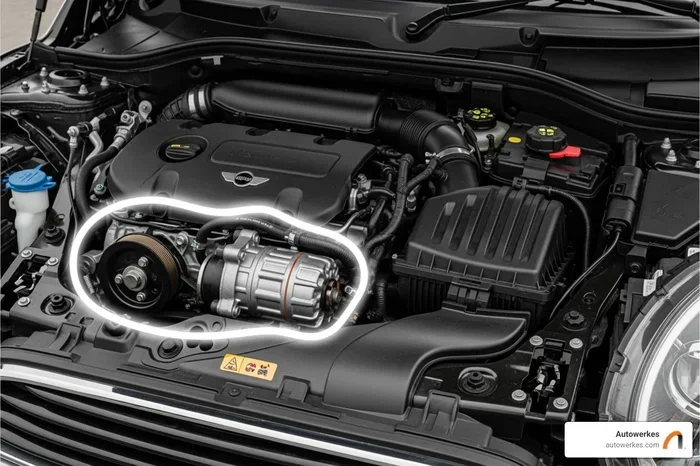
The AC compressor is a belt-driven component located in your engine bay. It acts as a pump, moving refrigerant through the car air conditioning system. Without it, no cool air reaches your cabin.
Here’s how it works in simple terms. The compressor takes low-pressure gas from the evaporator and squeezes it into high-pressure gas. This hot gas then flows through the condenser, where it releases heat and becomes a liquid. The liquid moves through the expansion valve and evaporator, absorbing heat from your car’s interior. Then the cycle starts all over again.
Think of the compressor as the engine of your AC system. Just like your car engine needs oil and regular care, the compressor needs clean refrigerant, proper lubrication, and a functioning AC compressor clutch to operate smoothly.
Interestingly, the way a generator converts energy shares some similarities with how a compressor cycles on and off. Both rely on internal components working in precise harmony. If you’re curious about how generators produce power, you can learn more about how a generator works to understand the broader mechanical principles at play.
How Long Should an AC Compressor Last in a Car?
The AC compressor lifespan depends on several factors. Let’s look at what the numbers say and what influences them.
Average Lifespan by Mileage
Most car AC compressors are designed to last between 100,000 and 150,000 miles. For the average driver who logs about 12,000 to 15,000 miles per year, that translates to roughly 8 to 12 years. However, some compressors last even longer with proper care.
Here are some general benchmarks:
- 30,000–60,000 miles: Early life. The compressor is in its prime.
- 60,000–100,000 miles: Mid-life. Still performing well with routine maintenance.
- 100,000–150,000 miles: End of expected life. Wear and tear starts to show.
- 150,000+ miles: Exceptional longevity. Usually seen in well-maintained vehicles.
Factors That Affect Compressor Longevity
Not all compressors age the same way. Several key factors determine how long yours will last:
- Climate: Living in a hot, humid climate means your compressor runs more often. This extra use can shorten its AC compressor lifespan miles.
- Driving Habits: Frequent short trips don’t give the system time to cycle properly. This can cause moisture buildup and wear on internal components.
- Maintenance Schedule: Skipping regular AC checks is one of the fastest ways to reduce compressor life.
- Refrigerant Quality: Using the wrong type or low-quality refrigerant stresses the compressor and causes premature failure.
- Vehicle Age: Older vehicles may have worn serpentine belts, corroded connections, or outdated refrigerant systems that strain the compressor.
- Usage Patterns: Running the AC constantly at maximum setting puts more stress on the system than intermittent use.
If you also use a portable power source for your RV or camping trips, understanding how much fuel your generator consumes can help you plan better. Check out how much propane a generator uses for useful fuel efficiency tips.
Signs Your AC Compressor Is Failing
Catching compressor problems early can save you hundreds of dollars. Here are the most common signs of a failing AC compressor to watch for:
Warm Air From the Vents
This is the most obvious sign. If your car AC not blowing cold air even after a recharge, the compressor may not be cycling properly. A healthy compressor engages and disengages smoothly. If it stays locked out or fails to build pressure, cool air stops flowing.
Strange Noises
Listen for grinding, squealing, or clicking sounds when you turn on the AC. A failing AC compressor bearing often produces a high-pitched squeal. Clunking noises usually mean internal components are breaking down. These sounds never go away on their own.
Visible Leaks
Oil or refrigerant spots under your car near the compressor area are red flags. A refrigerant leak not only reduces cooling performance but also starves the compressor of lubrication. Running a compressor low on refrigerant is one of the fastest ways to destroy it.
Clutch Problems
The AC compressor clutch engages the compressor when you turn on the air. If the clutch stays locked in the on position, the compressor runs constantly and overworks. If it fails to engage at all, the compressor can’t pressurize refrigerant. Both scenarios lead to poor cooling and eventual failure.
Tripping Circuit Breakers
If your car’s electrical system trips frequently when you use the AC, the compressor may be drawing too much current. This points to internal electrical damage or a seized compressor motor. Don’t ignore this sign.
What Causes AC Compressor Failure?
Understanding the root causes helps you prevent them. Here are the most common reasons compressors fail prematurely:
Low Refrigerant Levels
When refrigerant drops too low, the compressor has to work harder to cool the cabin. This causes overheating and internal wear. Low refrigerant usually means there’s a leak somewhere in the system that needs fixing first.
Contaminated Refrigerant or Oil
Debris, moisture, and old oil inside the system can clog passages and damage internal seals. Contamination often happens when the system isn’t properly serviced during a recharge or repair.
Blocked Condenser or Expansion Valve
A clogged condenser restricts airflow and causes pressure buildup. The compressor then works under excessive strain. Similarly, a blocked expansion valve creates pressure imbalances that stress the compressor over time.
Electrical Issues
Faulty wiring, corroded connectors, or a bad relay can cause irregular compressor cycling. Electrical problems account for a surprising number of compressor failures each year. Regular inspections of the electrical connections can catch these issues early.
Worn Serpentine Belt
The belt that drives the compressor stretches and wears over time. A slipping belt causes the compressor to underperform or engage inconsistently. Replacing the belt at regular intervals is a simple way to protect the compressor.
If you’re also dealing with home cooling systems and considering backup power options, you might wonder about the cost of whole-home solutions. Visit how much a home generator costs to explore your options for keeping your house cool during power outages.
AC Compressor Replacement Cost and Timeline
Replacing an automotive AC compressor is not cheap, but it’s necessary when failure is inevitable. Here’s what to expect.
Average Replacement Costs
The cost varies based on your vehicle make and model, labor rates in your area, and whether you replace just the compressor or the entire system. Here’s a general breakdown:
- Compressor only: $400 to $800 for parts and labor
- Compressor with clutch: $500 to $1,000
- Full AC system replacement: $1,200 to $2,500
- Luxury vehicles: Costs can exceed $2,000 due to parts availability and labor complexity
How Long Does Replacement Take?
A professional mechanic typically needs 3 to 5 hours to replace an AC compressor. The process involves recovering old refrigerant, removing the old unit, installing the new one, vacuuming the system, and recharging with fresh refrigerant. If other components like the condenser or expansion valve need replacement, the timeline extends.
If you’re planning a road trip or considering backup power for your home, knowing your power needs is essential. Understanding how many watts a generator needs to run a house can help you prepare for staying cool even when the grid goes down.
Tips to Extend Your AC Compressor Life
The good news is that you can take simple steps to keep your compressor healthy for years. Here are proven tips that actually work:
Run Your AC Regularly
Even in winter, run your AC for 10 to 15 minutes every few weeks. This keeps the seals lubricated and prevents the system from drying out. Seals that dry out crack, leading to refrigerant leaks and compressor damage.
Get Regular Recharges
Have your system checked every 2 to 3 years for refrigerant levels. A professional AC recharge ensures the system has the right amount of refrigerant and oil. This simple step reduces stress on the compressor significantly.
Fix Leaks Immediately
Don’t ignore small drips or moisture near AC components. Even a tiny leak gradually reduces refrigerant levels. The compressor keeps compensating until it burns out. Early leak repair is always cheaper than compressor replacement.
Replace Cabin Air Filters
Clogged cabin filters restrict airflow and make the entire system work harder. Replace them according to your vehicle’s maintenance schedule. This one simple task improves cooling efficiency and protects the compressor.
Check the Serpentine Belt
Inspect the belt for cracks, glazing, or looseness during every oil change. A worn belt slips and causes the compressor to engage improperly. Replacing it proactively costs very little compared to compressor repairs.
Avoid Overworking the System
On extremely hot days, start with the windows down for a few minutes before cranking the AC to maximum. This lets hot air escape first. Then switch to recirculate mode. This approach reduces the initial load on the compressor.
Use the Right Refrigerant
Always use the refrigerant type specified in your vehicle’s manual. Mixing different refrigerant types or using aftermarket alternatives can cause chemical reactions that damage internal components. Stick with OEM-approved products.
For those who also own generators and want to keep them in top shape, learning how to start a generator properly can prevent similar mechanical issues across your equipment.
Common Mistakes That Shorten AC Compressor Life
Avoiding these mistakes can add years to your compressor’s life:
- Ignoring warning signs: Putting off repairs when you first notice warm air or strange noises always makes things worse.
- Skipping AC maintenance: Many drivers only think about their AC when summer hits. Regular checks prevent surprises.
- Overcharging the system: Too much refrigerant creates excessive pressure and damages the compressor internally.
- Using off-brand parts: Cheap replacement compressors may fail within a year. Investing in quality parts saves money long-term.
- Running AC on low refrigerant: This is the fastest way to kill a compressor. Always check refrigerant levels before heavy use.
When it comes to maintaining your vehicle’s systems, understanding how everything connects matters. If you’re ever curious about broader mechanical systems, learning how to connect a generator to your house offers insight into electrical and mechanical integration principles.
When Should You Replace vs. Repair?
Not every compressor problem requires full replacement. Here’s a simple guide to help you decide:
Repair if: The issue is electrical, such as a faulty relay or wiring problem. Clutch replacement alone might solve the issue. Small refrigerant leaks from a seal can sometimes be repaired without replacing the entire compressor.
Replace if: The compressor is seized and won’t turn. You hear grinding or knocking sounds from inside the unit. The compressor has leaked refrigerant internally and the seals are damaged. Multiple AC system components have failed simultaneously.
A trusted mechanic can perform a diagnostic test to determine which path makes sense. Always get a second opinion if the repair shop immediately recommends full replacement without thorough testing.
Expert Insights on AC Compressor Longevity
Experienced mechanics agree that prevention is always better than cure when it comes to the AC compressor lifespan miles. Regular system inspections catch small issues before they become expensive problems. Many shops offer complimentary AC checks during seasonal transitions.
One mechanic shared that the number one killer of AC compressors is neglect. Drivers who wait until the air stops working before checking the system often find that the compressor has already sustained internal damage. By then, replacement is the only option.
Another expert emphasized the importance of using quality refrigerant and oil during servicing. Aftermarket products that aren’t compatible with your vehicle’s system can cause chemical breakdowns that destroy compressor internals within months.
Finally, professionals recommend running the AC system year-round, even in cold climates. This keeps seals soft, lubricates moving parts, and ensures the AC compressor clutch remains functional. It’s one of the simplest habits that pays off big time over the life of your vehicle.
Conclusion
So how long should an AC compressor last in a car? Under normal conditions and with proper maintenance, you can expect 8 to 12 years or 100,000 to 150,000 miles. But your results depend on how well you care for the system.
Stay alert to warning signs like warm air, strange noises, and visible leaks. Keep up with regular maintenance, use the right refrigerant, and don’t ignore small problems. These simple habits protect your car air conditioning system and keep you cool on every drive.
Your automotive AC compressor works hard for you every summer. Give it the attention it deserves, and it will reward you with reliable cooling for years to come. Start today by scheduling an AC check if you haven’t had one recently. Your future self will thank you when the heat hits.
Frequently Asked Questions
How do I know if my AC compressor needs replacement?
Common signs include warm air from the vents, grinding or squealing noises, visible refrigerant leaks, and a clutch that won’t engage. If you notice any of these symptoms, have a mechanic inspect the system right away. Early detection often prevents the need for a full replacement.
Can I drive my car with a bad AC compressor?
Yes, you can drive safely, but the AC won’t work. A seized compressor can also stress the serpentine belt and affect other belt-driven accessories. It’s best to address compressor issues promptly to avoid cascading damage to other components.
How much does it cost to replace an AC compressor in a car?
Most drivers pay between $500 and $1,500 for compressor replacement, depending on the vehicle. Luxury cars and European models tend to cost more due to parts availability and labor complexity. Always get a detailed quote before authorizing repairs.
Does running the AC in winter help extend compressor life?
Yes, absolutely. Running the AC periodically in winter keeps the seals lubricated, prevents moisture buildup, and ensures the compressor clutch remains functional. This simple habit is one of the best ways to extend your AC compressor lifespan overall.
What refrigerant does my car AC compressor use?
Most modern vehicles use R-134a refrigerant, while newer models may use R-1234yf. Check your vehicle’s manual or the label under the hood to confirm the correct type. Using the wrong refrigerant can damage the compressor and void your warranty.
How often should I have my car’s AC system serviced?
A professional AC inspection every 2 to 3 years is ideal. This includes checking refrigerant levels, inspecting for leaks, and testing compressor clutch operation. Regular servicing catches small issues before they turn into expensive compressor failures.