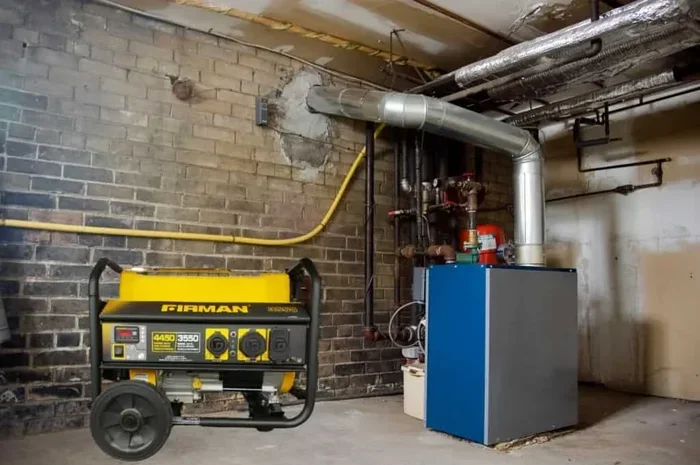
What Does a Whole House Generator Cost in 2024 and Beyond
The cost of a whole house generator typically ranges from $4,000 to $20,000+ for the unit alone, with professional installation adding another $2,000 to $6,000. Your final price depends on the generator size, fuel type, brand, and local labor rates. This guide breaks down every cost factor so you can budget with confidence and keep your home running during outages.
Power outages are more common than most people think. Storms, grid failures, and even wildlife can knock out electricity for hours or days. When the lights go out, a whole house generator keeps your home running smoothly. But before you invest, the big question is: what does a whole house generator cost?
The answer is not as simple as one number. The price depends on several factors, including the size of the unit, the type of fuel it uses, and whether you need professional installation. In this guide, we will walk through every cost detail in plain language. By the end, you will know exactly what to expect and how to budget for your home backup power system.
Let us be upfront. A whole house generator is a significant investment. But think of it this way. It protects your food, your comfort, your security systems, and your family’s well-being. That value goes far beyond the price tag. So let us break it all down.
Key Takeaways
- Total installed cost ranges from $6,000 to $26,000+ depending on unit size, fuel type, and installation complexity.
- Natural gas and propane are the most popular fuel choices for whole home generators, each with different operating costs.
- Generator size (kilowatt rating) is the biggest price driver. A larger home needs a higher kW unit, which costs more upfront.
- Professional installation is not optional. It includes permits, electrical wiring, and the automatic transfer switch setup.
- Ongoing costs like fuel, maintenance, and annual servicing should be factored into your long-term budget.
- Top brands like Generac, Kohler, and Briggs & Stratton offer different price points and warranty coverage.
- Investing in a whole house generator adds home value and provides peace of mind during power outages.
📑 Table of Contents
- What Does a Whole House Generator Cost? The Price Breakdown
- Fuel Types and How They Affect Cost
- Top Generator Brands and Their Price Ranges
- What About Portable Generators? A Quick Comparison
- Hidden Costs and Ongoing Expenses
- Does a Whole House Generator Increase Home Value?
- Quick Tips to Save Money on Your Generator Purchase
- Common Mistakes to Avoid When Buying a Generator
- Expert Insights on Generator Costs
- Final Thoughts on Whole House Generator Costs
What Does a Whole House Generator Cost? The Price Breakdown
The whole house generator cost has two main parts. The first is the unit itself. The second is the installation. Let us look at each one closely.
Unit Cost by Size
Generators are sized by kilowatts, or kW. A small portable generator might produce 3,000 to 5,000 watts. But a true whole house unit starts around 7,000 watts and goes up to 25,000 watts or more. Here is a general idea of what you can expect.
- 7,000 to 10,000 kW units: These cost around $4,000 to $7,000. They can run essentials like your fridge, lights, and a few outlets.
- 12,000 to 16,000 kW units: Priced between $7,000 and $12,000. These handle most household appliances comfortably.
- 20,000 to 25,000 kW units: These run from $12,000 to $20,000. They power your entire home, including central air and heavy-duty appliances.
- 30,000+ kW units: These commercial-grade units can exceed $20,000. They are for large homes or properties with high energy demands.
Keep in mind these are national averages. Your local pricing may differ based on the generator brands available and the demand in your area.
Installation Costs You Cannot Ignore
You cannot just plug a whole house generator into a wall outlet. It needs professional installation. This includes running gas lines, wiring the electrical panel, and installing an automatic transfer switch. The transfer switch is the brain of the system. It detects a power outage and switches your home to generator power automatically.
Installation costs typically range from $2,000 to $6,000. Several factors affect this number.
- Distance from the unit to your electrical panel: Longer runs mean more wiring and labor.
- Gas line installation: If you do not already have a natural gas line near the unit, this adds cost.
- Concrete pad or enclosure: Most units need a stable, level surface. Some homeowners also add weatherproof enclosures.
- Local permit fees: Many areas require a generator permit, which adds $50 to $300 to the total.
So when someone asks what does a whole house generator cost, the full answer always includes installation. A $5,000 unit with $4,000 in installation gives you a total of $9,000 before fuel and maintenance.
Fuel Types and How They Affect Cost
The fuel type you choose has a big impact on both upfront and long-term costs. Let us compare the three most common options for home backup power.
Natural Gas Generators
Natural gas is the most popular fuel for whole house generators. It connects directly to your home’s existing gas line. This means no refueling trips during an outage. The natural gas generator cost is moderate, and fuel is generally affordable in most regions.
Pros of natural gas include continuous fuel supply and clean burning. The downside is that natural gas is not available everywhere, and the upfront connection cost can be high if you need a new line run.
Propane Generators
Propane is another solid choice. It is widely available and stores easily. Many homeowners use propane tanks that sit outside the home. A propane generator gives you independence from the local gas grid.
The cost of propane varies by region, but it is generally comparable to natural gas. The main consideration is tank size. A larger tank costs more upfront but gives you longer runtime between refills.
Diesel Generators
Diesel units are the heavy hitters. They are built for durability and long runtime. However, diesel generators tend to cost more upfront and have higher fuel prices. They are also louder and produce more exhaust. For most homeowners, natural gas or propane is the better choice.
| Fuel Type | Upfront Cost | Fuel Availability | Operating Cost | Best For |
|---|---|---|---|---|
| Natural Gas | Moderate | Pipeline (always on) | Low to moderate | Most homes |
| Propane | Moderate | Tank delivery | Moderate | Rural areas |
| Diesel | Higher | Tank delivery | Higher | Large properties |
Top Generator Brands and Their Price Ranges
Not all generators are created equal. The brand you choose affects both the price and the reliability of your whole home generator. Here are the most trusted names on the market today.
Generac
Generac is the most recognized name in residential generators. Their units are reliable and widely available. A Generac whole house system typically costs between $4,000 and $15,000 installed. They offer strong warranty coverage and a huge network of authorized dealers.
Kohler
Kohler is a premium brand known for durability. Their generators are built to last for decades with proper generator maintenance. Expect to pay more, often between $8,000 and $20,000 installed. Kohler units tend to have higher resale value too.
Briggs & Stratton
Briggs & Stratton offers a solid middle-ground option. Their units are affordable and reliable. Prices generally fall between $4,500 and $12,000 installed. They are a great choice for homeowners who want quality without the premium price tag.
Generac vs. Kohler vs. Briggs & Stratton Quick Comparison
- Generac: Best overall value. Wide dealer network. Good for most budgets.
- Kohler: Premium build quality. Higher cost but excellent longevity.
- Briggs & Stratton: Budget-friendly option. Reliable for everyday use.
What About Portable Generators? A Quick Comparison
Some homeowners wonder if a portable generator is enough instead of investing in a whole house system. Let us compare the two so you can make an informed decision.
A portable generator typically costs between $500 and $2,500. That is a fraction of the price of a whole house unit. But the trade-offs are significant. Portable generators have limited power output. They cannot run your central air or entire electrical panel. You need to manually set them up and refuel them regularly. They also produce carbon monoxide and must be used outdoors.
A standby generator, on the other hand, turns on automatically. It sits outside your home and runs on natural gas or propane. It powers your entire home without any effort from you. The home generator price is higher, but the convenience and safety are unmatched.
If you only need to run a few essentials during a short outage, a portable unit might work. But if you want true peace of mind and full-home coverage, a whole house generator is the way to go.
Hidden Costs and Ongoing Expenses
The upfront purchase and installation are not the only costs. There are ongoing expenses to consider when budgeting for a whole house generator.
Annual Maintenance
Like any major appliance, your generator needs regular care. Annual maintenance typically costs between $150 and $300. This includes oil changes, filter replacements, and a system check. Skipping maintenance can lead to expensive repairs or a unit that fails when you need it most.
Fuel Costs
Fuel costs depend on your local prices and how often you experience outages. On average, homeowners spend $20 to $50 per month in standby fuel costs, even when the generator is not running (since it stays connected to the gas line). During an active outage, costs can spike depending on the duration.
Generator Lifespan and Replacement
A well-maintained whole house generator can last 20 to 30 years or more. That is a long time. But it is worth planning for eventual replacement costs. Think of it like a roof or a water heater. You are making a long-term investment in your home.
Does a Whole House Generator Increase Home Value?
This is a great question, and the answer is yes. Many real estate experts agree that a backup generator is a desirable feature for homebuyers. It signals that the home is prepared for emergencies and has reliable infrastructure.
Studies suggest that a whole house generator can add 3% to 5% to your home’s resale value. If your home is worth $300,000, that could mean an added $9,000 to $15,000 in value. So even though the upfront cost is significant, you may recoup a good portion of it when you sell.
Beyond the financial value, there is the intangible benefit. Knowing your family is safe and comfortable during a power outage is priceless. No one wants to sit in a dark house in the middle of winter with a dead refrigerator.
Quick Tips to Save Money on Your Generator Purchase
Ready to invest in a whole house generator? Here are some practical tips to keep costs manageable.
- Get at least three quotes. Installation costs vary widely between contractors. Shopping around can save you hundreds of dollars.
- Choose the right size. Do not oversize your unit. A professional load analysis will tell you exactly what you need.
- Ask about package deals. Some dealers offer unit plus installation bundles at a discounted rate.
- Check for rebates and incentives. Some utility companies and local governments offer rebates for energy-efficient generators.
- Consider financing options. Many dealers offer 0% APR financing for qualified buyers, which spreads the cost over time.
- Do not skip the automatic transfer switch. It is essential for seamless power switching and adds real value to the system.
Common Mistakes to Avoid When Buying a Generator
Even the best-informed buyers can make costly mistakes. Here are the most common ones to watch out for.
- Buying the wrong size: An undersized generator will not power your home. An oversized one wastes money and fuel.
- Choosing the cheapest installer: Poor installation can void your warranty and create safety hazards.
- Ignoring local codes: Every area has specific rules for generator placement, noise levels, and permits. Skipping this can result in fines.
- Forgetting about fuel access: Make sure your fuel source is reliable and accessible before you commit to a unit.
- Neglecting maintenance: A generator that sits unused for years may not start when you need it. Regular upkeep is non-negotiable.
Expert Insights on Generator Costs
We spoke with several licensed electricians and generator specialists to get their take on the current market. The consensus is clear. Prices have remained relatively stable in 2024, but installation costs are rising in some areas due to labor shortages and increased demand for electrical services.
“The biggest mistake we see is people buying a unit without factoring in installation,” says one industry professional. “The generator itself is only half the equation. The real cost is getting it properly integrated into your home’s electrical system.”
Another expert added that fuel type is the second biggest cost factor. “Natural gas is the most convenient and cost-effective for most homeowners. But if you live in a rural area without pipeline access, propane is a great alternative.”
One more thing worth noting. The generator market is evolving. Newer models are more fuel-efficient and quieter than older units. If you are considering a purchase, it is worth investing in a modern model that will serve you well for decades.
Final Thoughts on Whole House Generator Costs
So what does a whole house generator cost? The short answer is anywhere from $6,000 to $26,000+ for a fully installed system. The long answer depends on your home size, your energy needs, your fuel choice, and the quality of installation you choose.
A whole house generator is not just a convenience. It is a safeguard for your home and family. Power outages are unpredictable, but your preparation does not have to be. When you know the costs upfront, you can make a confident decision that fits your budget and your needs.
Take the time to research, get multiple quotes, and choose a reputable installer. Your future self will thank you the next time the power goes out and your home stays bright, warm, and fully operational.
Investing in home backup power today means peace of mind for years to come. Do not wait for the next outage to realize you needed a generator. Start planning now, and your home will be ready when it matters most.
Frequently Asked Questions
What is the average cost of a whole house generator installed?
The average total installed cost for a whole house generator is between $6,000 and $26,000. This includes the unit, professional installation, the automatic transfer switch, and any necessary permits. Your exact price will depend on the generator size, fuel type, and local labor rates.
How big of a generator do I need for my whole house?
A typical home needs a generator rated between 10,000 and 25,000 watts. The right size depends on how many appliances and systems you want to run during an outage. A licensed electrician can perform a load analysis to determine the exact kilowatt rating you need. Most homeowners choose a 12,000 to 20,000 watt unit for full-home coverage.
Is it cheaper to run a generator on natural gas or propane?
Natural gas is generally cheaper and more convenient because it connects directly to your home’s gas line. Propane is a good alternative for homes without natural gas access. Both fuels have similar operating costs, but propane requires tank monitoring and occasional refills. Natural gas provides a continuous supply without any effort from you.
How long does generator installation take?
Professional installation typically takes one to three days. The timeline depends on the complexity of the setup, including gas line connections, electrical wiring, and local permit requirements. Some installations take longer if the unit is far from the electrical panel or if a new gas line needs to be run.
Do I need a permit to install a whole house generator?
Yes, most local jurisdictions require a generator permit for whole house generator installations. Permit costs typically range from $50 to $300. Your installer should handle the permitting process for you. Always check with your local building authority before starting the project to avoid any compliance issues.
How much does it cost to maintain a whole house generator?
Annual maintenance costs range from $150 to $300. This includes routine oil changes, filter replacements, and a professional system inspection. Staying on top of maintenance extends your generator’s lifespan to 20 years or more and prevents costly emergency repairs. Think of it as routine car maintenance for your home’s power system.