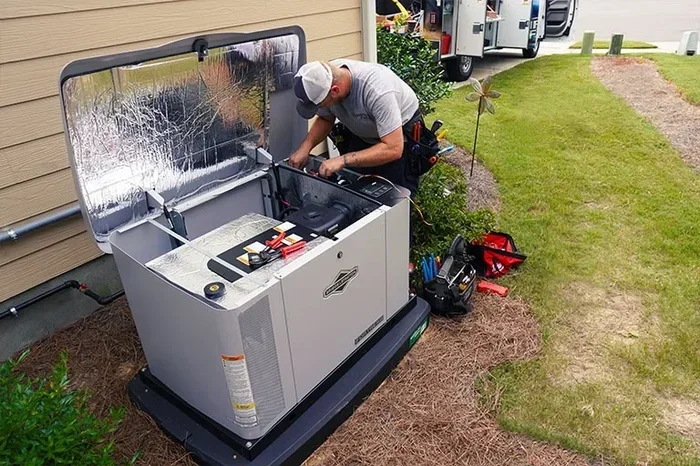
Whole House Generator Installed Price Breakdown Guide
Understanding the whole house generator installed price is the first step toward protecting your home from unexpected power outages. The total cost typically ranges from $12,000 to $25,000, depending on unit size, fuel type, and installation complexity. This guide breaks down every expense so you can budget confidently and avoid hidden surprises.
Key Takeaways
- Whole house generator installed price ranges from $3,000 to $15,000+ depending on unit size and fuel type.
- Installation costs alone can run $1,500 to $5,000, including permits, wiring, and professional labor fees.
- Portable generators cost far less upfront but lack the power and convenience of standby systems.
- Getting multiple contractor quotes helps you find fair pricing and avoid overpaying for installation.
- Ongoing maintenance and fuel costs add $200 to $500 annually to your total ownership expense.
- Permit requirements vary by location and can significantly impact your final installed price.
- Investing in a standby generator increases home value and protects against costly power outage losses.
📑 Table of Contents
- What Affects the Whole House Generator Installed Price
- Average Whole House Generator Installed Price by Brand
- Generator Size and Its Impact on Installed Cost
- Additional Costs You Need to Budget For
- How to Save Money on Whole House Generator Installation
- Is a Whole House Generator Worth the Price?
- Final Thoughts on Whole House Generator Installed Price
What Affects the Whole House Generator Installed Price
The whole house generator installed price can vary quite a bit from one home to another. You might see quotes ranging from a few thousand dollars to well over twenty thousand. That is a big range. So what gives?
Several key factors determine the final number you will pay. Understanding these factors helps you budget properly and avoid surprises. Let us break down what actually drives the cost.
Generator Size and Power Output
The size of the whole house generator you choose matters a lot. A smaller unit that covers basic essentials costs less than a massive one that powers your entire home. Generators are measured in kilowatts (kW). The higher the kW rating, the more the whole house generator installed price goes up.
For most homes between 1,500 and 3,000 square feet, a 20 to 25 kW unit works well. Larger homes with central air and multiple appliances may need 30 kW or more. The rule of thumb is simple. Bigger home equals bigger generator equals bigger bill.
Fuel Type and Availability
Fuel type plays a big role in the whole house generator installed price as well. The most common options are natural gas, propane, and diesel. Each has its own cost profile.
- Natural Gas: Often the most affordable fuel option. It connects directly to your existing gas line. No need to store fuel on site.
- Propane: Clean burning and widely available. But you need a tank, which adds to the generator installed price.
- Diesel: Very efficient but less common for residential use. Diesel fuel can be harder to store safely.
Natural gas is usually the go-to choice for homeowners because it keeps ongoing fuel costs low. If your home does not have a natural gas line, propane becomes the next best option.
Brand and Quality
Not all generators are created equal. Premium brands like Generac and Kohler command higher prices. But they also tend to last longer and run more quietly. Cheaper models might save you money upfront. But they can cost more in repairs and replacements down the road.
When you are comparing the whole house generator installed price, always look at the total cost of ownership. A slightly pricier unit that lasts 25 years is a better deal than a cheap one that fails after five.
Average Whole House Generator Installed Price by Brand
Brand reputation matters when you are shopping for a standby generator. Let us look at what you can expect to pay for some of the top brands on the market today.
Generac Generators
Generac is one of the most popular names in residential backup power. Their units are reliable and widely available. The average whole house generator installed price for a Generac system ranges from about 4,000 to 15,000 dollars. This includes the unit, labor, and basic installation materials.
If you want the full breakdown, you can check out what is the average cost of a Generac generator installed for more details on specific models and pricing tiers.
Kohler Generators
Kohler is known for premium build quality. Their generators tend to cost more than Generac units. You might pay anywhere from 5,000 to 18,000 dollars installed for a Kohler system. The higher price reflects superior components and longer warranty coverage.
Other Brands Worth Considering
Brands like Briggs and Stratton and Cummins also offer solid options. They fall somewhere in the middle of the price range. Here is a quick comparison of popular brands.
| Brand | Typical Installed Range | Warranty | Best For |
|---|---|---|---|
| Generac | $4,000 – $15,000 | 5-10 years | Most homeowners |
| Kohler | $5,000 – $18,000 | 5-10 years | Premium build quality |
| Briggs and Stratton | $3,500 – $12,000 | 3-5 years | Budget conscious buyers |
| Cummins | $6,000 – $20,000 | 5 years | Large homes and heavy loads |
Keep in mind that these are national averages. Your actual whole house generator installed price could be higher or lower depending on where you live and what your home needs.
Generator Size and Its Impact on Installed Cost
Choosing the right size generator is one of the most important decisions you will make. Too small and you will not cover your essential loads. Too big and you waste money on a unit you do not really need.
How to Determine the Right Size
Start by listing the appliances and systems you want to keep running during a power outage. Here are some common essentials:
- Refrigerator and freezer
- Central air conditioning or heating system
- Water heater
- Well pump (if applicable)
- Lights and outlets in key rooms
- Security system and internet router
Add up the wattage of these items. Then add a 20 percent buffer for safety. This gives you a good starting point for sizing your generator. If you are unsure, a licensed electrician can help you calculate the right size for your home.
The whole house generator installed price goes up as the kW rating increases. A 20 kW unit might cost around 5,000 dollars installed. A 30 kW unit could push that number to 10,000 or more. It is a significant jump. So getting the size right saves you real money.
Common Sizing Mistakes
One mistake homeowners make is buying a generator based on square footage alone. Square footage gives you a rough idea. But it does not tell the whole story. A well-insulated 2,500 square foot home in a mild climate might only need a 15 kW unit. A poorly insulated home of the same size in a harsh climate might need 25 kW.
Another common error is forgetting about starting watts. Some appliances like air conditioners and well pumps need extra power to start up. This surge wattage is much higher than running wattage. Make sure your generator can handle those peaks.
Additional Costs You Need to Budget For
The whole house generator installed price quote you receive from a contractor is not always the full picture. There are several additional costs that can pop up during installation. Planning for these expenses prevents budget surprises.
Electrical Panel Upgrades
Many older homes have electrical panels that cannot support a standby generator. If your panel is outdated, you may need to upgrade it first. A panel upgrade can add anywhere from 500 to 2,500 dollars to your total cost.
Permits and Inspections
Most cities require permits for generator installations. Permit costs vary by location. You might pay between 100 and 500 dollars. Inspections are usually included in the permit fee, but not always. Check with your local building department to find out what is required in your area.
Gas Line Installation or Upgrades
If your home does not already have a gas line connection for an appliance, you will need one installed. Running a new gas line can cost between 500 and 2,000 dollars depending on the distance and terrain. This is an important part of the whole house generator installed price that many homeowners overlook.
Concrete Pad and Site Preparation
Generators need a stable, level surface to sit on. A concrete pad typically costs between 300 and 800 dollars. If your installation site requires grading or drainage work, the cost could go higher.
Transfer Switch Installation
A transfer switch is essential for safe generator operation. It automatically switches your home between grid power and generator power. The cost of a transfer switch ranges from 500 to 1,500 dollars depending on the type and capacity. Manual transfer switches are cheaper. Automatic ones cost more but offer greater convenience.
Ongoing Maintenance and Fuel Costs
Do not forget about the ongoing costs of owning a generator. Annual maintenance typically runs 150 to 300 dollars. Fuel costs depend on your usage and fuel type. For example, a 20 kW propane generator can use a significant amount of fuel during extended outages.
If you are curious about fuel consumption, you can look up how much propane a 20kW generator uses per hour to get a better sense of what to expect.
How to Save Money on Whole House Generator Installation
The whole house generator installed price might seem steep at first glance. But there are several smart ways to bring that number down without sacrificing quality.
Get Multiple Quotes
Never settle on the first quote you receive. Contact at least three licensed contractors in your area. Compare their pricing, what is included, and their timeline. Sometimes the difference between two quotes can be thousands of dollars.
Choose the Right Time for Installation
Timing matters. Contractors tend to be busiest during storm season and summer months. If you schedule installation during the off season, you may get a better rate. Fall and early winter are often the best times to book.
Consider a Smaller Unit If Possible
You do not always need to power your entire home. A smaller generator that covers your essentials can save you a significant amount. Think about what you truly need during an outage. A 15 kW unit might be all you need to keep your fridge running, lights on, and furnace working.
On the other hand, if you want full coverage, make sure you invest in the right size generator to run furnace and refrigerator and other key appliances from the start. This avoids the costly mistake of buying a unit that is too small.
Ask About Bundled Deals
Some dealers offer package deals that include the generator, installation, and a maintenance plan. These bundles can save you money compared to purchasing each component separately. Always ask your dealer about available packages.
Check for Rebates and Incentives
Many utility companies offer rebates for installing backup generators. These programs encourage homeowners to reduce strain on the electrical grid during peak demand. Check with your local utility provider and also look into federal or state energy efficiency incentives.
Is a Whole House Generator Worth the Price?
This is the question every homeowner asks before pulling the trigger on a generator installation. And honestly, the answer depends on your situation.
If you live in an area prone to frequent power outages, a whole house generator is almost always worth it. The peace of mind alone is invaluable. You do not have to worry about food spoiling, pipes freezing, or losing internet during a storm.
Even if outages are rare in your area, a backup generator protects your home in other ways. It keeps your security systems running. It prevents water damage from sump pump failures. It maintains your comfort during extreme weather.
The whole house generator installed price is a significant investment. But think of it as insurance for your home and your family’s comfort. Just like homeowners insurance, you hope you never need it. But you will be glad you have it when you do.
If you are still on the fence, consider how much a single extended outage could cost you. Spoiled food, hotel stays, burst pipes, and lost work time all add up fast. A generator can pay for itself in just one or two major outage events.
For homeowners who want to understand the full scope of what they are investing in, it helps to explore related topics like how long a whole house generator lasts and what size generator will run a whole house. These resources give you a clearer picture of the long-term value and the right setup for your home.
Ultimately, the decision comes down to your budget, your location, and how much comfort and security matter to you. A whole house generator is not a small expense. But for most homeowners, the benefits far outweigh the costs.
Final Thoughts on Whole House Generator Installed Price
The whole house generator installed price is shaped by many factors. Generator size, fuel type, brand, and local installation costs all play a role. Additional expenses like electrical upgrades, permits, and site preparation can add to the total. But with careful planning and smart budgeting, you can find a system that fits your needs and your wallet.
Start by getting multiple quotes. Do your research on the right size for your home. And do not forget to factor in ongoing maintenance and fuel costs. A well-chosen generator will serve your family reliably for decades.
The investment in a whole house generator is more than just a purchase. It is an investment in your home, your comfort, and your peace of mind. When the next storm hits or the power goes out, you will be glad you made the choice to prepare.
Frequently Asked Questions
What is the average whole house generator installed price?
The typical whole house generator installed price ranges from $10,000 to $25,000 depending on the unit size and your home’s setup. Most homeowners spend around $15,000 for a mid-range standby generator with full professional installation. This cost covers the equipment, electrical wiring, transfer switch, and labor.
What factors affect the whole house generator installed price?
Several key factors influence the whole house generator installed price, including the generator’s wattage capacity, fuel type, and brand reputation. Installation complexity matters too, especially if your home needs a new gas line, concrete pad, or electrical panel upgrades. Local labor rates and permit fees also add to the final cost.
Can I lower the whole house generator installed price by doing it myself?
DIY installation is not recommended because it can void warranties and create serious safety hazards like carbon monoxide leaks or electrical backfeed. Hiring a licensed professional ensures code compliance and safe operation. The savings from DIY rarely outweigh the risks and potential repair costs.
Does the whole house generator installed price include the transfer switch?
Most quotes include the transfer switch as part of the whole house generator installed price, but always confirm this with your installer. A manual transfer switch costs less, while an automatic transfer switch adds $500 to $1,500 to the total. This component is essential for safely switching between utility power and generator power.
Are there ongoing costs after paying the whole house generator installed price?
Yes, you should budget for annual maintenance, which typically costs $200 to $500 per year. Fuel costs depend on your generator’s size and how often it runs during outages. Regular oil changes, filter replacements, and professional inspections keep your system running reliably.
Is the whole house generator installed price worth the investment?
For homeowners in areas prone to frequent power outages, the whole house generator installed price delivers real value by protecting your home and appliances. It prevents food spoilage, keeps heating and cooling systems running, and maintains security systems during blackouts. Many homeowners see the investment pay for itself after just one major outage.