The Ultimate Guide to Choosing a Generator Fuel Tank
Choosing the right generator fuel tank is essential for reliable power. This guide covers tank types, sizes, materials, installation, and maintenance so you can make a confident, informed decision. Whether you need a portable setup or a whole-house standby solution, you will find practical tips and expert advice inside.
Running a generator during a blackout feels like a lifesaver. But what happens when the fuel runs out? That is where a generator fuel tank becomes your best friend. A well-chosen fuel tank keeps your generator running longer, safer, and more efficiently. Whether you power a home, a construction site, or an RV, the right tank makes all the difference.
Many people overlook the importance of their fuel tank. They focus on the generator brand, wattage, or price tag. But the tank holds the fuel that keeps everything going. A poor choice leads to leaks, short runtime, or even dangerous situations. This guide walks you through every step of picking the perfect generator fuel tank. You will learn about sizes, materials, installation, and much more.
By the end, you will feel confident choosing a tank that fits your generator and your needs. Let us dive in and explore everything you need to know.
Key Takeaways
- Right Size Matters: Match your generator fuel tank capacity to your runtime needs and fuel type.
- Material Choice Is Critical: Steel, plastic, and aluminum each offer different durability and safety benefits.
- Safety First: Proper ventilation, overflow protection, and secure mounting prevent accidents.
- Maintenance Extends Life: Regular inspection and cleaning keep your fuel tank performing for years.
- Know Your Fuel Consumption: Understanding how much fuel your generator uses helps you pick the correct tank size.
📑 Table of Contents
- What Is a Generator Fuel Tank and Why Does It Matter?
- Types of Generator Fuel Tanks
- How to Choose the Right Size Fuel Tank
- Material Matters: Steel vs. Plastic vs. Aluminum
- Installation and Safety Tips
- Maintenance and Longevity
- Common Mistakes to Avoid
- How Does a Generator Fuel Tank Connect to Your System?
- Final Thoughts
What Is a Generator Fuel Tank and Why Does It Matter?
A generator fuel tank is the container that stores fuel for your generator. It connects directly to the generator through a fuel line and pump. The tank holds gasoline, propane, diesel, or natural gas depending on your generator type. Without it, your generator simply cannot run.
The tank matters more than most people realize. A tank that is too small means frequent refills. A tank made of poor material can corrode or leak. And a tank installed incorrectly creates fire hazards. Choosing wisely saves you time, money, and stress.
How Fuel Tank Size Affects Runtime
Tank size directly determines how long your generator runs between refills. A larger generator fuel tank means longer runtime. For example, a small 5-gallon tank might run a portable generator for just a few hours. A 50-gallon tank could keep a standby generator running for days.
Consider your needs carefully. Do you need power for a few hours during a storm? Or do you need days of backup power? Your answer decides the tank size you should buy.
Common Fuel Types and Their Tanks
Different generators use different fuels. Each fuel type has its own tank requirements.
- Gasoline: Most common for portable generators. Tanks are usually small and built into the unit.
- Propane: Popular for standby generators. Propane tanks come in various sizes from 20 pounds to 500 gallons.
- Diesel: Common for large industrial generators. Diesel tanks are durable and store fuel for long periods.
- Natural Gas: Connected directly to a home gas line. No separate tank needed in most cases.
Knowing your fuel type helps you choose the right tank. For propane users, understanding how much propane a 20kw generator uses per hour can help you calculate the right tank size for extended runtime.
Types of Generator Fuel Tanks
Not all fuel tanks are the same. Different types serve different purposes. Let us explore the most common options.
Built-In Tanks
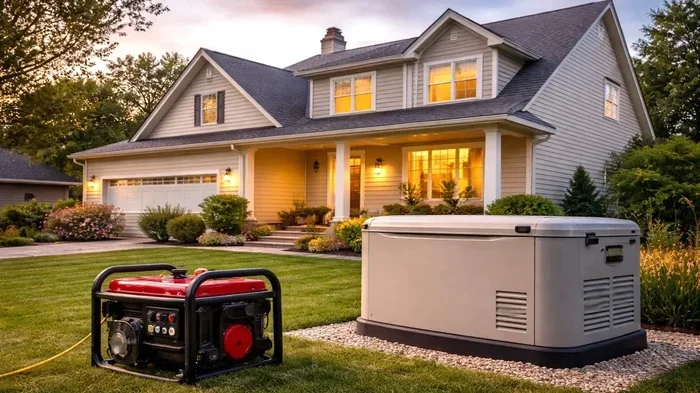
Many portable generators come with a built-in fuel tank. These tanks are molded into the generator frame. They are convenient and ready to use right out of the box. However, they are usually small, holding between 1 and 10 gallons.
Built-in tanks work well for short-term use. If you only need a few hours of power, a built-in tank is fine. But for longer outages, you will need an external option.
External Fuel Tanks
External tanks connect to your generator through a fuel line. They come in many sizes, from 5 gallons up to 500 gallons or more. These tanks give you much longer runtime without constant refills.
External tanks are ideal for standby generators and backup power systems. They allow you to store more fuel safely away from the generator unit. This setup is especially useful for whole-house backup power.
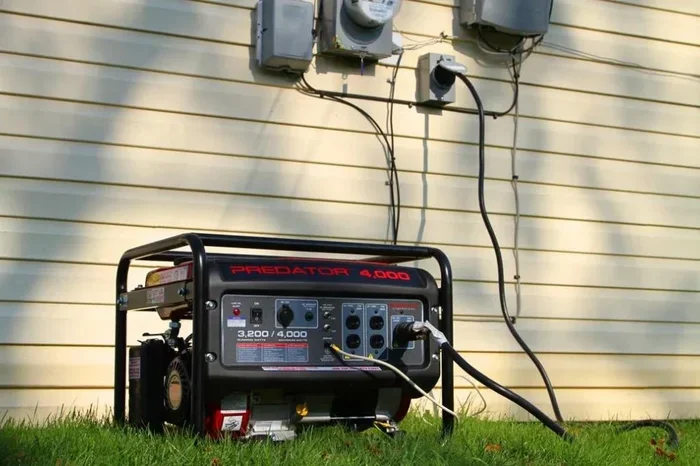
If you are planning to connect a generator to your house, understanding how to run a generator to house safely includes choosing the right external fuel tank setup.
Portable Fuel Cans and Tanks
Portable fuel cans are the simplest option. You fill them at a gas station and carry them to your generator. They typically hold 1 to 5 gallons. These cans work great for camping trips, tailgating, or small portable generators.
However, portable cans have drawbacks. They need frequent refilling for longer use. They can also be heavy when full. And they lack the safety features of dedicated fuel tanks.
Propane Tanks for Generators
Propane tanks are a popular choice for standby generators. They come in standard sizes like 20-pound tanks, 100-pound tanks, and 500-gallon tanks. Propane burns clean and stores indefinitely. This makes it a reliable fuel for long-term backup power.
Many homeowners connect multiple propane tanks using a changeover regulator. This setup allows you to switch between tanks automatically when one runs empty. It is a smart way to maintain uninterrupted power.
How to Choose the Right Size Fuel Tank
Sizing your generator fuel tank correctly is one of the most important decisions you will make. A tank that is too small leaves you in the dark. A tank that is too large wastes space and money.
Calculate Your Fuel Consumption
Start by figuring out how much fuel your generator uses per hour. This number varies by generator size and load. A small 3000-watt generator might use about 0.5 gallons of gasoline per hour. A large 20kw standby generator could use 2 to 3 gallons per hour.
Multiply your hourly consumption by the number of hours you need runtime. This gives you the minimum tank size you need. Always add a buffer of 20 to 30 percent for safety.
Match Tank Size to Your Generator Type
Different generators need different tank sizes. Here is a quick guide:
- Portable Generators (1,000-3,000 watts): 5 to 10 gallon external tank for extended use.
- Mid-Size Generators (3,000-7,000 watts): 10 to 25 gallon external tank.
- Large Standby Generators (7,000-20,000 watts): 25 to 100 gallon tank or larger.
- Industrial Generators (20,000+ watts): 100 gallon tank or custom fuel system.
For propane users, knowing your fuel burn rate helps. Check out how much propane does a 20kw generator use per hour to estimate your needs more accurately.
Consider Your Available Space
Space matters when choosing a fuel tank. Large tanks need a dedicated storage area. They must sit on level ground and away from heat sources. Measure your available space before buying. Make sure you have room for safe installation and easy refilling.
Material Matters: Steel vs. Plastic vs. Aluminum
The material of your generator fuel tank affects durability, safety, and cost. Each material has pros and cons. Let us break them down.
Steel Tanks
Steel tanks are the most durable option. They resist impact and handle high pressure well. Steel tanks work great for diesel and propane fuel. They last for decades with proper care.
However, steel tanks are heavy. They can also rust if not properly coated or maintained. Steel tanks cost more than other options. But for long-term use, they are hard to beat.
Plastic Tanks
Plastic tanks are lightweight and affordable. They resist corrosion naturally. Many portable generators use plastic fuel tanks built into the unit. External plastic tanks are also available for larger setups.
The downside is durability. Plastic can crack in cold weather or under heavy impact. It also degrades over time when exposed to sunlight. For temporary or short-term use, plastic tanks work fine.
Aluminum Tanks
Aluminum tanks offer a middle ground. They are lighter than steel but stronger than plastic. Aluminum resists corrosion and does not rust. These tanks are a great choice for gasoline and propane.
Aluminum tanks are more expensive than plastic but cheaper than steel. They offer excellent durability without the weight of steel. Many homeowners prefer aluminum for their balance of strength and portability.
Quick Comparison Table
| Feature | Steel | Plastic | Aluminum |
|---|---|---|---|
| Durability | Excellent | Fair | Good |
| Weight | Heavy | Light | Medium |
| Corrosion Resistance | Poor (without coating) | Excellent | Excellent |
| Cost | High | Low | Medium |
| Lifespan | 20+ years | 5-10 years | 15+ years |
| Best For | Diesel, long-term use | Portable, temporary | Gasoline, propane |
Installation and Safety Tips
Installing a generator fuel tank requires careful attention to safety. A wrong installation can lead to leaks, fires, or carbon monoxide exposure. Follow these tips to keep your setup safe and compliant.
Choose a Level, Stable Surface
Always place your fuel tank on a flat, level surface. Uneven ground can cause the tank to tip or leak. Use a concrete pad or sturdy platform. Never place a fuel tank on soft or uneven ground.
Maintain Proper Ventilation
Fuel vapors are dangerous. They can build up in enclosed spaces and create explosion risks. Install your tank in a well-ventilated area. Keep it away from enclosed garages, sheds without windows, or indoor spaces.
Proper ventilation also helps prevent fuel vapor buildup around the generator. This simple step protects your family and property.
Use Overflow Protection
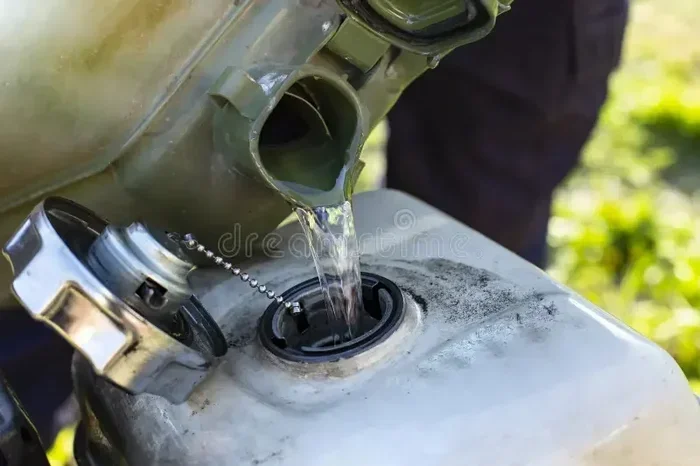
Overflow protection prevents fuel spills when filling your tank. Use a tank with a built-in overflow valve or install a drip tray underneath. Fuel spills create fire hazards and environmental damage. Overflow protection is a small investment with big safety benefits.
Secure the Tank Properly
A fuel tank should never sit loose. Use mount brackets or straps to secure the tank to a stable surface. This prevents tipping and sliding during storms or earthquakes. Many fuel tanks come with mounting hardware included.
Keep Fuel Away from Heat Sources
Place your fuel tank at least 5 feet away from your generator and any ignition sources. Gasoline vapors ignite easily. Keeping distance reduces fire risk significantly. This is a safety rule you should never skip.
For more on safe generator placement, learn how to run a generator to house safely and avoid common hazards.
Maintenance and Longevity
A generator fuel tank lasts longer with regular maintenance. Simple habits keep your tank in great shape and prevent costly problems.
Inspect for Leaks Regularly
Check your tank and fuel lines for leaks every month. Look for wet spots, cracks, or discoloration. Even a small leak can waste fuel and create safety risks. Fix leaks immediately before they worsen.
Clean the Tank Periodically
Fuel sediment builds up inside tanks over time. This sludge can clog fuel lines and damage your generator. Drain and clean your tank at least once a year. Use a tank cleaning kit or hire a professional for large tanks.
Replace Damaged Seals and Fittings
Seals and fittings wear out over time. Check them regularly and replace any damaged parts. Loose fittings cause fuel leaks. Worn seals allow vapor escape. Both problems reduce efficiency and create safety hazards.
Store Fuel Properly
If you store fuel in your tank for long periods, use a fuel stabilizer. Stabilizer prevents fuel degradation and keeps your generator running smoothly. Without stabilizer, gasoline can go bad in as little as 30 days.
Also consider how long you can leave gas in a generator when planning your fuel storage strategy. This knowledge helps you maintain fuel quality and avoid engine problems.
Expert Insight: Why Maintenance Matters
Regular tank maintenance is the cheapest form of generator insurance. A well-maintained fuel tank prevents leaks, ensures clean fuel delivery, and extends the life of your entire power system. Skipping maintenance leads to expensive repairs and dangerous situations.
Common Mistakes to Avoid
Many people make avoidable mistakes when choosing or installing a generator fuel tank. Here are the most common ones:
- Undersizing the tank: A too-small tank means constant refills and interrupted power.
- Ignoring material quality: Cheap tanks crack, leak, and degrade faster.
- Skipping ventilation: Poor ventilation creates fire and explosion risks.
- Not checking local codes: Many areas have regulations on fuel tank size and placement.
- Using the wrong fuel type: Always match your tank material to your fuel type.
- Skipping overflow protection: Spills cause damage and safety hazards.
Avoiding these mistakes saves you time, money, and headaches. Take your time and plan your fuel tank setup carefully.
How Does a Generator Fuel Tank Connect to Your System?
Understanding the connection between your tank and generator helps you install and maintain your setup properly.
Fuel Lines and Fittings
A fuel line carries fuel from the tank to the generator. Use high-quality fuel-rated tubing. Standard rubber hoses degrade quickly with gasoline and diesel. Look for reinforced fuel lines that resist cracking and leaks.
Fuel Pumps
Most generators use an electric fuel pump to draw fuel from the tank. Some setups use gravity-fed systems where the tank sits above the generator. Choose the right pump type for your tank and generator combination.
Fuel Filters
Fuel filters remove debris and sediment before fuel reaches the generator. Change your fuel filter regularly. A clogged filter reduces performance and can damage your generator engine.
Final Thoughts
Choosing the right generator fuel tank is more important than most people realize. It affects your runtime, safety, and overall power reliability. Take the time to evaluate your needs, compare materials, and follow installation best practices.
Start by calculating your fuel consumption and runtime requirements. Choose a tank size that gives you comfortable buffer room. Pick a material that suits your fuel type and budget. Install the tank safely with proper ventilation and secure mounting. And maintain it regularly for years of reliable service.
Your generator is only as good as the fuel system that powers it. Invest in a quality fuel tank today and enjoy peace of mind during every power outage.
Frequently Asked Questions
What size generator fuel tank do I need for my home?
The right size depends on your generator’s fuel consumption and how long you need runtime. A typical home standby generator uses 2 to 3 gallons per hour. For 24 hours of backup power, a 50 to 100 gallon tank works well. Always add a 20 to 30 percent buffer to your calculation.
Can I use a plastic fuel tank for my generator?
Yes, plastic tanks work for many generator setups. They are lightweight and affordable. However, they are less durable than steel or aluminum tanks. Plastic tanks are best for temporary use or smaller generators. For long-term or heavy-duty use, consider metal tanks instead.
How far should my generator fuel tank be from the generator?
Keep your fuel tank at least 5 feet away from the generator. This distance reduces fire risk from fuel vapors. It also keeps heat from the generator away from the tank. Always follow local building codes for fuel tank placement.
Can I connect multiple fuel tanks together?
Yes, you can connect multiple tanks using a changeover regulator or manifold system. This setup extends your runtime without frequent refills. Propane tanks are commonly connected this way. Make sure all connections are secure and leak-free before use.
How often should I clean my generator fuel tank?
Clean your tank at least once a year. If you use the generator frequently, clean it every 6 months. Sediment buildup can clog fuel lines and damage your generator. Regular cleaning keeps fuel delivery smooth and your generator running reliably.
Is it safe to store a full fuel tank indoors?
No, storing a full fuel tank indoors is dangerous. Fuel vapors can accumulate in enclosed spaces and create explosion risks. Always store fuel tanks outdoors in a well-ventilated area. Keep them away from heat sources, direct sunlight, and ignition points.