7000 Watt Generator What Will It Run And Power Your Home
A 7000 watt generator is one of the most versatile options for home backup power. It can run essential appliances like your refrigerator, furnace, lights, and even some power tools. But knowing exactly what a 7000 watt generator will run depends on wattage calculations and smart load management.
Key Takeaways
- Essential appliances covered: A 7000 watt generator handles most household essentials including refrigerators, freezers, lights, fans, and small electronics with ease.
- Heavy appliances need care: High-draw devices like central air conditioners, electric stoves, and water heaters may push a 7000 watt generator to its limits or beyond.
- Surge wattage matters: Always check both running watts and surge watts when planning what to power, as startup surges can trip your generator.
- Load management is key: Staggering appliance use and prioritizing essentials helps you get the most out of every watt.
- Fuel type affects runtime: Gasoline, propane, and dual-fuel options all impact how long your generator runs and what it can handle.
- Proper placement is critical: Never run a generator indoors or near openings. Fresh air and safe distance keep your family protected from carbon monoxide.
📑 Table of Contents
- 7000 Watt Generator What Will It Run And Power Your Home
- Understanding 7000 Watts Of Power
- Essential Home Appliances A 7000 Watt Generator Can Run
- Heavy Appliances That Push A 7000 Watt Generator
- Fuel Type And Runtime Considerations
- Safe Placement And Operation Tips
- Common Mistakes When Using A 7000 Watt Generator
- Expert Insights And Pro Tips
- Conclusion
- Frequently Asked Questions
7000 Watt Generator What Will It Run And Power Your Home
Power outages hit without warning. One minute everything works, the next your lights go dark and your fridge starts warming up. A 7000 watt generator gives you a practical, affordable way to keep your home running when the grid goes down. It sits in that sweet spot between portable and powerful enough to handle most household essentials. But what exactly can you expect from this size unit?
The answer depends on what you want to run and how you manage your energy load. A 7000 watt generator can easily power your refrigerator, freezer, lights, fans, and charging stations for your phones and laptops. It can also handle smaller heating systems and some power tools. However, big draws like central air conditioning or a full electric stove may be tough. Understanding what a 7000 watt generator will run helps you plan ahead and avoid frustrating surprises during an outage.
This guide breaks down the wattage needs of common household appliances. You will learn how to calculate your load, avoid common mistakes, and get the most power from every gallon of fuel. Whether you are prepping for storm season or just want peace of mind, this article has you covered.
Understanding 7000 Watts Of Power
Before diving into specific appliances, let us talk about what 7000 watts actually means. Generators list two wattage numbers: running watts and surge watts (also called starting watts). Running watts are the continuous power a generator supplies. Surge watts are the extra punch needed to start motors and compressors.
Running Watts Vs. Surge Watts
Think of it this way. Pushing a shopping cart takes steady effort. Getting it started from a stop takes a bigger push. Your generator works the same way. A refrigerator might need 700 running watts but 2200 surge watts to kick on. If your generator cannot handle that surge, the breaker trips every time the compressor starts.
Most 7000 watt generators deliver around 7000 running watts and roughly 8500 to 9000 surge watts. That surge capacity gives you a buffer for motor-driven appliances. But you still need to plan carefully. Adding up everything you want to run at once can quickly eat into those available watts.
How To Calculate Your Power Needs
Start by listing every appliance you want to run. Check the label on each device for its wattage. If the label shows amps instead of watts, multiply amps by volts. For most household outlets, that is 120 volts. So a device drawing 10 amps uses 1200 watts.
Add up all the running watts. Then check the surge watts for motor-driven items like fridges, pumps, and air tools. Your total surge demand must stay under your generator surge rating. Here is a quick example:
- Refrigerator: 700 running / 2200 surge
- Freezer: 800 running / 2400 surge
- Lights (6 bulbs): 300 running / 300 surge
- Phone chargers: 100 running / 100 surge
- Fan: 200 running / 200 surge
- Total: 2100 running / 5000 surge
That setup uses only about 30 percent of a 7000 watt unit. You have plenty of room left. But add a window air conditioner at 1200 running / 3600 surge, and suddenly you are getting closer to the limit. This is why load management makes all the difference.
Essential Home Appliances A 7000 Watt Generator Can Run
A 7000 watt generator covers most everyday household needs. These are the appliances you can count on running smoothly, often with room to spare.
Refrigerator And Freezer
Keeping your food cold is a top priority during any outage. A standard refrigerator uses around 600 to 800 running watts. A chest freezer adds roughly 800 to 1000 running watts. Together, they pull about 1400 to 1800 watts. A 7000 watt generator handles this combo easily, even accounting for startup surges.
Pro tip: Let your fridge and freezer fully cool before plugging them in. Starting cold compressors demand more surge power. Power them on first, let them stabilize, then add other loads.
Lights And Fans
Lighting and ventilation are low-wattage wins. LED bulbs use only 8 to 15 watts each. A box fan draws around 200 watts. A ceiling fan sits near 50 to 100 watts. You can run multiple light fixtures and fans all day without stressing your generator. This alone makes a 7000 watt generator a great choice for extended outages.
Electronics And Charging
Laptops, phones, tablets, and TVs are lightweight loads. A TV uses 100 to 400 watts. Charging stations for personal devices draw 10 to 50 watts each. You can easily keep everyone connected and entertained. This is especially valuable during long storm outages when staying informed matters most.
Small Heating Systems
Space heaters are tricky. A 1500 watt space heater eats up a big chunk of your capacity. Still, a 7000 watt generator can run one comfortably. Just remember that running multiple heating devices will drain fuel fast. A ceramic space heater in the room you occupy is a smart, efficient choice.
Heavy Appliances That Push A 7000 Watt Generator
Some household items demand serious power. Knowing which ones strain your unit helps you avoid tripping breakers and damaging equipment.
Central Air Conditioning
Central air is one of the biggest power draws in any home. A typical unit needs 3000 to 5000 running watts with surges reaching 6000 or more. A 7000 watt generator can run a central air conditioner in mild weather. But if you also have lights, a fridge, and fans on, you will likely hit your limit. During peak summer heat, this is a tough combination to manage.
If you want cooling during outages, consider a window unit instead. A 5000 BTU window air conditioner uses around 500 running watts. That fits easily alongside your other essentials.
Electric Stove And Oven
Cooking on an electric stove is a major challenge for portable generators. A single burner can draw 1200 to 2500 watts. The oven element often needs 3000 to 4000 watts. A full electric range can pull 8000 to 12000 watts combined. That exceeds a 7000 watt generator by a wide margin.
Your best bet is to use a gas stove or an outdoor grill for cooking during outages. If you must use electric, stick to one small burner at a time and never pair it with other heavy loads.
Water Heater
Electric water heaters are another heavy draw. They typically use 3000 to 4500 watts. A 7000 watt generator can run one briefly but it will consume fuel rapidly. For extended outages, a gas water heater (if you have one) keeps running regardless of generator status. If you rely on electric, heating water in batches on a gas stove works better than trying to run the full unit.
Well Pumps And Sump Pumps
Water pumps vary widely. A small sump pump uses 800 to 1300 running watts. A well pump can range from 1000 to 3000 running watts depending on depth and demand. A 7000 watt generator handles most standard pumps well. Just watch the startup surge. Pump motors can spike at 3000 to 6000 surge watts. Time your pump cycles carefully and avoid running other heavy devices at the same moment.
Fuel Type And Runtime Considerations
What powers your generator matters as much as its wattage rating. The fuel type affects runtime, cost, portability, and even what appliances you can run safely.
Gasoline
Gasoline is the most common fuel for portable units. It is widely available and burns cleanly for short-term use. A 7000 watt gasoline generator typically runs 8 to 12 hours at half load. Gasoline has a shelf life of about 6 to 12 months when treated with stabilizer. Stocking extra fuel for storm season is smart but requires safe storage.
Propane
Propane offers unlimited shelf life and cleaner burning. Many 7000 watt units are dual-fuel generators that accept both gasoline and propane. Propane produces fewer BTUs per gallon compared to gasoline, so runtime tends to be shorter. However, you can connect large propane tanks or even a whole-house propane supply for long outages without refueling trips.
Diesel
Diesel generators are rare in the 7000 watt portable range but exist for heavier-duty use. Diesel fuel lasts longer and burns more efficiently. These units suit construction sites and extended off-grid scenarios more than typical home backup.
Quick Fuel Tips
- Always store fuel in approved containers away from living spaces.
- Add fuel stabilizer to gasoline stored longer than 30 days.
- Run your generator for 15 to 20 minutes weekly to keep the carburetor clean.
- For dual-fuel models, test both fuel sources before you need them in an emergency.
Safe Placement And Operation Tips
Owning a 7000 watt generator comes with responsibility. Improper use creates serious risks. Carbon monoxide poisoning from generators causes hundreds of injuries each year. Following safety guidelines protects your family and your home.
Never Run A Generator Indoors
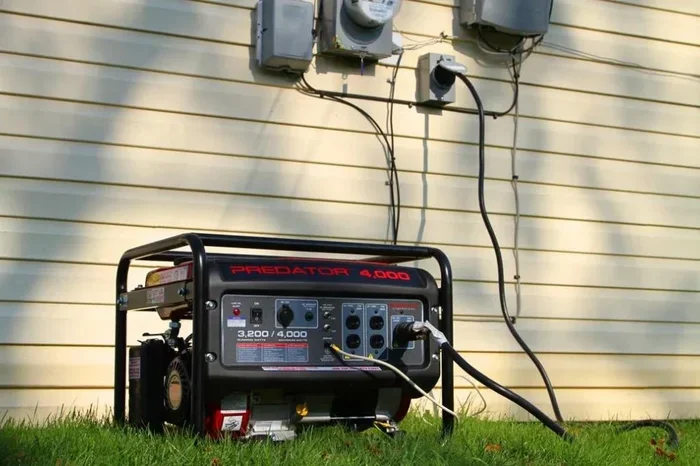
This rule cannot be overstated. Generators produce deadly carbon monoxide gas. Running one in a garage, basement, or closet is extremely dangerous. Even with doors open, CO levels can build to lethal concentrations within minutes. Place your unit outside on a flat, dry surface at least 20 feet from windows, doors, and vents.
Protect From Weather
Rain and moisture damage generator electronics. Never operate a wet unit. Many owners use a generator tent or pop-up canopy for protection. These allow airflow while shielding the engine. Some people ask, “Can you cover a generator while it running?” The answer is yes, but only with ventilated covers designed for that purpose. Solid tarps draped directly on a running unit trap heat and moisture, creating fire and electrical hazards.
Use Proper Extension Cords
Heavy-duty outdoor extension cords rated for your load keep electricity flowing safely. Use 12-gauge cord for medium loads up to 50 feet. For longer runs or heavier draws, step up to 10-gauge. Never daisy-chain multiple cords together. Plug appliances directly into the generator whenever possible, or use a single high-quality cord to a transfer panel.
Install A Transfer Switch
A transfer switch connects your generator to your home’s electrical panel safely. It prevents backfeeding power into utility lines, which endangers repair crews. It also lets you power hardwired appliances like furnaces and sump pumps without extension cords. A licensed electrician can install a transfer switch in a single visit and it dramatically improves convenience and safety.
Common Mistakes When Using A 7000 Watt Generator
Even experienced users make errors. Avoiding these common pitfalls saves money, fuel, and headaches.
Overloading The Unit
The most frequent mistake is plugging in too many appliances at once. People assume 7000 watts equals unlimited power. In reality, continuous loads should stay around 5600 watts (80 percent of rated capacity) for safe, long-term operation. Running at full capacity for hours strains the engine and shortens its lifespan.
Ignoring Surge Wattage
Some appliances look fine on paper but trip breakers during startup. Air conditioners, refrigerators, and pumps all demand surge power. If your total surge demand exceeds the generator rating, you get a tripped breaker every single time. Always calculate surge wattage alongside running wattage before plugging in motor-driven devices.
Skipping Maintenance
Generators sit idle for months between outages. That idle time causes problems. Oil degrades, fuel lines clog, and batteries drain. Change the oil after every 100 hours of use or at least once per season. Replace air filters when they look dirty. Check spark plugs annually. A well-maintained 7000 watt generator starts on demand every time.
Forgetting To Let It Cool
Generators need rest. Running one nonstop for days wears out the engine quickly. Allow at least a 15-minute cool-down period after every few hours of operation. This prevents overheating and extends motor life significantly.
Expert Insights And Pro Tips
Generac home standby units offer automatic backup but cost significantly more upfront. If you want similar convenience at a lower price point, a 7000 watt portable generator paired with a manual transfer switch delivers strong results. It requires more hands-on effort during an outage, but it costs far less to purchase and install.
Electrical professionals recommend prioritizing your loads. Make a “must-run” list and an “optional” list. During an outage, power your essentials first. Add comfort items only after confirming you have capacity left. This approach keeps critical systems running and prevents surprise trips.
Another expert tip: keep a printed appliance wattage list taped inside your generator storage compartment. When the power goes out, you grab the list and your generator. No scrambling to find labels or remember numbers. Preparation makes every outage smoother.
Conclusion
A 7000 watt generator delivers reliable, flexible backup power for most homes. It covers your refrigerator, freezer, lights, fans, electronics, and smaller heating and cooling needs with room to spare. Heavy appliances like electric stoves, central air, and full-size water heaters push it to the edge or beyond. Smart load management makes all the difference between a smooth experience and a frustrating one.
Know your wattage numbers. Respect surge demands. Practice safe placement. Maintain your unit regularly. These simple habits turn a good generator into a great one. When the next storm knocks out power, you will be ready, calm, and confident. Your 7000 watt generator what will it run question is now answered with clarity and practical steps you can use today.
Frequently Asked Questions
What is the most a 7000 watt generator can run at once?
You can safely run about 5600 watts of continuous load. That covers essentials like a refrigerator, several lights, fans, and phone charging. Avoid adding heavy motor-driven appliances at the same time to prevent tripping the breaker.
Can a 7000 watt generator run a window air conditioner?
Yes. Most 5000 to 8000 BTU window units use 500 to 800 running watts. A 7000 watt generator handles this easily alongside other light household loads. Larger 12000 BTU units may be too much to combine with other appliances though.
How long will a 7000 watt generator run on a tank of gas?
At half load, a typical gasoline-powered 7000 watt generator runs 8 to 12 hours. Full load shortens this to around 5 to 7 hours. Runtime depends on fuel tank size, load level, and the specific engine efficiency.
Will a 7000 watt generator run my furnace?
Gas furnaces with electronic ignitions use 300 to 600 running watts. A 7000 watt generator handles this without issues. Oil furnaces with blower motors draw slightly more but still fall within safe limits for a 7000 watt unit.
Is 7000 watts enough for a whole house?
It depends on your home. If you rely on gas for heating and cooking, a 7000 watt generator covers most electrical needs. If your home runs on electric heat, electric stove, and central air, 7000 watts is likely insufficient for everything simultaneously.
Can you run a generator with a cover on it?
Yes, but only with ventilated generator tents or pop-up canopies designed for running units. Never use solid, non-ventilated covers. Proper airflow prevents carbon monoxide buildup, overheating, and moisture damage while protecting the unit from rain.