Gas Generator for Home The Ultimate Guide to Backup Power
A gas generator for home use is one of the smartest investments you can make for backup power during outages. This guide covers everything from sizing and fuel types to installation and maintenance so you can make a confident choice. Whether you need a portable unit or a whole-house standby system, you will find practical advice and expert tips inside.
A gas generator for home backup power can be a real lifesaver when the lights go out. Storms, grid failures, and unexpected outages happen more often than most people think. Having a reliable gas generator for home setup means you keep your fridge running, your lights on, and your family comfortable no matter what.
But with so many options on the market, choosing the right one can feel overwhelming. Should you go portable or standby? What size do you actually need? How do you safely connect it to your house? This guide answers all of those questions and more. You will walk away with a clear understanding of what works best for your home and budget.
We have broken this guide into simple sections that cover every aspect of home gas generators. From fuel types to installation tips, you will find actionable information you can use right away. Let us dive in and take the guesswork out of backup power.
Key Takeaways
- Right-sizing matters: Choosing the correct wattage prevents overload and saves fuel.
- Gas is widely available: Unlike propane or diesel, gasoline is easy to find at most hardware stores.
- Safety first: Always install a carbon monoxide detector and place the generator outdoors.
- Maintenance extends life: Regular oil changes and fuel stabilizer use can double your generator’s lifespan.
- Fuel storage has limits: Gas degrades over time, so proper storage and rotation are essential.
- Cost varies widely: Prices range from a few hundred dollars for portable units to several thousand for standby models.
📑 Table of Contents
- What Is a Gas Generator for Home Use?
- Types of Gas Generators for Homes
- How to Size a Gas Generator for Your Home
- Installing Your Gas Generator Safely
- Fuel Types and Runtime Considerations
- Maintenance Tips for Long-Lasting Performance
- Pros and Cons of Gas Generators for Home
- How Long Can a Gas Generator Run Continuously?
- Cost of a Gas Generator for Home
- Common Mistakes to Avoid
- Final Thoughts
What Is a Gas Generator for Home Use?
A gas generator for home use is a device that converts gasoline into electrical power. It works by burning fuel in an engine that spins a generator head, producing electricity you can use in your house. These machines come in different sizes, from small portable units that power a few appliances to large standby systems that run your entire home.
The basic idea is simple. You fill the tank with gasoline, start the engine, and plug in your devices or hardwire the generator into your electrical panel. Most home models run on regular gasoline, which you can buy at any gas station. This makes them convenient and accessible for most homeowners.
Gas generators are popular because they are affordable and easy to find. They are a great option for people who want a dependable home backup power solution without the complexity of solar or battery systems. Whether you live in a city apartment or a rural property, there is a gas generator that fits your needs.
How Does a Gas Generator Work?
Inside a gas generator, a small engine burns gasoline to create mechanical energy. That energy spins a rotor inside a stator, which generates electrical current. The electricity then flows through outlets or directly into your home’s wiring through a transfer switch.
Most modern gas generators include features like voltage regulation and automatic idle control. These help protect your sensitive electronics and improve fuel efficiency. Some models also come with electric start, making them easy to fire up even in cold weather.
Types of Gas Generators for Homes
Not all gas generators are the same. Understanding the different types helps you pick the right one for your situation. Here are the most common options homeowners consider.
Portable Gas Generators
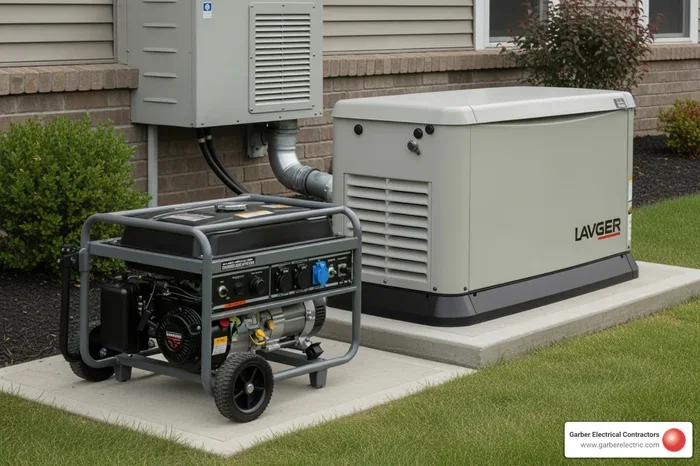
Portable gas generators are the most affordable and widely used option. They typically range from 1,000 to 7,500 watts and can power essential appliances during an outage. You can move them around easily, which makes them great for camping trips and outdoor events too.
These units run on regular gasoline and usually have one or more outlets where you plug in extension cords. Popular brands like Generac and Honda make reliable portable models that many families trust. However, they require manual setup each time you use them, and they are not designed to power your entire house at once.
Standby Gas Generators
Standby gas generators are permanent installations that connect directly to your home’s electrical system. They run on natural gas or propane but gasoline-compatible models exist too. When the power goes out, an automatic transfer switch detects the outage and starts the generator within seconds.
Standby units typically range from 7,000 to 24,000 watts or more. They can power your entire house including HVAC systems, water heaters, and kitchen appliances. The downside is the higher upfront cost, which can range from $3,000 to $15,000 installed. But for homeowners who want seamless backup power, a standby generator is hard to beat.
Inverter Generators
Inverter generators are a newer type of portable unit that produces clean, stable power. They are ideal for sensitive electronics like laptops, phones, and TVs because they regulate voltage more precisely than traditional generators.
Inverter models are also quieter and more fuel-efficient. They adjust engine speed based on the load, which saves gas and reduces noise. If you plan to use your gas generator for home indoors or near living spaces, an inverter model is worth considering.
How to Size a Gas Generator for Your Home
Sizing is one of the most important decisions you will make. A generator that is too small will overload and shut down. One that is too large wastes money and fuel. Here is how to find the right size for your home.
Step 1: List Your Essential Appliances
Start by writing down the appliances you need during a power outage. Common essentials include:
- Refrigerator (700-1,200 watts)
- Lights (50-200 watts per bulb)
- Sump pump (800-1,500 watts)
- Window AC unit (1,000-2,000 watts)
- Television (100-400 watts)
- Phone and laptop chargers (25-100 watts each)
Add up the wattage of all these items. Then add about 20% extra buffer to account for startup surges. This gives you your minimum required wattage.
Step 2: Consider Startup Surge
Many appliances draw more power when they first start up than when they run continuously. Refrigerators and air conditioners are the biggest culprits. A fridge might need 1,200 watts to run but 2,400 watts to start. Always check the surge wattage on the appliance label.
This is why many experts recommend buying a generator with at least 25% more capacity than your calculated need. The extra headroom ensures smooth starts and prevents tripped breakers.
Step 3: Match the Generator to Your Needs
For a small apartment or minimal needs, a 2,000-3,000 watt portable generator works well. A mid-sized home with a few essential circuits needs 5,000-7,500 watts. A full-house backup with HVAC and multiple appliances typically requires 10,000 watts or more.
To learn more about what a specific brand can power, check out this guide on what powers a Generac home generator. It provides helpful wattage examples for common Generac models.
Installing Your Gas Generator Safely
Safety is the most important part of using a gas generator at home. A poorly installed generator can cause carbon monoxide poisoning, electrical fires, or backfeed hazards. Follow these guidelines to keep your family safe.
Placement Rules
Always place your generator outdoors in a well-ventilated area. Never run a gas generator inside a garage, basement, or enclosed space. Carbon monoxide from the engine is odorless and deadly. Position the unit at least 20 feet from your home with the exhaust facing away from windows and doors.
Keep the generator on a dry, level surface. Use a canopy or generator tent if rain is expected, but never operate it under wet conditions. Water and electricity are a dangerous combination.
Using a Transfer Switch
A transfer switch is a device that connects your generator to your home’s electrical panel safely. It prevents backfeed, which can send electricity back through the grid and endanger utility workers. A licensed electrician should install the transfer switch for you.
If you want to learn the basics of connecting a generator to your house, read this article on how to run a generator to your house. It covers the essential steps and safety precautions every homeowner should know.
Carbon Monoxide Safety
Install battery-operated carbon monoxide detectors near sleeping areas and on every floor of your home. Test them monthly and replace batteries twice a year. A CO detector is a small investment that can save lives.
Never refuel a generator while it is running. Wait for the engine to cool completely before adding gasoline. Spilled fuel on a hot engine can ignite and cause serious burns.
Fuel Types and Runtime Considerations
The fuel your generator uses affects everything from runtime to cost and availability. Here is a breakdown of the most common fuel options for home gas generators.
Regular Gasoline
Regular gasoline is the most common fuel for portable generators. It is easy to find and relatively inexpensive. Most home gas generators run on standard 87 octane gasoline, which you can buy at any gas station.
The downside is that gasoline has a short shelf life. Untreated gas degrades within 30 days, which can cause starting problems and engine damage. Always use fuel stabilizer if you plan to store gas for more than two weeks.
Propane
Propane burns cleaner than gasoline and has an indefinite shelf life. Many standby generators offer dual-fuel options that let you switch between propane and gasoline. Propane is stored in tanks, which are safer than gas cans but require a separate supply line.
Propane is a popular choice for homeowners who want longer storage times and cleaner combustion. To learn about propane usage rates for specific generator sizes, check out this guide on how much propane a 20kw generator uses per hour.
Natural Gas
Natural gas is the cleanest-burning fossil fuel and is ideal for standby generators connected to your home’s gas line. It never runs out as long as the gas supply is active. Natural gas generators are more expensive upfront but offer the most convenience for long-term use.
To understand the cost of natural gas models, visit this page on how much a natural gas generator costs. It breaks down pricing and helps you decide if a natural gas unit fits your budget.
Runtime and Fuel Efficiency
Runtime depends on the generator’s fuel tank size and the load you are running. A typical portable generator with a 1-gallon tank can run for 8 to 12 hours at half load. Larger standby units can run for days on a full tank or continuous gas supply.
To get the most runtime out of your gas generator, run it at 50-75% capacity rather than full load. This improves fuel efficiency and reduces engine wear. For more tips on extending fuel life, read about how long you can leave gas in a generator and proper storage practices.
Maintenance Tips for Long-Lasting Performance
A gas generator lasts longer with regular maintenance. Neglecting upkeep is the number one reason generators fail prematurely. Follow these simple steps to keep your unit running strong for years.
Change the Oil Regularly
Most manufacturers recommend changing the oil after the first 20 hours of use and then every 100 hours or once per season. Fresh oil keeps the engine lubricated and prevents overheating. Use the oil type specified in your owner’s manual for best results.
Check the Air Filter
A dirty air filter restricts airflow and reduces engine performance. Inspect the air filter monthly during heavy use and clean or replace it as needed. This is one of the easiest and cheapest maintenance tasks you can do.
Use Fuel Stabilizer
Stale fuel is the enemy of any gas generator. Add fuel stabilizer to your tank if you plan to store the unit for more than a few weeks. Stabilizer prevents the gasoline from breaking down and clogging the carburetor.
For long-term storage, drain the fuel tank entirely or run the engine until it uses up all the treated fuel. This prevents gum and varnish buildup inside the fuel system.
Run the Generator Monthly
Even if you rarely use your generator, run it for 15 to 20 minutes once a month. This keeps the engine lubricated, the battery charged, and prevents fuel system issues. A monthly test run also gives you confidence that the unit will start when you need it most.
Inspect Spark Plugs and Cables
Worn spark plugs cause hard starts and rough running. Check them annually and replace them if they look corroded or fouled. Also inspect the spark plug wires for cracks or damage. Fresh spark plugs improve engine performance and fuel efficiency.
Pros and Cons of Gas Generators for Home
Every type of generator has strengths and weaknesses. Here is a balanced look at what gas generators offer for home use.
Pros
- Affordable upfront cost: Portable gas generators start at around $500, making them the most budget-friendly option.
- Widely available fuel: Gasoline is sold at nearly every gas station and hardware store.
- Easy to use: Most portable models start with the push of a button and require minimal setup.
- Wide selection: Hundreds of models are available at different price points and wattage levels.
- Good for short outages: Gas generators handle brief power disruptions with ease and reliability.
Cons
- Limited runtime: Gasoline tanks are small compared to propane or natural gas, so you need to refuel frequently.
- Fuel storage issues: Gas degrades quickly and requires stabilizer for long-term storage.
- Noise: Traditional gas generators are louder than inverter models or standby systems.
- Emissions: Gas generators produce more exhaust than propane or natural gas alternatives.
- Manual refueling: You must stop the engine and wait for it to cool before adding fuel.
When you compare these trade-offs, gas generators are a solid choice for homeowners who want an affordable, easy-to-use backup power solution. They are not perfect for everyone, but for many families, they hit the right balance of cost, convenience, and reliability.
How Long Can a Gas Generator Run Continuously?
The continuous runtime of a gas generator depends on several factors including tank size, load, and fuel efficiency. Most portable models can run for 8 to 12 hours on a full tank at moderate load. Standby generators connected to a natural gas line can run indefinitely as long as fuel is supplied.
If you want to know more about overall durability, check out this guide on how long a whole house generator lasts. It covers expected lifespans and factors that influence longevity.
To maximize runtime, use your generator at 50-75% capacity, keep the engine well-maintained, and use fresh fuel with stabilizer. These simple practices help your generator run longer and more efficiently every time you need it.
Cost of a Gas Generator for Home
The price of a gas generator varies based on type, size, and brand. Portable models range from $300 to $2,500. Mid-size standby generators cost between $3,000 and $8,000 before installation. Whole-house standby systems can reach $15,000 or more when professionally installed.
Keep in mind that installation costs for standby units can add $1,000 to $5,000 depending on electrical work and local labor rates. Portable generators are much cheaper to set up since you just plug them in.
While the upfront cost of a standby generator may seem high, consider the value of never losing power during a storm. Many homeowners find that the peace of mind alone is worth the investment. Plus, a well-maintained generator adds resale value to your property.
Common Mistakes to Avoid
Even experienced homeowners make mistakes when using gas generators. Here are the most common ones and how to avoid them.
- Skipping the transfer switch: Plugging a generator directly into a wall outlet is dangerous and illegal in many areas. Always use a proper transfer switch.
- Overloading the generator: Running too many appliances at once trips the breaker and can damage the unit. Know your wattage limits before plugging in devices.
- Ignoring fuel freshness: Old gasoline causes starting problems and engine damage. Always use fresh fuel and add stabilizer for storage.
- Running the generator in enclosed spaces: This is the leading cause of carbon monoxide poisoning from generators. Never operate a gas generator indoors or in a closed garage.
- Neglecting maintenance: Skipping oil changes and filter replacements leads to premature engine failure. Stick to the maintenance schedule in your manual.
Final Thoughts
A gas generator for home is a practical and reliable way to keep your family safe and comfortable during power outages. Whether you choose a portable unit for essential circuits or invest in a standby system for whole-house coverage, the key is to size it correctly, install it safely, and maintain it properly.
Take the time to assess your power needs, compare fuel options, and read reviews before making a purchase. A well-chosen generator gives you confidence that you will never be left in the dark. Start planning your backup power setup today, and you will be glad you did the next time the power goes out.
Remember, the best generator is the one that fits your home, your budget, and your lifestyle. Use the tips in this guide to make a smart decision that will serve your family for years to come.
Frequently Asked Questions
What size gas generator do I need for a typical home?
For most homes, a 5,000 to 7,500 watt portable generator handles essential appliances like the fridge, lights, and sump pump. A whole-house standby generator typically needs 10,000 to 24,000 watts depending on your electrical load. Add up the wattage of the appliances you want to run and add a 20% buffer for startup surges.
Can I run a gas generator in my garage?
No, you should never run a gas generator in a garage or any enclosed space. The exhaust contains carbon monoxide, which is odorless and potentially deadly. Always place the generator outdoors at least 20 feet from your home with the exhaust facing away from windows and doors.
How long can you store gas in a generator?
Untreated gasoline degrades within 30 days and can cause starting problems. With fuel stabilizer, gas can last up to 6 to 12 months in the tank. For long-term storage, it is best to drain the fuel or use a fuel stabilizer and run the engine dry before storing the unit.
Is a gas generator or a propane generator better for home use?
Gas generators are cheaper upfront and use widely available fuel. Propane burns cleaner and has an indefinite shelf life. Many homeowners choose dual-fuel models that offer both options. The best choice depends on your budget, storage plans, and how long you need runtime during outages.
How often should I maintain my gas generator?
Change the oil every 100 hours of use or at least once per season. Check the air filter monthly during heavy use and replace it as needed. Run the generator for 15 to 20 minutes monthly to keep the engine lubricated and the battery charged. Inspect spark plugs annually and replace them if worn.
What is the difference between a portable and standby gas generator?
A portable gas generator is a movable unit you set up when needed. It runs on gasoline and powers a few appliances through extension cords. A standby generator is a permanent installation that connects to your home’s electrical panel and fuel supply. It starts automatically during outages and can power your entire house.
=== CONCLUSION ===
A gas generator for home backup is one of the most practical investments you can make for your family’s safety and comfort. From choosing the right size to installing it safely and maintaining it properly, this guide has covered everything you need to know. Take action today by assessing your power needs and exploring the options that fit your home and budget. The next power outage does not have to be a crisis if you are prepared.