Do I Need an Air Compressor Here Are The Signs You Need One
You might need an air compressor if you use pneumatic tools, inflate tires regularly, or run a home workshop. This guide walks you through the top signs, types, and buying tips so you can decide with confidence. Whether you are a DIYer or a professional, knowing the right air compressor for your needs saves time, money, and frustration.
Have you been standing in the hardware store, staring at rows of air compressors, and thinking, do I need an air compressor? It is a fair question. Plenty of homeowners never touch one and live just fine. But if you have a garage workshop, a backyard project, or a fleet of pneumatic tools, the answer might surprise you.
An air compressor is one of those tools that quietly transforms how you work. It powers nail guns, paints walls smoothly, inflates flat tires in seconds, and even runs sandblasters. Once you start using one, it is hard to imagine going back to manual methods. This guide will help you figure out whether you actually need one and, if so, which type fits your life best.
Key Takeaways
- Spot the Signs Early: If you are inflating tires, running nail guns, or spraying paint, an air compressor can dramatically speed up your work.
- Choose the Right Type: Portable compressors suit DIYers, while stationary models handle heavy-duty shop jobs.
- Match CFM and PSI: Your tool requirements dictate the compressor size you need.
- Avoid Common Mistakes: Buying too small or skipping maintenance are the two biggest errors homeowners make.
- Power Matters: If you plan to run your compressor off a generator, check what size whole house generator do I need to handle the load.
- Maintenance Keeps It Running: Regular draining, oil checks, and filter cleaning extend compressor life significantly.
📑 Table of Contents
- What Does an Air Compressor Actually Do?
- Top Signs You Need an Air Compressor
- Types of Air Compressors You Should Consider
- How to Choose the Right Air Compressor for Your Needs
- Common Mistakes People Make When Buying an Air Compressor
- Expert Tips for Getting the Most from Your Air Compressor
- Final Thoughts on Whether You Need an Air Compressor
What Does an Air Compressor Actually Do?
Before we dive into the signs, let us cover the basics. An air compressor draws in surrounding air, compresses it into a smaller volume, and stores it in a tank. When you trigger a tool or inflate a tire, that stored pressurized air does the work for you.
Think of it like a battery, but for air. Instead of electricity, you use compressed air to power devices. The two numbers that matter most are PSI (pounds per square inch) and CFM (cubic feet per minute). PSI measures air pressure, while CFM measures the volume of air delivered. Together, they tell you whether a compressor can handle a specific tool.
Why Compressed Air Is So Useful
Compressed air is clean, consistent, and powerful. Unlike electric tools, pneumatic tools are lighter, last longer, and deliver more torque per pound. This is why mechanics, carpenters, and painters rely on them daily. Even simple tasks like inflating a basketball or cleaning dust off a workbench become faster and easier with a compressor.
Top Signs You Need an Air Compressor
Still wondering if an air compressor belongs in your life? Here are the clearest signs that point to yes. If any of these sound familiar, it is time to start shopping.
You Use Pneumatic Tools Regularly
If your toolbox includes a nail gun, impact wrench, or air drill, you absolutely need an air compressor. These tools run on compressed air and cannot function without a reliable source. Trying to use them without a compressor means no work gets done. Even occasional DIYers who frame walls or build decks will find a compressor indispensable.
You Inflate Tires or Sports Equipment Often
Flat tires happen to everyone. Without a compressor, you are either walking to a gas station or begging a neighbor for a favor. A portable air compressor solves this instantly. You can inflate car tires, bike tires, ATV tires, and even pool floats in minutes from your own driveway. If you own multiple vehicles or outdoor gear, this alone justifies the purchase.
You Paint Projects and Want Professional Results
Paint sprayers need a steady stream of compressed air to deliver a smooth, even coat. If you have ever tried rolling or brushing paint on a large surface, you know how uneven it can look. A paint sprayer powered by an air compressor gives you a factory-quality finish on fences, decks, furniture, and walls. For anyone who tackles home improvement projects, this is a game changer.
You Run a Home Workshop or Garage
A home workshop feels incomplete without an air compressor. It powers a wide range of tools and cleans up messes with a simple blow-off nozzle. Whether you are sanding, grinding, nailing, or drilling, compressed air makes every task faster. If your garage doubles as a workspace, investing in a stationary air compressor is one of the smartest moves you can make.
You Have Seasonal or Outdoor Projects
Leaf blowing, pressure washing, and inflating outdoor furniture all benefit from a compressor. During fall cleanup, an air compressor blows leaves out of gutters and tight spaces far better than a traditional blower. In summer, it inflates pool floats, air mattresses, and outdoor toys in no time. If you tackle seasonal projects, a compressor is a versatile tool that earns its keep year-round.
You Want to Save Time on Every Job
Let us be honest. The biggest reason people buy an air compressor is speed. Tasks that take hours with manual tools take minutes with pneumatic ones. Nailing a deck frame goes from slow and tiring to fast and effortless. Sanding a car body becomes smooth work instead of a workout. If your time matters, an air compressor pays for itself quickly.
Types of Air Compressors You Should Consider
Not all compressors are the same. Different types serve different needs, and choosing the right one makes a huge difference in performance and satisfaction.
Portable Air Compressors
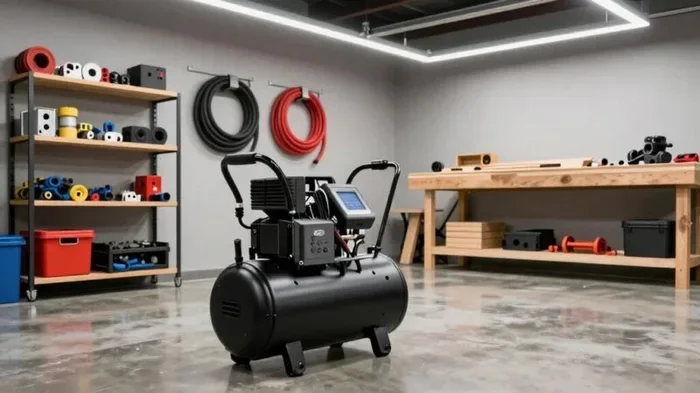
A portable air compressor is compact, lightweight, and easy to move around. Most run on standard household outlets and do not require permanent installation. They are perfect for homeowners who need occasional inflation, light painting, or small nail gun tasks. If you have a small garage or apartment workshop, a portable model is likely all you need.
Stationary Air Compressors
A stationary air compressor stays in one place, usually mounted on a floor or mounted to a wall. These units have larger tanks, higher horsepower ratings, and greater air pressure output. They are built for continuous use in workshops, garages, and professional settings. If you run multiple tools at once or tackle heavy projects, a stationary compressor delivers the power you need.
Oil-Lubricated vs. Oil-Free Compressors
Oil-lubricated compressors run smoother and last longer under heavy use. They require regular oil changes but offer superior durability. Oil-free compressors are maintenance-free and lighter, making them popular for home users. They work well for light to moderate tasks but may not hold up as well under constant use.
| Feature | Portable | Stationary |
|---|---|---|
| Tank Size | Small (1-6 gallons) | Large (20-80+ gallons) |
| Portability | Easy to move | Stays in one place |
| Power Output | Lower PSI and CFM | Higher PSI and CFM |
| Best For | Light tasks, DIYers | Heavy jobs, workshops |
| Price Range | $100 – $400 | $300 – $1,500+ |
How to Choose the Right Air Compressor for Your Needs
Buying the wrong size compressor is the most common mistake. Here is how to make sure you pick the right one from the start.
Check Your Tool Requirements
Every pneumatic tool has a CFM and PSI rating printed on it or in the manual. Add up the CFM requirements of all the tools you plan to use at the same time. Then choose a compressor that delivers at least 1.5 times that total. This buffer ensures the compressor never struggles to keep up. For example, if your nail gun needs 2.5 CFM and your impact wrench needs 4 CFM, aim for a compressor rated at least 10 CFM.
Consider Tank Size
A larger tank holds more compressed air, which means the motor runs less often. If you are doing continuous work like sanding or painting, a bigger tank keeps the airflow steady. For quick tasks like inflating tires or firing a few nails, a smaller tank works just fine. Match the tank size to the length of your typical jobs.
Think About Power Source
Most home compressors run on standard 120-volt outlets. However, if you are running a larger compressor in a detached workshop or job site, you may need a different power setup. In that case, you should check what size whole house generator do I need to support the compressor and your other tools. A generator that is too small will trip breakers or fail to start the compressor motor. Planning ahead saves headaches later.
Match the Compressor to Your Space
Do you have a crowded garage or a spacious shop? A portable compressor fits in tight spaces and stores easily. A stationary unit takes up room but delivers far more power. Measure your available space before you buy, and make sure you have clearance for ventilation and maintenance access.
Common Mistakes People Make When Buying an Air Compressor
Even experienced shoppers fall into traps when buying a compressor. Here are the mistakes to avoid.
Buying the Cheapest Model
A $99 compressor from a big-box store might seem like a deal. But cheap models often have small tanks, weak motors, and poor build quality. They struggle with anything beyond basic tire inflation. Spending a little more upfront on a reliable unit saves you from replacing it within a year. Look for a compressor with solid reviews and a warranty that gives you peace of mind.
Ignoring CFM Ratings
PSI gets all the attention, but CFM is just as important. A compressor with high PSI but low CFM will stall out the moment you connect a demanding tool. Always check the CFM rating first, then verify the PSI meets your tool requirements. This simple step prevents disappointment on the job site.
Skipping Maintenance
An air compressor that is not maintained wears out fast. Drain the tank after every use to prevent moisture buildup. Check the oil level regularly on lubricated models. Replace intake filters when they get dirty. A little care goes a long way in extending the life of your compressor and keeping it running smoothly.
Overlooking Noise Levels
Compressors can be loud, especially older models. If you live in a neighborhood or share a garage with neighbors, noise matters. Look for compressors rated at 70 decibels or lower for quieter operation. Oil-free models tend to run quieter than oil-lubricated ones, which is another reason they appeal to home users.
Expert Tips for Getting the Most from Your Air Compressor
Once you have your compressor, a few simple habits will keep it performing at its best for years.
- Always drain the tank after each use. Moisture collects inside and can cause rust or damage the regulator.
- Check hoses for leaks regularly. Even a small leak wastes air and forces the motor to work harder.
- Keep the intake vent clean. Dust and debris block airflow, causing the motor to overheat.
- Store the compressor in a dry place. Humidity and extreme temperatures shorten the lifespan of internal parts.
- Follow the oil schedule for lubricated models. Fresh oil keeps the motor running smooth and cool.
- Use the right hose diameter for your tools. A hose that is too narrow restricts airflow and reduces performance.
If you are running your compressor in a detached shop or outdoor workspace, you may wonder about your power options. It is worth checking how many watt generator do i need to reliably run your compressor alongside other tools. Having the right generator ensures you never have to stop mid-project because of a power shortage.
Final Thoughts on Whether You Need an Air Compressor
So, do I need an air compressor? If you use pneumatic tools, inflate tires, paint projects, or run a home workshop, the answer is almost certainly yes. An air compressor makes work faster, cleaner, and more enjoyable. It is one of those tools that quickly proves its value every single time you use it.
Start by identifying your needs. Think about the tools you already own and the projects you plan to tackle. Choose a compressor that matches your CFM and PSI requirements, fits your space, and falls within your budget. A little research upfront prevents frustration later and ensures you get a machine that truly serves you well for years to come.
Whether you grab a compact portable model for simple tasks or invest in a heavy-duty stationary unit for your workshop, the right air compressor changes the way you work. It is not just a tool, it is a productivity boost that earns its place in every garage and workshop.
Frequently Asked Questions
Can I run an air compressor on a regular household outlet?
Yes, most portable and small stationary compressors run on a standard 120-volt outlet. However, larger compressors may require a 240-volt circuit. Check the motor specifications before you plug it in to avoid tripping a breaker.
How often should I drain my air compressor tank?
You should drain the tank after every use. Moisture from the compressed air collects at the bottom of the tank and can cause rust or damage the regulator over time. A quick drain takes only a few seconds and adds years to your compressor’s life.
What is the difference between CFM and PSI?
CFM stands for cubic feet per minute and measures the volume of air the compressor delivers. PSI stands for pounds per square inch and measures the pressure of that air. Both numbers matter when matching a compressor to your tools.
Is an oil-free compressor good enough for home use?
Absolutely. Oil-free compressors are low-maintenance and work great for light to moderate home tasks like inflating tires, powering nail guns, and light painting. They are ideal for homeowners who want a hassle-free experience without oil changes.
How loud is an air compressor?
Noise levels vary widely. Some models run around 60 decibels, as quiet as a normal conversation, while older or heavy-duty models can exceed 80 decibels. Look for compressors rated below 75 decibels if noise is a concern in your workspace.
Can I use an air compressor for woodworking projects?
Yes, air compressors are excellent for woodworking. They power nail guns, sanders, lathes, and dust collection systems. A compressor with at least 4 to 5 CFM handles most woodworking tools comfortably and makes every project faster and cleaner.
=== CONCLUSION ===
The answer to do I need an air compressor depends on what you do with your hands and your time. If you inflate tires, use pneumatic tools, paint surfaces, or run a home workshop, an air compressor is one of the most useful investments you can make. It saves time, delivers professional results, and makes every project smoother.
Start by matching the compressor to your tool requirements and available space. Choose the right type, size, and power source for your lifestyle. Avoid the common mistakes that trip up first-time buyers, and commit to simple maintenance habits that keep your machine running strong.
Whether you are a weekend DIYer or a serious workshop enthusiast, the right air compressor transforms the way you work. Take the time to find the perfect fit, and you will wonder how you ever got by without one.