Compressor Replacement Signs You Really Need A New System
Your compressor is the heart of your cooling system. When it starts failing, your comfort and energy bills take a hit. This guide covers the compressor replacement signs you should never ignore, plus honest advice on repair versus replacement and costs.
Your air conditioning system works hard every summer to keep your home cool and comfortable. But what happens when the air conditioning compressor starts to fail? You might notice warm air coming from your vents, strange sounds from the outdoor unit, or a sudden spike in your energy bills. These are all compressor replacement signs that deserve your attention.
Understanding when your HVAC system needs a new compressor can save you from costly surprises. It also helps you avoid sitting in a sweltering house during the hottest days of the year. In this guide, we will walk you through every major sign of compressor trouble. We will also cover repair versus replacement decisions, costs, and tips to keep your system running smoothly.
Whether you have a central air system or a heat pump, the compressor plays the same critical role. It pressurizes and circulates refrigerant through your cooling system. Without a healthy compressor, your entire AC unit cannot cool your home. Let us dive into the signs that tell you it might be time for a change.
Key Takeaways
- Strange noises and warm air are red flags: These are the most common compressor replacement signs that homeowners notice first.
- Repair isn’t always the answer: Sometimes a compressor repair costs almost as much as a full replacement, making a new system the smarter choice.
- Age matters a lot: Systems over 10-15 years old often benefit more from replacement than repeated repairs.
- Rising energy bills signal trouble: A failing compressor motor works harder, driving up your monthly costs.
- Regular maintenance helps prevent failure: Simple habits like cleaning coils and checking refrigerant levels can add years to your compressor lifespan.
- Call a pro when unsure: DIY diagnostics have limits. A qualified HVAC technician can give you an accurate assessment.
📑 Table of Contents
- What Does A Compressor Do In Your HVAC System?
- Top Compressor Replacement Signs You Should Never Ignore
- Compressor Repair vs Replacement: Which Is the Smarter Choice?
- How Much Does Compressor Replacement Cost?
- How To Extend Your Compressor Lifespan
- When To Call A Professional For Compressor Help
- Conclusion
What Does A Compressor Do In Your HVAC System?
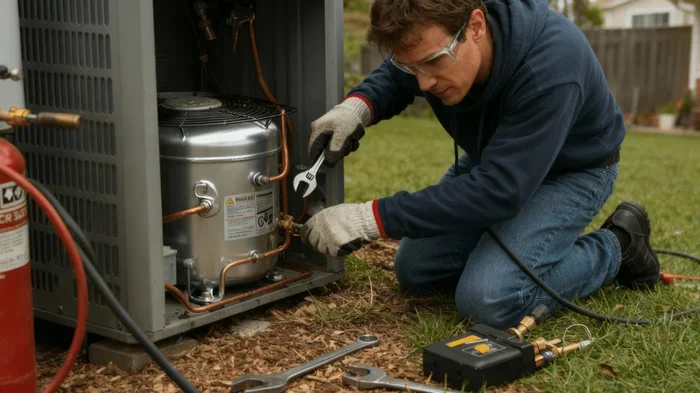
The compressor is often called the heart of your air conditioning system. It sits in the outdoor unit, also known as the condenser unit. Its job is to compress refrigerant gas and push it through the system. This process allows heat to move from inside your home to the outside air.
Without the compressor, refrigerant cannot flow. Without refrigerant flow, your home cannot cool down. Think of it like a pump in a water system. If the pump stops working, no water moves. The same idea applies to your HVAC compressor and refrigerant.
A healthy compressor should run quietly and steadily. It cycles on and off as needed to maintain your set temperature. When something goes wrong, the compressor tries to compensate. That extra effort leads to wear, higher energy use, and eventually failure. Knowing how your compressor normally behaves helps you spot problems early.
Top Compressor Replacement Signs You Should Never Ignore
Your system will usually give you warning signs before a compressor failure happens. Catching these clues early can help you act before the whole system shuts down. Here are the most common compressor replacement signs that every homeowner should know.
Warm Air Coming From Your Vents
This is the most obvious and frustrating sign. You set your thermostat to a cool temperature, but warm air blows from the vents instead. A failing compressor cannot properly pressurize the refrigerant. Without enough pressure, the system loses its ability to absorb heat from your indoor air.
Before you panic, make sure your air filter is clean. A dirty filter can restrict airflow and cause similar symptoms. Also check that your thermostat is set correctly. If those things look fine and you still feel warm air, your compressor might be the culprit.
Strange Noises From the Outdoor Unit
A working compressor makes a steady humming sound. But loud grinding, squealing, or banging noises are not normal. These sounds often mean internal parts are wearing out or breaking. A grinding noise might signal a failing compressor motor. Clanking sounds could mean loose components inside the unit.
Do not ignore unusual noises. They rarely fix themselves. The longer you wait, the more damage can occur. A small issue today can turn into a full compressor replacement tomorrow.
Frequent On-and-Off Cycling
Your system should cycle on and off a few times per hour. If it turns on and off constantly, this is called short cycling. Short cycling puts enormous stress on the compressor. It also wastes energy and reduces the overall lifespan of your cooling system.
Several things can cause short cycling. A low refrigerant level, a dirty condenser coil, or a failing compressor can all trigger it. If you notice this pattern, have a technician check your system soon.
Rising Energy Bills Without a Clear Reason
A healthy HVAC system uses a predictable amount of energy. If your electricity bill climbs for no obvious reason, your compressor might be working too hard. A failing compressor draws more power to do the same job. This inefficiency shows up directly on your monthly bill.
Compare your current bills to the same months last year. If you see a steady increase over several months, do not ignore it. An overworked compressor will eventually break down completely if you do not address the problem.
Ice Buildup on the Outdoor Unit
Ice forming on your condenser unit is a serious warning sign. It usually means refrigerant is leaking or airflow is blocked. When refrigerant levels drop, the compressor struggles to maintain proper pressure. This causes the evaporator coil to freeze, and ice can spread to the outdoor unit.
Never try to chip ice off your unit yourself. Turn the system off and let it thaw. Then call a professional to inspect the refrigerant line and compressor. Ice buildup is your system screaming for help.
Your System Is Over 10 Years Old
The average lifespan of a compressor is about 10 to 15 years. If your system is older and showing any of the signs above, replacement might be the best option. Older compressors are less efficient and more prone to breaking down. Newer units use less energy and come with better warranty coverage.
Consider the age of your entire system, not just the compressor. If your condenser unit is also aging, replacing both together often makes more sense. A matched system performs better and lasts longer than mixing old and new parts.
Compressor Repair vs Replacement: Which Is the Smarter Choice?
When your compressor starts acting up, the big question is whether to repair or replace. This decision affects your wallet, your comfort, and your home’s energy efficiency for years to come. Let us break down the factors that help you choose wisely.
When Repair Makes Sense
Minor issues like a faulty compressor clutch, a clogged filter, or a small refrigerant leak are often repairable. If your system is less than 10 years old and the repair cost is reasonable, fixing the problem can extend its life significantly. A good rule of thumb is the 50% rule. If the repair costs less than half the price of a new system, repair is usually the better option.
When Replacement Is the Better Move
If your compressor has completely seized or suffered internal damage, replacement might be your only option. Also, if your system is over 12 years old and needs a major repair, consider the cost of replacement. New systems are far more efficient than older models. You could save 20% to 40% on cooling costs with a modern, high-efficiency unit.
Another reason to replace is frequent breakdowns. If you are calling for repairs every few months, the costs add up quickly. A new system gives you reliability and peace of mind. It also comes with a manufacturer warranty that covers parts and labor for several years.
How Much Does Compressor Replacement Cost?
The compressor replacement cost varies widely depending on your system size, brand, and local labor rates. Understanding the price range helps you budget and make informed decisions. Here is a general breakdown of what to expect.
- Compressor-only replacement: Typically costs between $1,300 and $2,500. This includes the part and professional installation labor.
- Full system replacement: Ranges from $4,000 to $12,000 or more, depending on the size and efficiency of the new unit.
- Additional costs: Refrigerant recharge, electrical repairs, or ductwork modifications can add $200 to $1,500 to the total bill.
The compressor replacement cost for a central air system tends to fall in the middle of these ranges. Heat pump systems may cost a bit more because the compressor works year-round. Always get at least two detailed quotes from licensed HVAC contractors before committing to any work.
Keep in mind that some warranties cover compressor replacement at no cost. Check your warranty documents or contact the manufacturer. If your system is still under warranty, you could save thousands of dollars.
How To Extend Your Compressor Lifespan
The good news is that you can take steps to keep your compressor healthy for longer. Preventive maintenance is the best investment you can make in your HVAC system. Small habits add up to big savings over time.
Schedule Annual Professional Tune-Ups
A yearly maintenance visit keeps your system running at peak performance. A technician will check refrigerant levels, clean coils, inspect electrical connections, and test the compressor. These routine check-ups catch small problems before they become expensive repairs.
Keep the Outdoor Unit Clean
Your condenser unit needs clear airflow to work properly. Remove leaves, dirt, and debris from around the unit regularly. Trim bushes and plants so they stay at least two feet away. A clean unit runs cooler and puts less strain on the compressor.
Change Your Air Filters Regularly
A clogged air filter restricts airflow through your system. This forces the compressor to work harder than it should. Replace your filter every one to three months during heavy use seasons. It is a simple task that protects your compressor and improves indoor air quality.
Watch for Refrigerant Leaks
Low refrigerant is one of the biggest threats to your compressor. When refrigerant drops, the compressor runs hot and wears out faster. If you notice any signs of a leak, such as ice buildup or reduced cooling, call a technician right away. Prompt repairs protect both your compressor and your refrigerant line.
Use a Programmable Thermostat
A programmable thermostat reduces unnecessary strain on your compressor. Set it to raise the temperature when you are away from home. This gives the compressor a break and lowers your energy use. Many modern thermostats learn your schedule and adjust automatically for maximum efficiency.
When To Call A Professional For Compressor Help
Some compressor issues are clear, while others are tricky to diagnose. Knowing when to call a professional saves you time, money, and frustration. Here are situations where expert help is essential.
If your system blows warm air for more than a day, do not wait. The longer you run a failing compressor, the more damage it sustains. A professional can assess the compressor motor and determine whether repair or replacement is the right path.
Also call a pro if you notice burning smells or see smoke from your outdoor unit. These are emergency signs that require immediate attention. Turn off the system at the thermostat and at the circuit breaker until a technician arrives.
Finally, trust your instincts. If something feels off with your system, even if you cannot pinpoint the problem, get it checked. Experienced technicians use diagnostic tools to find issues that homeowners cannot see. A quick inspection now can prevent a major breakdown later.
Conclusion
Compressor replacement is a significant investment, but sometimes it is the only way to restore comfort and efficiency to your home. The compressor replacement signs we covered in this article warm air from vents, strange noises, short cycling, rising energy bills, ice buildup, and system age are all clues you should take seriously. Ignoring them leads to higher costs and uncomfortable days.
Use the repair versus replacement guidelines to make a confident decision. When in doubt, consult a trusted HVAC professional. They can evaluate your system and give you honest recommendations. With proper maintenance and timely action, you can keep your cooling system running strong for years to come. Stay proactive, and your compressor and your wallet will thank you.
Frequently Asked Questions
How long does a compressor replacement take?
A typical compressor replacement takes between four and eight hours for a professional technician. If the entire system needs replacement, the process may take one to two full days. The timeline depends on the complexity of the installation and any additional repairs needed.
Can I drive my car with a failing AC compressor?
Yes, you can still drive your vehicle if the AC compressor fails. It does not affect your engine’s ability to run. However, you will lose air conditioning, which can be uncomfortable in hot weather. It is best to address the issue soon to prevent further damage to the serpentine belt or other components.
Is compressor replacement covered by warranty?
Many new HVAC systems come with a compressor warranty that lasts 10 years or more. Some premium units offer lifetime compressor coverage. Check your warranty documentation or contact the manufacturer to confirm what is included. Regular maintenance is often required to keep the warranty valid.
What causes a compressor to fail prematurely?
Common causes include low refrigerant levels, dirty coils, electrical problems, and lack of maintenance. Moisture inside the system can also corrode compressor parts over time. Running the system with a clogged filter or blocked airflow puts extra strain on the compressor motor.
How can I tell if my compressor is short cycling?
Short cycling means your system turns on and off rapidly, often in intervals of less than 10 minutes. You might notice the outdoor unit clicking on and off frequently. This behavior wastes energy and stresses the compressor. A professional diagnosis can identify the root cause and recommend the right fix.
Should I replace the compressor or the whole system?
If your system is over 10 years old and the compressor fails, replacing the whole system is often more cost-effective. New systems are significantly more efficient and come with better warranties. A professional can help you compare the long-term costs of repair versus full replacement.