The Ultimate Guide to Finding the Best Generator Today
Finding the best generator starts with understanding your power needs, fuel preferences, and budget. This guide walks you through every type, brand, and feature so you can make a confident choice. Whether you need a portable unit or a whole house system, we have you covered with expert tips and honest recommendations.
Power outages can hit without warning. Storms, grid failures, and equipment malfunctions all have the power to leave your home dark and uncomfortable. When the lights go out, having the best generator makes all the difference between stress and steady comfort.
A generator is more than just a backup machine. It is a lifeline for your home, your appliances, and your peace of mind. Whether you live in an area prone to hurricanes, or you simply want to be prepared for the unexpected, choosing the right generator matters. This guide breaks down everything you need to know in plain, simple terms.
We will cover every major type of generator, explain how to size one correctly, compare fuel options, and highlight trusted brands. By the end, you will feel confident making the right choice for your home and budget. Let us dive in.
Key Takeaways
- Know your wattage needs: Calculate total appliance wattage before buying to avoid undersized or oversized units.
- Fuel type matters: Propane, diesel, gasoline, and natural gas each offer different runtime, cost, and storage trade-offs.
- Inverter generators are quieter: They produce clean power safe for sensitive electronics like laptops and phones.
- Whole house generators cost more upfront: But they provide automatic backup power during outages without manual setup.
- Maintenance extends lifespan: Regular oil changes, filter replacements, and load testing keep any generator running for years.
- Safety comes first: Always install generators outdoors with proper ventilation and carbon monoxide detectors.
- Brand reputation counts: Trusted brands like Generac, Honda, and Champion offer better warranties and support networks.
📑 Table of Contents
Why You Need the Best Generator for Your Home
Understanding Power Outages and Backup Needs
Power outages are more common than most people think. According to utility reports, the average American home experiences several brief outages per year. Some regions face extended blackouts during severe weather seasons. Without a backup generator, spoiled food, frozen pipes, and dead devices become real problems.
A backup generator keeps your essential systems running. Heating and cooling, refrigeration, medical devices, internet routers, and lighting all depend on steady electricity. A good portable generator can handle basic needs, while a larger unit powers your entire house.
The key is matching the generator to your actual needs. A unit that is too small will overload. A unit that is too large wastes money. Finding the best generator means striking the right balance between power output, fuel efficiency, and cost.
How Generators Protect Your Home and Family
Beyond convenience, generators protect what matters most. Here are real situations where a backup unit saves the day:
- Medical equipment: Oxygen concentrators and CPAP machines need continuous power. A generator keeps these life-support devices running during outages.
- Food safety: A refrigerator stays cold for about four hours when unopened. A generator extends that window indefinitely, preventing food waste.
- Home security: Alarms, cameras, and smart doorbells rely on electricity. Without power, your home becomes vulnerable.
- Comfort and health: In extreme heat or cold, losing climate control can be dangerous, especially for children and elderly family members.
- Work and connectivity: Remote workers need internet and computer power. A generator keeps your productivity intact during blackouts.
When you invest in the best generator, you invest in resilience. You choose confidence over worry every time the grid goes down.
Types of Generators Explained
Not all generators are the same. Each type serves different purposes, and understanding the differences helps you pick the right one. Let us look at the main categories available today.
Portable Generators
A portable generator is the most affordable and flexible option. You can move it wherever you need power, whether that is your backyard, a camping trip, or a job site. These units typically run on gasoline or propane and range from 1,000 to 10,000 watts.
Portable generators work well for essentials during an outage. They can power a refrigerator, a few lights, a phone charger, and a fan. However, they require manual setup and refueling. You also need extension cords to connect appliances.
One important thing to know: how long can you leave gas in a generator? Gasoline degrades within three to six months. If you store fuel for emergencies, use a stabilizer and rotate it regularly. This keeps your portable unit ready when you need it most.
Whole House Generators
A whole house generator is a permanent installation connected directly to your home’s electrical system. These units kick on automatically within seconds of a power loss. You do not need to set anything up or run extension cords.
Whole house generators typically run on natural gas or propane. They range from 7,000 to 20,000+ watts and can power everything in your home, including central air conditioning and electric stoves.
The cost is higher than portable options, but the convenience and protection are unmatched. If you want the best generator for long-term home backup, a whole house system is hard to beat. To learn more about fuel consumption, check our detailed breakdown of how much propane a 20kw generator uses per hour.
Inverter Generators
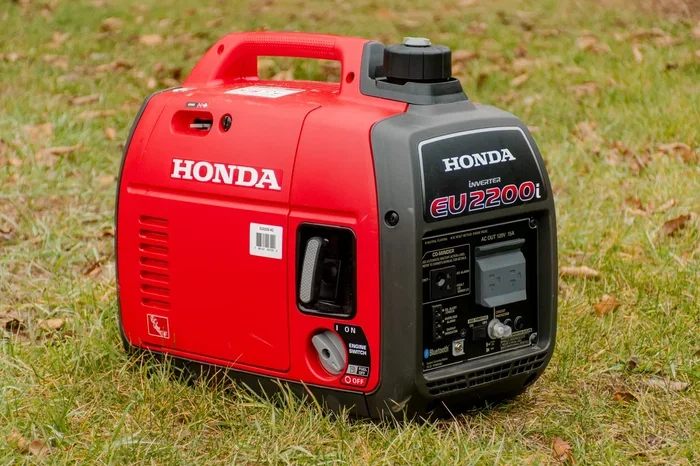
An inverter generator produces cleaner, more stable power than conventional units. They use advanced electronics to convert AC power to DC and back to AC, resulting in a smooth sine wave.
This clean power is safe for sensitive electronics like laptops, smartphones, and televisions. Conventional generators can produce power fluctuations that damage these devices over time.
Inverter generators are also significantly quieter. They adjust engine speed based on load, so they run softly at low demand. If noise is a concern in your neighborhood, an inverter model is a smart choice.
Diesel and Propane Generators
Diesel generators are known for durability and fuel efficiency. They are common in commercial settings but also work well for large homes. Diesel fuel has a long shelf life, making it reliable for emergency storage.
Propane generators offer clean burning and indefinite fuel storage. Unlike gasoline, propane does not degrade over time. This makes propane a popular choice for standby backup systems. If you are comparing fuel types, our article on propane consumption for generators provides detailed hourly usage data.
How to Choose the Best Generator for Your Needs
Choosing the best generator comes down to a few key decisions. Let us walk through each one so you can shop with confidence.
Calculate Your Power Needs
Before buying any generator, add up the wattage of the devices you want to run. Every appliance has a label or manual that lists its wattage. Here is a simple breakdown of common household items:
- Refrigerator: 600-800 watts (startup surge up to 1,200W)
- Window air conditioner: 1,000-1,500 watts
- Electric furnace: 5,000-7,500 watts
- Microwave: 600-1,200 watts
- Lights (per bulb): 40-100 watts
- Phone/laptop chargers: 50-100 watts each
- Well pump: 1,000-2,000 watts
Add your essential loads together and choose a generator with at least 20% extra capacity. This buffer prevents overload and extends the unit’s lifespan. For a precise calculation of what size generator you need to run specific appliances like furnaces and refrigerators, see our guide on what size generator to run furnace and refrigerator.
Consider Fuel Type and Runtime
Fuel choice affects runtime, cost, and maintenance. Here is a quick comparison:
- Gasoline: Widely available, affordable upfront, but degrades over time. Best for portable units used frequently.
- Propane: Clean burning, unlimited shelf life, and commonly used for whole house systems. Great for long-term storage.
- Natural Gas: Unlimited supply through your utility line. No fuel storage needed. Ideal for permanent standby generators.
- Diesel: Highly efficient and long-lasting. Best for heavy-duty and commercial applications.
Runtime varies by load and fuel tank size. Most portable generators run 8 to 12 hours on a full tank at 50% load. Whole house units can run continuously for days with a proper fuel supply. Always check the runtime rating before purchasing.
Think About Noise Level
Nobody wants a generator that sounds like a jet engine in their backyard. Noise is measured in decibels (dB). Conventional generators typically produce 70-90 dB, which is as loud as a vacuum cleaner. Inverter generators run much quieter, often around 50-65 dB, similar to a normal conversation.
If you live in a neighborhood with noise ordinances, an inverter or a low-decibel standby unit is the way to go. Check local regulations before purchasing to avoid fines or complaints from neighbors.
Budget and Value
Generator prices vary widely. Portable units start around $300 and can reach $2,000 for high-wattage models. Whole house generators range from $2,000 to $15,000 or more, depending on capacity and brand.
The best generator is not always the most expensive one. It is the one that meets your power needs, fits your budget, and offers reliable performance. Look for models with solid warranties and good customer reviews. For current pricing on trusted brands, our Generac generator cost guide provides helpful market insights.
Top Generator Brands Worth Considering
When shopping for the best generator, brand reputation matters. Trusted brands invest in quality control, customer support, and long-term reliability. Here are the top names to consider:
- Generac: A leader in home standby generators. Known for automatic startup, quiet operation, and strong warranties. Their portable and whole house lines both earn high marks.
- Honda: Famous for reliable inverter generators. Honda units are built to last and produce exceptionally clean power. They carry a premium price but deliver outstanding value over time.
- Champion: A budget-friendly option with surprisingly good performance. Champion offers portable and dual-fuel models that appeal to cost-conscious buyers.
- Westinghouse: A solid mid-range brand with a wide product lineup. Westinghouse generators are dependable and widely available at major retailers.
- Kohler: A premium whole house brand. Kohler standby generators are built for heavy-duty residential use and come with comprehensive warranty coverage.
- DuroMax: An affordable option for portable and dual-fuel generators. DuroMax offers good wattage at competitive prices.
Each brand has its strengths. Your choice depends on your budget, power needs, and how long you want the unit to last. Reading real user reviews before buying always helps you avoid surprises.
Generator Installation and Safety Tips
Proper installation is critical for safety and performance. A incorrectly installed generator can cause carbon monoxide poisoning, electrical fires, or property damage. Follow these guidelines to stay safe.
How to Run a Generator Safely to Your House
Never operate a generator indoors or in an enclosed space like a garage. Carbon monoxide is odorless and deadly. Always place the unit outside, at least 20 feet from windows, doors, and vents.
For portable units, use heavy-duty extension cords rated for outdoor use. Never plug a generator directly into a wall outlet, a practice known as “backfeeding.” Backfeeding can electrocute utility workers and damage your electrical system.
If you want a permanent solution, consider a transfer switch installation. A licensed electrician can connect your generator to your home’s panel safely. Learn more about the process in our guide on how to run a generator to your house.
Common Generator Mistakes to Avoid
Even experienced users make mistakes. Here are the most common ones to watch out for:
- Undersizing the unit: Running too many appliances on a small generator causes overload and can damage both the generator and your devices.
- Neglecting fuel maintenance: Old fuel clogs carburetors and prevents startup. Always use fresh fuel or add a stabilizer for stored gasoline.
- Skipping oil changes: Generators need regular oil changes just like car engines. Check the oil level before every use and change it per the manufacturer’s schedule.
- Ignoring load management: Start with essential loads first and add devices gradually. Sudden high-wattage demands can trip the generator’s breaker.
- Forgetting carbon monoxide detectors: Install battery-operated CO detectors near sleeping areas whenever you use a generator.
Generator Maintenance for Longevity
A well-maintained generator lasts much longer and performs better when you need it most. Here is a simple maintenance checklist:
- Check and change the oil every 50-100 hours of use.
- Replace the air filter regularly, especially in dusty environments.
- Inspect spark plugs annually and replace if worn.
- Run the generator under load for at least 15 minutes monthly to keep components lubricated.
- Store fuel properly in approved containers away from heat sources.
- Cover the unit when not in use to protect it from dust and moisture.
With proper care, a quality whole house generator can last 20-30 years or more. Portable units typically last 10-15 years with regular maintenance. To learn more about expected lifespan, check our article on how long a whole house generator lasts.
Quick Tips for Finding the Best Generator
Here are some fast, actionable tips to keep in mind as you shop:
- Match the wattage to your needs: Do not guess. Add up your essential loads and add a 20% buffer.
- Choose dual-fuel models for flexibility: Dual-fuel generators let you switch between gasoline and propane, giving you more options during emergencies.
- Look for electric start: Manual pull-starting gets old fast. Electric start models offer convenience, especially for older users.
- Check the warranty: A longer warranty signals manufacturer confidence. Aim for at least a 3-year warranty on portable units and 5+ years on standby generators.
- Read real reviews: Manufacturer websites show only positive feedback. Check independent review sites and user forums for honest opinions.
- Consider fuel availability in your area: If propane is cheaper or more available than gasoline in your region, a propane-ready model makes sense.
- Think about future needs: If you plan to add a hot tub, workshop, or additional appliances, choose a generator with extra capacity now.
Final Thoughts: Making the Right Choice
Finding the best generator does not have to be overwhelming. Start by understanding your power needs, then choose the right type, fuel, and size for your situation. Whether you pick a portable unit for basic backup or invest in a whole house standby system, the goal is the same: keeping your home running when the power goes out.
Take your time comparing models, reading reviews, and calculating costs. The best generator for you is the one that fits your budget, meets your wattage requirements, and comes from a trusted brand with solid support. Do not wait for the next outage to realize you need a better plan.
Make the smart choice today. Your future self will thank you when the lights stay on while everyone else is left in the dark.
Frequently Asked Questions
What size generator do I need for a typical home?
Most homes need between 5,000 and 7,500 watts for essential circuits like the refrigerator, lights, and furnace fan. If you want to power your entire house including central air, look for a 10,000- to 20,000-watt unit. Always add a 20% buffer to your total wattage calculation to prevent overloading.
Is a portable generator or a whole house generator better?
It depends on your needs. A portable generator is affordable and flexible but requires manual setup and extension cords. A whole house generator costs more but starts automatically and powers everything in your home. For the best generator experience in terms of convenience, a whole house standby unit is hard to beat.
How long can a generator run continuously?
Portable generators typically run 8 to 12 hours on a full tank at 50% load. Whole house standby generators can run continuously for days as long as they have a fuel supply, such as a natural gas line or a large propane tank. Always check the manufacturer’s runtime specifications before purchasing.
What is the safest fuel to store for a generator?
Propane and diesel are the safest options for long-term fuel storage. Propane does not degrade over time, and diesel has a shelf life of 12 to 24 months. Gasoline degrades within three to six months and requires fuel stabilizer for safe storage. Always store fuel in approved containers in a cool, ventilated area.
Can I install a generator myself?
Portable generators do not require professional installation, but you must follow all safety guidelines for placement and cord management. Whole house standby generators require professional installation by a licensed electrician to ensure proper wiring, transfer switch setup, and code compliance. Hiring a professional protects your safety and your warranty.
How often should I maintain my generator?
Perform a quick oil and filter check every 50 hours of use. Change the oil and inspect spark plugs annually. Run the unit under load for at least 15 minutes once a month to keep internal components lubricated and ready for emergency use. Regular maintenance dramatically extends the life of any generator.