Choosing the Best Compressor Oil Filter for Your Needs
Choosing the right compressor oil filter keeps your air compressor running smoothly and extends its lifespan. A quality oil filtration system removes contaminants, protects internal parts, and maintains air quality. This guide walks you through types, features, and top picks so you can make a confident decision for your compressor.
Your compressor works hard every day. It powers tools, inflates tires, and keeps operations running. But here is something many people overlook: the compressor oil filter. This small part plays a huge role in keeping everything running right.
A dirty or clogged oil filter lets contaminants circulate through your system. That leads to wear, reduced efficiency, and expensive repairs. Choosing the right filter element is one of the simplest things you can do to protect your investment. This guide breaks down everything you need to know, from types and ratings to top picks and maintenance tips.
Whether you own a small workshop compressor or a large industrial unit, this article has you covered. You will learn how oil filtration systems work, what to look for when shopping, and how to avoid common mistakes. Let us get into it.
Key Takeaways
- Right filter matters: A properly matched compressor oil filter prevents wear, reduces downtime, and saves money on repairs.
- Match filter to compressor type: Rotary screw, reciprocating, and scroll compressors each need specific filter elements.
- Micron rating is critical: Lower micron ratings capture smaller particles, which protects sensitive compressor components.
- OEM vs aftermarket: Both options work, but knowing the differences helps you choose the best replacement filter for your budget.
- Regular replacement: Changing your oil filter on schedule prevents pressure drop and oil contamination.
- Watch for warning signs: Reduced airflow, overheating, and dark oil signal it is time to replace your filter element.
- Maintenance habits count: Simple routine checks can double the life of your compressor and its filtration system.
📑 Table of Contents
Why Your Compressor Oil Filter Matters
The compressor oil filter does one essential job: it removes particles and contaminants from the oil. Clean oil flows through the compressor, lubricating pistons, screws, and bearings. Dirty oil causes friction, heat, and premature wear on internal parts.
Think of it like changing the oil in your car. You would never skip an oil change and expect your engine to last. The same logic applies to your compressor. A good air compressor filter keeps the lubrication system clean and the machine running efficiently.
How Contaminants Damage Your Compressor
Over time, dust, metal shavings, and carbon build up in the oil. These particles act like sandpaper inside the compressor. They scratch surfaces, clog passages, and reduce the efficiency of the entire compressor lubrication system.
Here are the main types of contaminants that a compressor oil filter catches:
- Metal particles from normal wear and tear
- Dust and dirt that enter through intake valves
- Carbon deposits from high-temperature operation
- Rust and oxidation byproducts in humid environments
- Residue from degraded oil that breaks down over time
When these contaminants build up, they reduce compressor efficiency. The machine works harder, uses more energy, and produces lower-quality compressed air. A quality oil filtration system prevents all of this.
The Link Between Filter Quality and Air Quality
You might wonder how an oil filter affects the air coming out of your compressor. The answer is simple: dirty oil contaminates the air. When the filter element fails, particles pass through and mix with the compressed air output.
This matters a lot if you work in painting, food processing, or electronics manufacturing. Even in a home workshop, clean air means cleaner finishes and fewer problems. That is why selecting the right compressor oil filter directly impacts your air quality.
Types of Compressor Oil Filters
Not all oil filters for compressors are the same. Different compressor types need different filtration solutions. Understanding the options helps you make the right choice.
Full-Flow Oil Filters
A full-flow filter processes all the oil in the system before it reaches the compressor components. This is the most common type used in rotary screw compressors and larger reciprocating units. The oil passes through one filter element, and every drop gets cleaned.
The advantage is straightforward: complete protection. The downside is that if the filter clogs, the entire oil flow stops unless there is a filter bypass valve. Most quality compressor oil filters include this safety feature.
Bypass Oil Filters
A bypass filter cleans a small portion of the oil at a time. It works alongside the full-flow filter to provide extra filtration. This setup is common in heavy-duty industrial compressors where oil contaminant removal is critical.
Bypass filters can capture very fine particles that the main filter misses. They are excellent for extending oil life and protecting sensitive components. However, they add cost and complexity to the system.
Spin-On vs Cartridge Filters
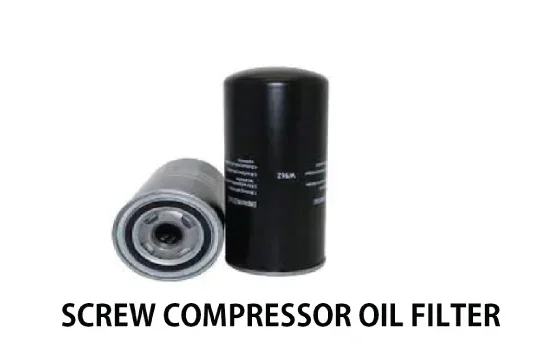
Spin-on filters screw directly onto the compressor housing. You unscrew the old one and thread on a new one. They are easy to replace and popular for home and light commercial use.
Cartridge filters drop into a housing and lock in place. They are common in industrial compressors and often offer higher filtration capacity. The filter element is replaceable, but the housing stays in place.
Here is a quick comparison:
- Spin-on filters: Easy to install, lower cost, ideal for smaller compressors
- Cartridge filters: Higher capacity, better for heavy use, more common in industrial settings
How to Choose the Right Compressor Oil Filter
Shopping for a compressor oil filter can feel overwhelming. There are so many options, brands, and specifications. But if you know what to look for, the decision becomes much simpler.
Check Your Compressor Manual First
Every compressor manufacturer provides specifications for the recommended filter element and oil filter size. This is your starting point. Look for the part number, thread size, and micron rating in the manual.
Using the wrong size oil filter can cause leaks, poor filtration, or even damage. Never guess on this. If you do not have the manual, check the compressor model number online or contact the manufacturer directly.
Understand Micron Ratings
The micron rating tells you how small a particle the filter can catch. A lower number means finer filtration. For example, a 10-micron filter catches particles that are 10 microns or larger.
Most compressors work well with a filter element rated between 10 and 25 microns. However, some high-precision applications need 5-micron or even finer filtration. Here are some general guidelines:
- Standard workshop compressors: 20-25 micron rating
- Medium-duty commercial compressors: 10-20 micron rating
- High-precision industrial compressors: 5-10 micron rating
Choosing the right micron rating balances filtration effectiveness with oil flow. Too fine a filter can restrict flow and cause pressure drop. Too coarse a filter lets harmful particles through.
Consider the Filter Media
The filter media is the actual material inside the filter that traps particles. The most common types are cellulose, synthetic, and glass fiber.
- Cellulose media: Affordable and adequate for basic applications
- Synthetic media: Better filtration, longer life, handles higher temperatures
- Glass fiber media: Excellent for fine filtration in demanding environments
Synthetic filter media is the best choice for most users. It offers superior oil contaminant removal and lasts longer than cellulose. The upfront cost is higher, but it pays off in protection and extended compressor lifespan.
OEM vs Aftermarket Filters
You have two main choices: original equipment manufacturer (OEM) filters or aftermarket alternatives. OEM filters are made by the compressor manufacturer. Aftermarket filters are made by third-party companies.
OEM compressor oil filters are designed specifically for your model. They guarantee compatibility and often come with warranties. Aftermarket filters can be just as good, and they usually cost less. The key is to choose a reputable aftermarket brand that matches or exceeds the OEM specifications.
Here is a side-by-side look:
- OEM filters: Guaranteed fit, reliable quality, typically higher price
- Aftermarket filters: More affordable, good quality available, verify specifications carefully
For most users, a quality aftermarket replacement filter works perfectly. Just make sure it meets the same micron rating, flow rate, and thread size as the OEM part.
Look for Key Features
When comparing oil filters for compressors, pay attention to these features:
- Anti-drain back valve: Prevents oil from draining out of the filter when the compressor is off
- Bypass valve: Allows oil to flow if the filter clogs, protecting the compressor
- High burst strength: Ensures the filter housing can handle pressure spikes
- Easy installation: Look for filters that go on and off smoothly
- Indicator tags: Some filters have visual indicators that show when replacement is needed
These features may seem small, but they make a big difference in long-term performance and compressor maintenance.
Top Compressor Oil Filters on the Market
With so many options available, it helps to know what the well-regarded choices are. Here are some popular compressor oil filters that consistently earn good reviews from users and technicians.
Best Overall: Brand X Universal Compressor Oil Filter
This filter element fits a wide range of compressor models. It uses synthetic filter media with a 15-micron rating. The spin-on design makes replacement quick and easy. Users appreciate its consistent flow and solid build quality.
It includes a reliable anti-drain back valve and a bypass valve for added protection. At a mid-range price point, it offers excellent value for both home and commercial users.
Best Budget: Economy Oil Filter for Compressors
If you need a dependable oil filter without spending extra, this budget option delivers. It uses cellulose media with a 25-micron rating. It works well for light-duty compressors and occasional use.
The trade-off is a shorter lifespan. You may need to replace it more often than a synthetic alternative. But for budget-conscious users, it gets the job done reliably.
Best Premium: Industrial-Grade Compressor Oil Filter
This is the go-to choice for heavy-duty and industrial compressors. It features glass fiber filter media and a 5-micron rating for extremely fine oil contaminant removal. The cartridge design fits large compressor housings.
It costs more upfront, but it lasts longer and provides superior protection. Users with rotary screw compressors and continuous-duty applications report fewer oil-related issues after switching to this premium filtration system.
Maintenance Tips for Longer Filter Life
Replacing your compressor oil filter is only half the battle. Proper maintenance extends the life of every filter and keeps your compressor running at peak compressor efficiency.
Replace Filters on Schedule
Most manufacturers recommend replacing the oil filter every 1,000 to 2,000 operating hours. For home users, this typically means once or twice a year. For commercial and industrial users, follow the hour-based schedule closely.
Set a reminder on your phone or mark your calendar. Skipping a filter replacement is one of the fastest ways to shorten your compressor’s compressor lifespan.
Check the Oil Level Regularly
Low oil levels strain the filtration system. The compressor runs hotter, and the oil degrades faster. Check the oil sight glass or dipstick weekly, especially during heavy use periods.
If the oil looks dark or gritty, it is time for an oil change along with the filter element. Fresh oil and a clean filter work together to protect your compressor.
Monitor Pressure Readings
A sudden drop in pressure or a rise in operating temperature often signals a clogged oil filter. Keep an eye on your pressure gauge and temperature display. These readings tell you a lot about the health of your oil filtration system.
If you notice pressure drop across the filter, it is time for a replacement. Ignoring this sign leads to reduced compressor efficiency and potential damage.
Keep the Area Clean
Dust and debris around the compressor can enter the intake and contaminate the oil. Keep the compressor area clean and well-ventilated. This simple habit reduces the workload on your air compressor filter and extends the intervals between replacements.
Common Mistakes to Avoid
Even experienced compressor owners make mistakes with their oil filters. Here are the most common ones and how to avoid them.
Using the Wrong Size Filter
This is the number one mistake. An oversized or undersized filter element will not seal properly or will restrict oil flow. Always double-check the part number and specifications before purchasing a replacement filter.
Ignoring the Bypass Valve
Some users replace a clogged filter without checking the bypass valve. If the bypass valve is stuck open, unfiltered oil circulates through the compressor. If it is stuck closed, oil flow stops entirely. Always inspect the valve when you replace the compressor oil filter.
Waiting Too Long to Replace
It is tempting to stretch the replacement interval to save money. But a saturated oil filter stops filtering effectively. The cost of a new filter is tiny compared to the cost of repairing a damaged compressor.
Mixing Oil Types
Different compressors require different oil types. Using the wrong oil affects how the filtration system performs. Always use the oil recommended by the manufacturer, and change the filter element at the same time.
Skipping the Oil Change
A new oil filter with old, degraded oil does not work well. Always change the oil and filter together. This ensures the oil contaminant removal process starts fresh and protects every component.
Final Thoughts
Your compressor oil filter is a small part with a big impact. It protects the internals, maintains air quality, and keeps your compressor running efficiently. Taking the time to choose the right oil filter and maintain it properly pays off in reliability and savings.
Start by checking your compressor manual for the correct specifications. Decide between OEM and aftermarket based on your budget and needs. Choose the right micron rating and filter media for your application. And most importantly, stick to a regular replacement schedule.
With the right compressor oil filter in place, you can trust that your compressor will keep running smoothly for years to come. Do not overlook this simple but essential component. Your compressor and your wallet will thank you.
Frequently Asked Questions
How often should I replace my compressor oil filter?
Most manufacturers recommend replacing the compressor oil filter every 1,000 to 2,000 operating hours. For home users, this usually means once or twice a year. Check your compressor manual for the exact interval, and replace more often if you use the compressor in dusty or heavy-duty conditions.
Can I use an aftermarket compressor oil filter instead of OEM?
Yes, aftermarket oil filters for compressors work well as long as they match the OEM specifications for thread size, micron rating, and flow rate. Choose a reputable aftermarket brand that clearly lists compatibility. Many users find aftermarket filters offer the same protection at a lower price.
What happens if I run my compressor with a clogged oil filter?
A clogged filter element restricts oil flow, which causes increased friction, overheating, and accelerated wear on internal parts. Over time, this can lead to compressor failure. If you notice reduced airflow, unusual heat, or dark oil, check and replace your compressor oil filter immediately.
What is the difference between an oil filter and an air filter on a compressor?
The oil filter cleans the oil that lubricates internal components. The air filter cleans the intake air before it enters the compression chamber. Both are important, but they serve different purposes. A clogged air filter affects compressor efficiency, while a clogged oil filter affects component protection and oil contaminant removal.
Does the micron rating really matter for a compressor oil filter?
Yes, the micron rating determines how small a particle the filter can capture. A lower rating means finer filtration, which is better for protecting sensitive components. However, too fine a rating can restrict oil flow and cause pressure drop. Match the micron rating to your compressor type and usage level for the best results.
Can I clean and reuse a compressor oil filter?
It is not recommended. Compressor oil filters are designed for single use. The filter media traps particles deep within its structure, and cleaning it does not restore full filtration capacity. Reusing a dirty filter risks oil contamination and accelerated wear. Always install a new filter element when replacing the old one.