Best Propane Inverter Generator for Clean Reliable Power
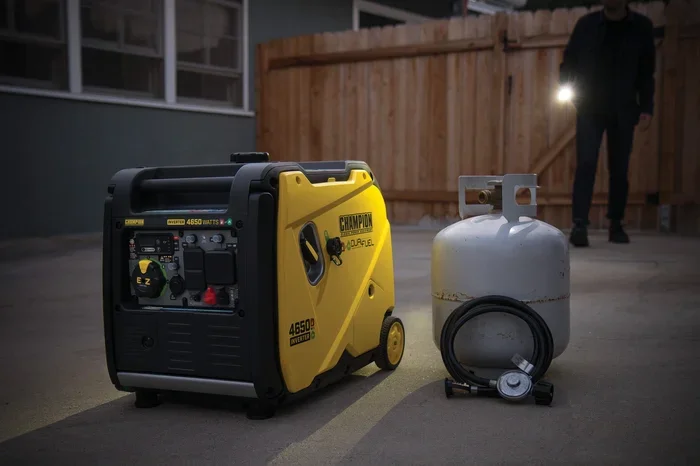
The best propane inverter generator delivers clean, stable power for your home, RV, or camping trips. Propane fuel offers longer shelf life, lower emissions, and better fuel efficiency than gasoline. This guide covers top models, buying tips, and maintenance advice to help you choose the right propane inverter generator for your needs.
A propane inverter generator is one of the smartest choices for anyone who needs reliable, clean power. Whether you are prepping for a storm, heading out on a camping trip, or just want a backup power source for your home, these generators deliver steady energy without the noise and fumes of traditional models. In this guide, we will walk you through everything you need to know about picking the best unit for your situation.
Why are so many people switching to propane? The answer is simple. Propane burns cleaner, lasts longer in storage, and produces less carbon monoxide than gasoline. Plus, a good propane inverter generator runs surprisingly quiet, which makes it perfect for tailgating, RV trips, or powering tools at a job site. We will break down how these machines work, what to look for when shopping, and which models stand out from the crowd.
Key Takeaways
- Clean Power Output: Propane inverter generators produce stable, clean energy safe for sensitive electronics like laptops and phones.
- Fuel Efficiency: Propane burns cleaner and lasts longer than gasoline, saving you money over time.
- Quiet Operation: Most propane inverter generators run at 50-65 decibels, making them ideal for camping and residential use.
- Easy Storage: Propane has an indefinite shelf life, so you can store fuel safely for emergencies.
- Dual Fuel Options: Many models let you switch between propane and gasoline for flexibility.
- Low Maintenance: Propane burns cleaner than gas, reducing engine buildup and extending generator life.
- Right Sizing Matters: Matching your generator wattage to your power needs prevents overload and wasted fuel.
📑 Table of Contents
- What Is a Propane Inverter Generator?
- Benefits of Using a Propane Inverter Generator
- How to Choose the Right Propane Inverter Generator
- Top Propane Inverter Generators to Consider
- Propane vs Gasoline Generators: Which Is Better?
- Maintenance Tips for Your Propane Inverter Generator
- Common Mistakes to Avoid
- Quick Tips for Getting the Most Out of Your Propane Inverter Generator
- Final Thoughts
What Is a Propane Inverter Generator?
A propane inverter generator uses an engine powered by propane gas to produce electricity. But here is the key difference from a regular generator. It converts raw AC power into DC power, then inverts it back into clean, stable AC power. This process smooths out the electrical output, making it safe for delicate devices like smartphones, laptops, and medical equipment.
Traditional generators produce what is called “dirty” power. The voltage fluctuates, which can damage sensitive electronics over time. An inverter generator solves this problem by producing a consistent, steady flow of electricity. When you add propane to the mix, you get a fuel source that is cleaner burning and more environmentally friendly than gasoline or diesel.
The inverter technology also allows the engine to adjust its speed based on the load. If you are running a few lights and a phone charger, the engine slows down. This means less fuel consumption and lower noise levels. It is a win-win for your wallet and your ears.
How Does the Inverter Process Work?
The process happens in three simple steps. First, the engine spins an alternator to create high-frequency AC power. Second, a rectifier converts that AC power into DC power. Third, an inverter module changes the DC power back into smooth, clean AC power. The result is electricity that is just as stable as what comes from your wall outlet at home.
Because the engine can throttle up and down, propane inverter generators use less fuel overall. You will get more runtime per gallon compared to a conventional generator running at full speed all the time. This makes them an excellent choice for extended power outages or long camping weekends.
Benefits of Using a Propane Inverter Generator
There are many reasons to choose a propane inverter generator over other types of generators. Let us look at the biggest advantages that make these units so popular.
Cleaner Burning Fuel
Propane is one of the cleanest-burning fossil fuels available. It produces significantly fewer greenhouse gases and particulate emissions than gasoline or diesel. This means your generator has a smaller environmental footprint. It also means less buildup inside the engine, which leads to fewer maintenance problems over time.
For those concerned about air quality, propane is a smart choice. It does not contain the same volatile compounds found in gasoline that contribute to smog and air pollution. If you live in an area with strict emission regulations, a propane unit may be your best option.
Longer Fuel Storage Life
One of the biggest headaches with gasoline is that it goes bad. Gasoline typically degrades within three to six months, especially if it is not treated with a stabilizer. Propane, on the other hand, has an indefinite shelf life. You can store propane tanks for years, and the fuel will still work perfectly when you need it.
This makes propane generators ideal for emergency preparedness. You can fill up tanks and store them without worrying about the fuel going stale. When a storm hits or the power goes out, you just connect the tank and go. There is no need to drain old fuel or add stabilizers.
Quieter Operation
Noise is one of the biggest complaints about generators. A conventional generator can run at 70 to 80 decibels, which is about as loud as a vacuum cleaner. Most propane inverter generators run between 50 and 65 decibels, which is closer to a normal conversation. This makes them much more pleasant to use in residential areas or while camping.
The inverter technology plays a big role in keeping noise levels low. Because the engine adjusts its speed to match the load, it does not need to run at full throttle all the time. At partial load, the engine slows down significantly, which cuts both fuel use and noise. You can run a propane inverter generator overnight without disturbing your neighbors or your sleep.
Safe for Sensitive Electronics
The clean power output from an inverter generator is what sets it apart. Sensitive electronics like computers, televisions, and GPS devices need stable voltage to operate correctly. Dirty power from a conventional generator can cause overheating, data loss, or even permanent damage to your devices.
A propane inverter generator provides power that is just as clean as what you get from your home’s electrical outlets. This makes it safe to run anything from a laptop to a medical device like a CPAP machine. You do not need to worry about voltage spikes or frequency fluctuations damaging your equipment.
How to Choose the Right Propane Inverter Generator
Not all propane inverter generators are created equal. Choosing the right one depends on several factors. Here is what you need to consider before making a purchase.
Determine Your Power Needs
Start by making a list of everything you want to power. Add up the wattage of each device. Most appliances have a label that shows their starting and running wattage. For example, a refrigerator might need 1200 watts to start but only 800 watts to run. A propane inverter generator should be able to handle both the starting surge and the continuous load.
For basic needs like charging phones, running a laptop, and powering a few lights, a 2000 to 3000 watt unit works great. If you need to run a refrigerator, furnace blower, and several other appliances during an outage, look for a unit in the 4000 to 7000 watt range. If you are wondering about running larger appliances like a furnace and refrigerator together, check out this guide on what size generator to run furnace and refrigerator for more details.
Consider Fuel Flexibility
Many modern propane inverter generators are dual fuel, meaning they can run on both propane and gasoline. This gives you flexibility. You can use propane for storage and clean burning, but switch to gasoline if you run out of propane or need a quick fill-up.
Dual fuel models are especially useful for people who already have a propane tank at home for their grill or heating system. You can use the same fuel source for your generator, which simplifies your setup. Just make sure the model you choose has a reliable fuel switching mechanism and does not leak when changing between fuels.
Look at Runtime and Fuel Efficiency
Runtime tells you how long the generator can run on a single tank of fuel at a given load. A good propane inverter generator should run for at least 8 to 10 hours at 25% load on a standard 20-pound propane tank. At 50% load, expect around 6 to 8 hours. These numbers vary by model, so check the manufacturer’s specs before buying.
Fuel efficiency matters because propane tanks can be heavy and expensive to refill. A more efficient generator means fewer refills and lower fuel costs over time. Look for models with an eco-mode or low-idle feature that automatically reduces fuel consumption when the load is light.
Check the Noise Level
If you plan to use your generator in a residential area or while camping, noise level is critical. Look for units rated at 60 decibels or below. Some premium models run as low as 50 decibels, which is about as loud as a quiet refrigerator. For comparison, a normal conversation is around 60 decibels, and a lawnmower is around 90 decibels.
Many generators list their noise level at a specific load percentage, usually 25% or 50%. A unit that is quiet at half load might be louder at full load. Check reviews and independent tests if noise is a major concern for you.
Portability and Weight
Propane inverter generators come in a wide range of sizes. Smaller units weigh as little as 40 pounds and can be carried with a built-in handle. Larger units can weigh over 100 pounds and may need wheels for transport. Think about where and how you will use the generator. If you need to move it frequently, go for a lighter model with sturdy wheels.
For RV owners, a compact 2000 to 3000 watt unit is usually plenty of power. These are lightweight, easy to store, and can run for hours on a standard propane tank. For home backup, a larger unit with a longer runtime makes more sense, even if it is less portable.
Top Propane Inverter Generators to Consider
While we cannot review every model on the market, here are some well-known options that consistently get great reviews. Each of these units offers a strong balance of power, efficiency, and reliability.
Portable Dual Fuel Models (2000-3000W)
These smaller units are perfect for camping, tailgating, and powering essential devices during a short outage. They are lightweight, easy to move, and simple to operate. Many come with electric start, USB charging ports, and parallel capability so you can link two units for more power.
Look for models from reputable brands that offer at least a two-year warranty. Customer reviews often reveal real-world reliability issues that spec sheets do not show. Pay attention to feedback about ease of starting, fuel consumption, and overall durability.
Mid-Size Home Backup Models (4000-7000W)
For home backup power, a mid-size propane inverter generator can keep your essential circuits running during an outage. These units can handle a refrigerator, sump pump, lights, and a few electronics all at once. They are still portable enough to move around, but they offer significantly more power than smaller models.
If you want to understand what a home generator can power and how to set it up safely, check out our guide on what powers a generac home generator for practical advice on connecting a generator to your home.
Whole-House Backup Models (7000W+)
The largest propane inverter generators can power nearly an entire home during an outage. These units are typically stationary or mounted on heavy frames with wheels. They require professional installation for standby models, but portable versions can be set up by a handy homeowner.
If you are considering a whole-house setup, it helps to understand how long your generator can last and what maintenance it needs. Learn more about generator longevity in our article on how long does a whole house generator last.
Propane vs Gasoline Generators: Which Is Better?
The debate between propane and gasoline generators comes down to your specific needs. Both fuel types have pros and cons. Let us break them down side by side.
Fuel Availability
Gasoline is available at almost every gas station, which makes refueling quick and easy. Propane is sold at hardware stores, gas stations, and propane suppliers. In a widespread emergency, gasoline supply lines can be disrupted, but propane is often still available through local distribution networks.
Engine Life and Maintenance
Propane burns cleaner than gasoline, which means less carbon buildup in the engine. This translates to longer engine life and fewer maintenance visits. Gasoline engines tend to require more frequent oil changes and carburetor cleaning because of the residue left behind by burning gasoline.
That said, propane engines may need slightly more frequent valve adjustments because of its higher burning temperature. Overall, the maintenance difference is small, and most users find propane easier to manage in the long run.
Cost Comparison
Propane is generally cheaper than gasoline on a per-BTU basis, especially if you buy in bulk. A 20-pound propane tank costs less to fill than a comparable amount of gasoline. Over time, the fuel savings can add up significantly, especially if you use your generator frequently.
However, propane generators sometimes cost a bit more upfront than gasoline-only models. The dual fuel options tend to be the most expensive, but they also offer the most versatility. Think of the higher upfront cost as an investment in long-term savings and convenience.
Environmental Impact
Propane wins this category hands down. It produces up to 30% less carbon dioxide than gasoline and virtually no particulate matter. If reducing your environmental impact matters to you, a propane inverter generator is the clear choice.
Gasoline generators release more harmful pollutants, including carbon monoxide, nitrogen oxides, and volatile organic compounds. For indoor or enclosed-space use, propane is the safer option. Always use your generator outdoors or in a well-ventilated area regardless of fuel type.
Maintenance Tips for Your Propane Inverter Generator
Keeping your generator in good shape ensures it starts when you need it most. Follow these simple maintenance tips to extend the life of your unit.
Regular Oil Changes
Change the oil after the first 20 hours of use, then every 100 hours or at least once per season. Use the oil type recommended by the manufacturer. Fresh oil keeps the engine running smoothly and prevents premature wear.
Inspect the Propane Connections
Check the propane hose, fittings, and regulator for leaks or cracks before each use. A simple soapy water test can reveal leaks. Mix a small amount of dish soap with water, brush it onto the connections, and look for bubbles. If you see bubbles forming, tighten the connection or replace the damaged part.
Always store propane tanks upright and in a well-ventilated area. Never store a full tank near a heat source or in direct sunlight for extended periods.
Clean or Replace the Air Filter
A dirty air filter restricts airflow to the engine, which reduces performance and fuel efficiency. Check the air filter every 25 hours of use and clean or replace it as needed. In dusty environments, you may need to check it more frequently.
Run the Generator Regularly
Even if you do not need power for weeks or months, run your generator for 15 to 20 minutes every month. This keeps the engine lubricated, prevents fuel system issues, and ensures it starts when you need it. Letting a generator sit unused for long periods can cause fuel to gum up and battery charge to drain.
Store Properly
When storing your generator for an extended period, drain the fuel tank and carburetor, or use a fuel stabilizer. Store the unit in a dry, cool place. Cover it with a generator cover to protect it from dust and moisture.
If you are wondering how long a generator can last with proper care, the answer is impressive. Many propane inverter generators last 10 to 20 years or more with regular maintenance. For more information on generator lifespan, check out our article on how long does a whole house generator last.
Common Mistakes to Avoid
Even experienced generator users make mistakes. Here are some common errors to watch out for.
- Undersizing the generator. Running too many appliances on a small unit causes overload, which can damage both the generator and your devices. Always calculate your total wattage needs before buying.
- Running the generator indoors. Carbon monoxide is a silent killer. Never operate a generator inside a home, garage, or tent, even with doors or windows open.
- Ignoring the oil level. Running a generator with low oil can destroy the engine. Check the oil before every use.
- Overloading extension cords. Use cords rated for the amperage your generator produces. Undersized cords can overheat and cause fires.
- Neglecting fuel storage. Even though propane lasts indefinitely, the regulator and hose can degrade over time. Inspect all fuel system components regularly.
Quick Tips for Getting the Most Out of Your Propane Inverter Generator
- Keep a spare propane tank on hand so you can swap out an empty tank quickly.
- Use a fuel pressure gauge to ensure the propane regulator is delivering the correct pressure.
- Purchase a generator cover or storage bag to protect the unit from the elements.
- Invest in a parallel kit if you need more power. Many inverter generators can be linked together to double your output.
- Label all your cables and connections so you can set up the generator quickly in an emergency.
- Keep a log of maintenance tasks like oil changes, filter replacements, and runtime hours to stay on top of upkeep.
Final Thoughts
A propane inverter generator is a smart investment for anyone who values clean, reliable, and quiet power. Whether you need a portable unit for weekend camping or a larger model for home backup, propane offers clear advantages over gasoline in terms of fuel storage, emissions, and engine longevity. By choosing the right size, maintaining your unit properly, and avoiding common mistakes, you will enjoy dependable power for years to come.
Take the time to assess your power needs, compare models, and read real user reviews before making a decision. The right propane inverter generator will give you peace of mind knowing that you have a reliable power source whenever you need it. Start your search today, and you will be glad you did when the next outage or outdoor adventure comes along.
Frequently Asked Questions
What is a propane inverter generator used for?
A propane inverter generator provides clean, stable power for homes, RVs, camping trips, and job sites. It is safe for sensitive electronics like laptops and phones, and it runs quieter than conventional generators.
How long can a propane inverter generator run on a full tank?
Most propane inverter generators run 8 to 12 hours on a 20-pound tank at 25% load. At higher loads, runtime decreases. Check the manufacturer’s specifications for exact numbers.
Is propane better than gasoline for generators?
Propane burns cleaner, has a longer shelf life, and produces less engine buildup than gasoline. It is also quieter and more environmentally friendly. However, gasoline is easier to find at gas stations for quick refueling.
Can I use a propane inverter generator indoors?
No. You should never run any generator indoors or in enclosed spaces. Propane combustion produces carbon monoxide, which is dangerous and potentially fatal. Always use your generator outdoors in a well-ventilated area.
How often should I maintain my propane inverter generator?
Change the oil every 100 hours of use or at least once per season. Check the air filter every 25 hours, inspect propane connections before each use, and run the generator for 15 to 20 minutes monthly if not in regular use.
What size propane inverter generator do I need for my home?
For essential circuits like a refrigerator, furnace, and lights, a 4000 to 7000 watt unit works well. For a full home, you may need 7000 watts or more. Add up the wattage of everything you want to power and choose a generator that exceeds that total by at least 20%.