How to Tell If Your Refrigerator Compressor Is Running
Knowing how to tell if refrigerator compressor is running can save you from spoiled food and costly repairs. You can listen for humming sounds, feel for vibrations, and check the condenser coils to confirm your compressor is working properly. This guide walks you through every easy method to test your compressor and spot early warning signs before a big breakdown happens.
Your refrigerator works hard every single day to keep your food fresh and safe. But what happens when it starts acting weird? You might hear strange sounds, notice warm spots inside, or see ice building up in odd places. All of these clues can point to one key component: the compressor. Learning how to tell if refrigerator compressor is running is one of the smartest things you can do as a homeowner. It helps you catch problems early, save money on repairs, and avoid food waste.
The compressor is the heart of your cooling system. It pumps refrigerant through the coils and keeps the entire fridge at the right temperature. When it stops working, everything falls apart fast. In this article, we will show you several easy ways to check if your compressor is running. We will also cover what to do when it is not. Let us dive right in.
Key Takeaways
- Listen for a steady hum: A running compressor makes a low, consistent humming sound near the back of your fridge.
- Feel for vibrations: Place your hand on the fridge to detect the gentle vibration of an active compressor.
- Check the condenser coils: Warm coils often mean the compressor is actively running and doing its job.
- Use the paper test: A simple paper strip held near the condenser fan can confirm airflow from a running compressor.
- Watch for warning signs: Clicking, rattling, or silence from the compressor area means something is wrong.
- Know when to call a pro: If basic checks fail, a licensed technician can safely diagnose deeper compressor issues.
📑 Table of Contents
- What Does a Refrigerator Compressor Do?
- Signs Your Refrigerator Compressor Is Running
- Signs Your Refrigerator Compressor Is NOT Running
- How to Test If Your Compressor Is Running
- Common Reasons a Compressor Stops Running
- How to Protect Your Compressor During Power Outages
- When to Call a Professional
- How to Prevent Compressor Problems in the Future
- Key Takeaways
What Does a Refrigerator Compressor Do?
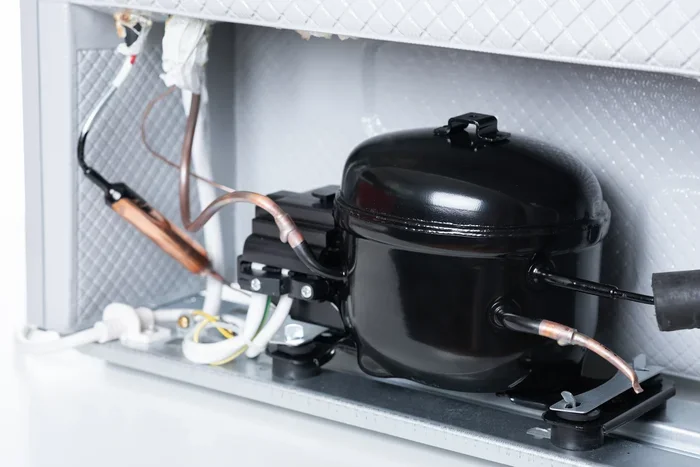
Before you learn how to tell if refrigerator compressor is running, it helps to understand what it actually does. Think of the compressor as the engine of your fridge. It takes low-pressure gas from the evaporator and squeezes it into high-pressure gas. This process creates heat, which then moves through the condenser coils and releases outside the fridge.
Here is a simple breakdown of how the whole system works:
- Compressor: Pressurizes the refrigerant gas and pumps it through the system.
- Condenser Coils: Release heat from the compressed gas to the outside air.
- Expansion Valve: Reduces pressure and lets the refrigerant cool down.
- Evaporator Coils: Absorb heat from inside the fridge to keep it cold.
Without a working compressor, none of this happens. Your fridge would warm up, and your food would spoil. That is why knowing the signs of a running compressor matters so much.
Signs Your Refrigerator Compressor Is Running
So how do you know for sure that your compressor is active? There are several clear signs you can check without any special tools. Most of these methods take less than a minute and require nothing more than your ears and hands.
1. Listen for a Steady Humming Sound
The most obvious sign of a running compressor is a low, steady hum. When you walk up to your fridge, you should hear a gentle buzzing or humming noise coming from the back or bottom. This sound means the compressor motor is engaged and doing its job.
If the hum is loud and constant, that is usually a good sign. The compressor is working hard to maintain the set temperature. However, if the hum sounds different from usual — louder, higher-pitched, or irregular — that could signal a problem.
2. Feel for Vibrations
Place your hand gently on the side or back of your refrigerator. A running compressor creates a subtle vibration. You should feel a slight buzzing or trembling sensation. This is completely normal and shows that the compressor is actively pumping refrigerant.
If you feel nothing at all, the compressor may not be running. If you feel excessive shaking or rattling, something inside the compressor might be loose or damaged. Trust your hands — they are powerful diagnostic tools.
3. Check the Condenser Coils
The condenser coils are usually located at the back or underneath your fridge. When the compressor is running, these coils will feel warm or even hot to the touch. That warmth is the heat being released from the refrigerant as it moves through the system.
Use a rag or the back of your hand to carefully check the temperature of the coils. If they are warm, your compressor is likely running. If they are cold, the compressor may not be working, or the fridge might not be calling for cooling.
4. Watch the Condenser Fan
Many refrigerators have a small fan near the condenser coils. When the compressor runs, this fan spins to help release heat. Open the back panel or lower grille and look for the fan. If it is spinning, there is a strong chance the compressor is also running.
Not all fridges have this fan, but most modern ones do. If you see the fan spinning, take that as a positive sign. If the fan is still, the compressor might not be active either.
Signs Your Refrigerator Compressor Is NOT Running
Sometimes the opposite is true — you need to know when the compressor has stopped working. Catching this early can prevent a small issue from turning into a big, expensive repair.
1. Silence Where There Should Be Sound
If your fridge is completely silent and you know it should be cooling, that is a red flag. A fridge that is running should always make some noise. Total silence from the compressor area usually means the compressor has stopped or never started.
Sometimes the fridge cycles off temporarily. But if it stays silent for a long time and the interior is warming up, the compressor is likely not running.
2. Warm Food and Rising Temperatures
The easiest way to confirm a compressor issue is to check the temperature inside your fridge. Place a thermometer in the fridge and wait a few hours. If the temperature rises above 40 degrees Fahrenheit, the compressor is probably not doing its job.
Spoiled milk, wilted vegetables, or thawing ice cream are all signs that the cooling system has failed. Do not ignore these warnings. They often point directly to a compressor that has stopped running.
3. Clicking Sounds Without the Hum
A single click followed by silence is a common sign of a compressor that tries to start but fails. The start relay sends a signal, the compressor attempts to kick on, but then it shuts back down. You might hear this clicking every few minutes as the fridge tries and fails to start the compressor.
This pattern is frustrating but very common. It often points to a faulty start relay, a bad capacitor, or a compressor that has seized up internally.
How to Test If Your Compressor Is Running
If the signs above are not clear enough, you can perform a few simple tests to confirm whether your compressor is running. These methods give you more concrete answers and help you decide what to do next.
The Paper Test
This is one of the simplest tests you can do. Take a thin strip of paper or a tissue and hold it near the condenser fan or the back vent of the fridge. If the compressor is running, you will feel airflow from the fan pushing the paper away.
No movement? The fan is not spinning, which likely means the compressor is not running either. This test takes just a few seconds and requires no tools at all.
The Touch Test
As mentioned earlier, feeling the compressor and the condenser coils can tell you a lot. A running compressor will feel slightly warm or hot. The rubber feet at the bottom of the fridge might also vibrate slightly.
Be careful not to touch any electrical components directly. Use the back of your hand and keep your fingers away from exposed wires or metal parts that could be live.
The Multimeter Test
For a more precise check, you can use a multimeter to test the compressor windings. First, unplug the fridge. Then locate the compressor terminals on the back. Set your multimeter to measure resistance (ohms) and test between the terminals.
A reading of zero or very low resistance means the windings are intact. An open line (infinite resistance) means the compressor motor is burned out. This test requires some basic electrical knowledge, so be careful or call a professional if you are unsure.
Quick Tips for Testing
- Always unplug the fridge before opening any panels or touching internal components.
- Wait at least five minutes after unplugging before testing to let capacitors discharge.
- Take photos before removing panels so you can reassemble everything correctly.
- Keep a flashlight handy to see into tight spaces behind the fridge.
- Never bypass safety switches or overload protectors on the compressor.
Common Reasons a Compressor Stops Running
If you have confirmed that your compressor is not running, you probably want to know why. Several common issues can cause a compressor to stop working. Understanding these causes helps you decide whether to fix it yourself or call in a pro.
1. Faulty Start Relay
The start relay gives the compressor motor the initial boost it needs to kick on. When this relay fails, the compressor tries to start but cannot. You will often hear clicking sounds as the relay attempts and fails to engage the motor.
Replacing a start relay is one of the cheaper and easier repairs. You can find the relay at most appliance parts stores or online. Make sure to match the model number of your fridge before ordering a replacement.
2. Overheating Compressor
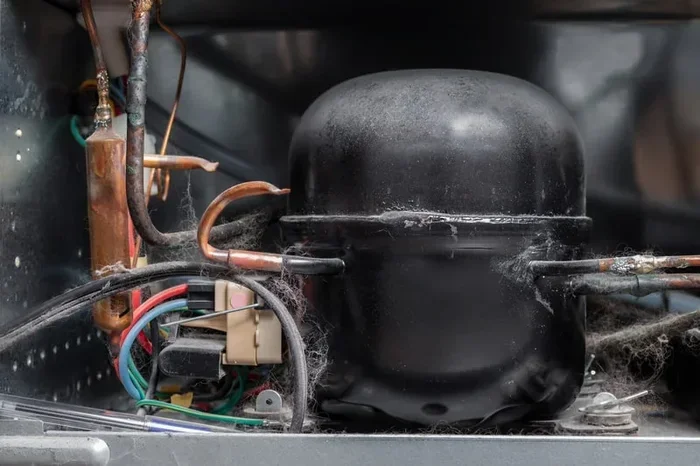
Compressors generate a lot of heat during operation. If the condenser coils are dirty or blocked, the compressor cannot release heat properly. Over time, this causes the compressor to overheat and shut down as a safety measure.
Clean your condenser coils regularly to prevent this issue. Use a vacuum or a coil brush to remove dust, pet hair, and debris. This simple maintenance task can extend the life of your compressor significantly.
3. Failed Capacitor
The run capacitor and start capacitor provide the electrical boost the compressor needs. When a capacitor goes bad, the compressor either will not start or will stop running shortly after starting.
Capacitors are small and inexpensive parts. However, they can hold a dangerous electrical charge even when the fridge is unplugged. If you are not comfortable working with capacitors, let a technician handle the replacement.
4. Low Refrigerant Levels
Refrigerant is the lifeblood of your cooling system. If there is a leak and the refrigerant level drops too low, the compressor will struggle to operate. In some cases, it will shut off entirely to protect itself from damage.
Low refrigerant is not something you can fix yourself. A licensed technician must locate the leak, repair it, and recharge the system with the correct type of refrigerant.
5. Compressor Motor Burnout
Sometimes the compressor motor simply burns out after years of use. This is more common in older refrigerators that have run for many years without proper maintenance. A burned-out motor means the compressor needs to be replaced entirely.
This is the most expensive repair option. In many cases, the cost of a new compressor plus labor can approach the price of a new fridge. That is why regular maintenance and early detection are so important.
How to Protect Your Compressor During Power Outages
Power outages can be tough on your refrigerator compressor. When the power goes out and comes back, the compressor may struggle to restart or could be damaged by voltage surges. Protecting your compressor during outages is an important part of refrigerator maintenance that many homeowners overlook.
One of the best ways to protect your compressor is to have a backup power source ready. A portable generator can keep your fridge running during short outages and prevent compressor damage from sudden power losses. If you are considering getting a generator for your home, learning how to start a generator properly is essential for safe operation.
When choosing a backup power solution, consider the size and cost. A whole-home generator can keep your fridge and other appliances running during longer outages. To understand the investment, check out how much a home generator costs so you can plan ahead and avoid being caught off guard during the next storm.
Also, never connect a generator directly to your fridge without proper setup. Improper connections can damage both the generator and your refrigerator compressor. If you want to power your fridge safely through a generator, learn how to connect a generator to your house the right way. This ensures safe, reliable power for your cooling system when you need it most.
When to Call a Professional
There are many things you can check yourself, but some compressor problems require a trained technician. Knowing when to call for help saves you time, money, and potentially dangerous situations.
Call a professional if you notice any of the following:
- The compressor makes loud banging or grinding noises.
- You smell burning or hot electronics near the compressor.
- The fridge is not cooling at all, even after basic troubleshooting.
- The compressor clicks on and off repeatedly without running.
- You see oil leaks around the compressor unit.
- You are not comfortable working with electrical components.
A licensed HVAC or appliance technician has the tools and training to diagnose compressor issues safely. They can test the windings, check refrigerant levels, and replace faulty parts without risking further damage. When in doubt, always err on the side of caution and call a pro.
How to Prevent Compressor Problems in the Future
The best way to deal with compressor issues is to prevent them from happening in the first place. A little regular care goes a long way toward keeping your compressor healthy and your fridge running smoothly.
Clean the Condenser Coils Regularly
Dust and debris buildup on the condenser coils forces the compressor to work harder. Clean the coils every six months with a vacuum or coil brush. This simple task reduces strain on the compressor and improves cooling efficiency.
Keep the Fridge Well-Ventilated
Your fridge needs space around it to release heat properly. Make sure there is at least two inches of clearance on all sides. Avoid placing the fridge in a tight, enclosed space where heat gets trapped.
Do Not Overload the Fridge
An overpacked fridge restricts airflow inside and makes the compressor work overtime. Keep your fridge organized and do not block the vents inside. This allows cold air to circulate freely and reduces compressor stress.
Check the Door Seals
Worn door seals let warm air sneak into the fridge, forcing the compressor to run longer cycles. Inspect the gaskets every few months and replace them if they look cracked or loose. A simple seal replacement can save your compressor from unnecessary wear.
Set the Temperature Correctly
Set your fridge to 37 degrees Fahrenheit and your freezer to 0 degrees Fahrenheit. Setting the temperature too cold forces the compressor to run constantly, which shortens its lifespan. A proper setting keeps the compressor running efficiently without overworking it.
Key Takeaways
Learning how to tell if refrigerator compressor is running is easier than most people think. You can listen for a steady hum, feel for vibrations, check warm condenser coils, and watch the condenser fan for clear signs. When the compressor is not running, silence, warm food, and clicking sounds are your biggest clues.
Simple tests like the paper test and touch test give you quick answers. And knowing the common causes of compressor failure helps you take action before the problem gets worse. Regular maintenance, proper ventilation, and correct temperature settings all help your compressor last longer and run better.
If you ever feel unsure about a compressor test or repair, do not hesitate to call a professional. A trained technician can handle complex issues safely and get your fridge back to normal in no time.
Stay proactive with your refrigerator care. The more you know about how your compressor works and how to spot problems early, the more money and food you will save over the life of your appliance.
Frequently Asked Questions
How can I tell if my refrigerator compressor is running without opening the fridge?
Walk up to the back of your fridge and listen for a steady humming or buzzing sound. Place your hand on the side of the unit to feel for gentle vibrations. If you hear the hum and feel the vibration, the compressor is most likely running. If everything is silent and still, the compressor may not be active.
What does a failing refrigerator compressor sound like?
A failing compressor often makes clicking, rattling, or grinding noises. You might hear repeated clicking as it tries to start but fails. Some compressors also make loud humming without actually running, which indicates the motor is struggling or has seized.
Can a refrigerator compressor run but still not cool?
Yes, this can happen if the refrigerant level is low or the condenser coils are dirty. The compressor may be running, but the system cannot cool properly without enough refrigerant or clear airflow through the coils. In these cases, the compressor runs but the fridge stays warm.
Is it normal for my compressor to cycle on and off?
Yes, compressors naturally cycle on and off to maintain the set temperature. A typical cycle lasts about 10 to 15 minutes. If your compressor is cycling on and off every few minutes, that could indicate a problem like a faulty thermostat, low refrigerant, or a failing start relay.
How much does it cost to replace a refrigerator compressor?
The cost varies depending on the fridge model and your location. On average, compressor replacement ranges from $500 to $1,000 including parts and labor. Some newer fridges with warranty coverage may cost less. Always get a quote from a licensed technician before committing to a replacement.
Should I unplug my fridge if the compressor is not running?
Yes, if you suspect the compressor is not running and the fridge is not cooling, unplug it to prevent further damage. Leave it unplugged until you can diagnose the issue or call a professional. This protects both the compressor and the rest of the electrical components in the fridge.
=== CONCLUSION ===
Knowing how to tell if refrigerator compressor is running gives you real power as a homeowner. You do not need to be an expert or own expensive tools. With just your ears, your hands, and a little patience, you can check your compressor and catch problems early. The signs are there — the hum, the vibration, the warm coils, the spinning fan. Learn them, trust them, and act on them.
When something does go wrong, you now know the common causes, the simple tests you can run, and the moments when it is time to call a professional. Regular maintenance keeps your compressor healthy and your fridge running efficiently for years to come.
Take a few minutes today to check your condenser coils, listen to your fridge, and feel for those telltale vibrations. Your future self — and your grocery budget — will thank you. Stay ahead of compressor problems and keep your refrigerator working the way it should.