Can a Bad Ac Compressor Cause Your Engine to Overheat
Yes, a bad AC compressor can absolutely cause your engine to overheat. When the AC compressor fails, it puts extra strain on the engine and disrupts the cooling system, leading to dangerous temperature spikes. Understanding the connection between your AC compressor and engine heat can save you from costly repairs and roadside breakdowns. In this guide, we break down exactly how this happens and what you can do about it.
You are driving down the road on a hot summer day. The air conditioning is blasting cool air, and you feel great. Then suddenly, you notice steam rising from under the hood. Your engine temperature gauge is climbing into the red zone. What went wrong? If you have been ignoring signs of a failing AC compressor, this could be exactly what happened.
Many car owners do not realize that the AC compressor and the engine cooling system are deeply connected. A bad AC compressor can cause engine overheat in several ways that most people never think about. The AC compressor is not just about keeping your cabin cool. It is a belt-driven accessory that puts real mechanical stress on your engine every time it runs. When that compressor starts to fail, the consequences can ripple through your entire vehicle.
In this article, we are going to explore the full picture. You will learn how the AC compressor affects engine temperature, what warning signs to watch for, and the most common causes of compressor failure. We will also cover practical fixes and prevention tips. By the end, you will know exactly what to do if you suspect your AC compressor is causing your engine to overheat.
Key Takeaways
- A failing AC compressor strains the engine and can lead to overheating due to increased friction and belt tension.
- Common symptoms include a rising temperature gauge, unusual noises, and AC system failure.
- Low refrigerant and worn serpentine belts are top contributors to AC compressor problems.
- Regular maintenance of your AC system and cooling system can prevent overheating issues.
- Ignoring AC compressor problems can lead to severe engine damage over time.
- Simple fixes like belt replacement or refrigerant recharge can resolve many overheating causes.
📑 Table of Contents
- How Does the AC Compressor Affect Engine Temperature?
- Can a Bad AC Compressor Actually Cause Engine Overheating?
- Warning Signs That Your AC Compressor Is Causing Overheating
- Common Causes of AC Compressor Failure
- How to Fix an Overheating Problem Caused by the AC Compressor
- Preventing AC Compressor and Engine Overheating Issues
- Understanding the Bigger Picture: AC Compressor and Engine Health
- Final Thoughts
How Does the AC Compressor Affect Engine Temperature?
The Role of the AC Compressor in Your Vehicle
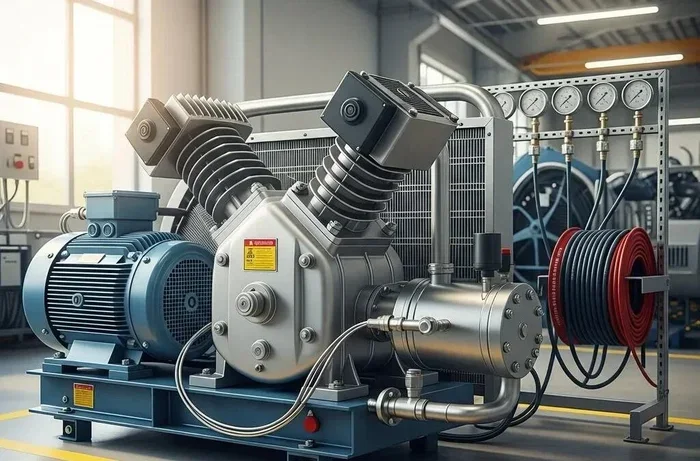
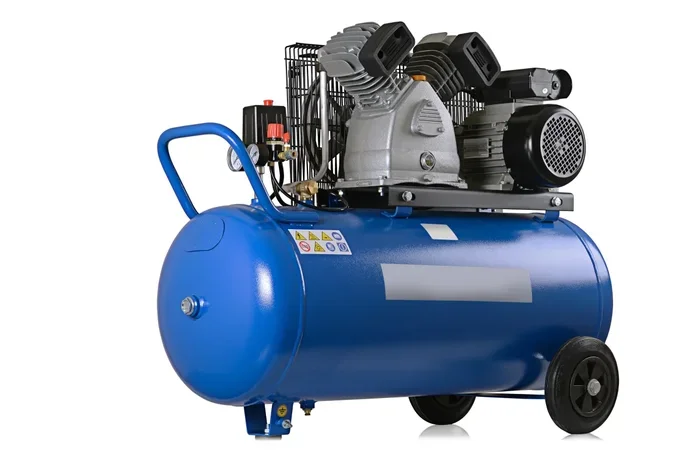
The AC compressor is the heart of your air conditioning system. It pressurizes the refrigerant and cycles it through the AC system to produce cold air. But here is something many drivers do not know. The compressor is powered by the engine through the serpentine belt. This means every time the AC is on, the engine has to work harder to turn the compressor.
When everything is working correctly, this extra load is manageable. Your engine is designed to handle the accessory demands of the AC compressor without breaking a sweat. But when the compressor starts to go bad, that balance changes quickly. The engine now has to fight against a malfunctioning component, and that creates heat.
How the AC System Interacts with the Engine Cooling System
Your vehicle has two main cooling systems. One keeps your engine at the right temperature. The other keeps your cabin cool. These systems work independently, but they share some components. For example, the cooling fan in front of the radiator often runs whenever the AC is activated. The engine control module also adjusts idle speed when the AC compressor kicks in to compensate for the extra load.
When the AC compressor malfunctions, these shared systems get thrown off balance. The engine cooling fan may run more than usual, but if the compressor itself is creating excess friction or locking up, no amount of fan action can fully compensate. This is where overheating starts to become a real problem.
Can a Bad AC Compressor Actually Cause Engine Overheating?
The Compressor Clutch and Engine Strain
The AC compressor clutch is what engages and disengages the compressor when you turn the AC on or off. When this clutch starts to fail, it can cause the compressor to stay engaged even when it should not be. This creates constant drag on the engine, which generates extra heat. Over time, this constant strain can push your engine temperature into unsafe territory.
A stuck compressor clutch is one of the most common reasons a bad AC compressor causes engine overheat. The engine simply cannot spin freely, and all that friction turns into heat. If you have ever noticed that your engine runs hotter than normal when the AC is on, a faulty clutch could be the culprit.
When the AC Compressor Locks Up
In more serious cases, the AC compressor can physically lock up. This means the internal components seize, and the compressor stops turning freely. When this happens, the serpentine belt can slip or even snap. A locked compressor puts immediate and severe strain on the engine. The cooling system simply cannot dissipate heat fast enough to keep up.
A locked AC compressor is an emergency situation. If this happens while you are driving, pull over safely and turn off the engine immediately. Continuing to drive with a seized compressor can cause serious engine damage on top of the overheating problem.
Belt Tension and Drag Issues
The serpentine belt connects the AC compressor to the engine crankshaft. When the compressor is not functioning properly, it can create uneven belt tension. A loose belt may slip and cause squealing noises, while an overly tight belt increases friction on all the accessories it drives. Both situations add extra load to the engine and contribute to overheating.
Some drivers notice that their engine temperature rises right after the AC compressor engages. This is a clear sign that the compressor is creating too much drag. The engine temperature gauge will often climb quickly in these situations, especially in stop-and-go traffic or on hot days.
Warning Signs That Your AC Compressor Is Causing Overheating
Temperature Gauge Spikes
The most obvious sign that something is wrong is a rising temperature gauge on your dashboard. If you notice the needle climbing into the hot zone right after you turn on the AC, that is a red flag. Your engine temperature gauge is telling you something important. Pay attention to it.
Some temperature gauge spikes happen gradually. You might not notice the problem at first because the needle only moves slightly above normal. But over time, these small spikes can turn into full-blown overheating. If your temperature gauge behaves erratically when the AC is running, get your AC compressor checked as soon as possible.
Unusual Noises from the Engine Bay
A healthy AC compressor should be relatively quiet. You might hear a faint hum when it engages, but nothing loud or grinding. If you start hearing rattling, screeching, or grinding noises coming from the front of your engine, the compressor could be failing.
These noises often accompany overheating because they indicate internal damage or a seized component. A grinding sound usually means the compressor bearings are worn out. A rattling noise could point to a loose clutch or internal debris. Either way, unusual engine bay noises combined with rising temperatures are a clear signal that you need professional help.
AC System Failure and Warm Air
Another warning sign is when your AC stops blowing cold air. If the compressor is failing, it cannot properly pressurize the refrigerant. This means your AC system will blow warm or lukewarm air instead of cool air. While this alone does not always mean your engine will overheat, it often goes hand in hand with compressor problems that do cause overheating.
Pay attention to how your AC system behaves. If you notice weak airflow, warm air, or the AC compressor not engaging at all, these are all symptoms worth investigating. Ignoring them can lead to bigger problems, including engine overheating.
Common Causes of AC Compressor Failure
Low Refrigerant Levels
Low refrigerant is one of the top causes of AC compressor failure. When the refrigerant level drops too low, the compressor has to work harder to cycle the remaining refrigerant. This extra work causes the compressor to overheat internally, which can then transfer that heat to the engine. Over time, running the AC with low refrigerant will damage the compressor and potentially lead to engine overheating.
Refrigerant leaks are common in older vehicles. They can develop at the AC condenser, the compressor seals, or the hose connections. If you suspect a refrigerant leak, have it repaired before it causes further damage to the AC compressor or the engine cooling system.
Worn Serpentine Belt
The serpentine belt is the lifeline between the engine and the AC compressor. When this belt wears out, cracks, or stretches, it cannot properly drive the compressor. A worn belt may slip off the compressor pulley, causing the compressor to stop and start erratically. This erratic behavior puts uneven stress on the engine and can contribute to overheating.
Most manufacturers recommend inspecting the serpentine belt every 50,000 to 60,000 miles. If you notice cracking, glazing, or fraying on the belt, replace it immediately. A simple belt replacement can prevent a cascade of problems, including AC compressor failure and engine overheating.
Electrical and Pressure Switch Problems
Your AC system relies on electrical components and pressure switches to operate correctly. The AC pressure switch monitors refrigerant pressure and tells the compressor when to engage and disengage. When these switches or electrical connections fail, the compressor may run when it should not or stop running when it needs to keep going.
Electrical issues can also prevent the cooling fan from activating when the AC is on. Without the fan helping to dissipate heat, both the AC system and the engine cooling system suffer. This is a subtle but important cause of overheating that many people overlook when diagnosing AC compressor problems.
Internal Compressor Wear and Contamination
Over time, the internal components of the AC compressor wear down. Metal particles from worn bearings or pistons can contaminate the refrigerant and circulate through the entire AC system. This contamination can clog the expansion valve, damage the AC condenser, and reduce the overall efficiency of the system. A contaminated AC system puts extra strain on the compressor and the engine, increasing the risk of overheating.
Internal compressor wear is often the result of neglected maintenance. If you have been running your AC with low refrigerant or ignoring early warning signs, the internal damage will eventually catch up with you. Once the compressor is internally damaged, a full replacement is usually the only fix.
How to Fix an Overheating Problem Caused by the AC Compressor
Step-by-Step Diagnostic Tips
If you suspect your AC compressor is causing your engine to overheat, here are some steps you can take to diagnose the problem before visiting a mechanic:
- Check the temperature gauge with and without the AC running. Note any difference in engine temperature when the AC is on versus off.
- Inspect the serpentine belt for wear, cracking, or looseness. A damaged belt is often the root cause of AC compressor problems.
- Listen for unusual noises from the AC compressor area. Grinding, rattling, or screeching sounds indicate internal damage.
- Check the AC pressure using a gauge set. Low pressure on both sides suggests a refrigerant leak or compressor failure.
- Observe the compressor clutch when you turn the AC on. If the clutch does not engage or stays engaged constantly, there is an electrical or mechanical issue.
- Check the cooling fan operation. The fan should activate when the AC is turned on. If it does not, there may be an electrical fault.
These diagnostic steps can help you pinpoint the exact cause of the overheating. They also give your mechanic valuable information, which can save you time and money on repairs.
When to Call a Professional Mechanic
While some AC compressor issues can be diagnosed at home, most repairs require professional tools and expertise. If you have checked the basics and your engine is still overheating, it is time to call a mechanic. The same goes for if you suspect internal compressor damage or a refrigerant leak that you cannot locate.
A professional mechanic can perform a full AC system inspection, including pressure testing, electrical diagnostics, and compressor operation checks. They can also assess whether the overheating has already caused any engine damage. Early intervention is always better than waiting until the problem gets worse.
Some repairs, like replacing the serpentine belt or recharging refrigerant, are relatively affordable. Others, like replacing the AC compressor itself, can be more expensive. But no repair is cheaper than the engine damage that can result from continued overheating. Do not delay getting professional help if you suspect a serious problem.
Preventing AC Compressor and Engine Overheating Issues
Regular Maintenance Tips
The best way to prevent a bad AC compressor from causing engine overheat is through regular maintenance. Here are some tips that every car owner should follow:
- Have your AC system inspected annually by a qualified mechanic. This includes checking refrigerant levels, belt condition, and compressor operation.
- Replace the serpentine belt according to your vehicle manufacturer’s recommended schedule, or sooner if you notice any signs of wear.
- Run your AC system regularly, even in winter. This keeps the compressor seals lubricated and prevents them from drying out.
- Address refrigerant leaks immediately. Do not just keep topping off the refrigerant without finding and fixing the source of the leak.
- Monitor your engine temperature gauge during every drive. Catching a slow rise in temperature early can prevent a major overheating event.
- Keep the radiator and cooling fins clean. Debris buildup can block airflow and reduce the efficiency of both the AC condenser and the radiator.
Consistent maintenance keeps your AC compressor and engine cooling system working together smoothly. It also extends the life of both systems and helps you avoid unexpected breakdowns.
Quick Habits to Protect Your Engine
Beyond scheduled maintenance, there are some everyday habits that can protect your engine from overheating:
- Avoid prolonged idling with the AC on in enclosed spaces. This puts unnecessary strain on both the compressor and the cooling system.
- Turn off the AC a few minutes before reaching your destination. This allows the compressor to cycle off while the cooling fan continues to run, helping the engine cool down gradually.
- Watch for warning signs. If you notice anything unusual, such as a rising temperature gauge, strange noises, or weak AC airflow, address it immediately.
- Keep your coolant levels topped off. The engine cooling system and the AC system both rely on proper fluid levels to function correctly.
These small habits may seem minor, but they add up over time. They can make a real difference in preventing a bad AC compressor from causing your engine to overheat.
Understanding the Bigger Picture: AC Compressor and Engine Health
It is easy to think of the AC compressor as a separate system that has nothing to do with engine health. But as we have covered in this article, the truth is very different. The AC compressor is mechanically connected to the engine through the serpentine belt. It shares electrical connections with the cooling fan and the engine control module. When it fails, the effects ripple outward to the entire vehicle.
Understanding this connection is important for every car owner. It helps you make better decisions about maintenance, repairs, and when to seek professional help. The next time you turn on your AC and notice something feels off, trust your instincts. A bad AC compressor can cause engine overheat, and catching the problem early can save you from expensive repairs and dangerous situations on the road.
Your vehicle is a complex system where every component plays a role. The AC compressor may seem like a small part, but its impact on engine temperature and overall performance is significant. Treat it with the care it deserves, and your engine will thank you for it.
Final Thoughts
So, can a bad AC compressor cause engine overheat? The answer is a clear and definite yes. From a stuck compressor clutch to a locked-up compressor, the causes are real and the consequences can be serious. Whether it is a worn serpentine belt, low refrigerant, or internal compressor damage, any of these problems can push your engine into the danger zone.
The good news is that most of these issues are preventable with regular maintenance and early attention to warning signs. Keep an eye on your temperature gauge, listen to your engine, and do not ignore unusual AC behavior. If you suspect your AC compressor is causing your engine to overheat, take action quickly. Your engine, your wallet, and your safety will all benefit from prompt attention.
Stay proactive about your vehicle’s health. The more you understand about how your AC compressor and engine work together, the better equipped you are to keep both systems running smoothly for years to come.
Frequently Asked Questions
What happens if the AC compressor fails while driving?
If the AC compressor fails while driving, you may notice a sudden rise in engine temperature, unusual noises from the engine bay, or the AC system blowing warm air. In some cases, a seized compressor can cause the serpentine belt to snap, which can lead to a loss of power steering and other accessories. Pull over safely and turn off the engine if you suspect compressor failure while driving.
Can a bad AC compressor cause overheating even when the AC is off?
Yes, it is possible. If the AC compressor clutch is stuck in the engaged position, it creates constant drag on the engine even when the AC is turned off. This extra drag generates heat and can cause the engine to overheat regardless of whether the AC system is actively running.
How much does it cost to replace an AC compressor?
The cost of replacing an AC compressor varies depending on your vehicle make and model, but most owners can expect to pay between $500 and $1,000 for parts and labor combined. If the compressor has caused additional damage to the serpentine belt or cooling system, the total repair cost may be higher. Always get a detailed estimate from a trusted mechanic before proceeding with the repair.
Is it safe to drive with a bad AC compressor?
Driving with a bad AC compressor is not recommended. A malfunctioning compressor can put extra strain on the engine and lead to overheating, which can cause serious and expensive engine damage. If you suspect your AC compressor is failing, have it inspected and repaired as soon as possible to avoid more severe problems.
Can low refrigerant cause the AC compressor to overheat the engine?
Yes, low refrigerant can contribute to engine overheating. When refrigerant levels are low, the AC compressor has to work harder to maintain proper pressure. This extra workload generates more heat and puts additional strain on the engine. Low refrigerant is often a sign of a leak, which should be repaired to prevent further damage to both the AC system and the engine.
How can I tell if my AC compressor clutch is bad?
Signs of a bad AC compressor clutch include the AC not blowing cold air, the compressor not engaging when you turn on the AC, or the clutch staying engaged constantly. You may also hear clicking or grinding noises from the compressor area. A simple test is to turn on the AC and watch the compressor clutch. If it does not engage or engages erratically, the clutch is likely faulty and needs professional inspection.