Air Compressor Safety Relief Valve Tips Every User Needs
An air compressor safety relief valve is a critical component that prevents dangerous pressure buildup in your compressor tank. Knowing how to properly select, install, and maintain this valve keeps your equipment running safely and extends its lifespan. Whether you are a DIY hobbyist or a shop professional, these tips will help you avoid costly repairs and serious accidents.
If you own an air compressor, you already know how useful it can be. From powering nail guns to inflating tires, these machines make tough jobs faster and easier. But there is a hidden danger inside every compressor tank that many people overlook: pressure buildup.
This is where the air compressor safety relief valve comes in. It is a small but mighty part that can save your equipment, your workspace, and even your life. Yet, many users never think about it until something goes wrong. In this guide, we will walk you through everything you need to know about this essential safety component.
Key Takeaways
- Safety First: The air compressor safety relief valve protects your tank from exploding due to overpressure. It is a non-negotiable safety feature.
- Right Size Matters: Choosing the correct valve rating for your compressor’s PSI and CFM ensures proper protection and performance.
- Proper Installation Is Key: Incorrect placement or mounting can cause the valve to fail when you need it most.
- Regular Testing Saves Lives: Testing your relief valve monthly catches problems before they become dangerous failures.
- Watch for Warning Signs: Leaking, sticking, or corroded valves need immediate attention to prevent compressor damage or injury.
- Follow Manufacturer Guidelines: Always refer to your compressor manual and valve specifications for the best results.
📑 Table of Contents
- What Is an Air Compressor Safety Relief Valve?
- Why the Safety Relief Valve Matters for Your Compressor
- How to Choose the Right Safety Relief Valve
- Installing Your Safety Relief Valve Correctly
- Common Problems with Safety Relief Valves
- Maintenance Tips to Keep Your Valve Working
- Expert Insights: What Professionals Know
- Key Takeaways
- Conclusion
What Is an Air Compressor Safety Relief Valve?
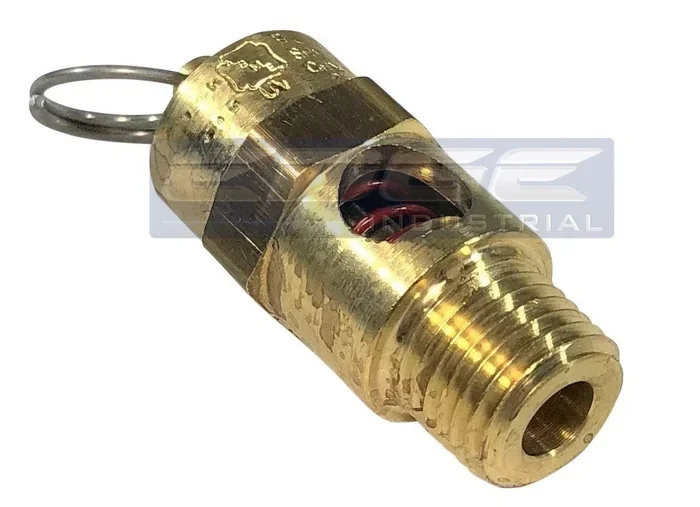
A safety relief valve is a mechanical device installed on your compressor tank. Its job is simple but vital. When the pressure inside the tank exceeds a safe limit, the valve opens automatically and releases excess air. This prevents the tank from rupturing or exploding.
How Does It Work?
Inside the valve, you will find a spring mechanism. This spring is set to a specific pressure level. As the tank pressure rises, it pushes against the spring. Once the pressure hits the set limit, the spring gives way. The valve opens and lets compressed air escape safely into the atmosphere.
Once the pressure drops back to a safe level, the spring pushes the valve closed again. This cycle happens automatically every single time. You do not need to do anything. That is the beauty of a well-functioning pressure relief valve.
Types of Relief Valves
Not all compressor safety valves are the same. Here are the most common types you will encounter:
- Spring-Loaded Valves: These are the most popular type. They use a coiled spring to control the opening pressure. Simple, reliable, and affordable.
- Pilot-Operated Valves: These use a smaller pilot valve to control the main valve. They offer more precise pressure control. You will find them in larger industrial compressors.
- Lever-Operated Valves: These allow manual testing. You can lift the lever to check if the valve opens at the right pressure. They are common on smaller shop compressors.
No matter which type you have, the goal is the same. Keep your compressed air system within safe operating limits at all times.
Why the Safety Relief Valve Matters for Your Compressor
Some people treat the safety relief valve as an afterthought. They might even consider removing it to stop a leak. That is one of the worst things you can do. Let us look at why this tiny component carries so much weight.
Preventing Catastrophic Tank Failure
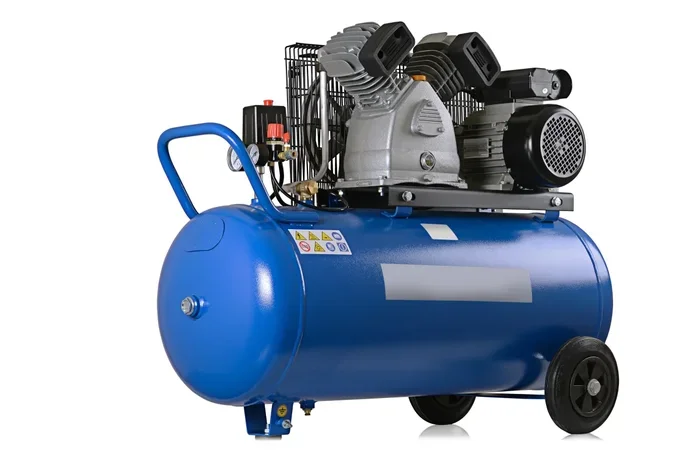
An air compressor tank is a sealed pressure vessel. When something goes wrong with the pressure switch or the unloader valve, the compressor keeps pumping air into the tank. Without a functioning relief valve, the pressure keeps climbing. Eventually, the tank walls can no longer handle the force.
The result can be devastating. A tank that explodes can cause severe injury or death. It can also destroy your workshop and damage nearby equipment. A properly working safety valve makes sure this never happens. It acts as your last line of defense.
Meeting Safety Compliance Standards
If you run a business, you already know that safety regulations matter. Organizations like OSHA set strict guidelines for compressed air equipment. One of the core requirements is having a functioning overpressure protection device on every compressor tank.
Failing to comply can lead to fines, shutdowns, and legal liability. But beyond the paperwork, it is about protecting the people who work around your equipment every day. A compressor safety valve is not optional. It is a legal and moral obligation.
Extending the Life of Your Compressor
Here is a benefit that often gets overlooked. A working relief valve actually helps your compressor last longer. When pressure is allowed to build beyond safe levels, it puts extra strain on every component. The motor works harder. The gaskets wear out faster. The tank walls weaken over time.
By keeping pressure in check, your safety relief valve reduces wear and tear across the entire system. This means fewer repairs, less downtime, and a longer useful life for your compressor. That alone makes regular valve maintenance worth your time.
How to Choose the Right Safety Relief Valve
Not every valve fits every compressor. Choosing the right one requires understanding a few key specifications. Let us break it down so you can make the right call.
Match the Valve to Your Tank Pressure
The most important factor is the valve’s set pressure. This is the pressure at which the valve will open and release air. You need to match this to your compressor’s rated working pressure.
As a general rule, the relief valve should be set no higher than the tank’s maximum allowable working pressure. For example, if your tank is rated for 150 PSI, your valve should open at or below 150 PSI. Never set the valve higher than the tank rating.
Here are some quick guidelines to keep in mind:
- Small portable compressors (under 5 HP): typically use valves rated for 100 to 150 PSI.
- Medium shop compressors (5 to 10 HP): often require valves rated for 150 to 200 PSI.
- Large industrial compressors (above 10 HP): may need valves rated for 200 PSI or higher.
Always check your compressor’s nameplate for the exact specifications. If you are unsure, consult the manufacturer or a qualified technician.
Consider the Valve Capacity
Not all valves can release air fast enough in an emergency. The valve’s capacity is measured in standard cubic feet per minute (SCFM). You need a valve that can handle the maximum air output of your compressor.
If the valve is too small, it will not be able to release pressure quickly enough. The tank could still reach dangerous levels before the valve does its job. Look for a valve rated for at least the compressor’s maximum delivery rate.
Material and Durability
Relief valve materials matter more than most people realize. Compressed air often contains moisture, oil, and other contaminants. Over time, these can corrode cheaper valve materials.
For most applications, brass or stainless steel valves offer the best durability. Brass is affordable and corrosion-resistant for standard use. Stainless steel is ideal for harsher environments or when the air contains more moisture. Avoid plastic or low-grade metal valves for anything beyond a basic home setup.
Installing Your Safety Relief Valve Correctly
Even the best valve will not protect you if it is installed incorrectly. Proper installation is not complicated, but it does require attention to detail. Follow these steps to make sure your valve is set up for success.
Step-by-Step Installation Guide
- Turn off the compressor and unplug it. Never work on a pressurized system. Release all remaining air from the tank by opening the drain valve.
- Locate the tank outlet port. This is where the relief valve threads into the tank. It is usually found near the top of the tank on the air outlet side.
- Remove the old valve carefully. Use the proper wrench size. Do not apply too much force. If the old valve is stuck, a penetrating oil can help loosen it.
- Clean the threads on the tank. Wipe away any dirt, rust, or old sealant. This ensures a clean, leak-free connection for the new valve.
- Apply thread sealant if needed. Some valves come with a pre-installed seal. Others require Teflon tape or pipe dope. Check the valve instructions.
- Thread the new valve in by hand first. Then tighten it snugly with a wrench. Do not overtighten. You want a secure fit, not a stripped thread.
- Reconnect and test the system. Plug the compressor back in, let it pressurize, and watch the new valve in action. Listen for the release point and check for leaks.
Common Installation Mistakes to Avoid
Even experienced users make these errors from time to time. Here is what to watch out for:
- Installing the valve in the wrong direction. Most relief valves have an arrow showing the flow direction. Make sure the arrow points away from the tank.
- Using the wrong thread size. A mismatch can cause leaks or a valve that cannot be removed later. Always verify the thread type and size before purchasing.
- Ignoring the set pressure adjustment. Some valves need to be adjusted after installation. Follow the manufacturer’s instructions for calibration.
Common Problems with Safety Relief Valves
Like any mechanical part, relief valves can develop problems over time. Catching these issues early can prevent a small annoyance from becoming a major hazard.
Valve Leaking
A leaking safety valve is one of the most common complaints. You might notice a hissing sound or see moisture forming around the valve body. A small leak often means the valve seat is dirty or damaged. Cleaning the seat with a fine abrasive pad can sometimes fix the problem.
However, if the leak persists, the valve likely needs to be replaced. A leaking valve cannot seal properly, which means it may also fail to open at the right pressure. That is a double risk you do not want to take.
Valve Sticking or Failing to Open
A valve that sticks or refuses to open is even more dangerous than a leaking one. This usually happens when debris builds up inside the valve mechanism. Moisture, rust particles, or oil residue can all cause the spring and valve disc to seize up.
Regular cleaning and maintenance can prevent this problem. If your valve has not been tested in a while, now is the time to do it. A valve that sticks under pressure is a ticking time bomb.
Corrosion and Wear
Compressed air systems naturally produce condensation. Over months and years, this moisture can corrode the inside of your relief valve. You may notice rust on the exterior or feel rough spots inside the valve when you remove it.
Corroded valves should always be replaced. There is no reliable way to repair a corroded valve and trust it to work under pressure. When in doubt, install a new one.
Wrong Pressure Setting
Sometimes the problem is not a physical defect but an incorrect pressure setting. If the valve opens too early, it wastes energy and air. If it opens too late, it does not protect the tank effectively.
If you recently changed your compressor’s operating pressure, check whether the relief valve setting still matches. The valve set pressure should always align with the tank’s maximum rated pressure.
Maintenance Tips to Keep Your Valve Working
A safety relief valve does not need a lot of maintenance. But a little attention goes a long way toward keeping it reliable. Here is a simple maintenance routine you can follow.
Test Your Valve Monthly
Most relief valves have a test lever or manual lift mechanism. Once a month, lift the lever while the compressor is pressurized. You should hear the valve pop open and release a burst of air. Then it should close again automatically.
If the valve does not open, or if it does not close fully, it needs attention. This simple monthly test takes less than a minute and could save your life.
Clean the Valve Regularly
Every few months, remove the valve and inspect it for debris. Use compressed air to blow out any loose particles. If you see heavy buildup, soak the valve in a cleaning solution designed for pneumatic components.
While the valve is off, check the tank outlet port for any blockage or corrosion as well. Clean everything thoroughly before reinstalling.
Replace When Needed
No relief valve lasts forever. Even with good maintenance, the spring weakens and the seal wears over time. As a general rule, replace your compressor safety valve every three to five years. If you notice any of the warning signs we discussed earlier, replace it immediately.
Keep a spare valve on hand if you use your compressor frequently. Having a replacement ready means you are never stuck with a faulty valve and a compressor that cannot be used safely.
Keep Records of Your Maintenance
This is a tip that separates casual users from serious professionals. Keep a simple log of when you test your valve, when you clean it, and when you replace it. This log can be invaluable for troubleshooting problems later.
It also helps if you ever need to prove compliance with safety regulations. A well-documented maintenance history shows that you take air compressor safety seriously.
Quick Tips for Valve Longevity
- Drain your compressor tank after every use to reduce moisture buildup.
- Keep the area around the relief valve clean and free of debris.
- Never paint over the relief valve or block its outlet.
- Use the correct valve for your specific compressor model.
- Do not adjust the set pressure without consulting the manual.
Expert Insights: What Professionals Know
Experienced compressor technicians see the same mistakes over and over. Here is what the pros want you to know about your air compressor safety relief valve.
Never Bypass or Remove the Valve
Some users remove the relief valve because it leaks or annoys them with frequent releases. This is extremely dangerous. A compressor running without a relief valve is a bomb waiting to go off. There is no shortcut around this safety rule.
Understand Your System Pressure
Many people do not realize that the pressure at the outlet is not the same as the pressure inside the tank. The tank holds the full pressure at all times. The system pressure at the regulator can be lower. Your relief valve protects the tank, not the output line. Make sure you understand this distinction.
Upgrade When Changing Compressors
If you upgrade to a larger or higher-pressure compressor, do not assume your old relief valve will work. A valve rated for 125 PSI will not protect a tank rated for 200 PSI. Always match your valve to your current equipment specifications.
Pay Attention to the Surrounding Environment
Heat, humidity, and chemical exposure all affect valve performance. A relief valve in a hot outdoor workshop will behave differently than one in a climate-controlled indoor facility. Consider your environment when selecting valve materials and set pressures.
Key Takeaways
- Safety First: The air compressor safety relief valve protects your tank from exploding due to overpressure. It is a non-negotiable safety feature.
- Right Size Matters: Choosing the correct valve rating for your compressor’s PSI and CFM ensures proper protection and performance.
- Proper Installation Is Key: Incorrect placement or mounting can cause the valve to fail when you need it most.
- Regular Testing Saves Lives: Testing your relief valve monthly catches problems before they become dangerous failures.
- Watch for Warning Signs: Leaking, sticking, or corroded valves need immediate attention to prevent compressor damage or injury.
- Follow Manufacturer Guidelines: Always refer to your compressor manual and valve specifications for the best results.
Conclusion
The air compressor safety relief valve might be one of the smallest parts on your machine, but it is arguably the most important. It stands between you and a potentially catastrophic pressure failure. Without it, every time you power on your compressor, you are rolling the dice.
By understanding how this valve works, choosing the right one for your setup, installing it correctly, and maintaining it regularly, you give yourself peace of mind. You protect your investment, your workspace, and most importantly, the people around you.
Take a few minutes today to check your relief valve. Test it, clean it, and make sure it is in good shape. If it has been more than a few years since you replaced it, consider installing a new one. Simple steps like these are what separate a safe, well-run operation from a risky one.
Your compressor works hard for you. The least you can do is make sure it has the safety equipment it needs to do its job without putting anyone at risk. Stay safe, stay informed, and keep your compressor safety valve in top shape.
Frequently Asked Questions
What happens if the safety relief valve fails?
If the safety relief valve fails, pressure inside the tank can continue to rise beyond safe limits. This can lead to tank rupture, which is extremely dangerous. A failed valve may leak, stick open, or simply stop working. Regular testing helps you catch valve failure before it becomes an emergency.
How often should I test my air compressor safety relief valve?
You should test your relief valve at least once a month. Most valves have a test lever that lets you manually trigger the release mechanism. If the valve does not open or close properly during the test, it needs immediate inspection or replacement. Consistent testing is the easiest way to ensure your valve works when it counts.
Can I adjust the pressure setting on my safety relief valve?
Some relief valves allow for pressure adjustment, but you should only do this if the manufacturer explicitly permits it. Incorrect adjustment can cause the valve to open at the wrong pressure, leaving your tank unprotected. When in doubt, leave the setting as-is and consult the valve or compressor manual for guidance.
What PSI should my safety relief valve be set to?
The relief valve should be set to match or sit slightly below your tank’s maximum allowable working pressure. For example, a tank rated for 150 PSI should have a valve that opens at or below 150 PSI. Never set the valve higher than the tank rating. Check your compressor’s nameplate for the exact specifications.
Is it normal for the relief valve to release air during normal operation?
A small amount of air release during normal operation is not unusual, especially when the compressor reaches its cut-out pressure. However, constant or frequent leaking when the compressor is not running is a sign of a problem. This could indicate a dirty valve seat, a worn seal, or incorrect pressure settings that need attention.
Do I need a professional to replace my safety relief valve?
Replacing a relief valve is a task most users can handle themselves with basic tools. Just make sure you turn off and unplug the compressor first, and release all tank pressure before starting. If you are unsure about the correct valve size or pressure rating, consult a professional or your compressor manufacturer for guidance.