Makita Air Compressor Parts Everything You Need to Know
Makita air compressor parts keep your tools running at peak performance. Whether you need filters, regulators, pumps, or seals, finding the right replacement is key. This guide covers every major Makita compressor part, how to choose them, and how to maintain your unit. You will learn simple DIY tips that save time and money. Let us help you keep your compressor in top shape.
Nothing kills a workday faster than a Makita air compressor that stops working mid-task. The good news? Most problems come down to a single worn part. Once you know what to look for, fixing your unit becomes simple and fast.
Makita builds some of the most reliable compressors on the market. But even the best machines need replacement parts over time. Whether you run a Makita portable compressor on a job site or a large tank model in a garage, parts wear out. Filters get clogged. Hoses crack. Regulators lose calibration. The key is catching these issues early.
This guide walks you through every major Makita air compressor part you might need. We explain what each part does, how to spot when it fails, and how to choose the right replacement. By the end, you will feel confident tackling repairs yourself or having the right part ready when you call a pro.
Key Takeaways
- Know your model: Always check your Makita compressor model number before ordering any parts.
- Filters matter: Clean air filters and oil filters extend the life of your compressor significantly.
- Regulator and hose care: These parts directly affect tool performance and air pressure consistency.
- DIY maintenance saves money: Many Makita compressor repairs are simple and can be done at home.
- Genuine vs aftermarket: Genuine Makita parts offer the best fit and reliability for your machine.
- Watch for wear signs: Unusual noise, pressure drops, or leaks signal it is time to replace parts.
📑 Table of Contents
- Understanding Your Makita Air Compressor
- Essential Makita Air Compressor Parts You Should Know
- How to Choose the Right Replacement Parts
- Maintenance Tips to Extend Part Life
- Common Mistakes to Avoid When Replacing Parts
- Where to Buy Genuine Makita Air Compressor Parts
- When to Call a Professional
- Key Takeaways
- Conclusion
Understanding Your Makita Air Compressor
How a Makita Compressor Works
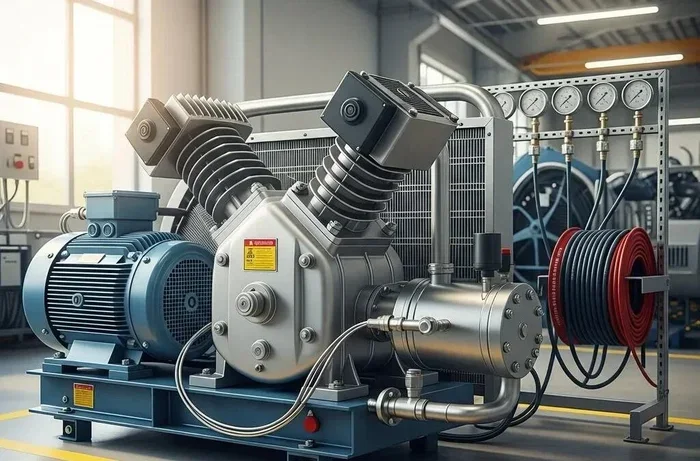
A Makita air compressor pulls in air, compresses it, and stores it in a tank. When you trigger a pneumatic tool, the compressed air flows out through a hose and regulator. Simple, right? But inside that process, many small parts work together.
The motor drives the pump. The pump pushes air into the tank. A pressure switch tells the motor when to stop and start. Valves control airflow direction. And seals keep everything airtight. When just one of these components weakens, the whole system suffers.
Common Makita Compressor Models and Their Parts
Makita makes several compressor lines. The Makita 3103 is a popular pancake model. The MAC series includes portable and wheeled options. Each model uses slightly different parts. Before you order anything, locate your model number on the tank or motor housing.
Here are the most common Makita compressor models people search for parts for:
- Makita MAC5200 – large tank, heavy-duty use
- Makita MAC2400 – mid-size, great for workshops
- Makita MAC1002 – compact, portable option
- Makita 3103 – pancake compressor for light tasks
- Makita MAC5100C – high-performance industrial grade
Knowing your exact model ensures you get the correct Makita compressor parts. Using the wrong part can cause damage or void your warranty.
Essential Makita Air Compressor Parts You Should Know
Every Makita air compressor part plays a specific role. Let us break them down by category so you can quickly find what you need.
Air Filters and Intake Components
The intake filter is the first line of defense for your compressor. It catches dust, debris, and moisture before they enter the pump. A clogged filter forces the motor to work harder, which wastes energy and shortens the machine’s lifespan.
Most Makita compressors use a replaceable foam or paper filter element. You should clean foam filters regularly with soap and water. Paper filters are disposable and need replacement when they look dirty. A clean air compressor filter improves airflow and keeps your tools running smoothly.
Quick tip: Check your intake filter after every few uses. It takes five seconds and can prevent costly pump damage down the road.
Pressure Regulators and Gauges
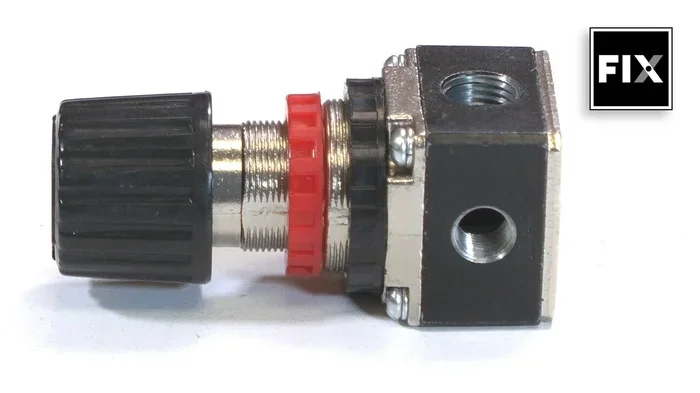
The regulator controls how much air pressure reaches your tools. Without it, you would get inconsistent airflow, which damages sensitive pneumatic equipment. A Makita compressor regulator lets you set the exact pressure your tool needs.
Pressure gauges sit on the regulator or the tank itself. They tell you the current air pressure inside the system. If your gauge reads zero or the needle fluctuates wildly, the gauge or regulator may need replacement.
Common signs of a failing regulator include:
- Tools running at inconsistent pressure
- Air leaking from the regulator knob
- The tank not holding pressure properly
- The compressor cycling on and off too frequently
Hoses, Fittings, and Connectors
The hose carries compressed air from the tank to your tool. Over time, hoses develop cracks, kinks, or leaks. A damaged hose wastes air and reduces tool performance. Makita makes high-quality rubber and polyurethane hoses designed for durability.
Fittings and connectors join the hose to the tank and the tool. Quick-connect fittings are the most common on Makita compressors. They allow you to swap tools fast without wrestling with threaded connections.
When choosing replacement hoses, match the diameter and length to your original setup. A hose that is too narrow restricts airflow. A hose that is too long adds weight and can cause pressure drops.
Pump Parts and Cylinder Components
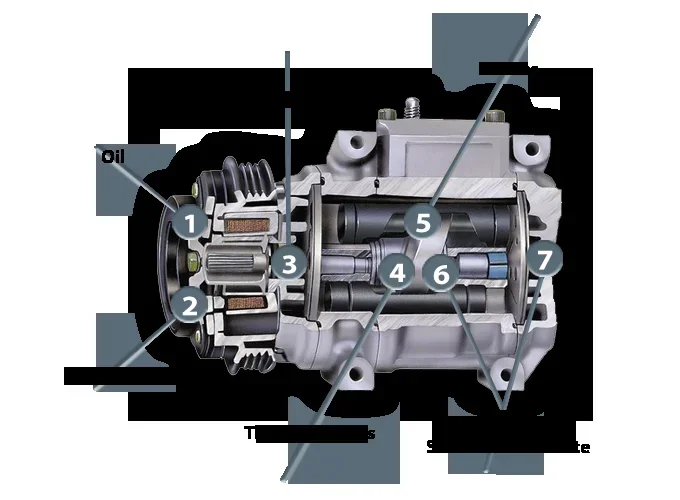
The pump is the heart of your Makita air compressor. It compresses the air that fills the tank. Inside the pump, you will find piston rings, cylinder walls, valves, and gaskets. These parts take the most wear over time.
Common pump-related issues include:
- Loss of pressure – worn piston rings let air escape past the piston
- Excessive noise – damaged valves or loose internal components
- Oil leaks – failing gaskets or seals around the pump housing
- Hard starting – a stuck unloader valve prevents the motor from starting
Replacing pump parts requires more mechanical knowledge than swapping a filter. But if you are handy, rebuilding a Makita pump is very doable. Just make sure you get the exact pump assembly that matches your model.
Tanks, Valves, and Safety Components
The tank stores compressed air until you need it. Over time, tanks can develop rust, especially if you do not drain moisture after each use. A rusted tank is a serious safety hazard and must be replaced immediately.
Check valves prevent air from flowing back into the pump when the motor stops. The unloader valve releases pressure from the pump when the tank reaches full capacity. The safety valve (also called a relief valve) opens if pressure exceeds safe limits.
These safety components are non-negotiable. Never bypass or disable them. If a safety valve leaks, replace it right away. Your Makita compressor parts list should always include these critical components.
Motor and Electrical Parts
The motor converts electrical energy into mechanical motion. On most Makita compressors, the motor is a standard induction motor with a start capacitor and run capacitor. If your compressor hums but does not start, a failed capacitor is often the culprit.
Other electrical parts include the power cord, pressure switch wiring, and thermal overload protection. The pressure switch turns the motor on and off based on tank pressure. If the switch fails, your compressor either runs constantly or will not start at all.
Quick tip: Before replacing any electrical part, always unplug the compressor and discharge the tank. Safety first, always.
How to Choose the Right Replacement Parts
Buying the wrong part wastes time and money. Follow these steps to make sure you get exactly what you need.
Step 1: Find Your Model Number
The model number is your best friend when shopping for Makita air compressor parts. Look for a metal plate or sticker on the compressor body. It usually includes a series of letters and numbers, like MAC5200 or 3103.
Write down the full model number. You can also check your owner’s manual or the Makita website. This number ensures compatibility with every part you order.
Step 2: Identify the Specific Part
Once you know your model, identify the exact part you need. Makita offers detailed parts diagrams on their website. These exploded-view diagrams show every component and its part number.
Take a photo of the part you need to replace. Bring it to the store or use it when searching online. This prevents confusion between similar-looking components.
Step 3: Choose Genuine or Aftermarket
Genuine Makita compressor parts are manufactured by Makita to exact specifications. They fit perfectly and carry the full manufacturer warranty. Aftermarket parts are made by third-party companies and are often cheaper.
Here is a quick comparison:
- Genuine Makita parts – best fit, full warranty, higher cost
- Aftermarket parts – lower cost, varying quality, may void warranty
- OEM-equivalent parts – made to match OEM specs, often a good middle ground
For critical components like pump parts, regulators, and safety valves, we recommend sticking with genuine Makita parts. For consumables like filters and hoses, quality aftermarket options work well.
Step 4: Check Warranty and Return Policies
Before you buy, check the warranty coverage for your replacement part. Makita offers limited warranties on genuine parts. Also confirm the seller’s return policy in case the part does not fit or works incorrectly.
Maintenance Tips to Extend Part Life
Regular maintenance is the best way to avoid frequent part replacements. A little effort goes a long way with Makita air compressor parts.
Daily Maintenance Routine
Spend two minutes after each use on these simple tasks:
- Drain moisture from the tank using the drain valve
- Wipe down the exterior to remove dust and debris
- Check the hose for kinks or damage
- Listen for unusual sounds during operation
Weekly and Monthly Maintenance
Set aside time each week and month for deeper checks:
- Weekly: Inspect the air filter and clean or replace it if needed
- Weekly: Check all fittings and connections for leaks
- Monthly: Inspect the oil level (for oil-lubricated models)
- Monthly: Test the pressure switch and safety valve function
- Monthly: Examine the hose and regulator for wear
Seasonal Deep Maintenance
At the start of each season, give your compressor a thorough checkup:
- Replace the air filter and oil filter
- Check the pump belt for tension and wear
- Inspect the tank for rust or corrosion
- Lubricate any moving parts as recommended in the manual
- Verify all electrical connections are secure and safe
Following this maintenance schedule keeps your Makita compressor parts performing like new for years. It also reduces the chance of unexpected breakdowns during important projects.
Common Mistakes to Avoid When Replacing Parts
Even experienced users make mistakes when replacing Makita air compressor parts. Here are the most common errors and how to avoid them.
Skipping the Model Number Check
This is the number one mistake. People assume all Makita compressor parts are universal. They are not. A part made for the MAC5200 will not necessarily fit the MAC2400. Always verify compatibility before purchasing.
Ignoring Small Leaks
A tiny air leak might seem harmless. But it forces the compressor to run more often, which wears out the motor and burns more electricity. If you hear a hissing sound, find the source and fix it immediately. Often, a simple hose clamp or fitting replacement solves the problem.
Using the Wrong Oil
Oil-lubricated Makita compressors require specific compressor oil. Using automotive oil or generic lubricant can damage the pump internals. Always check your owner’s manual for the recommended oil type and weight.
Over-Tightening Fittings
It is tempting to crank down on fittings to stop a leak. But over-tightening can crack the fitting or strip the threads. Hand-tighten first, then give it a quarter turn with a wrench. That is all you need.
Neglecting the Unloader Valve
The unloader valve releases trapped pressure when the compressor stops. If it sticks, the motor has to work against built-up pressure every time it starts. This causes premature motor wear. Clean the unloader valve regularly and replace it if it does not move freely.
Where to Buy Genuine Makita Air Compressor Parts
Finding authentic parts is easier than you might think. Here are the best sources for Makita compressor parts.
- Makita’s official website – the most reliable source for genuine parts and full compatibility
- Authorized Makita dealers – local tool dealers carry genuine parts and offer expert advice
- Major online retailers – Amazon, Home Depot, and Lowe’s stock a wide range of Makita parts
- Makita’s parts lookup tool – enter your model number online and get a complete parts list
- Specialty compressor suppliers – these stores focus specifically on compressor parts and accessories
When buying online, always confirm the seller is authorized. Counterfeit parts flood the market, and they rarely match the quality of genuine Makita components. Stick with trusted sources to protect your investment.
When to Call a Professional
Many Makita air compressor part replacements are straightforward DIY jobs. But some tasks are best left to professionals.
Call a technician if you experience any of the following:
- The tank is rusted through or visibly damaged
- The motor has burned out or shows signs of electrical failure
- The pump requires a full rebuild with specialized tools
- You are unsure about the safety valve or pressure switch replacement
- The compressor still has issues after replacing multiple parts
A qualified technician has the tools and experience to diagnose problems correctly. Sometimes what looks like a simple part failure is actually a deeper issue. Getting a professional diagnosis can save you from buying the wrong parts repeatedly.
Key Takeaways
- Know your model: Always check your Makita compressor model number before ordering any parts.
- Filters matter: Clean air filters and oil filters extend the life of your compressor significantly.
- Regulator and hose care: These parts directly affect tool performance and air pressure consistency.
- DIY maintenance saves money: Many Makita compressor repairs are simple and can be done at home.
- Genuine vs aftermarket: Genuine Makita parts offer the best fit and reliability for your machine.
- Watch for wear signs: Unusual noise, pressure drops, or leaks signal it is time to replace parts.
Conclusion
Keeping your Makita air compressor running smoothly comes down to knowing your parts and maintaining them regularly. From air filters and regulators to pumps and safety valves, every component has a role. When you understand how these parts work and when they need replacement, you can tackle repairs with confidence.
Start by finding your model number and familiarizing yourself with your specific compressor’s parts list. Follow the maintenance schedule we outlined, and you will dramatically reduce unexpected breakdowns. When you do need a replacement, choose genuine Makita compressor parts for the best fit and longest life.
Remember, a well-maintained compressor works better, lasts longer, and saves you money on energy costs and repairs. Take the time today to inspect your unit, clean your filters, and check for worn parts. Your future self will thank you when the compressor starts up without a hitch on your next big project.
Frequently Asked Questions
How do I find the right Makita air compressor part for my model?
Locate the model number on your compressor’s tank or motor housing. Visit Makita’s official website and use their parts lookup tool. Enter your model number to get a complete list of compatible parts with their specific part numbers. This ensures a perfect fit every time.
How often should I replace the air filter on my Makita compressor?
It depends on how often you use the compressor. For regular home use, replace the air filter every three to six months. If you work in a dusty environment, check it monthly and replace it as needed. A clean filter improves airflow and protects the pump from dust damage.
Can I use aftermarket parts instead of genuine Makita parts?
Yes, you can use aftermarket parts for non-critical components like filters and hoses. However, for safety-related parts like pressure switches and relief valves, we strongly recommend genuine Makita parts. Aftermarket parts may void your warranty and may not meet the same quality standards.
Why is my Makita compressor losing pressure?
Pressure loss usually comes from a worn seal, a damaged hose, or a failing pump gasket. Start by checking the hose and all fittings for leaks. If those look fine, the issue is likely internal, such as worn piston rings or a damaged valve. A pressure test can help pinpoint the exact cause.
Do I need to drain my Makita compressor tank every time I use it?
Yes, draining moisture after each use is highly recommended. Compressed air contains water vapor that condenses inside the tank. Over time, this moisture causes rust and corrosion. Simply open the drain valve at the bottom of the tank after each session to extend the tank’s life significantly.
How long should a Makita air compressor last with proper maintenance?
A well-maintained Makita compressor can last 10 to 15 years or more. The key is regular filter changes, moisture draining, oil checks (for oil-lubricated models), and timely replacement of worn parts. Neglecting maintenance can cut that lifespan in half or more.