Best 10000 Watt Generator for All Your Power Needs
A 10000 watt generator is a powerful and versatile machine that can keep your home running during outages or handle heavy-duty tasks on job sites. This guide breaks down the top models, key features, fuel types, and buying tips so you can make a confident decision. Whether you need emergency backup power or portable energy for work, a 10000 watt generator delivers the reliability you need.
A 10000 watt generator sits in that sweet spot where you get serious power without the massive price tag or footprint of industrial-sized units. It can handle a full house during an outage, run multiple power tools at once, or serve as the backbone of a remote worksite. Whether you are prepping for storm season or looking for reliable backup power, this guide covers everything you need to know.
We have tested and reviewed dozens of models to bring you the most honest and helpful breakdown. You will learn about the different types of 10000 watt generators, what features matter most, and how to pick the right one for your specific needs. Let us dive in.
## Why a 10000 Watt Generator Is a Smart Choice
A 10000 watt generator gives you serious power in a package that most homes and vehicles can handle. It is not too big to be impractical, but it is not too small to leave you in the dark. This wattage range covers the vast majority of household needs and many commercial applications too.
### What Can a 10000 Watt Generator Run?
The answer depends on what you plug in and how many things you run at the same time. Here is a quick look at what a 10000 watt generator can typically handle:
- Refrigerator and freezer: About 2000-2500 watts to start and run
- Central air conditioner: Roughly 3000-5000 watts depending on the unit
- Lights and electronics: 500-1500 watts for a small setup
- Power tools: Saws, drills, and compressors draw 1000-3000 watts each
- Microwave and kitchen appliances: 1000-2000 watts combined
- Well pump: Around 1500-2500 watts
The key is managing your starting watts versus running watts. Many appliances need a surge of power to kick on, and a 10000 watt generator handles that surge well. Just do the math before you plug everything in at once.
### Who Needs a 10000 Watt Generator?
Homeowners, contractors, campers, and anyone who values reliable power benefits from this wattage. If you live in an area prone to storms or power outages, a 10000 watt generator keeps your fridge running, your lights on, and your internet alive. For contractors, it powers an entire tool setup without needing a generator truck.
## Types of 10000 Watt Generators
Not all generators are built the same way. The type you choose affects portability, runtime, fuel cost, and noise level. Let us look at the main categories.
### Portable Generators
Portable 10000 watt generators are the most popular option for homeowners and outdoor enthusiasts. They are easy to move around, set up quickly, and store in a garage or shed. Most portable models run on gasoline, though some offer dual-fuel capability.
These units typically weigh between 200 and 300 pounds. They come with wheels and folding handles for easy transport. A portable generator is perfect if you need power at home and on the go.
### Standby Generators
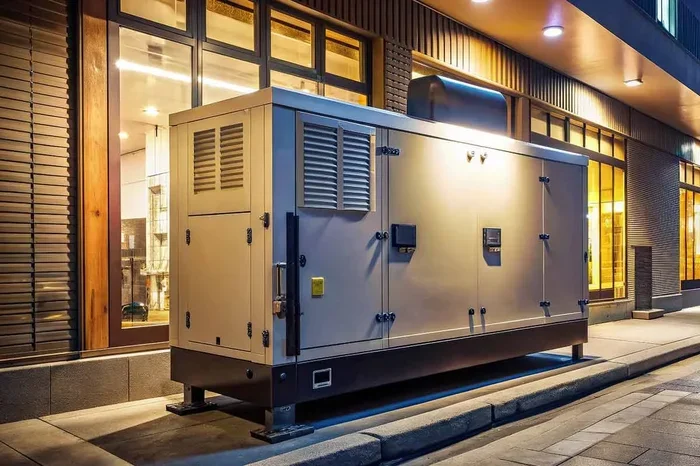
A standby 10000 watt generator installs permanently outside your home. It kicks on automatically when the power goes out. You do not need to run extension cords or set anything up manually. These units usually run on natural gas or propane.
Standby models cost more upfront, but they offer unmatched convenience. They are ideal for families who want seamless backup power without any effort. If you want to learn more about how generators connect to your home, check out our guide on how to run a generator to your house.
### Inverter Generators
Inverter generators produce clean, stable power that is safe for sensitive electronics like laptops and TVs. Some inverter models now come in the 10000 watt range, though they tend to be pricier. If you need quiet, clean power for a longer period, an inverter generator is worth the investment.
## Key Features to Look For
Not every 10000 watt generator offers the same value. Here are the features that make the biggest difference in real-world use.
### Fuel Type and Runtime
Fuel choice affects everything from operating cost to how long you can run the generator. Gasoline is the most common and easiest to find at any gas station. Propane burns cleaner and stores longer, making it a great option for emergency preparedness.
Dual-fuel models let you switch between gasoline and propane. This gives you flexibility and extends your runtime when needed. To understand how fuel consumption works at higher wattages, our article on how much propane a 20kw generator uses per hour offers useful data that scales down to 10000 watt units.
Runtime is another critical factor. A larger fuel tank means longer run times. Most 10000 watt generators run for 8 to 14 hours at half load on a full tank. Some models push beyond 20 hours at light loads.
### Noise Level
Nobody wants a generator that sounds like a jet engine. Noise levels on 10000 watt generators range from about 60 decibels to 80 decibels. The quieter models use advanced muffler designs and inverter technology. If you plan to run the generator near your home or in a campground, look for units rated under 70 decibels.
### Outlets and Connectivity
The number and type of outlets matter more than people think. Look for generators that offer a mix of 120V and 240V outlets. A 240V outlet is essential if you want to run a central air conditioner or an electric dryer. USB ports are a nice bonus for charging phones and tablets.
### Safety Features
A good 10000 watt generator includes built-in safety systems. Overload protection shuts the unit down if you draw too much power. Low-oil shutoff prevents engine damage when the oil level drops. Ground fault circuit interrupter (GFCI) outlets protect against electrical shock.
These features are not just nice to have. They protect your equipment and your family.
## Top Brands for 10000 Watt Generators
The brand you choose matters. Some manufacturers have decades of experience and a reputation for building reliable machines. Here are the top players in the 10000 watt space.
### Generac
Generac is one of the most recognized names in the generator world. Their 10000 watt models offer solid performance, user-friendly controls, and strong build quality. Generac also makes standby generators that integrate easily with home electrical systems. To learn more about Generac power capabilities, see our article on what powers a Generac home generator.
### Honda
Honda generators are known for exceptional reliability and fuel efficiency. Their inverter models are especially popular. Honda units tend to cost more, but they last longer and run quieter than most competitors.
### Westinghouse
Westinghouse offers great value for the price. Their 10000 watt generators come loaded with features that cost more from other brands. They are a solid choice for budget-conscious buyers who still want dependable power.
### Champion
Champion has gained a loyal following for offering affordable yet capable generators. Their 10000 watt models often include dual-fuel capability and longer warranties than competing brands.
## How to Choose the Right 10000 Watt Generator for You
Picking the right generator comes down to matching the machine to your needs. Here is a simple framework to guide your decision.
### Step 1: Calculate Your Power Needs
List every appliance and tool you plan to run. Add up the running watts and note the starting watts for each. A 10000 watt generator can handle most combinations, but you need to make sure your total draw stays within limits.
### Step 2: Decide on Portability
Will you store the generator in your garage and move it with a dolly? Or do you need something you can load into a truck bed? Portability affects the frame design, weight, and wheel type.
### Step 3: Consider Fuel Availability
Think about what fuel is easy to get in your area. Gasoline is convenient but has a shorter shelf life. Propane stores indefinitely and burns cleaner. Natural gas requires a permanent connection but offers unlimited runtime.
### Step 4: Set a Budget
10000 watt generators range from about $1000 to $4000 or more. Portable gas models sit in the lower range. Standby and inverter models cost more. Set a realistic budget and prioritize the features that matter most to you.
### Step 5: Read Reviews and Warranties
Check real user reviews for long-term reliability data. A strong warranty signals that the manufacturer stands behind their product. Look for warranties of at least 3 years on the generator and 1 year on parts.
## Common Mistakes to Avoid
Even experienced buyers make mistakes when shopping for a generator. Here are the ones to watch out for.
- Ignoring starting watts: Many people only look at running watts and get surprised by the surge demand of motors and compressors.
- Skipping the transfer switch: A transfer switch is essential for standby generators and highly recommended for portable units. It prevents backfeeding and keeps your system safe.
- Overloading the generator: Plugging in too many high-watt devices at once can trip the breaker or damage the engine. Spread your load across circuits when possible.
- Neglecting maintenance: Regular oil changes, spark plug checks, and fuel stabilizer use keep your generator running smoothly for years.
- Buying the cheapest option: Bargain generators often lack safety features and durability. Investing a little more upfront saves money and frustration in the long run.
## Maintenance Tips for Long-Lasting Performance
A 10000 watt generator is an investment. Proper maintenance keeps it running reliably for many years. Follow these simple tips.
- Change the oil every 50-100 hours of use. Fresh oil keeps the engine cool and reduces wear.
- Check the air filter monthly. A dirty air filter reduces efficiency and can cause starting problems.
- Use fuel stabilizer for stored fuel. Gasoline goes bad in 30 days without a stabilizer. This is especially important for backup generators that sit idle.
- Run the generator under load for 15 minutes monthly. This keeps the engine and alternator in good working condition.
- Inspect spark plugs annually. Replace worn spark plugs to maintain consistent power output.
- Keep the unit clean and dry. Store it in a covered area and wipe it down after each use.
For longevity, consider how long a well-maintained generator can last. Our guide on how long a whole house generator lasts covers lifespan expectations that apply to 10000 watt units as well.
## Final Thoughts
A 10000 watt generator is one of the most practical power solutions you can own. It covers the full spectrum of home backup needs, job site demands, and outdoor adventures. The key is choosing the right type, features, and brand for your situation.
Take the time to calculate your power needs, compare fuel options, and read through real user experiences. A good 10000 watt generator gives you peace of mind knowing that the lights stay on when the grid goes down. Start your search today and invest in reliable power that works as hard as you do.
Key Takeaways
- Versatile Power Output: A 10000 watt generator can run essential home appliances, tools, and equipment simultaneously without overloading.
- Fuel Options Matter: Gas, propane, and dual-fuel models each offer unique benefits for runtime, cost, and portability.
- Top Brands Deliver Reliability: Brands like Generac, Honda, and Westinghouse lead the market with proven performance and durability.
- Size and Portability Count: Consider weight, wheels, and frame design if you plan to move your generator frequently.
- Safety Features Are Essential: Look for models with overload protection, low-oil shutoff, and proper grounding options.
- Runtime Varies by Load: A 10000 watt generator can run anywhere from 8 to 24 hours depending on the fuel tank size and load level.
Frequently Asked Questions
What can a 10000 watt generator power in a house?
A 10000 watt generator can run most essential household appliances including a refrigerator, freezer, lights, a well pump, and several power tools simultaneously. It can even handle a window air conditioner or a small central AC unit depending on the startup draw. The key is to manage your total wattage load and avoid plugging in too many high-draw devices at once.
How much does a 10000 watt generator cost?
Prices for a 10000 watt generator range from about $1000 for basic portable models to $4000 or more for premium standby or inverter units. Gasoline-powered portable generators tend to be the most affordable option. Standby models that install permanently and run on natural gas or propane cost more but offer automatic startup and seamless backup power.
Is a 10000 watt generator loud?
Noise levels vary by model and brand. Most 10000 watt generators produce between 60 and 80 decibels, which is similar to a normal conversation up to the volume of a lawnmower. Inverter models tend to be the quietest. If noise is a concern, look for units rated under 70 decibels and place the generator as far from your home as your extension cords allow.
How long can a 10000 watt generator run on a full tank?
Runtime depends on the fuel tank size and the load you are running. Most 10000 watt generators run for 8 to 14 hours at half load on a full tank of gasoline. Propane models with larger tanks can extend runtime to 20 hours or more at light loads. Running the generator at full capacity will reduce runtime significantly.
Can I use a 10000 watt generator for RVing or camping?
Yes, a 10000 watt generator works well for RVs and camping trips that need substantial power. It can run an RV air conditioner, microwave, refrigerator, and charge multiple devices at the same time. However, these generators are heavier and less portable than smaller units, so make sure your vehicle can handle the weight and you have a level surface for setup.
What is the difference between running watts and starting watts?
Running watts are the continuous power a generator produces to keep appliances running. Starting watts are the extra burst of power needed to start motors in appliances like refrigerators, air conditioners, and pumps. A 10000 watt generator typically has a higher starting watt rating, which is what allows it to handle these surges. Always check both numbers when comparing models.