Quincy Compressor Parts Guide for Reliable Performance
This guide covers everything you need to know about Quincy compressor parts, from essential components to expert maintenance tips. Whether you own a Quincy compressor or are planning to buy one, understanding the right parts keeps your machine running strong. We break down key components, common problems, and smart buying tips in simple terms.
This is a comprehensive guide about quincy compressor parts.
Key Takeaways
- Quality Parts Matter: Using genuine Quincy compressor parts extends machine life and boosts performance.
- Know Your Model: Always match parts to your specific Quincy compressor model for proper fit.
- Regular Maintenance Saves Money: Replacing worn parts early prevents costly breakdowns.
- Genuine vs. Aftermarket: Genuine parts offer better reliability, but aftermarket options can work for non-critical components.
- Common Wear Items: Valves, gaskets, and filters need the most frequent attention.
- Warranty Protection: Using authentic Quincy parts keeps your warranty intact.
[FEATURED_IMAGE_PLACEHOLDER]
Quincy Compressor Parts: The Complete Guide for Reliable Performance
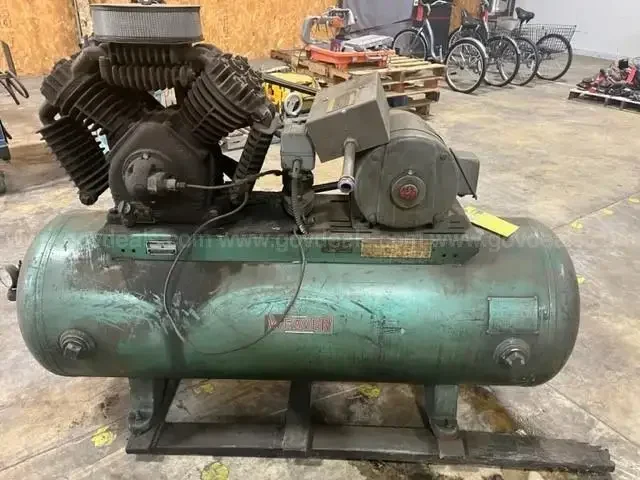
Quincy compressors have earned a strong reputation in the industrial and workshop world. They are known for durability, consistent pressure delivery, and long service life. But even the best machines need the right quincy compressor parts to keep running at their best.
Whether you are a facility manager, a workshop owner, or a DIY enthusiast, knowing your compressor parts makes a huge difference. This guide walks you through everything from basic components to advanced maintenance strategies. You will learn what to look for, what to avoid, and how to get the most out of your Quincy machine.
We will cover replacement parts, common wear items, buying tips, and expert advice. By the end, you will feel confident choosing the right compressor replacement parts for your needs. Let us dive in.
Understanding Quincy Compressor Parts and Their Functions
A Quincy compressor is made up of many working components. Each part plays a specific role in delivering clean, pressurized air. When one part wears out, it affects the whole machine. Understanding these components helps you make smarter decisions about repairs and upgrades.
The Air End: The Heart of Your Compressor
The air end is where the actual compression happens. It contains the cylinder, piston, and connecting rod. In reciprocating compressor parts, the air end takes the most beating over time. The cylinder walls can develop scoring, and piston rings wear down with constant use.
When the air end starts failing, you will notice drops in pressure. The compressor may also run hotter than normal. Replacing worn compressor cylinder head components early can prevent a full air end rebuild.
Valve Plates and Valve Kits
Valve plates control the flow of air into and out of the cylinder. They open and close hundreds of times per minute. Over time, they become worn, cracked, or stuck. A failing valve plate causes poor compression and reduced airflow.
A compressor valve kit is one of the most common Quincy compressor parts people need to replace. These kits include both inlet and exhaust valves. They are relatively inexpensive and easy to swap out. Regular inspection of valve plates can save you from bigger problems down the road.
Gaskets and Seals
Gaskets and seals prevent air leaks at every joint and connection point. A compressor gasket set is essential for maintaining airtight seals. When a gasket fails, your compressor loses efficiency and wastes energy.
Air leaks are one of the most common issues in compressed air systems. They can increase energy costs by 20 to 30 percent. Replacing worn gaskets is a simple fix that delivers immediate results.
Filters and Lubrication Components
Clean air starts with proper filtration. Compressor filter elements trap dust, moisture, and contaminants before they enter the system. Clogged filters force the compressor to work harder, which shortens its lifespan.
Lubrication is equally important. The right compressor lubrication reduces friction between moving parts. It also helps cool the machine during operation. Using low-quality oil or skipping oil changes leads to premature wear on critical Quincy compressor parts.
Common Quincy Compressor Parts That Wear Out Most
Not all parts wear at the same rate. Some components need attention more frequently than others. Knowing which parts fail most often helps you stay ahead of problems.
Valve Components
Valve plates and springs are the first to go in many compressors. They endure constant pressure changes and mechanical stress. Signs of worn valves include:
- Reduced air pressure output
- Unusual noises during operation
- Longer cycle times
- Increased heat generation
Replacing a compressor valve kit is quick and affordable. Waiting too long can damage the cylinder walls and piston, leading to much more expensive repairs.
Piston Rings and Cylinder Liners
Piston rings seal the combustion chamber and control oil consumption. When they wear out, you will notice oil leaking into the air output. Cylinder liners can also develop grooves over time.
These are more serious repairs, but catching them early keeps costs down. A full cylinder rebuild costs far less than replacing the entire air end. Using quality compressor rebuild kit components makes a big difference in longevity.
Motor and Electrical Parts
The motor drives the entire compressor system. Motor windings, capacitors, and starter components can fail due to overheating or electrical surges. Common signs of motor issues include:
- Failure to start
- Tripping breakers frequently
- Unusual humming or buzzing sounds
- Burning smell during operation
Replacing compressor motor parts promptly prevents further damage to other components. Always match electrical specs to your specific Quincy compressor model.
Bearings and Bushings
Bearings support the rotating shaft and reduce friction. Over time, they wear down and create excess play in the system. Worn bearings cause vibration, noise, and eventual shaft failure.
Regular lubrication extends bearing life significantly. However, even well-maintained bearings need replacement eventually. Keep spare air compressor components on hand so you can swap them out quickly when needed.
How to Choose the Right Quincy Compressor Parts
Choosing the right parts for your compressor is not always straightforward. There are many options available, and not all of them are equal. Here is what you need to consider before making a purchase.
Match Parts to Your Model
Every Quincy compressor model has specific part requirements. Using the wrong part can cause poor performance or even damage. Always check your owner’s manual or the part number stamped on the component before ordering.
Keep a record of your compressor’s model number and serial number. This makes finding the right Quincy compressor parts much easier. Many manufacturers also offer online lookup tools on their websites.
Genuine Parts vs. Aftermarket Options
This is one of the biggest decisions you will face. Both options have pros and cons. Here is a quick comparison:
| Factor | Genuine Quincy Parts | Aftermarket Parts |
|---|---|---|
| Fit and Compatibility | Perfect match for your model | May require adjustments |
| Durability | High quality materials | Varies by manufacturer |
| Warranty Protection | Keeps warranty intact | May void warranty |
| Price | Higher cost | More affordable |
| Availability | Through authorized dealers | Widely available online |
| Performance | Consistent with factory specs | May not match original specs |
For critical components like valve plates, cylinder heads, and motor parts, genuine Quincy parts are the safer choice. For less critical items like intake filters or simple gaskets, quality aftermarket parts can work well.
Where to Buy Authentic Parts
Buying from authorized Quincy distributors ensures you get the real thing. Many online retailers also carry genuine parts, but you must verify their authenticity. Look for sellers with good reviews and direct partnerships with Quincy.
Avoid unknown sellers on general marketplaces. Counterfeit parts are a real problem in the compressor industry. They may look similar but use inferior materials that fail quickly.
Quick Tips for Part Selection
- Always verify the part number against your compressor manual
- Buy from authorized dealers or reputable suppliers
- Keep a small inventory of common wear items on hand
- Do not compromise on gaskets and seals for critical applications
- Ask your dealer for compatibility confirmation before ordering
Maintenance Tips to Extend the Life of Quincy Compressor Parts
Regular maintenance is the best way to protect your investment. A well-maintained compressor runs more efficiently and needs fewer repairs. Here are practical steps you can take today.
Create a Maintenance Schedule
Consistency is key. Set up a weekly, monthly, and annual maintenance routine. Here is a simple schedule to follow:
- Weekly: Check oil level and drain moisture from the tank
- Monthly: Inspect air filters and clean the intake vent
- Quarterly: Check belt tension and inspect gaskets for leaks
- Annually: Replace oil, inspect valve plates, and check electrical connections
Following this schedule keeps your quincy compressor parts in top shape. It also helps you catch small problems before they become expensive repairs.
Monitor Air Quality and Pressure
Changes in air quality or pressure often signal part failure. If you notice moisture in the output air, check your filters and separators. If pressure drops during use, inspect the valve plates and gaskets first.
Using a simple pressure gauge and moisture indicator can help you track performance over time. Sudden changes are your early warning system.
Keep a Parts Inventory
Every workshop benefits from keeping spare parts on hand. Common items to stock include:
- Valve kits
- Gasket sets
- Air filter elements
- Oil filters
- Safety valve replacements
Having these parts ready means less downtime when something breaks. It also saves you from rush shipping fees and emergency repair costs.
Expert Insights on Compressor Care
Industry professionals emphasize one key principle: prevention beats repair. Spending a few minutes each week on basic checks can add years to your compressor’s life. One experienced technician shared this insight:
“I have seen shop owners spend thousands on compressor repairs that could have been avoided with a $50 valve kit and regular filter changes. Stay ahead of wear, and your machine will reward you.”
This advice applies to all Quincy compressor models. Whether you run a small garage or a large industrial facility, proactive maintenance pays off.
Common Mistakes to Avoid with Quincy Compressor Parts
Even experienced users make mistakes that shorten the life of their compressor. Here are the most common errors and how to avoid them.
Ignoring Small Leaks
A small air leak might seem harmless, but it adds up fast. Leaks waste compressed air, increase energy consumption, and put extra strain on the motor. Check all connections and seals regularly. Replace worn gaskets immediately when you spot a leak.
Using the Wrong Oil
Not all compressor oils are the same. Using the wrong viscosity or type can cause poor lubrication and increased wear. Always use the oil recommended by Quincy for your specific model. Check the manual or contact an authorized dealer if you are unsure.
Skipping Filter Changes
Clogged filters restrict airflow and force the compressor to work harder. This increases energy costs and accelerates wear on internal parts. Replace compressor filter elements on schedule, especially in dusty environments.
Overlooking Thermal Valve Issues
The thermal valve regulates oil temperature in the compressor. When it fails, the oil overheats and breaks down. This leads to poor lubrication and accelerated wear on bearings and cylinder walls. If your compressor runs hotter than usual, check the thermal valve as part of your troubleshooting.
Buying the Cheapest Parts Available
Saving a few dollars on cheap parts can cost you much more in the long run. Infercer quality components fail faster and may damage other parts in the system. Invest in quality compressor replacement parts from trusted sources.
Neglecting the Receiver Tank
The receiver tank stores compressed air and reduces cycling. Over time, tanks can develop rust, corrosion, or weak spots. Inspect your tank regularly and replace it if you notice any signs of deterioration. A failing tank is a safety hazard, not just a performance issue.
Quincy Compressor Warranty and Parts Support
Quincy compressors come with manufacturer warranties that cover defects in materials and workmanship. Understanding your warranty helps you make informed decisions about repairs and replacements.
Using genuine Quincy compressor parts is typically required to maintain warranty coverage. Aftermarket parts on critical components can void your warranty. Always check the warranty terms before performing any repairs yourself.
Quincy also offers parts support through authorized dealers and service centers. They can help you identify the right parts for your model and provide guidance on installation. Many dealers also offer extended service plans that cover routine maintenance and part replacements.
Keep your warranty documentation in a safe place. Record all maintenance activities and part replacements. This documentation is valuable if you ever need to file a warranty claim.
Conclusion
Keeping your Quincy compressor running at peak performance comes down to one thing: using the right quincy compressor parts at the right time. From valve kits and gaskets to filters and motor components, every part matters. Regular maintenance, smart part selection, and proactive care will extend the life of your machine and save you money on energy and repairs.
Take the time to understand your compressor’s specific needs. Match parts to your model, buy from trusted sources, and stay on top of your maintenance schedule. Your Quincy compressor is a long-term investment, and treating it with care pays dividends for years to come.
Start today by inspecting your machine and stocking up on common wear items. A few small steps now can prevent big problems later. Your compressor will thank you with reliable, efficient performance every single day.
Frequently Asked Questions
What are the most common Quincy compressor parts that need replacement?
The most common parts that wear out include valve plates, gaskets, piston rings, air filters, and oil filters. These components experience the most mechanical stress and need regular inspection. Keeping spare valve kits and gasket sets on hand helps minimize downtime when replacements are needed.
How do I know which Quincy compressor parts are compatible with my model?
Check your owner’s manual for the part numbers and model-specific information. You can also look for part numbers stamped directly on the components you need to replace. Contacting an authorized Quincy dealer with your model and serial number ensures you get the correct parts every time.
Can I use aftermarket parts instead of genuine Quincy compressor parts?
Yes, for non-critical components like intake filters and simple gaskets, quality aftermarket parts can work well. However, for critical components such as valve plates and cylinder heads, genuine Quincy parts are recommended. Using non-genuine parts on key components may also void your warranty.
How often should I replace filters in my Quincy compressor?
Air filters should be checked monthly and replaced every 500 to 1,000 operating hours, depending on your environment. Oil filters typically need replacement with each oil change. In dusty or industrial environments, you may need to replace filters more frequently to maintain optimal performance.
What is the average lifespan of Quincy compressor parts?
With proper maintenance, most Quincy compressor parts last several years. Valve kits typically last 1,000 to 2,000 hours of operation. Gaskets and seals may need replacement every 500 to 1,000 hours. Bearings can last 5,000 hours or more with proper lubrication and regular inspection.
Where can I find genuine Quincy compressor parts at fair prices?
Authorized Quincy dealers and distributors are the best source for genuine parts. Many also have online stores for convenient ordering. Reputable industrial supply websites and compressor specialty retailers also carry authentic Quincy parts. Always verify the seller’s authorization before purchasing to avoid counterfeit products.
Frequently Asked Questions
What is quincy compressor parts?
quincy compressor parts is an important topic with many practical applications.