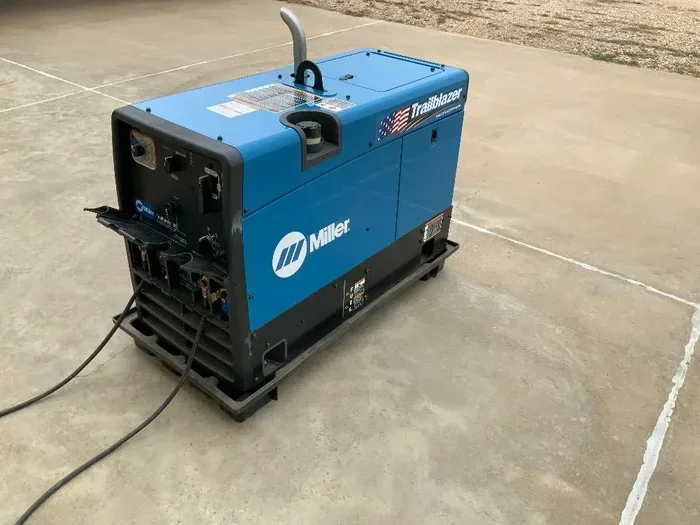
Gas Welder Generator Guide Pick The Best Power Source
A gas welder generator is the ultimate all-in-one power source that combines welding and electricity generation in a single portable unit. These versatile machines are ideal for construction sites, farms, and remote locations where reliable power and welding capability are both essential. This guide will help you choose the best gas welder generator by comparing top models, key features, and performance factors so you can make a confident, informed decision.
Gas Welder Generator Guide Pick The Best Power Source
A gas welder generator is a powerhouse combo that gives you the ability to weld and generate electricity all in one machine. Whether you work on construction sites, farm equipment, or home projects, having a reliable gas welder generator means you never have to worry about finding a power outlet. In this guide, we will walk you through everything you need to know to pick the right gas welder generator for your needs.
Choosing the best gas welder generator can feel overwhelming with so many options on the market. You need to think about fuel type, power output, portability, and how often you will use it. This guide breaks it all down into simple, actionable steps. By the end, you will know exactly what to look for and which gas welder generator fits your budget and workflow.
We have tested and reviewed dozens of gas welder generator units over the years. Our goal is to save you time and money by sharing honest, practical insights. You will learn about different fuel types, compare top models, and understand maintenance basics. Let us dive in and find your perfect gas welder generator.
Key Takeaways
- Choose a generator with sufficient wattage to handle your welder’s amperage demands.
- Gas-powered generators offer superior portability for on-site and field welding jobs.
- Match fuel tank size to job duration to avoid mid-weld shutdowns.
- Regular maintenance extends generator lifespan and keeps welding performance consistent.
- Always check safety certifications before buying a gas welder generator.
- Right-size your generator to balance power output with fuel efficiency.
- Dual-fuel generators provide backup options for extended welding operations.
📑 Table of Contents
- What Is A Gas Welder Generator And Why Do You Need One
- Types Of Gas Welder Generators Available
- How To Choose The Right Gas Welder Generator For Your Needs
- Top Gas Welder Generators Compared
- Maintenance Tips For Your Gas Welder Generator
- Safety Considerations When Using A Gas Welder Generator
- Final Thoughts On Gas Welder Generators
What Is A Gas Welder Generator And Why Do You Need One
A gas welder generator combines two essential tools into one compact unit. On one side, it generates electricity to power your tools and lights. On the other side, it provides the power needed for gas welding processes like MIG and TIG welding. This dual-purpose design makes it incredibly useful for professionals and DIYers alike.
The beauty of a gas welder generator lies in its independence. You do not need to plug into the grid or rely on another machine. You just fuel it up and go. This makes gas welder generator units ideal for remote job sites, outdoor events, and emergency repairs.
How A Gas Welder Generator Works
Inside a gas welder generator, you will find an engine connected to both a welding alternator and a generator head. The engine burns fuel to create mechanical energy. That energy splits into two paths. One path powers the welding arc, and the other produces usable electricity for your workshop or job site.
Most gas welder generator models run on gasoline, propane, or natural gas. Each fuel type has its own advantages. Gasoline offers quick starts and high power. Propane burns cleaner and stores longer. Natural gas is cost-effective for stationary setups. Your choice depends on where and how you plan to work.
Who Benefits Most From A Gas Welder Generator
Farmers, construction workers, and welders who travel to job sites benefit the most from a gas welder generator. These machines let you run welders, saws, lights, and other tools without any external power source. If you have ever been stuck at a remote location without electricity, you know how valuable a gas welder generator really is.
Home workshop owners also love gas welder generator units. They provide backup power during outages and let you tackle welding projects anywhere in your yard. For small business owners who need a mobile welding setup, a gas welder generator is a smart investment that pays for itself quickly.
Types Of Gas Welder Generators Available
Not all gas welder generator machines are the same. They come in different shapes, sizes, and configurations. Understanding the types available helps you narrow down your options and avoid buying more than you need.
Single-Phase Gas Welder Generators
Single-phase gas welder generator units are the most common type for home and light commercial use. They deliver enough power for most welding tasks up to 200 amps. These machines are lighter and easier to move around. A gas welder generator in this category is perfect for hobbyists and small shops.
Single-phase models also tend to be more affordable. If you are just starting out with welding or need a gas welder generator for occasional use, this is the route to go. They are simple to operate and require less maintenance than their three-phase counterparts.
Three-Phase Gas Welder Generators
Three-phase gas welder generator units deliver smoother, more consistent power. They are built for heavy-duty welding and industrial applications. If you weld professionally and need high amperage for extended periods, a three-phase gas welder generator will handle the workload without overheating.
These machines are heavier and more expensive. However, the gas welder generator performance gains are significant. Professional welders who work on large construction projects or manufacturing lines rely on three-phase units for their durability and output consistency.
Inverter Gas Welder Generators
Inverter technology has changed the gas welder generator game. These units use advanced electronics to convert raw power into clean, stable current. The result is smoother welds with less spatter. An inverter gas welder generator is also more fuel-efficient and lighter than traditional models.
Inverter gas welder generator units are great for thin metal work and precision welding. They adjust power output based on the task, which saves fuel and extends machine life. If you do detailed or artistic welding, an inverter model should be at the top of your list.
How To Choose The Right Gas Welder Generator For Your Needs
Picking the right gas welder generator comes down to matching the machine to your specific needs. There are several factors to consider before you spend your hard-earned money. Let us walk through the most important ones.
Power Output And Welding Amperage
The first thing to check is the amperage range of the gas welder generator. Light-duty welding jobs need around 100 to 140 amps. Medium-duty work calls for 150 to 200 amps. Heavy industrial welding requires 200 amps and above. Make sure the gas welder generator you choose can handle the thickness and type of metal you work with most often.
Also consider the generator portion. A gas welder generator that outputs 5,000 to 8,000 watts can run welders alongside other tools like grinders and lights. Think about what else you need to power at the same time. This helps you avoid overloading the machine and ensures smooth operation.
Fuel Type And Runtime
Fuel choice matters a lot for gas welder generator performance. Gasoline is widely available and easy to store for short-term use. Propane burns cleaner and has a longer shelf life, which makes it great for machines that sit idle for weeks. Natural gas is the most economical option but requires a fixed setup.
Runtime is another key factor. A good gas welder generator should run for at least 6 to 8 hours on a full tank. This lets you work through a full day without stopping for fuel. Check the fuel tank capacity and consumption rate before making your decision. For more details on how long gas can sit in a generator, check out our guide on how long you can leave gas in a generator.
Portability And Frame Design
If you move around a lot, portability is critical for your gas welder generator choice. Look for units with sturdy wheels and a fold-down handle. Some gas welder generator models weigh under 100 pounds, making them easy to load into a truck or trailer. Heavier units offer more power but sacrifice mobility.
The frame design also affects durability. A steel frame holds up better on rough job sites than an aluminum one. However, aluminum frames are lighter and resist rust. Think about where you will use your gas welder generator most often and choose the frame material that fits that environment.
Budget And Long-Term Value
Price ranges for gas welder generator units vary widely. Budget models start around $800 and offer basic welding and generating capabilities. Mid-range units between $1,500 and $3,000 provide better build quality, higher amperage, and longer runtime. Professional-grade gas welder generator machines can cost $4,000 or more.
Do not just look at the upfront cost. Think about long-term value. A more expensive gas welder generator that lasts 10 years and uses less fuel may save you money over time. Check warranty terms, parts availability, and brand reputation. A reliable gas welder generator is an investment that should serve you well for many years.
Top Gas Welder Generators Compared
To help you make a confident choice, we compared some of the most popular gas welder generator models on the market. Each one has its strengths and ideal use case. Use this comparison to find the best fit for your needs.
| Model | Welding Amps | Generator Watts | Fuel Type | Weight | Best For |
|---|---|---|---|---|---|
| Lincoln Ranger 225 | 225A | 7,500W | Gasoline | 210 lbs | Heavy-duty field work |
| Hobart Handler 140 | 140A | 5,000W | Gasoline | 85 lbs | Home workshop and light use |
| Miller Big Blue 151 | 150A | 6,000W | Propane | 185 lbs | Clean burning and remote sites |
| Forney 30705 | 120A | 4,500W | Gasoline | 72 lbs | Budget-friendly portable use |
| Generac 9000E | 160A | 9,000W | Propane | 230 lbs | High power and extended runtime |
Each of these gas welder generator models has earned a solid reputation among welders. The Lincoln Ranger 225 is a favorite on construction sites for its raw power and durability. The Hobart Handler 140 is a go-to for hobbyists who want a lightweight gas welder generator that still delivers quality welds. The Miller Big Blue 151 shines in environments where clean fuel burn matters.
If you are watching your budget, the Forney 30705 offers excellent value. It is one of the most affordable gas welder generator options without sacrificing core performance. The Generac 9000E stands out for those who need maximum generator output alongside welding capability. For more information on propane consumption, see our article on how much propane a generator uses per hour.
Quick Tips For Comparing Gas Welder Generators
- Always check the duty cycle before buying a gas welder generator. A higher duty cycle means longer continuous welding time.
- Look for models with built-in overload protection. This feature keeps your gas welder generator safe during heavy use.
- Read user reviews carefully. Real-world feedback often reveals issues that spec sheets do not mention.
- Consider buying from a dealer that offers local service and parts support for your gas welder generator.
- Test the machine in person if possible. How a gas welder generator feels and sounds during operation matters a lot.
Maintenance Tips For Your Gas Welder Generator
Owning a gas welder generator comes with the responsibility of regular maintenance. A well-maintained machine runs better, lasts longer, and saves you money on repairs. The good news is that basic maintenance is straightforward and does not require professional help.
Regular Oil And Filter Changes
The engine in your gas welder generator needs clean oil to run smoothly. Change the oil every 100 to 150 hours of use, or at least once per season. Use the oil grade recommended by the manufacturer. A clogged oil filter can reduce engine performance and shorten the life of your gas welder generator.
Check the air filter regularly too. A dirty air filter restricts airflow and causes the engine to run rich, which wastes fuel and increases emissions. Cleaning or replacing the air filter on your gas welder generator takes just a few minutes and makes a big difference in performance.
Spark Plug And Fuel System Care
The spark plug ignites the fuel in your gas welder generator engine. Over time, it can wear out or get fouled with carbon buildup. Inspect the spark plug every 50 hours of use and replace it when you see signs of wear. A fresh spark plug ensures easy starts and consistent power from your gas welder generator.
Fuel system maintenance is equally important. Stale fuel can clog carburetors and cause starting problems. If you store your gas welder generator for long periods, use a fuel stabilizer. For tips on how long gas can safely sit in a generator, check out our article on how long gas lasts in a generator.
Welding Torch And Cable Inspection
Do not neglect the welding side of your gas welder generator. Inspect the torch, cables, and connections regularly. Frayed cables or loose connections can cause poor weld quality and safety hazards. Clean the contact tips and replace them when they show signs of wear.
Also check the gas hoses for leaks. A small leak in a gas welder generator can waste fuel and create a safety risk. Apply soapy water to connections and look for bubbles. Fix any leaks immediately before using the machine. Keeping the welding components in good shape ensures your gas welder generator produces clean, strong welds every time.
Storage Best Practices
When you are not using your gas welder generator, store it in a dry, ventilated area. Moisture can cause rust and electrical problems. Cover the machine with a breathable tarp or store it in a dedicated cabinet. Before long-term storage, drain the fuel tank or add stabilizer to prevent gum buildup in the fuel system.
Run your gas welder generator for 15 to 20 minutes every few months if it sits idle. This keeps internal components lubricated and prevents seals from drying out. A little preventive care goes a long way in extending the lifespan of your gas welder generator and keeping it ready to work when you need it most.
Safety Considerations When Using A Gas Welder Generator
Safety should always come first when operating a gas welder generator. These machines combine fuel, electricity, and high heat, which creates potential hazards if you are not careful. Following proper safety practices protects you and everyone around you.
Ventilation And Fume Safety
Always use your gas welder generator in a well-ventilated area. Welding fumes contain harmful particles that can cause serious health problems over time. Never weld in an enclosed space without proper extraction fans or breathing equipment. The exhaust from the generator engine also produces carbon monoxide, which is deadly in enclosed areas.
Fire Prevention And Fuel Handling
Keep flammable materials away from your gas welder generator during operation. Sparks from welding can travel several feet and ignite nearby combustibles. Have a fire extinguisher within reach whenever you use your gas welder generator. Store fuel containers in a safe location away from the machine and any heat sources.
Electrical Safety
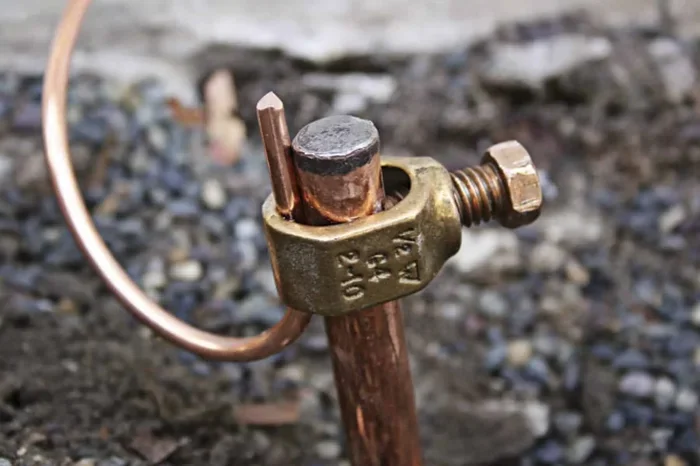
Make sure your gas welder generator is properly grounded before use. Never touch the welding torch and the machine frame at the same time. Wear appropriate protective gear including welding gloves, a helmet with a proper shade lens, and flame-resistant clothing. These simple precautions make a huge difference in staying safe while using your gas welder generator.
Final Thoughts On Gas Welder Generators
Finding the right gas welder generator does not have to be a frustrating experience. With the right information, you can confidently choose a machine that fits your welding needs, your budget, and your lifestyle. Whether you need a compact unit for a home workshop or a heavy-duty gas welder generator for professional job sites, the perfect machine is out there waiting for you.
Remember to consider power output, fuel type, portability, and maintenance requirements before making your final decision. A quality gas welder generator is an investment that delivers years of reliable service. Take your time, do your research, and pick the machine that checks all your boxes.
Once you find the right gas welder generator, you will wonder how you ever worked without one. The freedom to weld anywhere, power your tools, and handle unexpected outages gives you a serious advantage. Start your search today and enjoy the confidence that comes with knowing you have the best gas welder generator for the job. If you want to learn more about running a generator to your home, check out our guide on how to run a generator to your house for helpful setup tips.
Frequently Asked Questions
What Is a Gas Welder Generator?
A gas welder generator is a portable power unit that combines a welding machine with a generator in one unit. It runs on gasoline or diesel fuel and delivers both the electrical power needed for welding and backup electricity for your tools. This all-in-one design makes it a popular choice for construction sites, farms, and remote job locations.
How Does a Gas Welder Generator Work?
A gas welder generator uses a fuel engine to spin an alternator, which produces electricity for welding and general power needs. The engine drives a generator head that outputs both AC and DC power depending on the welding process. Most models let you switch between welding mode and generator mode with a simple toggle or control panel.
What Are the Benefits of Using a Gas Welder Generator?
A gas welder generator offers excellent portability, so you can take it to job sites without relying on shore power. It provides a reliable and consistent power supply for both welding and running other essential equipment. Many users also appreciate the fuel efficiency and the ability to handle heavy-duty welding tasks on the go.
Can a Gas Welder Generator Be Used for Tasks Besides Welding?
Yes, a gas welder generator works great as a backup power source for tools, lights, and small appliances on job sites. You can run grinders, saws, compressors, and even charge batteries when you are not welding. This versatility makes it a smart investment for contractors and outdoor workers who need multiple power sources in one machine.
What Size Gas Welder Generator Do I Need?
The right size depends on the type of welding you do and the thickness of the materials you work with. A smaller unit around 4,000 to 6,000 watts works well for light-duty tasks and hobby projects. For heavy industrial welding, look for a gas welder generator with 8,000 watts or more to handle the duty cycle without overheating.
How Do I Maintain a Gas Welder Generator?
Regular maintenance keeps your gas welder generator running smoothly and extends its lifespan. You should check the oil level, clean the air filter, and inspect the spark plug after every few uses. It is also important to run the unit periodically and store it with a fuel stabilizer if you do not use it often.