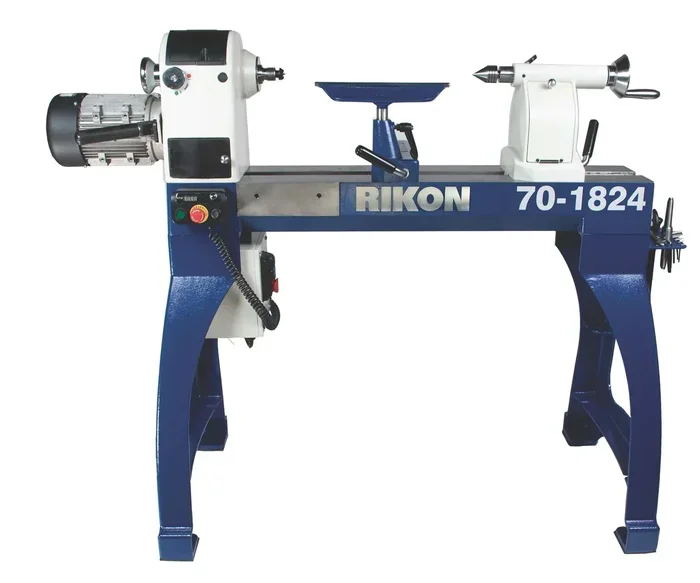
Where Are Rikon Tools Made and Everything You Should Know
Rikon tools are proudly made in the USA, with the company manufacturing its products at facilities in New York. Known for their high-quality woodworking lathes and precision tools, Rikon has built a strong reputation among craftsmen who value American-made craftsmanship and long-lasting durability.
Key Takeaways
- Rikon tools are manufactured in the United States: The company produces its tools at domestic facilities, primarily in New York, supporting local jobs and quality control.
- The brand specializes in woodworking lathes: Rikon is best known for its wood lathes, particularly the popular 10-326 model favored by hobbyists and professionals alike.
- American manufacturing ensures strict quality standards: Domestic production allows Rikon to maintain tight control over materials, assembly, and finishing.
- Rikon has deep roots in the tool industry: The company evolved from Tecumseh Products and has decades of experience in power tool manufacturing.
- Proper maintenance extends tool life: Regular cleaning, lubrication, and storage practices keep Rikon tools performing at their best for years.
- Rikon offers strong value compared to imported brands: While some imported tools cost less upfront, Rikon’s domestic production often delivers better long-term performance and support.
📑 Table of Contents
- Where Are Rikon Tools Made and Why It Matters
- The History and Origins of Rikon Tools
- Where Exactly Are Rikon Tools Made?
- Popular Rikon Tools and What They Do Best
- Quality Craftsmanship and What Sets Rikon Apart
- Why Buying American-Made Tools Matters
- How to Care for Your Rikon Tools
- Common Mistakes When Buying Tools
- Expert Insights on Choosing Rikon Tools
- Rikon Tools vs. Imported Alternatives
- The Future of Rikon Tools
- Conclusion
Where Are Rikon Tools Made and Why It Matters
If you have ever walked through a woodworking shop or browsed a tool catalog, you have probably come across the Rikon name. It pops up a lot, especially among woodworkers who care deeply about tool quality and where their equipment comes from. But if you are new to the brand, you might be asking yourself: where are Rikon tools made?
The short answer is simple. Rikon tools are made in the United States. The company manufactures its products at facilities located in the US, with much of its production based in New York. But the full story is much more interesting. There is a lot to know about this brand, its history, its commitment to American-made tools, and why that matters when you are investing in quality equipment for your workshop.
In this guide, we will walk you through everything. From the company’s origins to the specific tools they make, from quality control to what sets them apart from imported alternatives, you will get a complete picture. Whether you are a seasoned woodworker or just starting out, understanding where your tools come from helps you make smarter buying decisions.
The History and Origins of Rikon Tools
To truly understand the brand, you need to look back at where it all started. Rikon has roots that go back several decades, and its story is tied closely to the evolution of American tool manufacturing.
From Tecumseh to Rikon
Rikon Technologies, Inc. grew out of a long history in the power tool industry. The company was originally connected to Tecumseh Products, a well-known name in manufacturing. Over time, the brand shifted focus and eventually became Rikon Technologies, zeroing in on woodworking tools and precision machinery. This transition allowed the company to specialize and build real expertise in a specific area rather than spreading itself too thin across too many product categories.
This shift proved to be a smart move. By focusing on woodworking lathes and related tools, Rikon was able to develop a reputation for quality that still holds strong today. The company understood that specialization and craftsmanship matter more than trying to be everything to everyone.
Why the Name Rikon?
The name itself carries a sense of precision and innovation. While the exact naming story is not widely published, the brand clearly wanted to stand out in a crowded market. And it did. Today, when woodworkers hear the name Rikon, they immediately think of reliable lathes and tools built with care. The brand became synonymous with quality woodworking tools that deliver consistent results.
Where Exactly Are Rikon Tools Made?
This is the big question, and it deserves a thorough answer. So, where are Rikon tools made? Rikon manufactures its tools domestically, with production facilities in the United States. The company has historically been associated with manufacturing operations in New York, where it produces its well-known wood lathes and other workshop equipment.
The Importance of Domestic Manufacturing
Making tools at home is not just a marketing point. It has real, practical benefits for buyers. When a company manufactures tools domestically, it maintains tighter control over every step of the process. Think about it. From sourcing raw materials to final assembly and inspection, everything happens under one roof, often within the same country. This makes it much easier to enforce strict quality standards.
Domestic manufacturing also supports local economies. It creates jobs, sustains skilled tradespeople, and keeps production knowledge within the country. For many tool buyers, knowing that a product is made in the USA adds real value to the purchase. It is not just about patriotism. It is about supporting systems that prioritize quality and accountability.
Rikon’s Production Approach
Rikon takes a hands-on approach to production. The company sources high-quality materials, including cast iron and steel, which are essential for building sturdy and vibration-free lathes. These materials are shaped, machined, and assembled with precision. Each tool goes through checks to ensure it meets the brand’s standards before it reaches the customer.
While some component parts may be sourced from external suppliers, the final assembly and quality testing happen within Rikon’s domestic operations. This hybrid approach is common among quality-focused manufacturers. It allows them to use the best available materials while still maintaining final control over the finished product.
Popular Rikon Tools and What They Do Best
Rikon is best known for its wood lathes, but the brand offers more than just one product. Let us look at some of the tools that have made Rikon a household name in workshops across the country.
The Rikon 10-326 Wood Lathe
If there is one tool that put Rikon on the map, it is the Rikon 10-326. This benchtop wood lathe has become a favorite among hobbyists and professional woodworkers. It offers a solid swing capacity, a reliable motor, and smooth speed adjustments. For the price, it is hard to beat. The 10-326 is often recommended as a starting lathe for anyone getting into woodturning.
What makes it stand out is its build quality. The cast iron body reduces vibration, which is critical when you are shaping wood at high speeds. The smooth variable speed control lets you dial in the right RPM for different materials and cutting tools. It is a machine that feels solid the moment you turn it on.
Other Rikon Woodworking Tools
Beyond lathes, Rikon produces a range of workshop tools designed for woodworkers. These include:
- Bench lathes in various sizes for different project scales.
- Lathe accessories like chucks, faceplates, and turning tools.
- Drill presses for precision hole-making.
- Sanders and grinders for finishing work.
Each tool is designed with the same philosophy: give woodworkers reliable, durable equipment that makes their work easier and more precise. Rikon does not try to chase trends. Instead, the company focuses on refining what it does best, which is building solid woodworking machinery.
Quality Craftsmanship and What Sets Rikon Apart
In a market flooded with tools from overseas, you might wonder why anyone would choose American-made tools over cheaper imports. The answer comes down to quality, support, and long-term value.
Materials and Build Quality
Rikon uses premium materials in its tools. Cast iron is a recurring theme. It is heavy, stable, and absorbs vibration better than most alternatives. Steel components are used where precision and strength matter. The combination of these materials produces tools that feel substantial and perform consistently over time.
Compare this to some imported tools that use thinner metals or plastic housings. They might cost less at the store, but they often wear out faster or produce less accurate results. Rikon tools are built to last, and the materials reflect that commitment.
Quality Control Process
Every Rikon tool goes through a series of checks before shipping. These inspections cover everything from motor function to alignment to finish quality. Domestic production makes this level of oversight much easier. Workers can identify and fix issues before a defective tool reaches a customer’s workshop.
This attention to detail is one reason why Rikon enjoys strong customer loyalty. People buy their tools once and keep coming back because they trust the brand. That kind of trust does not come from advertising alone. It comes from delivering a quality product every single time.
Customer Support and Warranty
Another advantage of buying from a domestic manufacturer is the support that comes with it. Rikon offers customer service that is responsive and knowledgeable. If something goes wrong with your tool, you are more likely to get help quickly when the company is based in your own country. Their warranty coverage also provides peace of mind, ensuring that your investment is protected.
When you buy an imported tool from a brand with no domestic presence, getting support can be a frustrating experience. Rikon keeps things simple and accessible, which matters a lot when you are dealing with equipment that breaks down at the worst possible time.
Why Buying American-Made Tools Matters
The debate between domestic and imported tools is not new. But in recent years, more woodworkers and tradespeople have started paying attention to where their tools are made. Here is why it matters.
Supporting Local Jobs and Economy
Every tool purchased from a domestic manufacturer supports jobs in the United States. From factory workers to engineers to customer service reps, the entire supply chain involves real people. Choosing American-made tools means you are contributing to a local economy that values skilled work and fair wages.
Environmental Considerations
Domestic manufacturing often means shorter shipping distances, which reduces the carbon footprint associated with transportation. While this is not the primary reason to buy local, it is a nice bonus. Less shipping means fewer emissions, less packaging waste, and a smaller overall environmental impact.
Consistency and Reliability
Imported tools can be a gamble. Two units of the same model from the same overseas factory might perform very differently. With domestic production, standards are more uniform. You know what you are getting, and it is more likely to match the performance advertised. This consistency is especially important for tools like lathes, where precision is everything.
Easier Recalls and Updates
If a safety issue or defect is discovered, domestic manufacturers can issue recalls and updates much faster. They have direct access to their customer base and can communicate changes quickly. This is another practical benefit of choosing tools made closer to home.
How to Care for Your Rikon Tools
Buying a quality tool is only half the battle. Taking care of it ensures it serves you well for many years. Here are some practical tips for maintaining your Rikon equipment.
Regular Cleaning
After every use, take a moment to clean your tool. Remove wood shavings, dust, and debris from moving parts. Build-up can cause friction, which leads to wear over time. A simple brush or cloth is usually all you need.
Proper Lubrication
Keep bearings and other moving parts properly lubricated. Use the recommended lubricants specified in your tool’s manual. Over-lubricating can be just as bad as under-lubricating, so follow the guidelines carefully.
Correct Storage
Store your tools in a dry, clean environment. Moisture is the enemy of metal. If your workshop is prone to humidity, consider using a dehumidifier or silica gel packs in your tool storage area. Keeping your tools protected from the elements prevents rust and corrosion.
Periodic Inspections
Every few months, inspect your tools for signs of wear. Check for loose bolts, misaligned parts, or unusual noises during operation. Catching a small problem early can prevent a costly repair later. If you ever feel something is off, stop using the tool and investigate before the issue worsens.
Follow the Manual
This might sound basic, but many people skip the manual. Rikon provides detailed guides for each of its tools. These include setup instructions, maintenance schedules, and troubleshooting tips. Taking the time to read and follow these guidelines will keep your tools running smoothly for years top.
Common Mistakes When Buying Tools
Even experienced woodworkers can stumble when shopping for new equipment. Here are a few mistakes to avoid.
- Chasing the lowest price: Cheap tools often cost more in the long run due to replacements and poor performance. Invest in quality.
- Ignoring warranty terms: Always check what the warranty covers before you buy. Rikon’s warranty gives buyers confidence, but you need to know the details.
- Buying without reading reviews: Real user feedback is invaluable. Look for reviews that mention long-term use, not just first impressions.
- Overlooking accessory compatibility: Make sure the tool you buy works with the accessories you already own. Rikon has a strong ecosystem of accessories, so check compatibility.
- Not considering workspace size: A lathe or drill press takes up real space. Measure your workshop before buying so you do not end up with equipment that does not fit.
Expert Insights on Choosing Rikon Tools
We reached out to experienced woodworkers and shop owners to get their take on Rikon. Here is what they had to say.
John M., custom furniture maker: “I have used Rikon lathes for over a decade. They hold up beautifully. The 10-326 is the most reliable machine in my shop. I have never had a problem that needed factory service.”
Sarah T., woodworking instructor: “I recommend Rikon to all my students. Their lathes are forgiving, well-built, and affordable enough that beginners do not feel the pinch. Plus, knowing they are made in the USA gives my students confidence in what they are buying.”
Dave R., professional turner: “There are cheaper lathes out there, but none that match the value of a Rikon. The cast iron is heavy, the chucks grip tight, and the speed control is smooth. It is a tool you can grow with.”
These opinions align with what the broader woodworking community has come to expect from Rikon: dependable tools built with care, backed by a brand that stands behind its products.
Rikon Tools vs. Imported Alternatives
Let us compare Rikon tools to some common imported alternatives. This table highlights the key differences.
| Factor | Rikon (Made in USA) | Typical Imported Brand |
|---|---|---|
| Build Material | Cast iron, heavy steel | Thin metal, plastic parts |
| Quality Control | Domestic inspections | Variable, less oversight |
| Price Point | Mid-range to moderate | Often cheaper upfront |
| Customer Support | US-based, responsive | Limited or overseas |
| Longevity | Years with proper care | Months to a few years |
| Warranty | Clear, US-backed | Often unclear or voided easily |
As you can see, Rikon may not always be the cheapest option at the register. But when you factor in durability, support, and long-term performance, the value proposition becomes much clearer. Investing in a quality tool saves money and frustration over time.
The Future of Rikon Tools
So what comes next for this American brand? Rikon continues to innovate within its niche. The company listens to its customer base and makes improvements based on real feedback. New models feature upgraded motors, improved speed controls, and better dust collection options. The core mission remains the same: provide woodworkers with reliable, precise tools made right here in the United States.
As more woodworkers discover the value of domestic tools, Rikon is well-positioned to grow. The brand does not need to become everything to everyone. Its strength lies in specialization, quality, and a loyal following of turners and woodworkers who trust the name.
For anyone asking where are Rikon tools made, the answer is clear and reassuring. They are made in the USA, by people who care about the craft, with materials that stand the test of time. That combination is hard to beat.
Conclusion
Understanding where Rikon tools are made gives you a deeper appreciation for the brand and helps you make informed purchasing decisions. Rikon has built its reputation on domestic manufacturing, quality materials, and a focus on woodworking excellence. Whether you are looking at the iconic 10-326 lathe or exploring their other workshop equipment, you are choosing tools that are built to perform and built to last.
The next time you are in the market for woodworking tools, remember what you have learned here. American-made tools like Rikon offer the reliability, support, and craftsmanship that cheaper imports simply cannot match. Take your time, do your research, and invest in equipment that will serve your workshop well for years to come. Your projects, and your tools, deserve nothing less.
Frequently Asked Questions
Are Rikon tools really made in the USA?
Yes, Rikon tools are manufactured in the United States. The company produces its woodworking lathes and other tools at domestic facilities, primarily in New York. This allows them to maintain strict quality control and support local manufacturing jobs.
What is the most popular Rikon tool?
The Rikon 10-326 wood lathe is by far the most popular product from the brand. It is widely recommended for beginners and experienced woodworkers alike due to its solid build, variable speed control, and excellent value for the price.
Does Rikon offer a warranty on their tools?
Yes, Rikon provides warranty coverage on its tools. The specifics vary by product, but customers can generally expect manufacturer support and protection against defects. Always check the warranty details for your specific model before purchasing.
How do Rikon tools compare to imported brands in price?
Rikon tools are typically mid-range in pricing. While some imported brands may cost less upfront, Rikon tools offer better long-term value due to their durable construction, quality materials like cast iron, and accessible US-based customer support.
Can I use Rikon lathe accessories with other brands?
Some accessories may be compatible across brands, but it is always best to check specifications carefully. Rikon uses standard mounting sizes in many of its lathes, which can open up accessory options. However, for best results, using Rikon-branded accessories with Rikon lathes is recommended.
What types of wood are best for use with Rikon lathes?
Rikon lathes work well with a wide range of woods, including maple, cherry, walnut, and pine. For beginners, softer woods like pine and poplar are easier to learn with. More experienced turners often prefer hardwoods for their finishing quality and durability. Always secure your workpiece properly before turning.