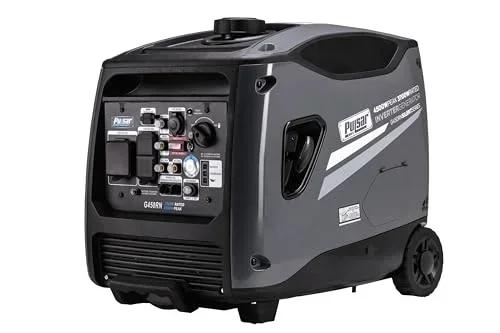
Best Powersmart Inverter Generator Picks and Reviews
The Powersmart inverter generator is a popular choice for anyone who needs reliable, portable power. In this guide, we break down the top models, their features, and how they stack up for camping, RV use, and emergency backup power.
Key Takeaways
- Fuel efficiency matters: Powersmart inverter generators use less fuel and run longer per tank compared to conventional models.
- Quiet operation is a major advantage: Most models operate at low noise levels, making them ideal for camping and residential use.
- Clean energy output protects sensitive electronics: Low THD power from inverter technology keeps your devices safe.
- Parallel capability adds flexibility: You can link two units together for double the wattage output when you need it most.
- Proper sizing is critical: Matching your generator to your power needs prevents overload and wasted money.
- Regular maintenance extends lifespan: Simple upkeep keeps your Powersmart inverter generator running strong for years.
📑 Table of Contents
- Why the Powersmart Inverter Generator Stands Out
- How Inverter Technology Makes a Difference
- Top Powersmart Inverter Generator Models Reviewed
- Key Features to Look For in a Powersmart Inverter Generator
- Practical Uses for the Powersmart Inverter Generator
- Maintenance Tips to Keep Your Generator Running Strong
- Common Mistakes When Choosing a Powersmart Inverter Generator
- Expert Insights on Inverter Generator Value
- Final Verdict on the Best Powersmart Inverter Generator
- Conclusion
Why the Powersmart Inverter Generator Stands Out
If you have ever used a traditional portable generator, you know they can be loud, fuel-hungry, and clunky. The Powersmart inverter generator flips that script entirely. It combines compact design with smart inverter technology to deliver clean, stable power in a package that is easy to carry and gentle on fuel.
These generators are built for people who value portability and reliability. Whether you are heading into the woods for a weekend camping trip or powering up your RV, a Powersmart unit handles the job without breaking the bank. The inverter technology adjusts engine speed to match the load, which means you get fuel efficiency and quiet operation in one package.
But not every Powersmart model is created equal. Some lean toward lightweight camping use, while others pack enough punch to run household appliances during an outage. The key is understanding what each model offers so you can pick the right fit. Let us dive into the details.
How Inverter Technology Makes a Difference
Before we look at specific models, it helps to understand what makes an inverter generator different from a standard unit. Traditional generators run at a constant speed to produce power. That works fine for simple tools and lights, but it creates a rougher electrical output that can harm sensitive electronics like laptops and phones.
Inverter generators take a different approach. They produce high-quality AC power and then convert it to DC and back again. This process smooths out the electrical signal, resulting in clean energy with very low total harmonic distortion, or THD. The result is power that is safe for your most delicate devices.
Here is a quick comparison to show the difference:
- Standard generators: Run at full speed constantly, burn more fuel, produce higher noise levels, and deliver power with higher THD.
- Inverter generators: Adjust speed to match demand, use less fuel, run much quieter, and deliver clean power with low THD.
This is why the Powersmart inverter generator is a smart pick for anyone who cares about protecting their electronics while saving on fuel costs.
Top Powersmart Inverter Generator Models Reviewed
Powersmart 2000W Portable Inverter Generator
This is one of the lighter models in the Powersmart lineup. It is compact, easy to carry, and built for outdoor enthusiasts. With around 2000 starting watts and a modest fuel tank, it delivers solid runtime for camping or tailgating. The noise level stays low enough that you will not disturb fellow campers at night.
It runs on regular gasoline and features a simple pull-start mechanism. The USB charging ports are a nice bonus for keeping phones and tablets powered. If you need a camping generator that does not take up much space, this model is a strong contender.
Powersmart 3000W RV-Ready Inverter Generator
Stepping up in power, this 3000-watt model hits a sweet spot for RV users. It has enough wattage output to run air conditioners, microwaves, and refrigeration units without breaking a sweat. The parallel capability allows you to connect two units for even more power when your RV demands spike.
Fuel efficiency is impressive here. The engine throttles down when your load is light, stretching each tank of gas significantly. For anyone asking what size generator to run furnace and refrigerator, this model is worth a close look for smaller setups.
Powersmart 4000W Heavy-Duty Inverter Generator
This is the big gun in the lineup. With 4000 starting watts, it can handle heavier loads including well pumps, sump pumps, and several household appliances at once. It is still portable, but you will notice the extra weight. Think of it as a bridge between a portable generator and a full home backup system.
The frame is rugged and designed for rough handling. It also includes features like an automatic low-oil shutoff to protect the engine. If you are considering a unit for emergency backup power, this model delivers the reliability you need.
Comparison Table: Powersmart Models at a Glance
- 2000W Model: Best for camping and lightweight needs. Fuel tank around 1 gallon. Runtime up to 8 hours at quarter load.
- 3000W Model: Ideal for RV use and moderate household backup. Fuel tank around 1.5 gallons. Runtime up to 12 hours at quarter load.
- 4000W Model: Suited for heavy-duty applications. Fuel tank around 2 gallons. Runtime up to 15 hours at quarter load.
Key Features to Look For in a Powersmart Inverter Generator
Not all generators are built the same. When shopping for a Powersmart inverter generator, keep these features in mind. They will help you make a smarter purchase.
Fuel Efficiency and Runtime
Nobody wants to refuel every hour. Powersmart generators are designed with fuel economy in mind. The inverter technology plays a big role here, but tank size matters too. A larger fuel tank combined with throttle control gives you longer runtime on a single fill-up.
For comparison, many conventional portable generators burn through fuel at nearly twice the rate. If you care about cutting fuel costs over time, this is a major selling point.
Noise Level and Portability
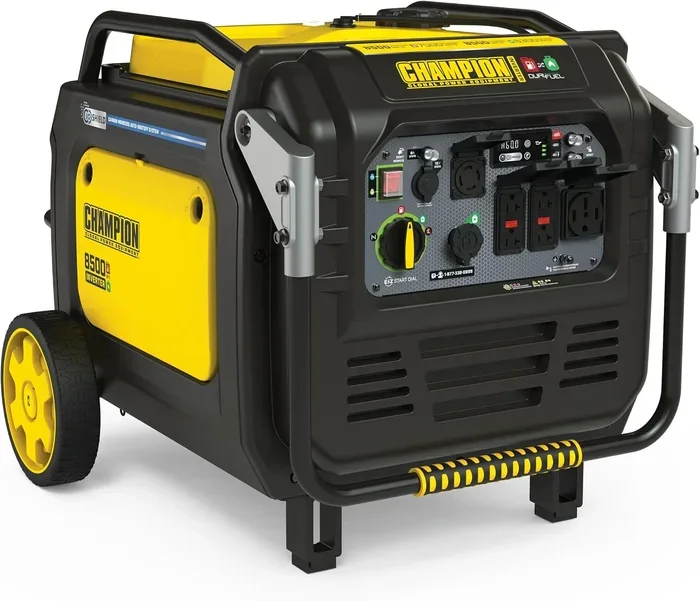
One of the biggest complaints about traditional generators is noise. Powersmart inverter generators typically run between 50 and 60 decibels. That is roughly the volume of a normal conversation. This quiet operation makes them much more neighbor-friendly, whether you are in a campground or your own backyard.
Weight is another consideration. The lighter models weigh around 25 to 30 pounds, making them easy to toss in a backpack or trunk. Heavier models still offer handles and wheels for manageable transport.
Clean Power and Device Safety
We already touched on this, but it deserves its own spotlight. The low THD output from inverter technology means you can plug in expensive electronics without worry. Laptops, smartphones, cameras, and even some medical devices run safely on clean power. This is a huge advantage over standard generators.
Parallel Capability
Some models let you connect two identical generators with a parallel kit. This doubles your available wattage without needing to buy a much larger unit. It is a flexible solution for when your power needs change from weekend to weekend. If you are curious about how generators perform over time, check out how long does a whole house generator last to understand longevity expectations across different types.
Practical Uses for the Powersmart Inverter Generator
Camping and Outdoor Adventures
Campers love these generators for good reason. They are quiet, light, and produce enough power for lights, fans, small stoves, and charging stations. You will not wake up the entire campsite when your unit kicks on. The compact size fits easily into a tent or storage bin.
RV Living and Travel
RV owners appreciate the balance of power and portability. A mid-range Powersmart model can comfortably run essentials like refrigerators, fans, and TV screens. The parallel capability adds extra confidence for longer trips where power demands can vary day to day.
Emergency Home Backup
While not a replacement for a whole-house standby system, a Powersmart inverter generator can keep critical circuits running during an outage. Think lights, fans, a window AC unit, or a refrigerator. For more information on home backup setups, see how much propane does a 20kw generator use per hour to understand fuel consumption for larger backup systems.
Worksites and Outdoor Events
Contractors and event organizers also benefit from portable inverter power. Running power tools, sound systems, or lighting rigs is easy with a higher-wattage model. The clean power output protects sensitive equipment too.
Maintenance Tips to Keep Your Generator Running Strong
A Powersmart inverter generator can last for years with basic care. Here are some simple tips to keep it in top shape.
- Change the oil regularly: Most models need an oil change after the first 20 hours of use and then every 100 hours or so.
- Use fresh fuel: Stale gasoline can clog the carburetor. Add fuel stabilizer if you plan to store the unit for more than a month.
- Check the air filter: A dirty air filter reduces engine performance and fuel economy. Clean or replace it as needed.
- Run it periodically: Even if you do not need power often, start the generator once a month to keep components lubricated and moving.
- Store properly: Keep the unit in a dry, cool place. Moisture and extreme temperatures can degrade parts over time.
Taking care of these basics means you will not get caught off guard when you actually need your generator. It also helps maintain resale value if you ever decide to upgrade.
Common Mistakes When Choosing a Powersmart Inverter Generator
Buying More Power Than You Need
It is tempting to grab the highest-wattage model, but that often means paying more for weight and fuel capacity you may never use. Start by listing the devices you plan to run and add up their wattage requirements. Choose a model that covers your needs with a small buffer for safety.
Ignoring Starting vs. Running Watts
Many appliances need a surge of power when they first start up. This is called starting watts. Running watts are what the device needs once it is going. Always check both numbers. A generator that seems powerful enough on paper might struggle with the initial surge of a refrigerator or air conditioner.
Overlooking Fuel Type Availability
Most Powersmart models run on regular gasoline, which is easy to find. But some users prefer dual-fuel options that also accept propane. Think about where you will use the generator and whether gasoline will always be available. During storms or emergencies, gas stations can run dry fast.
Skipping the Parallel Kit
If you ever think you might need more power, buying a parallel kit from the start saves hassle later. It is much easier to set up before you need it than scrambling to find one during a camping trip or outage.
Expert Insights on Inverter Generator Value
Industry experts generally agree that inverter generators offer better long-term value than conventional models. The upfront cost can be slightly higher, but the savings on fuel and the added protection for your electronics more than make up for it over time. The power output quality alone justifies the price for most users.
Another point experts make is about resale. Quality inverter generators hold their value well. Brands like Powersmart that offer solid warranties and reliable performance tend to move quickly on the used market. That is a nice bonus if you ever decide to trade up.
Final Verdict on the Best Powersmart Inverter Generator
So which model should you pick? Here is a quick summary to help you decide.
- For camping: Go with the 2000W model. It is lightweight, quiet, and easy to transport.
- For RV use: The 3000W model gives you the best balance of power and portability. Add parallel capability for extra flexibility.
- For emergency backup: The 4000W model delivers the muscle to keep your essentials running during an outage.
No matter which model you choose, the Powersmart inverter generator line delivers quality, efficiency, and reliability. These are well-built units that serve everything from weekend fun to real-world emergencies. Take your time, match the model to your needs, and you will be happy with your choice.
Conclusion
Finding the right portable power solution does not have to be stressful. The Powersmart inverter generator offers a strong mix of fuel efficiency, quiet operation, and clean power in several sizes to fit different needs. Whether you are a weekend camper, a full-time RVer, or someone preparing for the next storm, there is a Powersmart model ready to help.
Think about what you need to power, how often you will use the generator, and how important portability is to you. Those three factors will point you toward the right pick. Take care of your unit with simple maintenance, and it will reward you with years of dependable service. Now you have the knowledge to make a confident choice, so go ahead and grab the Powersmart inverter generator that fits your life.
Frequently Asked Questions
How long can a Powersmart inverter generator run on a full tank?
Runtime depends on the model and load. Most Powersmart units run between 8 and 15 hours at quarter load on a full tank. The inverter technology helps by slowing the engine when your power demand is low, stretching fuel further.
Is the Powersmart inverter generator loud?
No, these generators are known for their quiet operation. Most models run between 50 and 60 decibels, which is about the same volume as a normal conversation. This makes them much quieter than traditional portable generators.
Can I run a Powersmart inverter generator in parallel with another unit?
Yes, many models support parallel capability with a separate parallel kit. This lets you connect two identical generators to double your available wattage. It is a great option for powering larger appliances or multiple devices at once.
Can a Powersmart inverter generator run my refrigerator and furnace?
It depends on the model and the power requirements of your appliances. A 3000W or 4000W model can typically handle a refrigerator. For furnace systems, you should check the starting watts of your furnace and compare them to the generator output. If you are unsure, review our guide on what size generator to run furnace and refrigerator for more details.
What is the difference between starting watts and running watts?
Starting watts are the extra power needed to kick on an appliance, especially motors like those in refrigerators or air conditioners. Running watts are the steady power needed to keep the appliance running. Always choose a generator that covers both numbers.
How often should I maintain my Powersmart inverter generator?
Change the oil after the first 20 hours of use and then roughly every 100 hours. Check the air filter and spark plug periodically. Run the generator at least once a month even if you are not using it to keep the engine in good condition.