Find the Best Solar Generator Nearby for Your Power Needs
Finding a solar generator nearby is easier than ever, whether you need backup power for your home or a portable solution for camping and emergencies. This guide covers everything you need to know about solar generators, including how they work, what to look for, and where to buy them close to you. We break down the top options, key features, and buying tips so you can make a confident choice.
Looking for a solar generator nearby? You are not alone. More and more homeowners and outdoor enthusiasts are turning to solar-powered generators as a clean, reliable, and quiet alternative to traditional gas options. Whether you want backup power during outages or a portable energy source for camping trips, the right solar generator can make a huge difference.
The good news is that finding one close to you has never been easier. Local stores, online retailers, and specialty shops all carry a wide range of options. In this guide, we walk you through everything you need to know about solar generators, from how they work to where to buy them near your location. Let us dive in.
Key Takeaways
- Solar generators are a clean, quiet alternative to gas-powered options for both home backup and outdoor use.
- Key features to consider include battery capacity, wattage output, solar panel compatibility, and portability.
- Where you buy matters — local stores and online retailers each offer unique advantages when searching for a solar generator nearby.
- Proper sizing is critical to match your power needs without overspending on unnecessary capacity.
- Maintenance is minimal compared to gas generators, but regular cleaning and battery care extend lifespan significantly.
- Cost varies widely based on capacity and brand, but prices have dropped significantly in recent years.
📑 Table of Contents
- What Is a Solar Generator and How Does It Work?
- Why You Should Consider a Solar Generator Nearby
- How to Choose the Right Solar Generator for Your Needs
- Where to Buy a Solar Generator Nearby
- Top Features to Look for in a Solar Generator
- Common Mistakes to Avoid When Buying a Solar Generator
- How to Maintain Your Solar Generator for Long-Term Use
- The Future of Solar Generator Technology
- Final Thoughts: Finding the Best Solar Generator Nearby
What Is a Solar Generator and How Does It Work?
A solar generator is a portable or stationary power system that uses sunlight to generate electricity. Unlike gas generators that burn fuel, solar generators capture energy through photovoltaic panels and store it in a built-in battery. This stored energy can then power your devices, appliances, or even your entire home during an outage.
Here is a simple breakdown of how the system works:
- Solar panels collect sunlight and convert it into direct current (DC) electricity.
- A charge controller regulates the power to prevent overcharging and protect the battery.
- A battery bank stores the energy for later use, typically using lithium-ion or LiFePO4 technology.
- An inverter converts the stored DC power into alternating current (AC) power that most household devices use.
The beauty of a solar generator system is its simplicity. There are no moving parts, no fuel to buy, and very little noise. This makes them ideal for indoor use, camping, RV trips, and emergency backup at home.
Solar Generator vs. Gas Generator
Many people wonder whether a solar power generator can truly replace a gas unit. The short answer is yes, for most everyday needs. Here is a quick comparison to help you understand the differences:
- Fuel source: Solar generators use sunlight, which is free. Gas generators require gasoline or propane, which costs money and needs regular refilling.
- Noise level: Solar generators run silently. Gas generators can be loud and disruptive, especially in residential areas.
- Maintenance: Solar units need very little upkeep. Gas generators require oil changes, filter replacements, and seasonal maintenance.
- Environmental impact: Solar energy is clean and renewable. Gas combustion produces harmful emissions and contributes to air pollution.
If you value sustainability and low maintenance, a solar generator nearby is a smart investment. However, gas generators still have an edge in raw power output for heavy-duty applications.
Why You Should Consider a Solar Generator Nearby
There are many compelling reasons to choose a solar generator for your power needs. Let us explore the biggest benefits that make these units so popular in recent years.
Clean and Renewable Energy
Solar energy is one of the cleanest power sources available. By choosing a portable solar generator, you reduce your dependence on fossil fuels and lower your carbon footprint. Every kilowatt-hour generated by the sun is one less produced by burning coal or gas.
Quiet and Safe for Indoor Use
Unlike gas generators that produce harmful exhaust fumes, solar generators emit zero emissions. You can safely use them indoors, in tents, or in enclosed spaces without worrying about carbon monoxide poisoning. The silent operation also makes them perfect for camping, tailgating, and residential backup.
Low Operating Costs
Once you purchase your unit, the fuel — sunlight — is completely free. There are no ongoing costs for gasoline, propane, or oil changes. Over time, a solar power station pays for itself through savings on fuel and maintenance. Many users report that their unit pays for itself within just a few years.
Portability and Convenience
Most solar generator kits are designed with portability in mind. They come with built-in handles, wheels, or compact designs that make them easy to move around. Whether you need power at a job site, a remote cabin, or during a weekend camping trip, you can take your solar generator wherever you go.
How to Choose the Right Solar Generator for Your Needs
Not all solar generators are created equal. Choosing the right one depends on several key factors. Here is what you should evaluate before making a purchase.
Battery Capacity and Wattage
The two most important specs to understand are battery capacity (measured in watt-hours or Wh) and output wattage (measured in watts or W). Battery capacity tells you how much energy the unit can store, while wattage tells you how much power it can deliver at once.
- Small units (200–500 Wh): Great for charging phones, laptops, and small devices. Ideal for camping and short trips.
- Medium units (500–1500 Wh): Can power essentials like lights, fans, small appliances, and medical devices. Good for home backup during short outages.
- Large units (1500+ Wh): Capable of running refrigerators, power tools, and multiple devices simultaneously. Best for whole-home backup or off-grid living.
If you are shopping for a solar generator nearby, make a list of the devices you want to power. Add up their wattage requirements to determine the size you need.
Solar Panel Compatibility
Not all generators come with solar panels included. Check whether the unit you are considering is compatible with external solar panels. Some brands use proprietary connectors, while others support universal MC4 connections. The ability to add or upgrade panels gives you more flexibility and faster charging times.
Portability and Weight
If you plan to move your generator frequently, look for models with lightweight designs and built-in handles. Units under 30 pounds are generally easy to carry, while heavier models may need wheels or a second person to move.
Brand Reputation and Warranty
Stick with well-known brands that offer solid warranties and reliable customer support. A good warranty typically ranges from 2 to 5 years for the battery and 1 to 2 years for the unit itself. Reading customer reviews and checking ratings helps you avoid low-quality products.
Where to Buy a Solar Generator Nearby
Finding a solar generator near me is simpler than you might think. Here are the best places to look:
Local Hardware and Outdoor Stores
Many local hardware stores and outdoor retailers now carry a selection of solar generators. Shopping in person lets you see the units up close, ask questions, and get expert advice. Stores like Home Depot, Lowe’s, and REI often have dedicated renewable energy sections.
If you live in a solar-friendly city like Miami, you may find specialty shops that focus exclusively on solar and renewable energy products. These local stores often have deeper product knowledge and can help you size your system correctly.
Online Retailers with Fast Shipping
Online shopping has made it incredibly easy to find and order a solar generator from the comfort of your home. Major retailers like Amazon, Walmart, and Best Buy offer fast shipping, competitive pricing, and easy return policies. You can compare models side by side and read hundreds of verified customer reviews.
Direct from Manufacturer Websites
Many top solar generator brands sell directly through their own websites. Buying direct often comes with exclusive bundles, extended warranties, and access to dedicated support teams. Brands like Jackery, EcoFlow, Bluetti, and Goal Zero have user-friendly online stores with detailed product guides.
Local Solar Installers and Dealers
For a more personalized experience, consider reaching out to local solar installers in your area. They often carry or can order specific models and can help you design a complete solar power setup. This is especially helpful if you need a larger system for home backup or off-grid living.
Top Features to Look for in a Solar Generator
When comparing models, keep an eye out for these standout features that can make a big difference in real-world use:
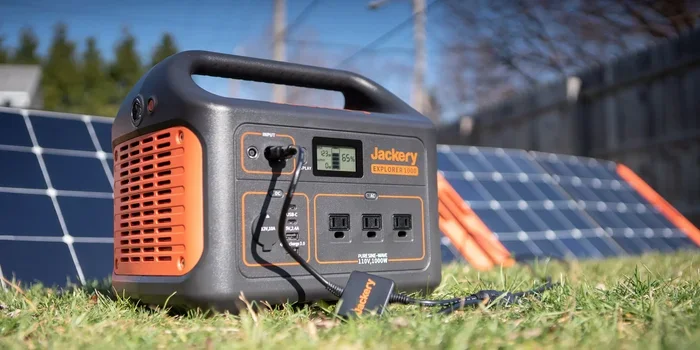
- Multiple output ports: Look for AC outlets, USB-A, USB-C, and DC ports so you can charge multiple devices at once.
- Fast solar charging: Some models support high-wattage solar panels that can fully charge the battery in just a few hours.
- LCD display: A clear screen shows remaining battery life, input/output wattage, and charging status at a glance.
- Expandable battery: Some generators allow you to connect additional battery packs for extra capacity.
- Smart app control: Bluetooth or Wi-Fi enabled units let you monitor and control your generator from your phone.
- Built-in MPPT controller: This technology maximizes solar charging efficiency and protects your battery.
These features may seem small, but they add up to a much better user experience. When you are searching for a solar generator nearby, prioritize the features that matter most for your specific use case.
Common Mistakes to Avoid When Buying a Solar Generator
Even the best buyers can make mistakes. Here are some common pitfalls to watch out for:
- Buying the cheapest option without checking capacity. A low price often means lower battery quality and shorter lifespan. Always check the watt-hour rating before buying.
- Ignoring solar panel costs. The generator and the panels are separate purchases in many cases. Factor in the cost of panels when budgeting.
- Overestimating or underestimating your power needs. Make a realistic list of what you plan to power and calculate the total wattage carefully.
- Skipping warranty and support. A cheap generator with no warranty is a risky purchase. Always check return policies and warranty terms.
- Not checking local availability. If you want a solar generator nearby, verify that the retailer ships to your area or has a physical location near you.
Avoiding these mistakes saves you time, money, and frustration in the long run.
How to Maintain Your Solar Generator for Long-Term Use
One of the best things about solar generators is how little maintenance they require. However, a few simple steps can significantly extend the life of your unit:
- Keep the solar panels clean. Dust, dirt, and bird droppings can reduce charging efficiency. Wipe panels with a damp cloth regularly.
- Store the battery at the right charge level. If you are not using the generator for an extended period, store it at around 50% charge to preserve battery health.
- Avoid extreme temperatures. Hot and cold extremes can degrade battery performance. Store your unit in a cool, dry place when possible.
- Update firmware if applicable. Smart generators with app connectivity may receive firmware updates that improve performance and add new features.
- Inspect cables and connectors. Check for wear and tear on cables and ports regularly to ensure safe and efficient power delivery.
With proper care, a quality solar generator can last for many years and provide reliable power whenever you need it.
The Future of Solar Generator Technology
The solar generator industry is evolving rapidly. New innovations are making these units more powerful, affordable, and efficient every year. Here are some trends to watch:
- Lithium iron phosphate (LiFePO4) batteries are becoming the standard, offering longer lifespans and better safety than traditional lithium-ion cells.
- Higher solar conversion rates mean panels can capture more energy from less sunlight, making charging faster and more efficient.
- Modular systems allow users to add panels and batteries as needed, creating fully customizable power setups.
- Smart grid integration is enabling solar generators to work seamlessly with home energy systems and smart home devices.
As technology improves and costs continue to drop, solar generators are becoming an increasingly attractive option for homeowners and adventurers alike. If you have been on the fence about making the switch, now is a great time to explore what is available near your location.
Final Thoughts: Finding the Best Solar Generator Nearby
Finding the right solar generator nearby comes down to understanding your power needs, comparing features, and choosing a trusted retailer. Whether you need a compact portable unit for weekend adventures or a powerful station for home backup, there is a solar generator out there that fits your budget and lifestyle.
Start by listing the devices you want to power, then match that to the right capacity and output. Shop at local stores or online retailers, compare warranties and reviews, and do not forget to factor in the cost of solar panels. With the right setup, you will enjoy clean, quiet, and reliable power for years to come.
Take the time to research, ask questions, and make an informed decision. Your future self will thank you when the power goes out or when you are out in the wilderness with all your devices fully charged.
Frequently Asked Questions
How much does a solar generator cost?
Prices range widely depending on capacity and brand. Small portable units start around $200, while larger home backup systems can cost $2,000 or more. The average cost for a quality mid-size solar generator is between $500 and $1,500, which includes the generator unit but may not include solar panels.
Can a solar generator power my entire house?
It depends on the size of the generator and your energy needs. A large solar generator with 2,000+ Wh capacity can power essential appliances like refrigerators, lights, and fans during an outage. For full-home backup, you may need multiple units or a more extensive solar power system paired with a home battery.
How long does it take to charge a solar generator?
Charging time varies based on panel wattage, sunlight conditions, and battery size. A standard 200W solar panel can fully charge a 1,000 Wh generator in about 5 to 8 hours of direct sunlight. Higher-wattage panels can cut this time significantly.
Are solar generators worth the investment?
Yes, for most users. Solar generators have no fuel costs, require minimal maintenance, and produce clean energy. Over time, the savings on fuel and maintenance often offset the initial purchase price, making them a smart long-term investment for both home and outdoor use.
Where can I find a solar generator near me?
You can find solar generators at local hardware stores, outdoor retailers, specialty solar shops, and major online marketplaces. If you are looking for a solar generator nearby, check stores in your area or order online with fast shipping options available from most major retailers.
Do solar generators work on cloudy days?
Yes, solar generators can still charge on cloudy days, though at a reduced rate. Cloud cover slows down the charging process, but modern solar panels are designed to capture diffuse light and still produce meaningful energy even in overcast conditions.