What Is an Oil Free Air Compressor and Why It Matters
An oil free air compressor uses special coatings and materials instead of oil to lubricate the pump, delivering clean compressed air every time. It is a popular choice for homeowners, DIYers, and professionals who need reliable power without the mess or maintenance of oil-lubricated models. Understanding how these compressors work helps you choose the right one for your needs.
Have you ever wondered what makes certain air compressors different from others? The answer often comes down to one simple thing: oil. Some compressors rely on oil to keep their internal parts running smoothly. Others skip the oil entirely. These are called oil free air compressors, and they have become a go-to choice for many people.
Whether you are a weekend DIYer working in your garage or a professional contractor running tools all day, the type of compressor you choose matters a lot. An oil free air compressor offers a cleaner, lighter, and lower-maintenance option that fits a wide range of needs. In this guide, we will walk through exactly how these machines work, what makes them different from oil-lubricated models, and why they might be the right pick for you.
Key Takeaways
- No oil in the compression chamber: Oil free air compressors use Teflon and other coatings to reduce friction, keeping your air supply completely clean.
- Lower maintenance requirements: You skip oil changes and filter replacements, saving both time and money over the life of the unit.
- Lighter and more portable: Without the extra oil reservoir, these units weigh less and are easier to move around your shop or job site.
- Ideal for sensitive applications: Painting, woodworking, and food production all benefit from the oil-free air supply these compressors provide.
- Shorter lifespan than oil-lubricated models: The coating wears over time, so oil free compressors may not last as long under heavy, continuous use.
- Higher upfront cost in some cases: Premium oil free units can cost more initially, but you save on ongoing maintenance and oil purchases.
- Quieter operation: Many oil free models run more quietly because they lack the internal friction that oil-lubricated compressors generate.
📑 Table of Contents
What Is an Oil Free Air Compressor?
An oil free air compressor is a compressor that does not use oil inside the compression chamber. Instead, it relies on special materials and coatings to reduce friction between moving parts. The most common coating is Teflon, which creates a slick surface that lets the piston or rotor move smoothly without oil.
Traditional compressors mix oil into the compression process. This oil lubricates the pump, seals gaps, and helps cool the system. But it also means oil can contaminate the air that comes out of the hose. An oil free air compressor eliminates this problem completely. The air that flows through your tools is clean and free of oil residue.
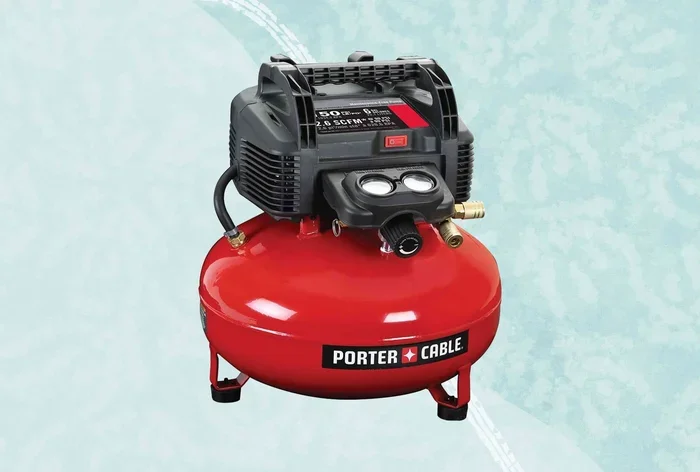
These compressors come in many shapes and sizes. You will find small portable models for home use and large industrial units for factory floors. No matter the size, the core principle stays the same: no oil touches the compressed air.
How Does an Oil Free Compressor Work?
The basic idea is simple. Air gets pulled into a chamber. A piston or rotor squeezes that air to increase its pressure. The compressed air then moves through a hose to your tools. In an oil free air compressor, the walls of that chamber are coated with a durable, low-friction material.
Some models use a small amount of water instead of oil to cool and seal the system. This is called a water-lubricated design. Other models rely entirely on the coating and built-in cooling fins. Either way, the goal is the same: deliver clean, oil-free compressed air without any messy lubricants.
Oil Free vs Oil Lubricated Compressors
Understanding the difference between an oil free air compressor and an oil-lubricated model helps you make a smart buying decision. Let us break down the key differences.
Maintenance Requirements
An oil-lubricated compressor needs regular oil changes. You also have to check oil levels and replace oil filters. This adds time and cost to your routine. An oil free air compressor removes all of that. There is no oil to check, no oil to change, and no oil filter to replace.
That does not mean an oil free model needs zero maintenance. You still need to drain the tank, check the air filter, and inspect hoses. But overall, the maintenance schedule is much simpler and less frequent.
Air Quality
This is where oil free compressors really shine. Oil-lubricated models can introduce tiny oil particles into the air stream. This is fine for tasks like powering impact wrenches or running a nail gun. But if you are painting a car or working with sensitive electronics, even small amounts of oil in the air can cause problems.
An oil free air compressor delivers clean air every time. There is no risk of oil contaminating your work surface or your finish. This makes them ideal for:
- Automotive painting and refinishing
- Woodworking and furniture making
- Food and beverage production
- Medical and dental equipment
- Electronics manufacturing
Weight and Portability
Oil-lubricated compressors carry extra weight because of the oil reservoir. An oil free air compressor is typically lighter and more compact. This makes them easier to transport from room to room or from job site to job site. If portability matters to you, going oil free is a clear advantage.
Noise Levels
Oil creates friction inside a compressor. Friction creates noise. Because oil free air compressors reduce internal friction, they often run quieter. This is a big plus if you are working in a residential area or a shared workshop. Less noise means less stress for you and fewer complaints from neighbors.
Cost Comparison
Here is a quick look at how costs compare between the two types:
- Upfront cost: Oil free models range from $200 to $1,500 for home and light industrial use. Oil-lubricated models range from $400 to $3,000+.
- Ongoing cost: Oil free compressors save money on oil, filters, and maintenance visits. Over 5 years, these savings can add up to several hundred dollars.
- Replacement parts: Oil free parts are often simpler and less expensive. The coating inside the pump may wear over time, but replacement is usually straightforward.
So while an oil free air compressor might cost a bit more upfront in some cases, the long-term savings on maintenance often make it the smarter financial choice.
Benefits of Using an Oil Free Air Compressor
The advantages of going oil free go beyond just clean air. Let us look at the biggest benefits in detail.
Clean Air for Sensitive Projects
As we mentioned, clean air is the number one benefit. When you are spraying paint or applying a clear coat, even tiny oil droplets can ruin the finish. An oil free air compressor gives you peace of mind that your air supply is pure.
This also matters for respiratory health. Oil mist in the air is not something you want to breathe in over long periods. Oil free models eliminate that risk, making them safer for your workshop environment.
Simpler Operation
There is no oil fill cap to locate. No dipstick to check. No oil-change schedule to follow. You set up an oil free air compressor, plug it in, and go. This simplicity is a huge draw for beginners and busy professionals alike.
Better for the Environment
Oil-lubricated compressors can leak oil over time. Small drips and spills add up, and that oil can contaminate soil and water. An oil free air compressor produces no such waste. It is a greener choice that aligns with environmentally conscious practices.
Longer Tool Life
Oil-free air is gentler on your pneumatic tools. Contaminated air can cause internal wear, clogging, and premature failure. Clean air from an oil free air compressor helps your tools last longer and perform better. This alone can justify the investment for anyone who relies on air tools daily.
Common Uses for Oil Free Air Compressors
So where do oil free compressors fit best? Let us explore the most common applications.
Home Workshops and Garages
Most homeowners who run a basic air compressor do not need oil lubrication. Tasks like inflating tires, powering a brad nailer, or running a small impact wrench all work great with an oil free air compressor. The lower maintenance and lighter weight make them perfect for home garages and basements.
Automotive Shops
Many auto body shops prefer oil free compressors for painting. Clean air means a smoother paint job with fewer imperfections. Shops that do both mechanical work and body repair often keep an oil free air compressor dedicated to their paint booth.
Construction and Remodeling
On job sites, portability matters. Oil free compressors are lighter and easier to haul around. They power framing nailers, staplers, and sanders without adding unnecessary weight to your truck. Just keep in mind that heavy-duty construction may benefit from an oil-lubricated model for durability.
Small Manufacturing and Craft Businesses
If your business involves woodworking, jewelry making, or small-part manufacturing, an oil free air compressor ensures your products stay clean and uncontaminated. Customers notice the difference in finish quality, and it builds trust in your brand.
Things to Consider Before Buying
Not every oil free air compressor is the right fit for every situation. Here are a few things to think about before you buy.
Duty Cycle
Duty cycle refers to how long a compressor can run continuously before needing to cool down. Oil free models often have a lower duty cycle than oil-lubricated ones. If you need to run tools for hours without stopping, you may want a larger oil free unit or consider an oil-lubricated model for heavy continuous use.
Power and CFM
CFM stands for cubic feet per minute. It measures how much air your compressor can deliver. PSI stands for pounds per square inch and measures the pressure. Different tools need different CFM and PSI levels. Before buying, check the requirements of your most demanding tool and make sure the oil free air compressor you choose can meet that demand.
For example, a simple brad nailer needs very little air. A paint sprayer needs a steady, high volume. Make sure the compressor you pick can handle the tools you actually use.
Tank Size
A larger tank holds more compressed air, which means your compressor motor does not have to run as often. For intermittent tasks like nailing or quick inflation, a smaller tank works fine. For continuous tasks like sandblasting or running multiple tools at once, a larger tank makes a big difference.
Noise Level
Even though oil free compressors tend to run quieter, noise levels still vary between models. Look for decibel ratings if noise is a concern. A compressor rated at 60 dB or lower is quite quiet. Anything above 75 dB will be noticeably loud.
How to Maintain Your Oil Free Air Compressor
Even though an oil free air compressor requires less maintenance than an oil-lubricated model, some basic care will keep it running strong for years.
Drain the Tank Regularly
Moisture builds up inside the tank every time you use the compressor. Drain it after each use or at least once a week. This prevents rust and keeps the tank functioning properly.
Check the Air Filter
A clogged air filter forces the motor to work harder. Inspect the filter monthly and clean or replace it as needed. This simple step extends the life of your compressor and keeps the airflow strong.
Inspect the Hose and Fittings
Leaks in the hose or fittings waste compressed air and make your compressor run longer than it needs to. Check connections regularly and replace any damaged hoses right away.
Store Properly
When not in use, store your oil free air compressor in a dry, clean space. Avoid extreme temperatures and keep it away from moisture. Proper storage protects the internal coatings and extends the overall lifespan of the unit.
Are Oil Free Air Compressors Worth It?
The short answer is yes for most users. An oil free air compressor offers a great balance of performance, simplicity, and clean air output. It is especially well-suited for home users, hobbyists, painters, and anyone who values low maintenance.
For heavy industrial applications where continuous, high-volume air is needed around the clock, an oil-lubricated compressor might still be the better choice. But for the vast majority of residential and light commercial uses, going oil free is a smart move.
If you are also considering backup power for your shop or home, you might want to check out how much a home generator costs to keep your tools running during outages. Similarly, understanding how much a generator for a house costs helps you plan for whole-home protection alongside your compressor setup.
Also, if you ever need to power other equipment on site, it helps to know what powers a Generac generator so you can make informed decisions about your entire power setup.
Final Thoughts
An oil free air compressor is a practical, reliable, and clean choice for a wide range of users. It removes the hassle of oil changes, delivers pure air for sensitive projects, and runs lighter and quieter than many traditional models. Whether you are setting up a home workshop, running a small business, or tackling weekend projects, an oil free compressor deserves a serious look.
Take some time to evaluate your needs. Consider the tools you use, the tasks you perform, and the environment where you work. With the right oil free air compressor, you will enjoy years of dependable performance with minimal fuss. The clean air, low maintenance, and easy portability make a compelling case for going oil free. Your future self will thank you every time you fire up that compressor and get to work.
Frequently Asked Questions
What is the main advantage of an oil free air compressor?
The main advantage is clean, oil-free compressed air. This means no oil contamination in your tools or workpieces, which is especially important for painting, woodworking, and other precision tasks. You also get lower maintenance since there is no oil to change or filter.
How long does an oil free air compressor last?
With proper care, a quality oil free air compressor can last 10 to 15 years for typical home and light commercial use. The internal coating may wear over time, especially under heavy continuous use, but regular maintenance helps extend the lifespan significantly.
Can I use an oil free air compressor for painting?
Yes, absolutely. Oil free compressors are excellent for painting because they deliver clean air without any oil mist. This ensures a smooth, even finish without contamination. Many auto body and furniture painters prefer oil free models for this reason.
Are oil free air compressors louder than oil-lubricated ones?
Generally, no. Oil free compressors tend to run quieter because they have less internal friction. However, noise levels vary by model and size. Look for a decibel rating when comparing models to find one that suits your workspace.
Do oil free air compressors need any oil at all?
No. The compression chamber in an oil free air compressor does not use oil. Some models use a small amount of oil in the gearbox or external bearings, but this oil never touches the compressed air. The air output remains completely oil free.
What size oil free air compressor do I need for home use?
For most home tasks like inflating tires, powering a brad nailer, or running a small impact wrench, a 1 to 2 HP oil free compressor with a 6-gallon tank or larger works well. Check the CFM requirements of your most demanding tool to make sure the compressor can keep up.