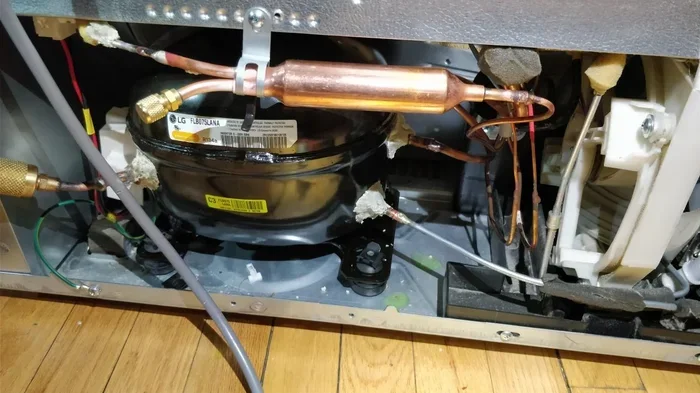
LG Linear Compressor Fridge Not Cooling Repair Guide
When your LG linear compressor fridge is not cooling, it can ruin food and cause big headaches. The good news is that most cooling problems come from a few common and fixable causes. This guide walks you through everything from simple troubleshooting steps to professional repair options. You will learn how to identify the problem, try safe DIY fixes, and know exactly when to call a technician.
Nothing is more frustrating than opening your fridge and finding warm food staring back at you. If you own an LG linear compressor fridge, you probably invested in it because these models are known for being energy efficient and reliable. But even the best refrigerator compressor can develop problems over time.
When your LG linear compressor fridge is not cooling, it is easy to panic. You might worry the entire unit is broken and needs expensive replacement. But here is the truth: most cooling issues are caused by simple problems that you can fix yourself or with a quick visit from a technician.
This repair guide covers everything you need to know. We will look at why your fridge stops cooling, how to spot the warning signs, and exactly what steps to take to get cold air flowing again. Whether you are a hands-on homeowner or someone who has never touched a tool, this guide has something for you.
Key Takeaways
- Dirty condenser coils are the number one reason LG linear compressor fridges lose cooling power and struggle to maintain proper temperatures.
- A faulty compressor relay or start relay can stop your compressor from running, which means no cold air at all.
- Ice buildup on the evaporator fan blocks airflow and mimics a serious cooling failure, but it is often an easy fix.
- Refrigerant leaks require professional attention and should never be handled as a DIY project.
- Regular fridge maintenance like cleaning coils and checking door seals can prevent most cooling problems before they start.
- Knowing when to call a pro saves money and prevents accidental damage to your compressor or cooling system.
📑 Table of Contents
- Why Your LG Linear Compressor Fridge Stops Cooling
- Common Signs That Your Fridge Has a Cooling Problem
- Step-by-Step Troubleshooting for LG Linear Compressor Fridges
- DIY Repair Tips That Can Fix Cooling Issues
- When to Call a Professional Technician
- Preventing Future Cooling Problems With Your LG Fridge
- Final Thoughts on Fixing Your LG Linear Compressor Fridge
Why Your LG Linear Compressor Fridge Stops Cooling
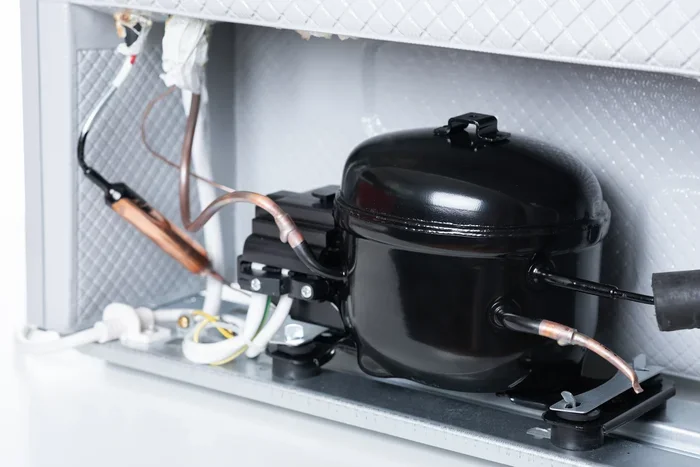
The linear compressor in your LG fridge is the heart of the cooling system. It pumps refrigerant through the coils to remove heat from inside the unit. When something goes wrong with the compressor or any part of the cooling system, the fridge cannot maintain the right temperature control.
There are several reasons an LG linear compressor fridge not cooling problem can develop. Understanding these causes helps you narrow down the issue quickly.
Dirty or Clogged Condenser Coils
The condenser coils sit at the back or bottom of your fridge. Their job is to release heat from the refrigerant. Over time, dust, pet hair, and grease build up on these coils. When they get dirty, they cannot release heat properly. This means your fridge works harder but cools less.
This is the most common reason for a cooling problem in any refrigerator. It is also the easiest to fix. A quick vacuum or coil brush can make a huge difference.
Faulty Compressor Relay
The compressor relay sends power to the compressor to start the cooling cycle. If this small part fails, the compressor never turns on. Your fridge stays warm even though the compressor itself might be perfectly fine.
Compressor relay failure is common in older units. It is also a relatively inexpensive fix. A multimeter can help you test whether the relay is working.
Refrigerant Leak
Refrigerant is the chemical that absorbs heat inside your fridge. If there is a refrigerant leak, the cooling system loses the fluid it needs to operate. The compressor may run constantly, but the fridge never gets cold.
Refrigerant leaks are serious and require professional repair. You should never try to add refrigerant yourself. The refrigerant used in modern LG fridges is R600a, and handling it improperly can be dangerous.
Ice Buildup on the Evaporator Fan
The evaporator fan blows cold air from the freezer into the fridge compartment. If ice builds up around the fan blade or the fan motor, airflow gets blocked. The freezer might stay cold, but the fridge section warms up.
This often happens when the defrost system fails. A clogged defrost drain or a broken defrost heater can cause ice to accumulate over time.
Compressor Overheating
Linear compressors generate heat during operation. If the unit is placed too close to a wall or in a poorly ventilated area, the compressor can overheat. When it overheats, it shuts down as a safety measure. Once it cools, it may restart, but the cycle repeats.
Make sure your fridge has at least two inches of clearance on all sides. Good ventilation is essential for the compressor running smoothly and efficiently.
Common Signs That Your Fridge Has a Cooling Problem
Not all cooling issues announce themselves with a complete loss of cold air. Sometimes the signs are subtle. Catching them early can save you from a full compressor failure and expensive compressor repair costs.
Watch for these warning signs:
- Food spoils faster than usual. Milk goes bad in two days instead of a week. Vegetables wilt quickly. This is a clear sign the fridge is not maintaining proper temperature control.
- The compressor never stops running. A healthy fridge cycles on and off. If the compressor runs 24/7 without stopping, something is wrong with the cooling cycle.
- Frost buildup on the back wall of the freezer. Excessive frost means the defrost system is not working. This blocks airflow and reduces cooling in the fridge section.
- Unusual noises from the compressor area. Clicking, buzzing, or humming sounds that are louder than usual can indicate a failing relay or compressor.
- Warm air from the vents. If you feel warm air coming from the fridge vents, the cooling system is not functioning properly.
- The fridge is sweating or forming condensation. Excess moisture on the exterior means warm air is getting in or the cooling system is struggling.
If you notice any of these signs, do not ignore them. The sooner you address a cooling problem, the easier and cheaper the fix usually is.
Step-by-Step Troubleshooting for LG Linear Compressor Fridges
Before you call a technician, try these troubleshooting steps. They take only a few minutes and can solve many common issues. Always unplug the fridge before inspecting any internal parts.
Step 1: Check the Temperature Settings
It sounds too simple, but many people accidentally bump the temperature dial. The fridge should be set between 35 and 38 degrees Fahrenheit. The freezer should be at 0 degrees. If someone adjusted the settings, simply reset them and wait 24 hours to see if cooling improves.
Step 2: Clean the Condenser Coils
Locate the condenser coils, usually found at the back or underneath the fridge. Use a vacuum cleaner with a brush attachment or a coil brush to remove dust and debris. Clean the coils at least twice a year to keep the cooling system running efficiently.
After cleaning, plug the fridge back in and monitor the temperature for 24 hours. Many people are surprised how much this simple step improves cooling performance.
Step 3: Inspect the Evaporator Fan
Open the freezer door and look for the evaporator fan, usually located behind a panel at the back. Check for ice buildup around the fan blade. If you see ice, remove it carefully with a warm cloth or let it melt naturally.
Listen for the fan spinning when the compressor runs. If the fan is silent or makes grinding noises, the motor may need replacement. This is a common part of fridge troubleshooting that many people overlook.
Step 4: Test the Compressor Relay
The compressor relay is a small white or black box connected to the compressor. You can usually find it near the bottom of the fridge at the back. Pull it out and shake it gently. If you hear rattling inside, the relay has likely failed.
You can also test it with a multimeter for continuity. A failed relay will show no continuity. Replacement relays are inexpensive and widely available online or at appliance parts stores.
Step 5: Check the Start Relay
The start relay works alongside the compressor relay to help the compressor start up. If the start relay is faulty, the compressor may click on and off repeatedly without ever running properly. This is a common cause of an LG linear compressor fridge not cooling.
Unplug the fridge, remove the start relay from the compressor, and test it with a multimeter. No continuity means it needs replacement.
Step 6: Examine the Thermistor
The thermistor is a temperature sensor that tells the fridge how cold it is. If the thermistor is broken or inaccurate, the fridge cannot regulate its temperature control properly. The compressor may not kick on when it should.
You can test the thermistor with a multimeter. Check the resistance at room temperature and compare it to the specifications in your LG manual. A reading that is way off means the thermistor needs replacing.
DIY Repair Tips That Can Fix Cooling Issues
Some repairs are safe and easy for homeowners to handle. Here are a few DIY repair tips that have helped many LG fridge owners restore cooling power.
- Replace the compressor relay. This costs under $30 and takes about 15 minutes. Unplug the fridge, pull out the old relay, and push the new one into place. It is one of the most common fixes for a fridge that is not cooling.
- Clean the condenser fan. The condenser fan sits near the compressor and helps release heat. If the fan blades are dirty or clogged, the compressor overheats. Clean the fan and its housing with a damp cloth.
- Defrost the freezer manually. If ice is blocking the evaporator fan, turn off the fridge and leave the doors open for several hours. Place towels on the floor to catch melting ice. Once the ice melts, check if cooling improves.
- Check and replace the door gasket. A worn door seal lets warm air enter the fridge constantly. Run your hand along the door edges and feel for gaps or drafts. A new gasket is easy to install and can dramatically improve temperature control.
- Make sure the fridge is level. If the fridge is tilted too far forward, the refrigerant may not flow properly through the system. Use a bubble level and adjust the leveling legs.
Always unplug the fridge before doing any internal work. If you are not comfortable with electrical components, skip the DIY route and call a professional.
When to Call a Professional Technician
Not every cooling problem is a DIY fix. Some issues require the skills and tools of a trained technician. Knowing when to call for help saves you time, money, and the risk of making things worse.
Call a professional if you experience any of the following:
- The compressor does not run at all. If you have checked the relay and start relay and the compressor still will not turn on, the compressor itself may be failing. This is a serious issue that needs expert diagnosis.
- You suspect a refrigerant leak. Refrigerant leaks require specialized tools to detect and repair. A licensed technician can safely handle the refrigerant and seal the leak.
- The main control board is faulty. The control board manages the entire fridge. If it fails, multiple systems stop working. Replacing a control board is complex and should be left to a professional.
- The compressor is making loud grinding or knocking noises. These sounds often mean internal compressor damage. A technician can determine whether the compressor can be repaired or needs full replacement.
- You have tried all troubleshooting steps and cooling still does not return. Sometimes the problem is hidden and requires advanced diagnostic equipment to find.
When choosing a technician, look for someone who is certified to work on LG appliances. Ask about their experience with linear compressor models specifically. LG fridges use a unique compressor design, and not all technicians are familiar with how they work.
Preventing Future Cooling Problems With Your LG Fridge
The best way to deal with an LG linear compressor fridge not cooling is to prevent the problem from happening in the first place. Regular fridge maintenance goes a long way toward keeping your cooling system healthy.
Follow these simple maintenance tips:
- Clean the condenser coils every six months. Dust and debris are the enemies of any cooling system. A quick cleaning session can extend the life of your compressor and prevent many cooling problems.
- Check the door seals monthly. Wipe them down with warm soapy water and inspect for cracks or gaps. A tight seal keeps cold air inside and warm air out.
- Do not overpack the fridge. Blocked airflow reduces cooling efficiency. Leave space between items so cold air can circulate freely.
- Keep the fridge away from heat sources. Do not place the fridge next to the oven, dishwasher, or in direct sunlight. Heat forces the compressor to work harder.
- Defrost the freezer regularly if it is not a frost-free model. Ice buildup is a leading cause of reduced airflow and cooling issues.
- Replace water filters on schedule. While this does not directly affect cooling, a clogged filter can strain the system and reduce overall performance.
Consistent fridge maintenance is the cheapest form of repair. A few minutes of care each month can prevent expensive compressor repairs and keep your food fresh longer.
Final Thoughts on Fixing Your LG Linear Compressor Fridge
Dealing with an LG linear compressor fridge not cooling is stressful, but it is almost always solvable. The key is to stay calm, work through the troubleshooting steps systematically, and know your limits.
Most cooling problems come from simple causes like dirty coils, faulty relays, or ice buildup. These are fixes that even a beginner can handle with basic tools and a little patience. For more serious issues like refrigerant leaks or compressor failure, a qualified technician is your best bet.
Remember that your LG fridge is a significant investment. Taking care of it with regular maintenance and quick responses to warning signs will keep it running efficiently for many years. Do not wait until a small problem becomes a big, expensive repair.
Use this guide as your go-to resource whenever cooling trouble strikes. Bookmark it, share it with friends, and keep it handy. The more you know about how your fridge works, the better equipped you are to handle problems when they come up.
Your fridge works hard every day to keep your food safe and fresh. Give it the attention it deserves, and it will keep running strong for years to come.
Frequently Asked Questions
Why is my LG linear compressor fridge running but not cooling?
This usually means the compressor is running but the cooling system is not working properly. Common causes include dirty condenser coils, a refrigerant leak, or a faulty thermistor. Start by cleaning the coils and checking the temperature settings before moving on to more complex troubleshooting.
How much does it cost to repair an LG linear compressor fridge that is not cooling?
The cost depends on the cause. A simple relay replacement might cost $50 to $100. Cleaning condenser coils is free. However, a refrigerant leak repair or compressor replacement can cost $300 to $800 or more. Always get a quote from a licensed technician before approving major repairs.
Can a refrigerant leak in my LG fridge be fixed at home?
No. Refrigerant leaks should always be handled by a professional. Refrigerants like R600a are flammable and require special handling. A certified technician has the tools to detect the leak, repair it, and recharge the system safely.
How do I know if my compressor relay is bad?
Signs of a bad compressor relay include the fridge not cooling at all, the compressor clicking on and off repeatedly, or the relay making a rattling sound when shaken. You can test it with a multimeter for continuity. No continuity means the relay needs to be replaced.
What is the lifespan of an LG linear compressor?
With proper care and regular fridge maintenance, an LG linear compressor can last 10 to 15 years or more. Cleaning the condenser coils, keeping the fridge well-ventilated, and addressing small problems early all contribute to a longer compressor lifespan.
Should I unplug my fridge if it is not cooling?
Not necessarily. If the fridge is not cooling, the food inside may still be safe for a few hours if the doors stay closed. However, if the issue persists for more than 24 hours, you should transfer perishable items to a cooler and unplug the fridge to prevent the compressor from running continuously and causing further damage.
=== CONCLUSION ===
An LG linear compressor fridge not cooling does not have to be a disaster. Most cooling problems are caused by simple, fixable issues that you can handle with basic knowledge and a few tools. From cleaning condenser coils to testing the compressor relay, this guide has given you the steps to troubleshoot and repair your fridge like a pro.
Remember to stay patient, work through each step carefully, and know when to call a professional. Your fridge is a complex cooling system with many moving parts, but with the right approach, you can keep it running smoothly for years. Take action today, and your fridge will be back to keeping your food cold and fresh in no time.