Generator Switch for House Everything You Need to Know
generator switch for house is an essential topic that provides valuable insights and practical knowledge for anyone interested in learning more about this subject.
Key Takeaways
- A generator transfer switch is essential for safe, automatic backup power during outages.
- Choose between manual and automatic transfer switches based on budget and convenience needs.
- Always hire a licensed electrician for generator switch installation to meet local codes.
- Properly size your transfer switch to handle your home’s critical electrical loads.
- Schedule regular maintenance checks to ensure reliable switch performance during emergencies.
- A transfer switch prevents dangerous backfeeding that can harm utility workers.
- Check local permits before installing a house generator switch to avoid fines.
📑 Table of Contents
- What Is a Generator Switch for House and Why Do You Need One
- Types of Generator Switches You Can Install
- How to Choose the Right Generator Switch for Your Home
- Step-by-Step Guide to Installing a Generator Switch
- Common Generator Switch Problems and How to Fix Them
- Maintenance Tips to Keep Your Generator Switch Working
- Quick Tips and Common Mistakes to Avoid
- Final Thoughts on Choosing and Using a Generator Switch for House Setup
What Is a Generator Switch for House and Why Do You Need One
A generator switch for house is a device that connects your portable or standby generator to your home’s electrical system. Think of it as a bridge between your generator and the appliances you want to keep running during a power outage. Without one, you would need to run extension cords through windows and doors, which is dangerous and impractical.
When storms hit or the grid goes down, having a reliable backup power setup makes all the difference. A generator switch lets you power essential circuits safely, without backfeeding electricity into the grid. That protects utility workers and keeps your home electrical system intact.
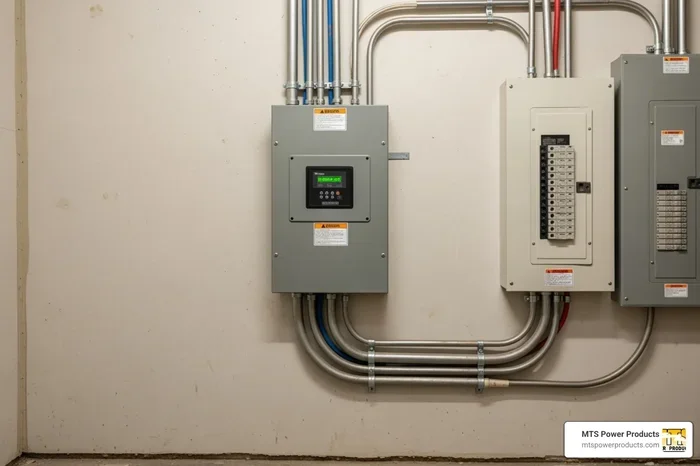
The most common type is the transfer switch. It sits between your generator and your electrical panel. When the grid goes down, you flip a switch, and the transfer switch routes generator power to your home circuits. It is simple, safe, and incredibly effective for keeping your lights on and your fridge running.
Types of Generator Switches You Can Install
Manual Transfer Switch
A manual transfer switch requires you to physically flip a lever or toggle when the power goes out. You start your generator, let it stabilize, and then switch the circuit manually. This type is affordable and works well with portable generators. If you want a straightforward setup, a manual transfer switch is a great choice.
Here is what you should know about manual switches:
- They cost less than automatic options, usually between $200 and $600 for the switch itself.
- Installation is simpler, which can save you money on labor.
- You need to be home to operate the switch when an outage happens.
- They work perfectly for households that do not need instant backup power.
Automatic Transfer Switch
An automatic transfer switch (ATS) detects a power loss and starts your generator without you lifting a finger. Within seconds, it transfers your home’s load to the generator. This is ideal if you travel often or want seamless protection during storms.
Automatic switches come with a few clear advantages:
- They restore power almost instantly, so you never have to worry about food spoiling.
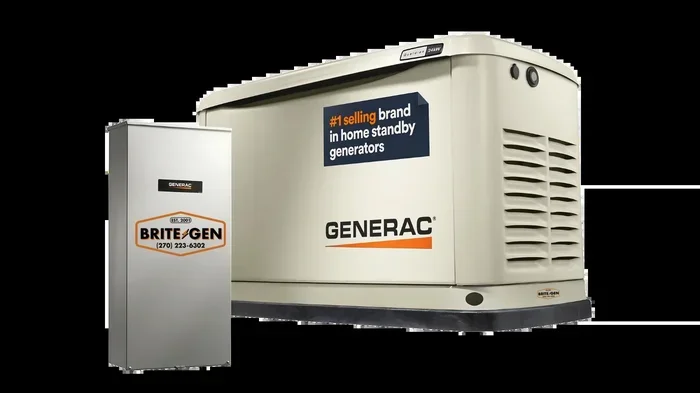
- They are perfect for homes with standby generators that stay outside and run on natural gas or propane.
- They include built-in safety features that prevent overload and backfeed.
- They cost more upfront, typically $500 to $1,500 for the switch alone.
Manual Transfer Switch vs Automatic Transfer Switch
Choosing between these two types depends on your budget and needs. Below is a quick comparison to help you decide.
| Feature | Manual Transfer Switch | Automatic Transfer Switch |
|---|---|---|
| Cost | $200 – $600 | $500 – $1,500 |
| Installation Complexity | Simple | Moderate to Complex |
| Response Time | 1 – 5 minutes | Under 10 seconds |
| Requires Presence | Yes | No |
| Best For | Portable generators | Standby generators |
| Safety Features | Basic | Advanced |
How to Choose the Right Generator Switch for Your Home
Selecting the right generator switch for house setup depends on several factors. You need to think about your generator size, your electrical panel, and what you want to power during an outage.
Match the Switch to Your Generator Capacity
Not all generators produce the same amount of power. A small portable generator might handle 3,000 to 7,000 watts, while a whole-house standby unit can produce 20,000 watts or more. Your switch must handle the electrical load your generator can deliver. If you mismatch them, you risk tripping breakers or damaging your appliances.
To find the right fit, add up the wattage of the appliances you want to run. A fridge uses about 700 watts, a sump pump around 1,300 watts, and a window AC unit can pull 1,500 watts or more. Once you know your total load, choose a switch rated for that capacity.
Consider Your Electrical Panel Setup
Most homes in the US use a 200-amp electrical panel, but older homes may have 100-amp panels. Your generator switch needs to match your panel’s amperage. A licensed electrician can confirm your panel rating and recommend the right switch size.
If you plan to power your entire home, you will need a higher-capacity switch and a larger generator. For powering just essential circuits, a smaller switch rated for 30 to 60 amps works well. This approach keeps costs down while still giving you the backup power you need.
Think About Fuel Type and Connection
Standby generators typically run on natural gas or propane, while portable units run on gasoline or diesel. Your switch should be compatible with your generator’s fuel type and connection method. Natural gas connections are permanent and convenient, while gasoline-powered generators require refueling.
If you are still deciding on a generator, consider reading about what size generator will run a whole house to make an informed choice. The right generator paired with the right switch gives you complete peace of mind.
Step-by-Step Guide to Installing a Generator Switch
Installing a generator switch is a project that a competent DIYer can tackle, but hiring a licensed electrician is always the safest route. Here is a general overview of the process.
Step 1: Turn Off the Main Power
Before you touch any wiring, shut off the main breaker in your electrical panel. This disconnects your home from the utility grid and prevents backfeed. Use a voltage tester to confirm that no power is flowing through the panel.
Step 2: Mount the Transfer Switch
Install the transfer switch next to your electrical panel. Most manual and automatic switches mount on a wall or on a bracket near the panel. Make sure the location is dry, accessible, and away from direct weather exposure.
Step 3: Connect the Generator Inlet Box
The generator inlet box connects to the transfer switch and provides a dedicated port for your generator cord. Mount the inlet box on an exterior wall, ideally near where you store your generator. Run conduit from the inlet box to the transfer switch.
Step 4: Wire the Circuits
Connect the generator leads from the transfer switch to the inlet box. Then, wire the load circuits from the transfer switch to the corresponding breakers in your panel. A licensed electrician should handle this step to ensure everything meets local electrical codes.
Step 5: Test the System
Once everything is wired, start your generator and switch the transfer switch to generator mode. Test each circuit you want to power. Check that the voltage is stable and that no breakers trip. This test run confirms that your system works correctly before you actually need it during an outage.
If you want more details on connecting your generator to your home, check out our guide on how to run generator to house for practical tips and safety reminders.
Common Generator Switch Problems and How to Fix Them
Even the best generator switches can develop issues over time. Knowing what to look for helps you catch problems early and avoid costly repairs.
Switch Won’t Engage
If your manual transfer switch won’t move to the generator position, the internal mechanism may be stuck or corroded. Try lubricating the switch mechanism with a silicone-based lubricant. If the lever feels loose or wobbly, the internal contacts may be worn and need replacement.
Generator Won’t Start When ATS Detects Outage
An automatic transfer switch that fails to start your generator could have a faulty sensor or a wiring issue. Check the ATS control panel for error codes. Make sure the generator’s fuel valve is open and the battery is charged. Sometimes a simple reset of the ATS solves the problem.
Overload Tripping
If your switch keeps tripping when you power multiple appliances, you are likely exceeding the switch’s rated capacity. Reduce the load by unplugging non-essential devices. You can also upgrade to a higher-capacity switch or prioritize only the most critical circuits.
Intermittent Power to Circuits
Flickering lights or intermittent power usually indicate a loose connection at the switch or inlet box. Check all wire terminals and tighten them securely. Corroded connections are a common culprit, especially in humid or coastal environments.
Maintenance Tips to Keep Your Generator Switch Working
A generator switch is a durable piece of equipment, but it still needs regular maintenance to perform reliably when you need it most.
Inspect the Switch Quarterly
Every three months, visually inspect your transfer switch. Look for signs of rust, loose wires, or burn marks on the terminals. Clean any corrosion with a wire brush and apply a thin layer of dielectric grease to protect the connections.
Test the Switch Monthly
Run a monthly test by starting your generator and switching to generator mode. Power a few essential circuits and check that everything works smoothly. This habit keeps the switch mechanism lubricated and helps you spot small issues before they become big problems.
Replace Worn Parts Promptly
If you notice worn contacts, cracked housing, or any physical damage, replace the affected parts right away. A damaged switch is a safety hazard and can cause power surges that damage your appliances. Most switch components are inexpensive and easy to replace with basic tools.
For more information on how long your backup power system will serve you, read about how long does a whole house generator last. Understanding the lifespan of your generator and switch helps you plan for upgrades and replacements.
Quick Tips and Common Mistakes to Avoid
Quick Tips
- Always read the manufacturer’s manual before installing or operating your generator switch.
- Label your circuits clearly so you know which breakers connect to the transfer switch.
- Keep your generator outside at all times. Running it indoors can cause deadly carbon monoxide buildup.
- Use a surge protector with your generator to protect sensitive electronics.
- Store fuel safely if you use a portable generator, and rotate your fuel supply regularly.
Common Mistakes to Avoid
- Never backfeed power through a wall outlet. This is extremely dangerous and can electrocute utility workers.
- Do not overload the switch. Stay within the rated wattage to prevent tripping and damage.
- Do not skip the ground fault circuit interrupter (GFCI). This safety device protects against electrical shock.
- Do not ignore local building codes. Permits and inspections ensure your installation is safe and legal.
- Do not wait until an emergency to test your system. Regular testing prevents surprises when the power goes out.
Final Thoughts on Choosing and Using a Generator Switch for House Setup
A generator switch for house is one of the most important investments you can make for home preparedness. Whether you choose a manual transfer switch or an automatic one, the key is to match the switch to your generator, your panel, and your power needs. A properly installed switch keeps your family safe and your home running smoothly during outages.
The cost of a generator switch varies widely based on type and capacity. For a ballpark idea, check out how much a generator for a 2000 sq ft house costs, since the switch is just one part of your overall backup power investment.
Take the time to research your options, consult with a licensed electrician, and test your system regularly. A well-maintained generator switch gives you confidence that your home will stay powered no matter what comes your way. Start planning your setup today, and you will be glad you did the next time the lights go out.
Frequently Asked Questions
What Is a Generator Switch for House Use?
A generator switch for house use is a device that safely connects a portable or standby generator to your home’s electrical system. It prevents backfeeding, which can endanger utility workers and damage your appliances. Essentially, it acts as a bridge between your generator and your home’s power panel.
Do I Need a Generator Switch for My House?
Yes, if you plan to power your home with a backup generator during outages, a generator switch for house setups is essential for safety and code compliance. Without one, you risk sending electricity back through your utility lines, which can be fatal to lineworkers. Most local building codes require a proper transfer switch for any generator connection.
What Is the Difference Between a Manual and Automatic Generator Switch for House Systems?
A manual transfer switch requires you to physically flip a switch to connect your generator to your home’s wiring. An automatic transfer switch detects a power outage and starts your generator without any human intervention. Both serve the same purpose, but automatic switches offer more convenience and faster response times during emergencies.
How Much Does a Generator Switch for House Installation Cost?
The cost of a generator switch for house installation typically ranges from $500 to $1,500 for the unit itself, plus $500 to $1,000 for professional installation. Manual switches tend to be cheaper, while automatic models cost more due to their advanced features. The total price depends on your panel size, generator capacity, and local labor rates.
Can I Install a Generator Switch for My House Myself?
While it is technically possible, hiring a licensed electrician is strongly recommended for installing a generator switch for house connections. Improper installation can void your warranty, violate local codes, and create serious safety hazards. A professional ensures the wiring is done correctly and safely from start to finish.
How Do I Choose the Right Size Generator Switch for My House?
To pick the right generator switch for house sizing, you need to match the switch amperage to both your generator output and your main breaker panel. Most homes use a 100-amp or 200-amp transfer switch depending on their electrical panel capacity. Check your generator’s output rating and consult an electrician to find the perfect fit for your setup.