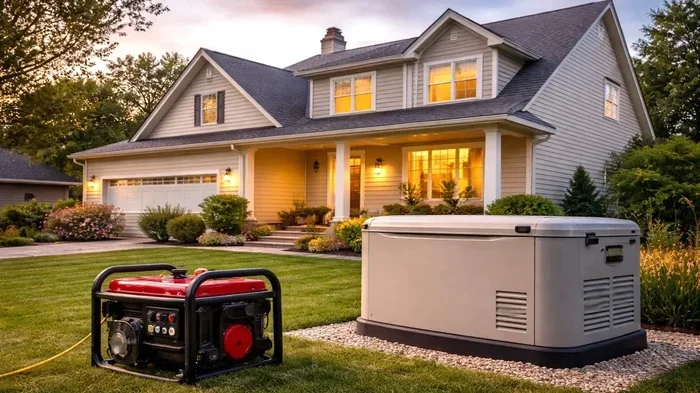
Generac Backup Generator The Ultimate Home Power Guide
A Generac backup generator is one of the most reliable ways to keep your home powered during outages. This guide covers everything from generator types and installation costs to maintenance tips and fuel options. Whether you face frequent storms or just want peace of mind, a Generac home generator delivers automatic backup power so your family stays safe and comfortable.
This is a comprehensive guide about generac backup generator.
Key Takeaways
- Automatic power restoration: A Generac standby generator kicks on within seconds of a power outage, keeping your home running without any manual effort.
- Fuel flexibility: Generac units can run on natural gas or propane, giving you options based on availability and preference.
- Cost range: Expect to spend between $3,000 and $20,000+ depending on unit size, installation complexity, and electrical needs.
- Professional installation is a must: Improper setup can void warranties and create safety hazards. Always hire a licensed technician.
- Regular maintenance matters: Annual servicing keeps your generator reliable and extends its lifespan by many years.
- Right sizing is critical: Choosing a unit too small means overload risks. Too large means wasted fuel and higher costs.
[FEATURED_IMAGE_PLACEHOLDER]
Why a Generac Backup Generator Is Worth Every Dollar
Power outages are more than just an inconvenience. They can ruin your groceries, knock out your heating system, and leave your family sitting in the dark for hours or even days. A Generac backup generator solves all of these problems by automatically restoring electricity the moment the grid goes down.
Unlike portable generators that need to be dragged out and manually started, a Generac standby system does everything for you. It monitors the power supply 24/7. The moment it detects a blackout, it fires up and connects to your home’s electrical panel automatically. You don’t even have to leave your couch.
But why Generac specifically? The brand has dominated the residential generator market for years. They offer a wide range of models, solid warranties, and excellent dealer support. Whether you live in a storm-prone area or just want that extra layer of security, a Generac home generator delivers proven reliability.
What Is a Generac Backup Generator and How Does It Work?
A Generac backup generator is a permanent installation outside your home. It connects directly to your fuel supply and electrical system. When the power drops, the system activates on its own and restores electricity within seconds.
The Automatic Transfer Switch
The secret behind this seamless operation is the automatic transfer switch (ATS). This component constantly monitors your home’s electrical input. When it senses a loss of power, it sends a signal to the generator to start.
Once the generator reaches full speed, the ATS switches your home’s electrical load over. When utility power returns, the ATS switches things back and shuts the generator down. The entire process takes anywhere from 5 to 30 seconds. You barely notice the outage happened.
If you want to understand more about how this connection works, check out our guide on how to run a generator to your house for practical setup insights.
Natural Gas vs. Propane Fuel Options
Most Generac standby generators run on natural gas or propane. Natural gas is the most common choice because it offers an unlimited fuel supply through your utility line. You never need to refuel.
Propane is a great alternative, especially in areas without natural gas lines. It also burns cleaner and can be stored on-site in tanks. However, you will need to monitor fuel levels and refill tanks during extended outages. To understand fuel usage better, read about how much propane a 20kW generator uses per hour.
Types of Generac Backup Generators
Generac makes several categories of generators. Each one serves a different purpose and budget. Let’s break them down.
Standby Generators
Generac standby generators are the big units you see mounted on concrete pads outside homes. These are the ones we have been discussing. They range from 7 kW to 24 kW or more. They can power an entire home, including HVAC systems, refrigerators, and well pumps.
Portable Generators
Portable units are smaller and more affordable. They run on gasoline and can power a few essential devices. However, they require manual setup and refueling. They are not a true home backup power solution but work well for camping or temporary needs.
Inverter Generators
Inverter generators produce clean, stable power. They are quieter and more fuel-efficient than conventional portable units. They are ideal for sensitive electronics like laptops and phones but lack the capacity to run heavy appliances.
Comparisons at a Glance
Here is a quick comparison table to help you see the differences:
- Standby Generator: Automatic operation, whole-house power, runs on natural gas or propane, costs $3,000 to $20,000+ installed.
- Portable Generator: Manual operation, partial power, runs on gasoline, costs $500 to $2,500.
- Inverter Generator: Quiet and efficient, electronics-only power, runs on gasoline, costs $400 to $1,500.
For most homeowners, the standby option is the best investment. It offers the ultimate in convenience and protection.
Generac Backup Generator Costs and Installation
One of the most common questions is: What is the average cost of a Generac generator? The answer depends on several factors including unit size, fuel type, and installation complexity.
Unit Pricing
Smaller Generac models in the 7 kW to 10 kW range typically cost between $2,000 and $5,000 for the equipment alone. Mid-range units from 12 kW to 17 kW run between $4,000 and $10,000. The top-tier 20 kW to 24 kW models can exceed $15,000 just for the generator unit.
Installation costs add another $1,500 to $5,000 depending on your site conditions, electrical panel requirements, and local permit fees. For a detailed breakdown of what you can expect to pay, see our article on the average cost of a Generac generator.
What Affects Installation Cost?
Several things can push the total price up or down:
- Distance from the electrical panel: Longer conduit runs cost more.
- Fuel type: Natural gas line connections may require utility work.
- Concrete pad preparation: Some homes already have a pad. Others need one built.
- Permits and inspections: Local codes vary widely by municipality.
- Electrical panel upgrades: Older homes may need a panel upgrade to handle generator power.
If you want a full cost breakdown including installation, our guide on the average cost of a Generac generator installed covers everything in detail.
Quick Tips to Save on Costs
- Get three or more quotes from licensed installers before committing.
- Ask about bundled packages that include the generator, ATS, and installation at a discount.
- Check for local and federal tax credits for backup power systems.
- Consider a smaller unit if your essential load is modest. You can always upgrade later.
How to Size Your Generac Backup Generator Correctly
Choosing the right size is one of the most important decisions you will make. Too small and your generator will overload. Too large and you waste money on fuel and equipment.
Determine Your Essential Loads
Start by listing the appliances and systems you want to keep running during an outage. Here are some common items and their wattage needs:
- Refrigerator: 600 to 800 watts
- Freezer: 500 to 800 watts
- Sump pump: 1,000 to 1,500 watts
- Well pump: 2,000 to 3,000 watts
- HVAC system: 2,000 to 5,000 watts
- Lights (10 bulbs): 100 to 300 watts
- Phone and laptop charging: 100 to 200 watts
Add up your total wattage. That number will guide your generator size choice. If your total falls between 10 kW and 16 kW, a mid-range Generac unit should handle your needs. If you need to run heavy loads like central air, aim for 18 kW to 24 kW.
For specific guidance on running appliances like furnaces and refrigerators, check out our guide on what size generator to run a furnace and refrigerator.
Consult a Professional
Even with a wattage calculator, sizing can be tricky. A licensed electrician can evaluate your home’s electrical panel, startup surges, and future needs. This step is well worth the investment.
Generac Backup Generator Maintenance: Keeping Your System Ready
A generator that sits idle for months can fail when you need it most. Generator maintenance is not optional. It is essential for reliable operation.
Annual Professional Servicing
Generac recommends annual servicing by a certified dealer. A typical service visit includes:
- Oil and filter change
- Spark plug inspection and replacement
- Air filter cleaning or replacement
- Battery load testing
- Transfer switch testing
- Fuel system inspection
- Full operational test under load
Expect to pay between $150 and $300 per year for a standard service plan. Many dealers offer annual maintenance contracts that include priority service and discounted parts.
DIY Maintenance Tasks
Between professional visits, you can do a few things yourself:
- Keep the generator area clear of debris, leaves, and snow.
- Check the oil level monthly.
- Test the unit monthly by running it for 15 to 20 minutes under load.
- Ensure the battery is charged and connections are tight.
- Monitor fuel lines for leaks or deterioration.
How Long Does a Generac Generator Last?
With proper care, a Generac home generator can last 20 to 30 years. Units that are neglected or run continuously under heavy loads may need major repairs after 10 to 15 years. To get a deeper understanding of unit longevity, read our article on how long a whole-house generator lasts.
Common Mistakes to Avoid with Your Generac Backup Generator
Even smart homeowners make avoidable mistakes when it comes to backup power. Here are the biggest ones to watch out for.
Skipping Professional Installation
Some people try to install a Generac unit themselves to save money. This is risky. Improper wiring can cause fires, electrical shock, or damage to your home’s systems. It also voids the manufacturer warranty. Always hire a licensed and Generac-certified installer.
Ignoring Fuel Quality
Stale gasoline or contaminated propane can damage your generator’s engine. If you use propane, ensure your tank is clean and properly vented. If your unit runs on natural gas, have the utility company inspect the line periodically.
Neglecting Exercise Mode
Generac units have a built-in exercise mode that runs the generator weekly for a few minutes. This keeps the engine lubricated and the system ready. Never disable this feature. If your unit is not exercising, something is wrong and needs attention.
Oversizing or Undersizing
As we discussed, wrong sizing leads to problems. Oversized units cycle on and off too frequently, which wears out the engine faster. Undersized units trip on overload and may shut down during the worst moments. Take the time to size correctly.
Forgetting About Noise
Standby generators are loud. They typically produce 65 to 80 decibels during operation. Check local noise ordinances before installation. Some neighborhoods have restrictions on generator runtime hours. Planning ahead prevents complaints and fines.
Expert Insights: Maximizing Your Generac Backup Generator Performance
Here are some pro tips that most homeowners never hear about:
Install a Generator Enclosure for Noise Reduction
If noise is a concern, consider a sound-attenuated enclosure. These custom-built housings can reduce noise by 10 to 15 decibels. They also protect the unit from weather, debris, and curious animals.
Add a Weather Monitoring System
Some Generac dealers offer weather alert integration. Your generator can automatically start before a storm hits based on real-time weather data. This is a great way to ensure power is ready before the outage begins.
Pair with Solar or Battery Backup
For maximum resilience, consider pairing your Generac generator with a solar panel system or home battery. The generator handles heavy loads while the battery stores excess energy. This combo reduces fuel consumption and provides backup during generator maintenance periods.
Keep a Generator Emergency Kit
Stock a kit near your generator with these items:
- Extra oil and filters
- Spark plugs
- Battery charger
- Fuel stabilizer
- Basic hand tools
- Owner’s manual
Having these supplies on hand means quick fixes during an outage when you cannot wait for a service call.
Generac Backup Generator Warranty and Support
One of the biggest advantages of choosing Generac is their warranty and dealer network. Most Generac standby generators come with a 5 to 10-year limited warranty. Some premium models offer extended coverage up to 15 years.
The warranty covers defects in materials and workmanship. It typically does not cover damage from misuse, neglect, or unauthorized modifications. This is another reason professional installation and regular maintenance matter so much.
Generac has a vast network of authorized dealers across the United States. You can find a dealer near you on their official website. Many dealers offer service plans, emergency callouts, and free consultations. This level of support gives homeowners real peace of mind.
Frequently Asked Questions About Generac Backup Generators
How long does a Generac backup generator run on a tank of propane?
A Generac generator running on a standard 100-gallon propane tank can run for approximately 24 to 48 hours depending on the load. Larger tanks or natural gas connections extend runtime significantly. Natural gas units can theoretically run indefinitely since they connect to your utility line.
Can a Generac generator power my entire home including central air?
Yes, but you need the right size. A 20 kW to 24 kW Generac unit can typically handle central air conditioning along with other essential loads. Have an electrician calculate your total load before purchasing to ensure the unit is sized correctly.
How often should I service my Generac backup generator?
Generac recommends annual professional servicing at minimum. You should also run the unit monthly under load for about 15 minutes to keep the engine in good condition. Regular oil changes, filter replacements, and battery checks keep the system reliable.
Is a Generac backup generator louder than a portable generator?
Standby generators are generally louder than portable units because they run more powerful engines. A typical Generac standby unit produces 65 to 80 decibels. Portable generators range from 50 to 70 decibels. Sound-attenuated enclosures can reduce standby generator noise significantly.
What happens if the Generac generator fails during a power outage?
Generac units have built-in self-diagnostic systems that alert you to issues. If a problem is detected, the unit will display an error code on its control panel. Most dealers offer 24-hour emergency support. Regular maintenance greatly reduces the chance of failure when you need power most.
Can I install a Generac generator myself to save money?
You can, but it is strongly discouraged. Self-installation voids the manufacturer warranty and creates serious safety risks including electrical fire and carbon monoxide exposure. Always hire a licensed, Generac-certified installer. The cost of professional installation is a small price to pay for safety and warranty protection.
Conclusion: Is a Generac Backup Generator Right for Your Home?
A Generac backup generator is one of the best investments a homeowner can make. It protects your family, preserves your food, keeps your heating and cooling running, and adds real value to your property. The automatic operation means you never have to lift a finger during an outage.
We have covered a lot of ground in this guide. You now understand the different types of generators available. You know how to size your system, what to expect for costs, and how to maintain your unit for decades of reliable service. You also know the common mistakes to avoid and the expert tips that set experienced homeowners apart.
The bottom line is simple: a Generac home generator delivers dependable emergency power and genuine peace of mind. Whether you face hurricanes, ice storms, or simple grid failures, your home will stay powered and your family will stay safe. Take the time to choose the right model, hire a professional for installation, and commit to regular maintenance. Your future self will thank you the first time the lights stay on while everyone else is in the dark.
Frequently Asked Questions
What is generac backup generator?
generac backup generator is an important topic with many practical applications.