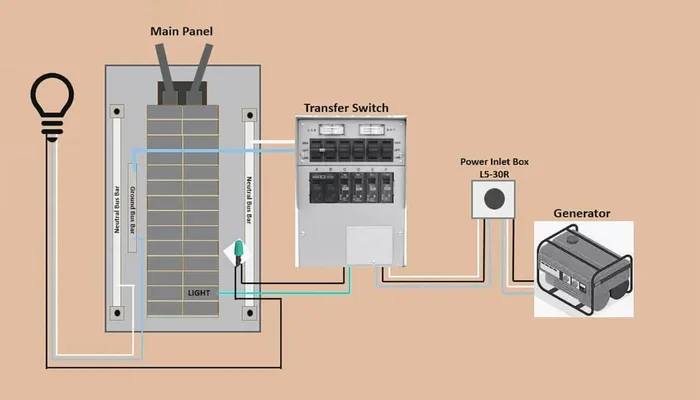
How to wire a generator to a breaker box off grid setup
Wiring a generator to a breaker box off grid is one of the smartest moves you can make for energy independence. This guide walks you through every step, from choosing the right generator to connecting it safely to your electrical panel. You will learn about transfer switches, wiring methods, safety rules, and common mistakes to avoid.
Living off the grid gives you freedom. You are not tied to utility companies. You control your own power. But when your generator needs to connect to your breaker box, things can get tricky fast. Many people wonder how to wire a generator to a breaker box off grid without risking their safety or their electrical system.
This guide makes it simple. We will walk you through every step. You will learn about the right equipment, safe wiring methods, and the mistakes most people make. Whether you have a portable generator or a standby unit, this article has you covered. Let us get started.
Key Takeaways
- Choose the right generator: Match your generator’s wattage to your home’s power needs for a reliable off-grid setup.
- Use a transfer switch: It is the safest and most efficient way to connect a generator to your breaker box.
- Follow local codes: Always check with your local building authority and consider hiring a licensed electrician.
- Safety comes first: Never backfeed power through a regular outlet, and always turn off the main breaker before working.
- Maintenance matters: Regularly test your setup and inspect wiring to keep everything running smoothly.
- Manual vs. automatic transfer switches: Each has its place depending on your budget and needs.
- Grounding is essential: Proper grounding protects your home and appliances from electrical faults.
📑 Table of Contents
- What Is a Generator Breaker Box Setup for Off-Grid Living?
- Types of Generators You Can Wire to a Breaker Box
- Tools and Materials You Will Need
- Step-by-Step Wiring Guide
- Safety Tips and Common Mistakes
- Maintenance and Troubleshooting
- Quick Tips for a Smooth Installation
- Understanding Load Management for Off-Grid Generators
- Comparison: Manual vs. Automatic Transfer Switches
- Final Thoughts on Wiring a Generator to Your Breaker Box Off Grid
What Is a Generator Breaker Box Setup for Off-Grid Living?
When you live off grid, your generator becomes your lifeline. But simply plugging a generator into your home is not enough. You need a proper connection to your breaker box. This setup allows you to power your entire home from the generator safely.
A generator breaker box setup means you are linking your portable or standby generator directly to your electrical panel. This gives you access to all your home circuits. You can run lights, refrigerators, sump pumps, and more. The key component that makes this work is a transfer switch.
Why Off-Grid Power Needs a Proper Connection
Off-grid living means you are your own utility company. When the sun goes down or the wind stops, your generator kicks in. But without a proper connection to your breaker box, you are limited. You can only power what plugs directly into the generator.
A wired connection solves this problem. It gives you full access to your home circuits. It also keeps your family safe. Improper wiring can cause fires, damage appliances, or even electrocute utility workers. That is why getting this right matters so much.
How This Differs from a Grid-Tied System
Grid-tied systems send extra power back to the utility. Off-grid systems work completely independently. Your generator powers your home directly. There is no utility company involved. This means you need a way to isolate your system from the grid.
A transfer switch does exactly that. It disconnects your home from the utility lines when the generator is running. This prevents backfeed, which is dangerous and often illegal. Understanding this difference is the first step in wiring a generator to a breaker box off grid correctly.
Types of Generators You Can Wire to a Breaker Box
Not all generators are created equal. The type of generator you choose affects how you wire it to your breaker box. Let us look at the main options.
Portable Generators
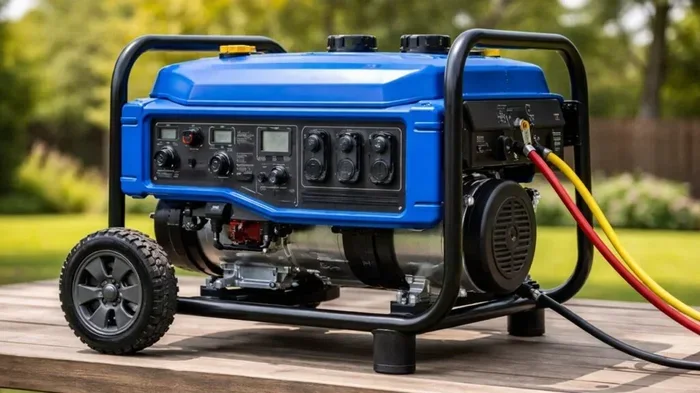
Portable generators are the most common choice for off-grid homes. They are affordable and easy to move. Most portable units range from 3,000 to 10,000 watts. You can power essential circuits with a smaller unit.
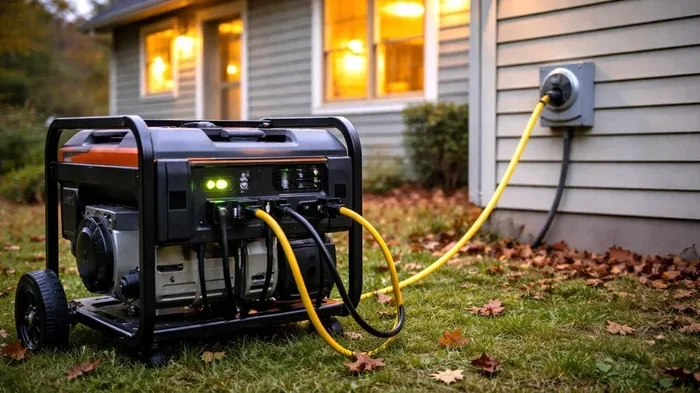
To connect a portable generator to your breaker box, you need a manual transfer switch. You also need a dedicated inlet box mounted on the outside of your home. The generator plugs into the inlet box, and the transfer switch connects to your panel.
Standby Generators
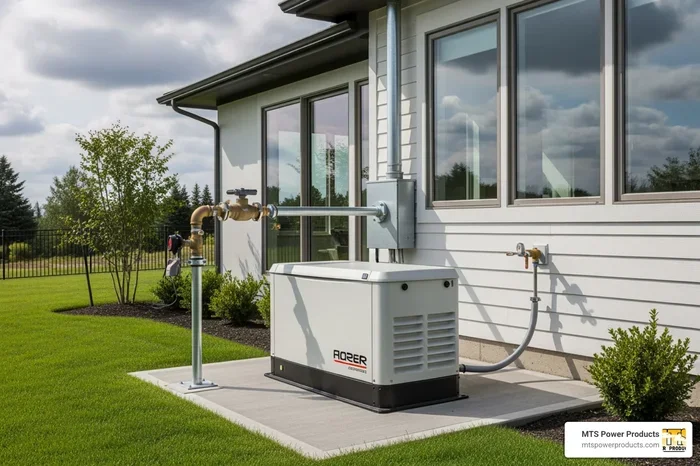
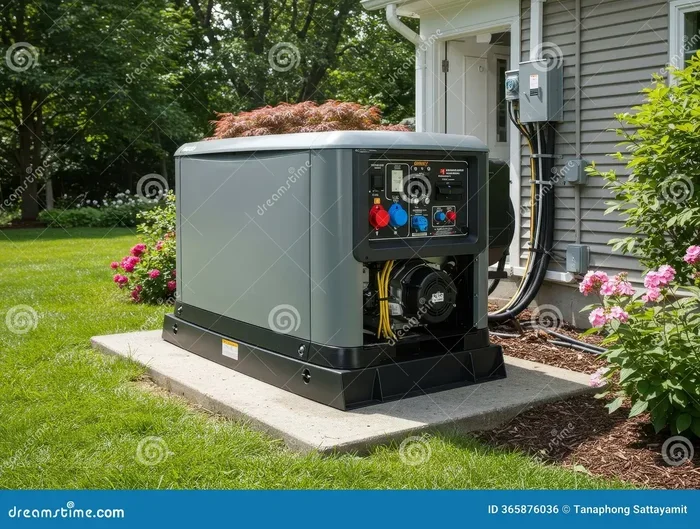
Standby generators are permanent installations. They sit outside your home like an air conditioning unit. They connect directly to your natural gas or propane line. When the power goes out, they start automatically.
Standby units range from 7,000 to 24,000 watts or more. They come with an automatic transfer switch built in. This makes the wiring process simpler. However, the upfront cost is much higher. Many off-grid homeowners choose standby generators for their reliability and convenience.
Inverter Generators
Inverter generators produce clean, stable power. They are ideal for sensitive electronics like laptops and phones. They are also quieter than traditional generators.
The wiring process is similar to a portable generator. You still need a manual transfer switch and inlet box. The difference is in the power quality. Inverter generators adjust their engine speed based on the load. This saves fuel and reduces noise.
Tools and Materials You Will Need
Before you start wiring, gather everything you need. Having the right tools and materials saves time and prevents mistakes.
Essential Tools
- Wire strippers for preparing cable ends
- Screwdrivers (flathead and Phillips)
- Wire nuts and electrical tape
- Drill with bits for mounting the inlet box
- Multimeter for testing voltage and connections
- Conduit bender if running wiring through walls
- Gloves and safety glasses
Required Materials
- Manual or automatic transfer switch
- Generator inlet box (weatherproof, outdoor rated)
- Electrical cable (size depends on generator wattage)
- Conduit or PVC pipe for protecting wiring
- Grounding rod and grounding wire
- Interlock kit (alternative to a transfer switch)
- Breaker for the generator circuit
Choosing the Right Wire Size
The wire size matters a lot. Too thin a wire can overheat and cause a fire. Match the wire gauge to your generator’s amperage output. Most setups use 10-gauge or 8-gauge wire for standard generators. Check the generator manual for the exact wire size recommendation.
Step-by-Step Wiring Guide
This is the core of the process. Follow these steps carefully to wire a generator to a breaker box off grid safely.
Step 1: Turn Off the Main Breaker
Safety comes first. Go to your main electrical panel and switch off the main breaker. This cuts all power to your home. Use your multimeter to confirm there is no live current in the panel before you touch anything.
Never work on a live panel. Even with the main breaker off, some wires may still carry residual charge. Treat every wire as if it is live until you have verified otherwise.
Step 2: Install the Generator Inlet Box
Mount the inlet box on the outside of your home. Choose a location close to your electrical panel. The inlet box should be at least 18 inches above ground level to prevent water damage.
Drill a hole through the wall for the conduit. Use a sealant around the opening to keep moisture out. Connect the conduit from the inlet box to the transfer switch inside your home.
Step 3: Install the Transfer Switch
The transfer switch sits between your generator inlet and your breaker box. It controls which power source feeds your home. You can choose a manual or automatic transfer switch depending on your generator type and budget.
Mount the transfer switch next to your main panel. Connect the inlet cable from the outside to the transfer switch. Then connect a wire from the transfer switch to a dedicated breaker in your panel.
Step 4: Connect the Generator Cable
Run the electrical cable from the inlet box through the conduit to the transfer switch. Strip the wire ends carefully. Connect each wire to the corresponding terminal on the transfer switch. Use wire nuts and electrical tape for secure connections.
Make sure the connections are tight. Loose connections create heat and can start a fire. Double-check every connection before moving to the next step.
Step 5: Install the Generator Breaker
Install a dedicated breaker for the generator circuit in your main panel. The breaker size should match the generator’s maximum output. For example, a 30-amp generator needs a 30-amp double-pole breaker.
Connect the wire from the transfer switch to this breaker. Make sure the breaker is in the off position during installation. This prevents accidental power surges while you work.
Step 6: Ground the System
Grounding is non-negotiable. Drive a grounding rod into the earth near your panel. Connect the grounding wire from the generator inlet to the grounding rod and to your panel’s grounding bar.
Proper grounding protects your home from electrical faults. It also keeps you safe from shock hazards. Never skip this step, no matter how tempted you are to rush.
Step 7: Test the Setup
Once everything is connected, it is time to test. Turn off all appliances in your home. Start the generator outside. Switch the transfer switch to the generator position.
Turn on the generator breaker in your panel one at a time. Use your multimeter to verify voltage at each circuit. Start with essential circuits like the refrigerator and lights. Gradually add more loads as you confirm everything works.
Watch for any warning signs. Flickering lights, unusual smells, or tripping breakers all indicate a problem. Turn everything off and recheck your connections if you notice any issues.
Safety Tips and Common Mistakes
Wiring a generator to your breaker box is not a project to rush through. Safety must be your top priority at every step.
Never Backfeed Through a Wall Outlet
Some people try to power their home by plugging the generator into a wall outlet. This is called backfeeding. It is extremely dangerous. Backfeed can send electricity back through the utility lines. This can kill utility workers who think the lines are dead.
Backfeeding is also illegal in most areas. You can face heavy fines or criminal charges. Always use a proper transfer switch or interlock kit. This is the only safe and legal way to connect a generator to your breaker box.
Common Mistakes to Avoid
- Undersizing the wire gauge. Thin wires overheat and cause fires.
- Skipping the transfer switch. This is the single most dangerous mistake you can make.
- Forgetting to ground the system. Ungrounded systems create shock hazards.
- Overloading the generator. Add up your circuit wattages and stay under the generator’s capacity.
- Working on a live panel. Always confirm the main breaker is off before touching any wires.
- Ignoring local building codes. Codes exist for your safety. Follow them or hire a professional.
When to Hire a Professional
If you are not comfortable working with electrical wiring, hire a licensed electrician. A professional can install your generator connection quickly and safely. They will also ensure your setup meets local building codes.
Many jurisdictions require a permit for generator installations. A licensed electrician handles the permit process for you. This gives you peace of mind and protects your home insurance coverage.
Maintenance and Troubleshooting
Once your generator is wired to your breaker box, maintenance keeps everything running smoothly. A well-maintained system lasts for years.
Regular Maintenance Tasks
- Test your setup monthly. Run the generator for 15 to 20 minutes under load.
- Inspect wiring connections. Look for signs of corrosion, looseness, or heat damage.
- Check the grounding rod. Make sure it is still properly connected.
- Change the generator oil and filter. Follow the manufacturer’s maintenance schedule.
- Keep the inlet box clean. Remove dirt, leaves, and debris regularly.
Troubleshooting Common Issues
If your generator will not power your home, check a few things first. Make sure the transfer switch is in the correct position. Verify that the generator breaker is on. Check that the main breaker is off to prevent conflicts between power sources.
If you notice tripping breakers, you may be overloading the generator. Add up the wattage of all running appliances. If the total exceeds the generator’s capacity, reduce your load. Prioritize essential circuits and run high-wattage appliances one at a time.
Quick Tips for a Smooth Installation
- Plan your circuit list first. Know exactly which circuits you want to power before you start wiring.
- Label every wire. This saves confusion during installation and future maintenance.
- Use weatherproof connections. All outdoor connections should be rated for exposure to the elements.
- Keep the generator at least 20 feet from your home. This prevents carbon monoxide from entering your living space.
- Invest in a quality transfer switch. Cheap switches can fail under load. Spend a little more for reliability.
- Document your wiring. Take photos and notes. This helps if you ever need to troubleshoot or sell your home.
Understanding Load Management for Off-Grid Generators
One of the biggest challenges of off-grid power is managing your load. Your generator has a limited wattage capacity. If you try to run too many appliances at once, the generator will trip or stall.
Start by making a list of your essential circuits. A typical off-grid setup might include the refrigerator, a few lights, the furnace blower, and a sump pump. Add up the starting and running wattages for each. Your generator should handle the total starting wattage with room to spare.
Some advanced setups use load management panels. These panels automatically prioritize circuits. If the load gets too high, the panel sheds non-essential circuits. This keeps your generator running smoothly without manual intervention.
Comparison: Manual vs. Automatic Transfer Switches
Choosing between a manual and automatic transfer switch is an important decision. Each option has its pros and cons.
| Feature | Manual Transfer Switch | Automatic Transfer Switch |
|---|---|---|
| Cost | $300 – $800 | $800 – $2,500+ |
| Installation | DIY-friendly | Professional recommended |
| Startup | Manual switching required | Automatic within seconds |
| Generator compatibility | Portable and standby | Standby only |
| Convenience | Lower | Higher |
| Best for | Budget off-grid setups | Seamless backup power |
A manual transfer switch works well for most off-grid setups. You start the generator yourself and flip the switch. An automatic transfer switch is ideal if you want your standby generator to kick in without any human intervention. Both options are safe when installed correctly.
Final Thoughts on Wiring a Generator to Your Breaker Box Off Grid
Wiring a generator to a breaker box off grid is a rewarding project. It gives you energy independence and peace of mind. You are in control of your power supply. You are not at the mercy of utility companies or weather conditions.
The process requires careful planning and attention to safety. Choose the right generator for your needs. Use a proper transfer switch. Follow the wiring steps exactly. Never skip grounding or safety checks. When in doubt, consult a licensed electrician.
With the right setup, your generator will power your home reliably for years to come. You will enjoy the freedom of off-grid living without sacrificing comfort or safety. Take your time, do the job right, and enjoy the benefits of your hard work.
Frequently Asked Questions
Can I wire a portable generator directly to my breaker box?
Yes, but only through a proper transfer switch or interlock kit. Never plug a generator directly into a wall outlet. A transfer switch safely routes generator power to your panel while disconnecting it from the utility grid. This prevents backfeed and keeps everyone safe.
What size generator do I need for off-grid living?
The size depends on your power needs. Add up the wattage of all the circuits you want to run. A typical off-grid home needs between 5,000 and 10,000 watts for essential loads. If you want to run everything including air conditioning and well pumps, you may need 15,000 watts or more.
Do I need a permit to wire a generator to my breaker box?
Most jurisdictions require a permit for generator installations. This ensures the work meets local electrical codes and safety standards. Check with your local building authority before starting the project. Hiring a licensed electrician can simplify the permit process.
What is an interlock kit and how does it work?
An interlock kit is a cheaper alternative to a transfer switch. It uses a mechanical lock to prevent both the main breaker and the generator breaker from being on at the same time. This prevents backfeed. However, it is less convenient than a transfer switch and may not meet all local codes.
How far should the generator be from my home?
Place the generator at least 20 feet from your home. This distance prevents carbon monoxide from entering your living space. Always run the generator outside in a well-ventilated area. Never operate a generator indoors or in an enclosed space like a garage.
Can I use an extension cord instead of a hardwired connection?
An extension cord can power individual appliances, but it is not a substitute for a proper breaker box connection. Hardwiring through a transfer switch gives you access to your full electrical panel. It is safer, more convenient, and more reliable for long-term off-grid use.
=== CONCLUSION ===
Learning how to wire a generator to a breaker box off grid opens the door to true energy independence. You now know the types of generators available, the tools you need, and the step-by-step wiring process. You understand the importance of transfer switches, grounding, and load management. You also know the common mistakes that can turn a simple project into a dangerous one.
Take your time with this installation. Follow every safety precaution. If something feels uncertain, consult a professional. Your safety and the safety of your family matter more than any shortcut. With the right setup, you will enjoy reliable off-grid power for years to come.