The Best 2500 Watt Generator for Your Home Power Needs
A 2500 watt generator is a versatile and compact power solution perfect for home backup, camping trips, and outdoor events. It balances portability with enough output to run essential household appliances during a power outage. This guide breaks down the top models, key features, and buying tips so you can make a confident choice.
A 2500 watt generator hits a sweet spot that many homeowners and outdoor enthusiasts love. It is powerful enough to keep your essentials running but small enough to store easily and transport without a truck. Whether you face frequent power outages or just want a reliable backup, this wattage range delivers real value.
Choosing the right generator can feel overwhelming. There are so many brands, types, and features to consider. That is exactly why we put together this guide. We will walk you through everything you need to know about 2500 watt generators, from how they work to which models deserve your money.
By the end of this article, you will have a clear picture of what to look for. You will understand running wattage versus surge wattage, fuel types, noise levels, and safety tips. Let us dive in and find the perfect 2500 watt generator for your home.
Key Takeaways
- Portable Power: A 2500 watt generator offers the ideal balance of size and output for most home and recreational needs.
- Fuel Options: You can choose from gas, propane, or dual-fuel models depending on your preference and availability.
- Key Features Matter: Look for inverter technology, low noise levels, and multiple outlet types for maximum versatility.
- Safety First: Always follow generator safety guidelines including proper grounding and ventilation.
- Maintenance Extends Life: Regular oil changes and fuel stabilizers keep your generator running smoothly for years.
- Right Size Matters: Match your generator wattage to your actual power needs to avoid overload or wasted capacity.
📑 Table of Contents
- What Is a 2500 Watt Generator and How Does It Work?
- Top Features to Look For in a 2500 Watt Generator
- Benefits of Owning a 2500 Watt Generator
- How to Choose the Right 2500 Watt Generator for Your Needs
- Safety Tips for Using Your 2500 Watt Generator
- Maintenance Tips to Keep Your Generator Running Strong
- 2500 Watt Generator vs. Other Sizes: Which Is Right for You?
- Common Mistakes to Avoid When Buying a 2500 Watt Generator
- Expert Tips for Getting the Most From Your 2500 Watt Generator
- Final Thoughts: Finding the Perfect 2500 Watt Generator
What Is a 2500 Watt Generator and How Does It Work?
A 2500 watt generator is a portable electric generator that produces up to 2500 watts of alternating current (AC) power. This output level makes it suitable for running a range of household and recreational devices. Most models in this category are compact, lightweight, and designed for easy transport.
Generators convert mechanical energy into electrical energy. A small engine burns fuel to spin a rotor inside a stator. This movement creates electricity that flows through the generator outlets. Inverter generators, which are popular in the 2500 watt range, produce cleaner and more stable power. This makes them safe for sensitive electronics like laptops and smartphones.
Running Wattage vs. Surge Wattage
Understanding the difference between running wattage and surge wattage is crucial. Running wattage is the continuous power a generator can supply. Surge wattage is the extra power burst needed when you start a motor-driven appliance. For example, a refrigerator might need 700 watts to run but 2200 watts to start up. Always check both numbers before buying.
Who Benefits From a 2500 Watt Generator?
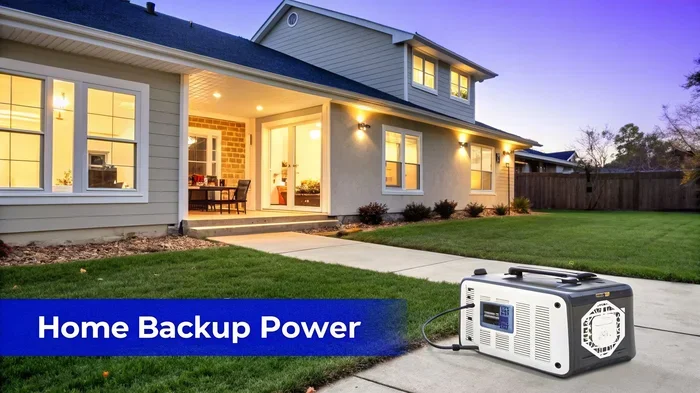
Many people benefit from this wattage level. Homeowners who need backup power for essential circuits love the compact size. Campers and RV owners appreciate the portability. Homeowners wondering what size generator to run furnace and refrigerator will find that a 2500 watt model handles these appliances well in most cases.
Top Features to Look For in a 2500 Watt Generator
Not all generators are created equal. Even within the same wattage class, features can vary a lot. Here are the most important factors to consider when shopping for a 2500 watt generator.
Inverter Technology
Inverter generators adjust their engine speed to match the load. This means less fuel consumption and quieter operation. They also produce cleaner power with less total harmonic distortion. If you plan to power electronics, an inverter model is the way to go.
Fuel Type and Efficiency
Most 2500 watt generators run on gasoline, but many now offer dual-fuel capability. Dual-fuel models let you switch between gasoline and propane. Propane burns cleaner and stores longer, which is great for emergency preparedness. If you are curious about fuel consumption, check out our article on how much propane a generator uses per hour for more details.
Noise Level
Nobody wants a generator that sounds like a jet engine. Modern 2500 watt generators are designed to run quietly, often between 50 and 65 decibels. This makes them suitable for campsites, neighborhoods, and even tailgating events. Look for models that advertise “quiet operation” or “eco mode” for the best experience.
Outlet Options and Portability
Check how many and what types of outlets the generator offers. You want a mix of 120V standard outlets, USB ports, and ideally a 12V DC outlet. Portability matters too. Look for models with foldable handles, wheels, and a manageable weight, usually under 60 pounds for this wattage class.
Benefits of Owning a 2500 Watt Generator
A 2500 watt generator brings several real-world advantages that make it a smart investment for any household.
- Essential Power During Outages: Keep your refrigerator, lights, and medical devices running when the grid goes down.
- Affordable Backup Solution: Compared to whole-house standby systems, a 2500 watt portable generator costs much less upfront.
- Perfect for Outdoor Adventures: Power your camping gear, RV air conditioner, or tailgate setup with ease.
- Easy to Store: Its compact size means you can keep it in a closet or garage without taking up much space.
- Simple to Operate: Most models start with a pull cord or electric start and require minimal setup.
One of the biggest advantages is flexibility. You can use it at home, at a job site, or on a weekend camping trip. This versatility makes a 2500 watt generator one of the most practical power tools you can own.
How to Choose the Right 2500 Watt Generator for Your Needs
With so many options on the market, narrowing down your choice can feel tricky. Use these guidelines to find the best fit for your situation.
Calculate Your Power Needs
Make a list of the appliances you want to run. Add up their wattage requirements. A typical refrigerator uses about 700 running watts. A sump pump needs around 1300 watts. A few lights and a phone charger add another 200 to 300 watts. Add these up and make sure your 2500 watt generator can handle the total load comfortably.
Consider Your Fuel Preference
Think about what fuel is easiest for you to get and store. Gasoline is widely available but has a shorter shelf life. Propane stores indefinitely and burns cleaner. Dual-fuel models give you the best of both worlds. If you want to learn more about how long fuel lasts, read our guide on how long you can leave gas in a generator.
Check the Warranty and Brand Reputation
Stick with reputable brands that offer solid warranties. A good warranty shows the manufacturer trusts their product. Look for at least a two-year warranty on the generator and a reliable customer service team. Reading user reviews helps too, but focus on patterns rather than one-off complaints.
Think About Future Needs
Will your power needs change in the next few years? If you plan to add more appliances or expand your setup, consider a slightly higher wattage model. It is always better to have a little extra capacity than to run your generator at full load constantly.
Safety Tips for Using Your 2500 Watt Generator
A generator is a powerful tool, and safety should always come first. Follow these essential guidelines to protect yourself, your family, and your home.
Never Operate Indoors
Generators produce carbon monoxide, which is invisible and deadly. Always run your generator outdoors in a well-ventilated area. Keep it at least 20 feet away from doors, windows, and vents. Never use a generator inside a garage, even with the door open.
Use Proper Extension Cords
Only use heavy-duty, outdoor-rated extension cords. Check the cord gauge to make sure it can handle the wattage. Using an undersized cord can cause overheating and create a fire hazard. Keep cords dry and lay them flat to prevent tripping.
Ground Your Generator Properly
Follow the manufacturer instructions for grounding. A properly grounded generator protects against electrical shock and equipment damage. Use a grounding rod and connect it as specified in the user manual.
Refuel Safely
Always turn off the generator and let it cool before refueling. Spilled gasoline on hot engine parts can ignite. Store fuel in approved containers away from heat sources and living areas.
Maintenance Tips to Keep Your Generator Running Strong
Regular maintenance keeps your 2500 watt generator reliable for years. A well-maintained generator starts every time and performs at its best.
- Change the Oil Regularly: Check the oil level before each use and change it according to the manufacturer schedule, typically every 50 to 100 hours of use.
- Use Fuel Stabilizer: If you store your generator for long periods, add fuel stabilizer to prevent the gas from going bad. Stale fuel is the number one cause of generator starting problems.
- Check the Air Filter: A dirty air filter reduces engine performance. Clean or replace it every few months or after heavy use.
- Run the Generator Monthly: Even if you do not need it, run your generator for about 30 minutes each month. This keeps the engine lubricated and ready to go when you need it most.
- Inspect Spark Plugs: A worn spark plug causes hard starting and poor performance. Check it regularly and replace it when needed.
Following these simple steps means your generator will be there for you when you need it most. For more information on how long generators typically last, check out our article on how long a whole house generator lasts for broader insights on generator longevity.
2500 Watt Generator vs. Other Sizes: Which Is Right for You?
Choosing between different generator sizes depends on your specific needs. Here is a quick comparison to help you decide.
| Generator Size | Best For | Can Run | Portability |
|---|---|---|---|
| 1000-1500 Watts | Charging devices, lights | Phone, laptop, small fan | Very portable |
| 2000-2500 Watts | Home essentials, camping | Refrigerator, lights, tools | Highly portable |
| 3000-4000 Watts | Multiple appliances, RVs | AC unit, fridge, tools | Moderately portable |
| 5000+ Watts | Whole-home backup | Multiple rooms, HVAC | Less portable |
A 2500 watt generator offers the best middle ground for most households. It handles essentials without being too bulky or expensive. If you only need to charge devices and run a few lights, a smaller model works. But if you want to power multiple appliances including an air conditioner, you may need a larger unit.
If you are still unsure about sizing, consider what a Generac home generator powers as a reference point for understanding whole-home power requirements.
Common Mistakes to Avoid When Buying a 2500 Watt Generator
Avoid these common pitfalls to make a smarter purchase decision.
- Ignoring Surge Wattage: Many buyers only look at running wattage and forget about the starting surge. This can lead to overload and tripped breakers.
- Skipping the Inverter Feature: Non-inverter generators produce “dirty” power that can damage sensitive electronics. Always choose an inverter model for modern devices.
- Buying the Cheapest Option: Ultra-budget generators often have poor build quality and unreliable engines. Investing a bit more upfront saves money and frustration later.
- Neglecting Noise Ratings: A loud generator can disturb neighbors and make outdoor use unpleasant. Always check the decibel rating before buying.
- Forgetting About Fuel Availability: In an emergency, gas stations may not be open. Having a propane option or stored fuel gives you a real advantage.
Expert Tips for Getting the Most From Your 2500 Watt Generator
Here are some insider tips from experienced generator users and technicians.
Tip 1: Label Your Power Needs. Write down which appliances you will plug in and their wattage. Tape this list to the generator for quick reference during an outage.
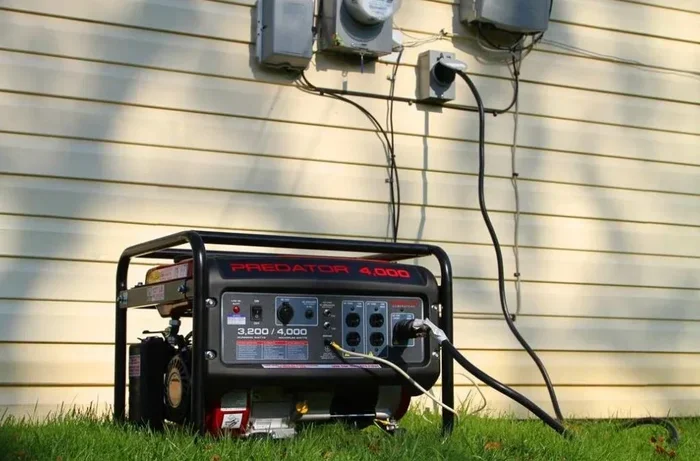
Tip 2: Use a Transfer Switch. A transfer switch lets you safely connect your generator to your home’s electrical panel. This eliminates the need for multiple extension cords and reduces fire risk.
Tip 3: Keep Spare Parts on Hand. Stock extra oil, spark plugs, and fuel filters. During a power outage, running to the store for a simple part is the last thing you want to do.
Tip 4: Test Before You Need It. Run your generator under load at least once a month. This ensures everything works and gives you confidence when an emergency hits.
Tip 5: Consider Noise Placement. Place your generator on a soft surface like a rubber mat to reduce vibration noise. Position it away from bedroom windows for a quieter night.
Final Thoughts: Finding the Perfect 2500 Watt Generator
A 2500 watt generator is one of the most practical and versatile power solutions you can own. It strikes the perfect balance between power output, portability, and affordability. Whether you need backup power for your home, a reliable source for outdoor adventures, or a dependable tool for job sites, this wattage class delivers.
Take the time to assess your power needs, compare features, and choose a reputable brand. Follow safety guidelines and maintain your generator regularly. A well-chosen and well-maintained 2500 watt generator will serve you reliably for many years to come.
Start your search today. With the right generator in your garage, you will never have to worry about power outages spoiling your plans again.
Frequently Asked Questions
What appliances can a 2500 watt generator run?
A 2500 watt generator can comfortably run a refrigerator, several lights, a sump pump, a laptop, a phone charger, and a small fan simultaneously. It handles most essential household appliances during a power outage, though you should always check the starting wattage of motor-driven devices before plugging them in.
How long can a 2500 watt generator run on a full tank?
Runtime varies by model and load, but most 2500 watt generators run between 6 and 10 hours on a full tank of gasoline at 50% load. Inverter models tend to be more fuel-efficient because they adjust engine speed based on the demand. Always check the specific runtime rating on the product label.
Is a 2500 watt generator loud?
Modern inverter 2500 watt generators are surprisingly quiet, typically producing between 50 and 65 decibels. That is similar to a normal conversation. Non-inverter models tend to be louder, so if noise is a concern, always choose an inverter generator with a low decibel rating.
Can I use a 2500 watt generator to power my whole house?
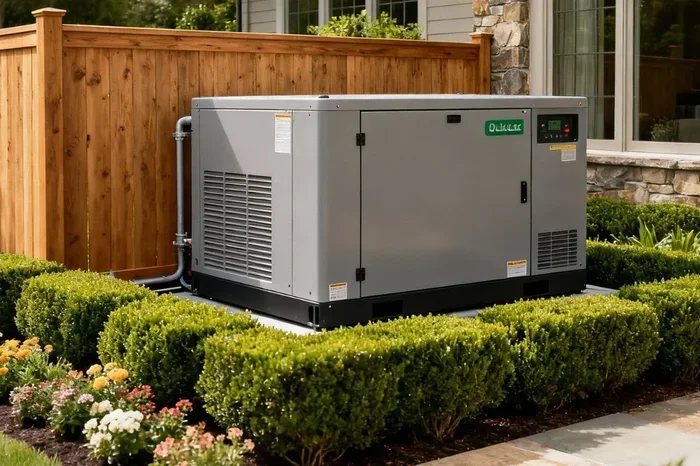
A 2500 watt generator is best suited for powering essential circuits rather than your entire home. It can handle lights, the refrigerator, a furnace blower, and a few other key devices. For whole-house coverage, you would need a larger standby generator, typically 7000 watts or more.
What is the difference between a 2500 watt generator and a 3000 watt generator?
The main difference is power capacity. A 3000 watt generator can handle more appliances simultaneously, including larger motor-driven devices like central air conditioners. A 2500 watt generator is more portable and affordable, making it ideal for essential backup and recreational use. Choose based on your actual power needs and budget.
Do I need a permit to install a 2500 watt generator at home?
Permit requirements vary by location and generator type. Portable generators typically do not require a permit since they are plug-and-play. However, if you install a transfer switch or plan to connect the generator to your home’s electrical panel, check with your local building department for any permits or inspection requirements. Always prioritize safety and code compliance.