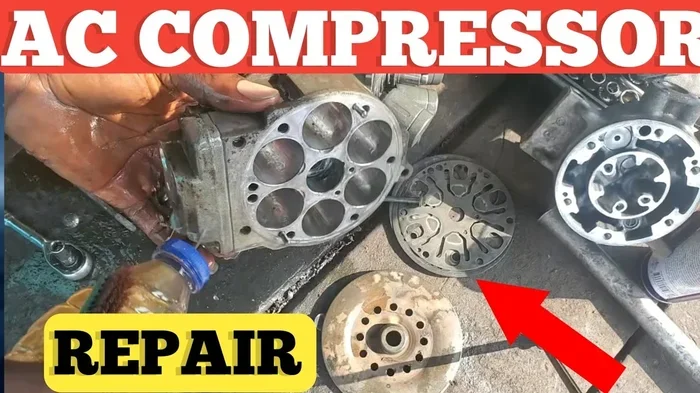
Fix AC Compressor Fast Simple Steps To Cool Your Home
Learning how to fix AC compressor issues can save you hundreds of dollars and restore cool air to your home quickly. This guide covers the most common compressor problems, the tools you need, and a clear step-by-step process you can follow safely. Whether your AC compressor is not turning on, making strange noises, or short cycling, you will find practical solutions here. We also share tips on when to call a professional and how to prevent future breakdowns with simple maintenance habits.
Your air conditioner works hard during the hottest months of the year. But what happens when the AC compressor suddenly stops doing its job? The cool air stops flowing. The house gets stuffy. And you start looking for answers fast.
Fixing an AC compressor might sound like a job for a professional. And sometimes it is. But many common compressor problems have simple solutions you can handle yourself. This guide walks you through everything you need to know. From identifying the problem to fixing it step by step. You will learn what causes compressor issues, which tools to use, and when to call for help.
We have kept the language simple on purpose. You do not need to be an HVAC expert to understand this guide. Whether you are a complete beginner or someone with basic DIY skills, you will find clear instructions here. Let us get your home cool again.
Key Takeaways
- Know the signs: Recognizing early symptoms of AC compressor failure helps you act fast and avoid costly repairs.
- Basic tools matter: Having the right tools like a multimeter, screwdriver set, and refrigerant gauge makes AC compressor repair much easier.
- Follow safety first: Always disconnect power before inspecting or working on your central air compressor unit.
- DIY fixes work: Many common issues like a bad relay, tripped breaker, or dirty coils can be fixed at home without a technician.
- Know your limits: Some compressor problems require a licensed HVAC professional, especially refrigerant leaks or compressor replacement.
- Prevent future issues: Regular AC compressor maintenance keeps your system running efficiently and extends its lifespan.
📑 Table of Contents
Understanding Your AC Compressor
What Does an AC Compressor Do?
The air conditioner compressor is the heart of your cooling system. It sits in the outdoor unit and pumps refrigerant through the system. Without it, your AC cannot cool your home. Think of it like a pump that moves warm air outside and brings cool air inside.
When the compressor works properly, the refrigerant cycles through the evaporator coil, absorbs heat from your home, and releases it outside. This cycle repeats over and over to keep your indoor temperature comfortable. If any part of this process breaks down, your comfort is affected.
How Does the AC Compressor Work?
Here is a simple breakdown of the AC compressor working process:
- The compressor pulls in low-pressure refrigerant gas from the indoor unit.
- It compresses the gas, raising its pressure and temperature.
- The hot, high-pressure gas moves to the outdoor coil.
- Heat is released outside, and the gas becomes a liquid.
- The liquid refrigerant returns indoors to absorb more heat.
Understanding this basic cycle helps you troubleshoot problems more effectively. When something goes wrong in this loop, the AC compressor troubleshooting process becomes much easier.
Common Signs Your AC Compressor Needs Fixing
AC Compressor Not Turning On
This is one of the most common complaints homeowners have. You set the thermostat to cool, but nothing happens at the outdoor unit. Several things could cause this:
- A tripped circuit breaker
- A faulty AC compressor relay
- A dead AC compressor capacitor
- A blown fuse in the disconnect box
Before calling a technician, check your electrical panel first. Reset a tripped breaker and see if the unit starts. If the breaker trips again, do not keep resetting it. That signals a deeper electrical problem.
AC Compressor Making Loud Noises
A healthy compressor makes a low humming sound. But if you hear grinding, squealing, or loud banging, something is wrong. AC compressor noise can indicate several issues:
- AC compressor clutch wear or failure
- Debris stuck in the fan or condenser
- Loose or broken internal components
- Low refrigerant levels causing the compressor to strain
Ignoring unusual sounds almost always makes the problem worse. A small issue today can become a full AC compressor failure tomorrow.
AC Compressor Short Cycling
Short cycling means your compressor turns on and off repeatedly in short bursts. This is not normal. It puts extra stress on the compressor and wastes energy. Common causes include:
- AC compressor overheating due to dirty coils
- Low refrigerant from a slow leak
- A thermostat placed too close to the outdoor unit
- An oversized or undersized AC system
Short cycling reduces the lifespan of your compressor significantly. Fixing it early can save you from an expensive ac compressor replacement cost later.
Warm Air Coming From Vents
If your AC is running but blowing warm air, the compressor might not be engaging. This could be caused by:
- Low AC compressor refrigerant levels
- A failed compressor motor
- Clogged refrigerant lines
- A faulty pressure switch
Checking the refrigerant level is a good first step. Low refrigerant almost always points to a leak somewhere in the system.
Tools You Need to Fix AC Compressor
Essential Tools for AC Compressor Repair
You do not need a professional-grade toolbox to handle most AC compressor repair tasks. Here are the basic tools you should have ready:
- Multimeter — to test electrical connections and voltage
- Screwdriver set — both flathead and Phillips head
- AC refrigerant gauge set — to check pressure levels
- Wire brush — for cleaning coils and fins
- Flashlight — to see inside the unit clearly
- Insulated gloves — for electrical safety
- Safety glasses — to protect your eyes from debris
- Soft brush or vacuum — for cleaning the condenser fins
Having these tools ready before you start will save you time and frustration. You do not want to stop in the middle of a repair because you are missing something.
Safety Equipment You Should Not Skip
Working on an AC compressor involves electricity and potentially pressurized refrigerant. Safety must come first. Always wear insulated gloves and safety glasses. Make sure the power is completely disconnected before you open any panels.
If you are not comfortable working with electrical components, it is perfectly okay to skip the repair and call a professional. There is no shame in knowing your limits. The goal is to fix the problem safely, not to take unnecessary risks.
Step-by-Step Guide to Fix AC Compressor
Step 1: Turn Off the Power
This is the most important step and should never be skipped. Locate the disconnect box near your outdoor unit and switch it off. Then go to your electrical panel and turn off the breaker that controls the AC system. Use a multimeter to confirm there is no power running to the unit before you touch anything inside.
Working on a live compressor can cause serious injury or even death. Treat every electrical component as if it is live until you have confirmed otherwise.
Step 2: Inspect the Outdoor Unit
Once the power is off, open the access panel on the outdoor unit. Look for obvious signs of damage. Check for burnt wires, loose connections, or debris that might be blocking the fan. Use your soft brush or vacuum to clean away dirt, leaves, and other debris from the condenser fins.
Dirty condenser coils are one of the leading causes of AC compressor overheating. When the coils cannot release heat properly, the compressor has to work harder. This leads to overheating and eventually failure.
Step 3: Check the AC Compressor Capacitor and Relay
The AC compressor capacitor provides the extra boost of energy needed to start the compressor. The AC compressor relay controls the electrical flow to the compressor. Both of these components fail frequently and are relatively inexpensive to replace.
Use your multimeter to test the capacitor. Set it to the capacitance mode and check the reading against the rated value on the capacitor. If the reading is significantly lower than the rating, the capacitor is bad and needs replacement. Test the relay by checking for continuity across its terminals.
Replacing a faulty capacitor or relay is one of the easiest and most affordable AC compressor troubleshooting fixes. Many homeowners handle this repair in under 30 minutes.
Step 4: Check Refrigerant Levels
Low refrigerant is a common cause of compressor problems. The AC compressor refrigerant system needs the right amount of charge to operate efficiently. Use your AC refrigerant gauge set to check the pressure readings on both the high and low sides.
If the levels are low, you have a leak somewhere in the system. Adding refrigerant without fixing the leak is only a temporary solution. The refrigerant will leak out again. In most cases, finding and repairing a refrigerant leak requires professional tools and expertise.
Note: Handling refrigerant requires EPA certification in the United States. Do not attempt to add refrigerant yourself unless you are a certified technician.
Step 5: Reset the AC Compressor
Sometimes the compressor simply needs a reset. Many outdoor units have a red reset button on the compressor itself. Press and hold it for three to five seconds, then release. Wait about 30 minutes before turning the system back on.
If your unit does not have a reset button, you can try turning the thermostat off, flipping the breaker off for 60 seconds, and then turning everything back on. This simple AC compressor reset often resolves minor electrical glitches.
Step 6: Check the AC Compressor Fuse and Wiring
A blown fuse or damaged wiring can prevent the compressor from starting. Open the disconnect box and inspect the fuses. Replace any blown fuses with ones of the correct amperage. Do not use a higher-rated fuse as a quick fix. This can create a fire hazard.
Check the AC compressor wiring connections for any signs of burning, corrosion, or looseness. Tighten any loose connections and replace any damaged wires. Clean electrical contacts with a wire brush to ensure a good connection.
When to Call a Professional vs DIY Repair
Repairs You Can Handle Yourself
Some AC compressor repair tasks are well within the reach of a handy homeowner. These include:
- Resetting the compressor
- Replacing a faulty capacitor or relay
- Cleaning dirty condenser coils
- Checking and replacing fuses
- Clearing debris from the outdoor unit
- Checking thermostat settings
These fixes are relatively simple, low-risk, and do not require special certifications. If you are comfortable using basic tools and following safety precautions, these are great starting points for fix ac compressor issues.
Repairs That Require a Professional
Some compressor problems are too complex or dangerous for a DIY approach. You should call a licensed HVAC technician for:
- AC compressor replacement — this is a major repair requiring specialized knowledge
- Refrigerant leak repair and recharging
- Compressor motor failure
- Electrical issues involving the main control board
- Compressor that has seized or locked up
Attempting these repairs without the proper training and certification can be dangerous and may void your warranty. A professional has the tools, experience, and legal authorization to handle these jobs safely.
Understanding AC Compressor Replacement Cost
The ac compressor replacement cost varies widely depending on the type of system and the extent of the damage. On average, homeowners can expect to pay between $1,200 and $2,500 for compressor replacement. This includes the cost of the part and labor.
In some cases, the repair cost may be close to the cost of a new system. If your compressor is more than 10 years old, you may want to consider replacing the entire unit rather than just the compressor. A new, energy-efficient system can save you money on electricity bills over time.
Preventive Maintenance Tips for AC Compressor Longevity
Regular Cleaning Keeps the Compressor Healthy
One of the best ways to prevent AC compressor failure is to keep the outdoor unit clean. Clear away leaves, grass clippings, and dirt from around the unit at least once a month during the cooling season. Use a garden hose to gently rinse the condenser fins. Never use a pressure washer, as it can bend the delicate fins and reduce airflow.
Change Your Air Filters Regularly
Dirty air filters restrict airflow and make the entire system work harder. This includes the central air compressor. Check your filters every month during heavy use and replace them when they look dirty. Most filters should be replaced every 30 to 90 days.
Schedule Professional Maintenance Annually
Even if you handle basic maintenance yourself, an annual professional tune-up is essential. A technician can spot early warning signs of AC compressor overheating or AC compressor clutch wear before they become major problems. They can also check refrigerant levels, test electrical connections, and clean components that are hard to reach.
Give Your Compressor a Break
During extremely hot days, give your AC system a break by using ceiling fans or portable fans to supplement cooling. This reduces the workload on the compressor and helps prevent overheating. Setting your thermostat a few degrees higher can also make a big difference in compressor longevity.
Watch for Warning Signs
The sooner you catch a problem, the easier and cheaper it is to fix. Watch for these early warning signs of AC compressor failure:
- Unusual sounds coming from the outdoor unit
- Reduced cooling performance
- Ice buildup on the refrigerant lines
- Higher energy bills without increased usage
- The unit cycles on and off more frequently than usual
Addressing these signs early can often prevent a full compressor breakdown. A quick AC compressor troubleshooting session when you first notice symptoms can save you a lot of money and discomfort.
Key Takeaways
- Know the signs: Recognizing early symptoms of AC compressor failure helps you act fast and avoid costly repairs.
- Basic tools matter: Having the right tools like a multimeter, screwdriver set, and refrigerant gauge makes AC compressor repair much easier.
- Follow safety first: Always disconnect power before inspecting or working on your central air compressor unit.
- DIY fixes work: Many common issues like a bad relay, tripped breaker, or dirty coils can be fixed at home without a technician.
- Know your limits: Some compressor problems require a licensed HVAC professional, especially refrigerant leaks or compressor replacement.
- Prevent future issues: Regular AC compressor maintenance keeps your system running efficiently and extends its lifespan.
Conclusion
Fixing an AC compressor does not have to be overwhelming. With the right knowledge and tools, many common problems can be solved quickly and affordably. Start by identifying the symptoms, check the simple things like breakers and fuses, and work your way through the troubleshooting steps outlined in this guide.
Remember that safety always comes first. If a repair feels beyond your skill level, do not hesitate to call a professional. The goal is a properly functioning air conditioner compressor that keeps your home comfortable through the hottest days of the year.
Regular maintenance is your best defense against future compressor problems. Clean the outdoor unit, change your filters, and schedule annual professional inspections. These simple habits go a long way toward preventing AC compressor failure and keeping your cooling system running smoothly for years to come.
Now that you know how to fix AC compressor issues, you are better equipped to handle problems when they arise. Your home, your comfort, and your wallet will all thank you for taking action.
Frequently Asked Questions
What are the most common reasons an AC compressor fails?
The most common causes of AC compressor failure include dirty condenser coils, low refrigerant levels, electrical problems, overheating, and normal wear over time. Regular maintenance can prevent many of these issues. Catching problems early through AC compressor troubleshooting also helps avoid complete failure.
How much does it cost to fix an AC compressor?
The cost depends on the problem. Simple fixes like replacing a capacitor or relay cost between $100 and $300. More complex repairs like refrigerant leak repair can run $200 to $500. Full AC compressor replacement cost typically ranges from $1,200 to $2,500. Always get a quote from a licensed technician for major repairs.
Can I fix my AC compressor myself?
Yes, many common AC compressor repair tasks are DIY-friendly. These include resetting the compressor, replacing a capacitor or relay, cleaning coils, and checking fuses. However, refrigerant handling and compressor replacement require professional certification. Always prioritize safety and know your limits.
How do I know if my AC compressor is bad?
Signs of a bad air conditioner compressor include warm air from vents, unusual noises like grinding or banging, short cycling, the unit not turning on, and ice buildup on refrigerant lines. If you notice any of these symptoms, start AC compressor troubleshooting right away to prevent further damage.
What should I do if my AC compressor is overheating?
First, turn off the system and let it cool down for at least 30 minutes. Check for dirty condenser coils, blocked airflow, or low refrigerant. Clean the coils and clear any debris around the unit. If overheating persists, the AC compressor clutch or internal components may be damaged and need professional inspection.
How often should I maintain my AC compressor?
You should clean the outdoor unit monthly during the cooling season and replace air filters every 30 to 90 days. Schedule a professional maintenance check at least once a year, ideally in early spring before the heavy cooling season begins. Consistent AC compressor maintenance prevents most common problems.