Best Generator for House Every Homeowner Should Know
Choosing the right generator for house use is one of the smartest decisions a homeowner can make. A whole house generator keeps your lights on, fridge running, and family safe during power outages. This guide covers every type, size, and cost so you can pick the best fit for your home with confidence.
A power outage can strike without warning. Storms, grid failures, and equipment breakdowns leave thousands of homes in the dark every year. When the lights go out, a generator for house use becomes more than a convenience — it becomes a necessity.
Whether you live in a small apartment or a large suburban home, having backup power keeps your family safe and comfortable. Food stays cold. Medical devices keep running. Wi-Fi stays alive. But with so many options on the market, choosing the right one feels overwhelming. This guide breaks it all down in simple terms.
We will walk you through every type of generator, explain how to size one for your home, compare costs, and share practical tips that real homeowners use. By the end, you will know exactly what to look for and how to make a confident decision.
Key Takeaways
- Whole house generators provide automatic backup power for your entire home during outages.
- Portable generators are affordable and movable but require manual setup and extension cords.
- Standby generators turn on automatically within seconds of a power loss.
- Fuel type matters — propane, natural gas, and gasoline each have pros and cons.
- Generator size depends on your home’s square footage and essential appliances.
- Regular maintenance extends generator lifespan and ensures reliable performance.
- Professional installation is recommended for standby and whole house systems.
📑 Table of Contents
- Why Every Home Needs a Backup Generator
- Types of Generators for House Use
- How to Choose the Right Generator Size
- Cost of a Generator for House Installation
- Installation and Safety Tips
- Common Mistakes Homeowners Make
- How to Run Your Generator Safely During an Outage
- How Long Can You Expect Your Generator to Last?
- Final Thoughts
Why Every Home Needs a Backup Generator
Power outages are more common than most people think. Severe weather, aging infrastructure, and even wildlife can knock out electricity for hours or days. A house generator acts as your insurance policy against these disruptions.
Protect Your Family and Home
When the power goes out, your home becomes vulnerable. Sump pumps stop working, which can lead to basement flooding. Security systems go offline. Pipes can freeze in cold weather. A backup generator for house keeps all of these systems running smoothly.
Families with young children or elderly members benefit the most. Medical equipment like oxygen concentrators and CPAP machines need constant power. A reliable home generator ensures these life-support devices never stop working.
Save Money on Food and Repairs
A prolonged outage can spoil hundreds of dollars worth of food. Your refrigerator and freezer stay cold only as long as the door stays closed — usually about four hours. A generator for house use during an outage keeps your food safe and saves you money.
Beyond food, outages can cause other costly problems. Frozen pipes burst and cause water damage. Sump pump failures lead to flooding. A home backup power system prevents these expensive repairs before they happen.
Types of Generators for House Use
Not all generators are the same. Each type serves a different purpose and fits different budgets and needs. Let us explore the main options available to homeowners today.
Standby Generators
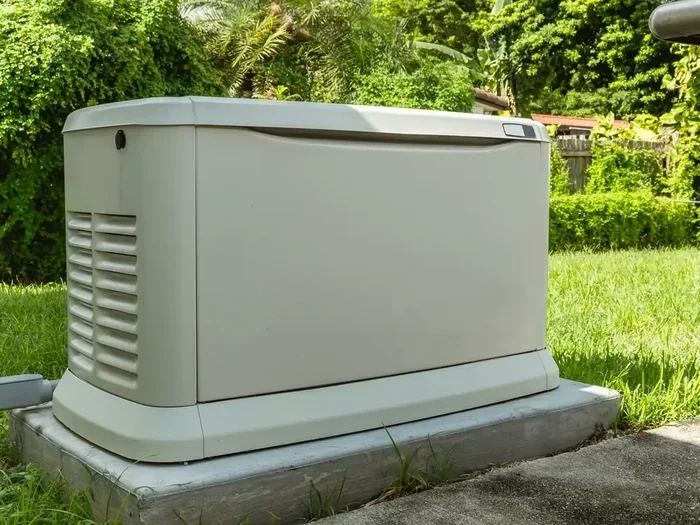
A standby generator is the gold standard for whole house backup. These permanent units install outside your home, similar to a central air conditioning unit. They connect directly to your home’s electrical system and fuel supply.
The biggest advantage is automatic operation. When the power goes out, a standby generator for house turns on within seconds — usually between 10 and 30 seconds. You do not need to be home or manually start anything. Once power returns, it shuts off automatically.
Standby units run on natural gas or propane. They come in various sizes, from 7 kilowatts up to 200 kilowatts or more. A typical home needs a 20 to 30 kilowatt unit to cover essential circuits and appliances.
Portable Generators
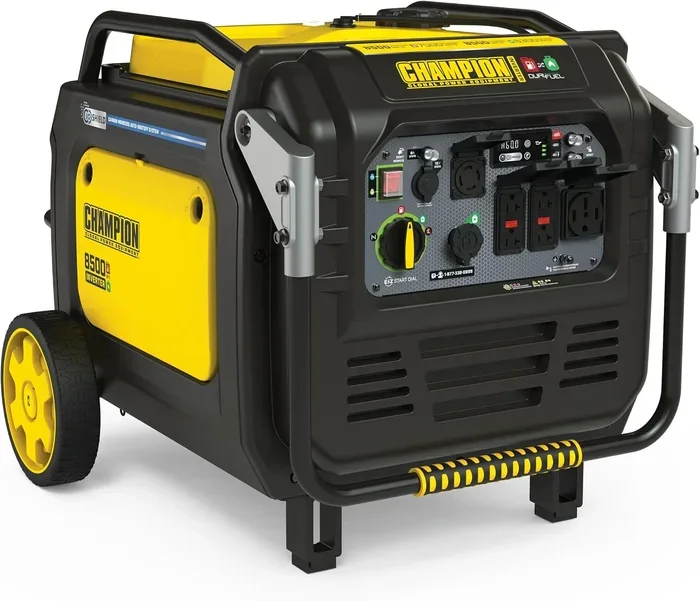
A portable generator is a more affordable option for homeowners on a budget. These units sit on wheels and can be moved wherever you need them. They run on gasoline and plug directly into your home’s outlets or power tools at a job site.
However, portable generators require manual setup. You need to start them yourself, connect extension cords, and monitor fuel levels. They also produce less power than standby units, so you may need to prioritize which appliances to run.
For occasional use during short outages, a portable generator for house works well. They are also great for camping trips and outdoor events.
Inverter Generators
An inverter generator is a specialized type of portable unit. It produces clean, stable power that is safe for sensitive electronics like laptops, phones, and televisions. Traditional generators produce “dirty” power with voltage fluctuations that can damage electronics.
Inverter models are quieter and more fuel-efficient than conventional generators. They adjust engine speed based on the load, which means less fuel consumption and fewer emissions. If you need to power electronics during an outage, an inverter generator for house use is a smart choice.
Solar Generators
Solar generators use panels to capture sunlight and store energy in a battery bank. They produce zero emissions and run silently. These units work well for light loads like charging phones, running fans, and powering LED lights.
Solar generators alone may not power an entire home, but they serve as an excellent supplementary home backup power source. They are also eco-friendly and have very low operating costs since sunlight is free.
How to Choose the Right Generator Size
Sizing is one of the most important decisions you will make. A generator for house that is too small will overload and shut down. One that is too large wastes money on fuel and installation.
Calculate Your Power Needs
Start by listing the essential appliances and circuits you want to run during an outage. Here are common household items and their typical wattage requirements:
- Refrigerator: 600 to 800 watts running, 1,200 to 1,500 watts starting
- Freezer: 600 watts running, 1,200 watts starting
- Sump Pump: 1,300 watts running, 2,300 watts starting
- Furnace Blower: 600 watts running
- Lights (10 bulbs): 300 to 600 watts total
- Window AC Unit: 1,000 to 1,500 watts running
- Well Pump: 1,000 to 2,000 watts running
- Microwave: 1,000 to 1,200 watts
- Wi-Fi Router and Modem: 20 to 50 watts
Add up the running watts of all essential items, then add the highest starting watt requirement. This gives you your minimum generator wattage need. Most homeowners need between 7,000 and 20,000 watts for essential circuits.
Match Size to Your Home
The right generator size for house depends on your square footage and lifestyle. A small apartment might only need a 3,000 to 5,000 watt portable unit. A 2,000 square foot home typically needs a 10,000 to 15,000 watt standby generator.
If you want to power your entire home including central air, electric water heater, and oven, you may need a 20,000 watt or larger unit. Check out our guide on what size generator will run a whole house for more detailed sizing help.
Consider Your Fuel Source
Fuel availability matters just as much as wattage. Natural gas is convenient because it connects directly to your home’s gas line. You never need to refuel. Propane is another popular option and stores well for long periods.
Gasoline is the most common fuel for portable generators but has a shorter shelf life. Diesel units are durable and efficient but cost more upfront. If you are unsure which fuel works best, check out our article on how much propane a 20kw generator uses per hour to understand fuel costs better.
Cost of a Generator for House Installation
Understanding the full cost helps you budget properly and avoid surprises. Generator prices vary widely based on type, size, and features.
Portable Generator Costs
Portable generators range from $300 for basic models to $2,000 for high-end units. These prices include the unit only. You may need to purchase a transfer switch separately for safe home connection, which adds $200 to $500.
Fuel costs for portable generators depend on usage. A typical 5,000 watt portable unit consumes about 0.5 to 0.75 gallons of gasoline per hour at full load. Over a 24-hour outage, that is roughly 12 to 18 gallons of fuel.
Standby Generator Costs
Standby generators cost significantly more but offer full home coverage and automatic operation. A 20 kilowatt standby unit typically costs between $4,000 and $8,000 for the equipment alone.
Professional installation adds another $2,000 to $5,000 depending on your location, electrical panel type, and gas line connections. This includes the automatic transfer switch, which detects power loss and switches your home to generator power seamlessly.
For a detailed breakdown of generator costs, visit our page on the average cost of a Generac generator.
Long-Term Savings
While the upfront cost of a standby generator feels steep, the long-term savings are significant. A generator for house use prevents food spoilage, frozen pipe damage, and sump pump flooding. These avoided repairs often pay for the generator within a few years.
Additionally, many insurance companies offer discounts for homes with backup generators. Check with your provider to see if you qualify for a premium reduction.
Installation and Safety Tips
Proper installation is critical for safety and performance. A poorly installed generator can backfeed electricity into utility lines, which endangers lineworkers and neighbors. Always hire a licensed professional for standby generator installation.
Placement Matters
Standby generators must be placed outdoors, at least 5 feet from windows, doors, and vents. This prevents carbon monoxide from entering your home. The unit should sit on a level concrete pad or mounting frame.
Portable generators should never be used indoors or in garages, even with the door open. Carbon monoxide from gasoline generators is odorless and deadly. Always place portable units at least 20 feet from your home with the exhaust pointing away from windows and doors.
Use a Transfer Switch
A transfer switch is a safety device that connects your generator to your home’s electrical panel. It prevents backfeeding and ensures that generator power flows only to the circuits you select.
Manual transfer switches require you to physically switch the connection. Automatic transfer switches do this for you when the power goes out. For a standby generator for house system, an automatic transfer switch is essential.
Maintenance Schedule
Regular maintenance keeps your generator running reliably when you need it most. Here is a simple maintenance timeline:
- Monthly: Run the generator for 15 to 20 minutes under load to keep the engine exercised.
- Every 6 months: Check oil levels, inspect spark plugs, and clean the air filter.
- Annually: Change the oil, replace the air filter and spark plugs, and inspect the fuel lines.
- Every 2 to 3 years: Replace the battery and have a professional inspect the entire system.
Proper maintenance can extend the life of your whole house generator to 20 to 30 years or more. Neglected units often fail within 5 to 10 years.
Common Mistakes Homeowners Make
Avoid these common pitfalls when buying and using a generator for house backup:
- Undersizing the generator: Many homeowners buy the cheapest option and then discover it cannot power their essential appliances. Always calculate your total wattage needs before purchasing.
- Skipping the transfer switch: Plugging a generator directly into a wall outlet is dangerous and illegal in most areas. A transfer switch is a must-have safety device.
- Ignoring fuel storage: Gasoline degrades within 3 to 6 months. If you rely on a gasoline generator, store fuel properly and rotate your supply regularly.
- Neglecting maintenance: A generator that sits unused for months will likely fail when you need it most. Follow the maintenance schedule religiously.
- Not considering noise: Generators can be loud and disturb neighbors. Check local noise ordinances and consider an inverter model for quieter operation.
How to Run Your Generator Safely During an Outage
Once you have your generator for house setup, safe operation is your top priority. Follow these steps every time you start your unit.
First, read the owner’s manual thoroughly. Every model has specific operating instructions. Next, check the fuel level and oil before starting. Place the portable generator outdoors on a dry surface, away from any structures.
Connect appliances using heavy-duty extension cords rated for outdoor use. Never daisy-chain cords together. For standby generators, the automatic transfer switch handles everything — just let the unit start and power up on its own.
Monitor the load during operation. Do not exceed the generator’s rated wattage. If the unit trips or shuts down, reduce the load and restart. For more information on safely connecting your generator, read our guide on how to run a generator to a house.
How Long Can You Expect Your Generator to Last?
The lifespan of a generator for house use depends on the type, fuel source, and maintenance habits. Most standby generators are rated for 10,000 to 30,000 hours of operation, which translates to 20 to 30 years of typical use.
Portable generators generally last 1,000 to 2,000 hours, or about 10 to 15 years with proper care. Inverter generators tend to last longer because their engines run at lower speeds under partial load, reducing wear and tear.
For more details on generator longevity, check out our article on how long a whole house generator lasts.
Final Thoughts
A generator for house is one of the most valuable investments a homeowner can make. Power outages will happen — it is not a question of if, but when. Having the right backup power system means your family stays safe, comfortable, and connected no matter what.
Take the time to assess your power needs, compare fuel options, and set a realistic budget. Choose between a portable unit for occasional use or a standby system for full-home protection. And never underestimate the importance of proper installation and regular maintenance.
The best generator is the one that fits your home, your budget, and your lifestyle. Use the information in this guide to make a confident, informed choice. Your future self will thank you the next time the lights go out.
Frequently Asked Questions
What size generator do I need for a 2000 square foot house?
A 2000 square foot home typically needs a 7,000 to 15,000 watt generator for essential circuits. If you want to power everything including central air, aim for 20,000 watts or more. Check out our guide on how much a generator costs for a 2000 sq ft house for more specifics.
Can I install a standby generator myself?
While some experienced DIYers attempt self-installation, professional installation is strongly recommended. Improper wiring can backfeed electricity into utility lines, which is dangerous and illegal. A licensed electrician ensures safe, code-compliant setup.
What fuel type is best for a whole house generator?
Natural gas is the most convenient because it connects to your existing gas line and never runs out. Propane is a great alternative and stores well for long periods. Each fuel type has different costs and availability in your area.
How often should I run my generator?
You should run your generator under load for 15 to 20 minutes at least once a month. This keeps the engine lubricated, burns off carbon buildup, and ensures the system starts reliably when you need it most.
Is a portable generator safe to use indoors?
No. Portable generators produce carbon monoxide, which is odorless and deadly. Always use them outdoors at least 20 feet from your home with the exhaust pointing away from windows and doors. Never place them in garages, basements, or sheds.
Does a generator increase home value?
Yes. A permanently installed standby generator can increase your home’s resale value. Buyers see backup power as a valuable feature, especially in areas prone to severe weather and frequent outages.