What Tools Are Needed for Pin Fasteners Right Here
Knowing what tools are needed for pin fasteners makes every project smoother, faster, and safer. This guide covers the essential hand tools, power tools, and specialty gear you need for rivet installation, pin removal, and precision fastening.
Key Takeaways
- Start with basics: A hammer, punch set, and rivet gun form the core of any pin fastener tools kit.
- Match tools to fastener type: Blind pins, cotter pins, and spring pins each need specific tools for proper rivet installation.
- Safety matters: Always wear eye protection and use the right manual pin press to avoid injury.
- Power tools save time: A pin rivet gun speeds up large jobs like automotive or construction work.
- Maintenance extends life: Clean and lubricate your fastener tools regularly for consistent performance.
- Avoid common mistakes: Using the wrong die size or over-driving pins causes failures and rework.
- Plan your workflow: Organizing your process workflow tools keeps projects on track and reduces wasted effort.
📑 Table of Contents
- What Tools Are Needed for Pin Fasteners
- Understanding Pin Fasteners Before You Pick Tools
- What Tools Are Needed for Pin Fasteners — The Essential Kit
- Specialized Tools for Different Pin Fastener Types
- How to Choose the Right Tools for Your Project
- Common Mistakes When Using Pin Fastener Tools
- Pro Tips for Working with Pin Fasteners
- Maintaining Your Pin Fastener Tools
- Conclusion
What Tools Are Needed for Pin Fasteners
If you have ever worked with pins and rivets, you know the job either flies by or turns into a nightmare. The difference usually comes down to one thing. You guessed it. What tools are needed for pin fasteners makes or breaks the job. Pick the right ones, and your rivet installation stays clean, strong, and true. Pick the wrong ones, and you risk damaged materials, wasted fasteners, or even injury.
This guide walks you through every tool you need for pin fastener tools work. We cover the basics, the specialty gear, and the power tools that save hours on big jobs. Whether you tackle DIY projects, automotive repairs, or construction tasks, you will leave with a clear plan. Let us get into it.
Why the Right Tools Matter
Pins and rivets hold structures together. They secure roofing, furniture, automotive panels, and sheet metal pins applications. When you use a dull punch or an ill-fitting die, the fastener ends up crooked or weak. The joint fails under stress. Precision fastening requires the correct tool for every step. Investing time in choosing your tools upfront saves you from redoing the work later.
Understanding Pin Fasteners Before You Pick Tools
Before grabbing a hammer, it helps to know what you are fastening. Different fastener types demand different tools. Treating every pin the same way leads to frustration. Let us break down the common varieties you will meet on the job.
Blind Pins and Rivets
Blind pins work when you can only reach one side of the joint. You install them from one face and the tail bulges on the back to clamp everything tight. Hollow rivet tools handle these well because the tail expands inside the body. Automotive shops and HVAC installers rely on them daily.
Cotter Pins and Spring Pins
Cotter pins look like bent wire with two legs. You spread them open after sliding them through a bolt to lock it in place. Spring pins fit into drilled holes and expand for a snug hold. Neither needs a heavy press, but they need the right hand tools for proper seating.
Drive Pins and Roofing Pins
Drive pins get hammered into pre-drilled holes. They grip by friction and often serve as anchors. Roofing pins secure metal roofing panels to rafters or purlins. Both need a solid hammer and sometimes a punch to start them cleanly without bending the shank.
Upholstery and Decorative Fasteners
Upholstery pins hold fabric to furniture frames. They are thin, often decorative, and need a gentle touch. Decorative fasteners include tacks and ornamental pins used in furniture and trim work. You want specialized tackers or small hammers here to avoid marring the surface.
What Tools Are Needed for Pin Fasteners — The Essential Kit
Every workshop needs a baseline set of pin fastener tools. These handle the majority of jobs you will face. Keep them organized and within arm’s reach. Here is the must-have kit.
Hammer and Punch Set
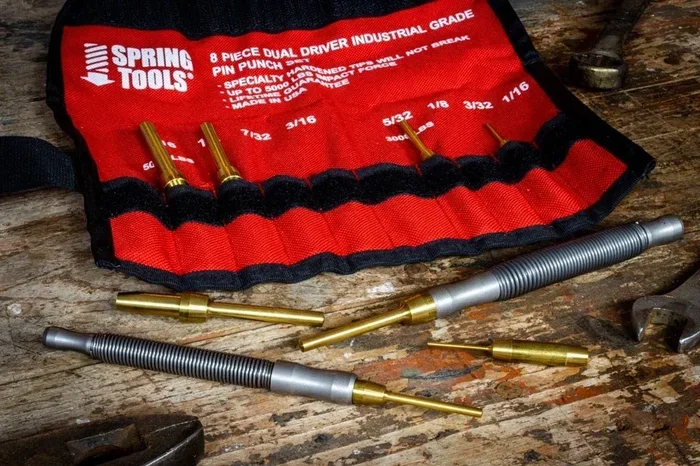
A quality claw hammer and a hammer and punch set form the foundation. The punch drives pins straight and starts them in tight spots. Choose a set with multiple tip sizes. A ball-peen hammer works great for metal pins, while a rubber mallet helps when you need a softer touch on wood or decorative work.
Rivet Gun for Blind Fasteners
A pin rivet gun handles blind rivets quickly and evenly. Manual versions work for light jobs. Pneumatic or battery-powered models handle production work with ease. Make sure you buy the right jaw size for your rivet diameter. A mismatched jaw crushes the fastener unevenly.
Manual Pin Press
A manual pin press gives you controlled force for delicate work. Benchtop presses hold the tool steady so you get consistent depth every time. They work well for construction fasteners and repeated identical joints. If you do repetitive seating, this tool pays for itself fast.
Drill and Drill Bits
You often need pre-drilled holes before setting pins. A standard drill with sharp bits in common sizes handles this. Keep your bits clean and sharp. Dull bits wander and create oversized holes that weaken the joint.
Safety Gear
Never skip eye protection. Flying metal and broken pins pose real risks. Wear safety glasses and snug-fitting gloves. Keep your workspace clear of clutter to avoid trips while swinging a hammer.
Organizing Your Tools Effectively
A tidy bench speeds up every job. Many professionals use process workflow tools to map out their steps before starting. A simple checklist keeps your fastener tools sorted and ready. Group items by task: hammering, drilling, pressing, and removal. That way you never hunt for a missing punch.
Specialized Tools for Different Pin Fastener Types
Once your basic kit is ready, consider the specialty gear that matches your regular projects. Matching tools to fastener types gives cleaner results and saves time.
Rivet Installation Tools
Rivet installation needs the right puller and tail breaker. Snap-off rivet tools cut the tail flush after installation. Pop-rivet guns come in heavy-duty versions for automotive pins and larger fasteners. For thin sheet metal, choose low-profile rivets paired with a slim jaw gun to avoid damaging the surface.
Automotive and Heavy-Duty Equipment
Automotive work often uses automotive pins and specialty clips. A pin removal tool pulls cotter pins and lock clips without bending them. Impact drivers help loosen corroded fasteners. Keep a set of snap ring pliers nearby too, since they often share the job.
Sheet Metal and Roofing
Sheet metal pins and roofing pins need long-shank fasteners and strong drivers. A roofing hammer with a squared face drives pins without slipping. Snips and nibblers prepare the metal before fastening. Many roofers also carry a portable manual pin press for tight spots where a full press setup will not fit.
Furniture and Upholstery
For Upholstery pins and decorative work, use a tack hammer with a small, dense head. Magnetic tack holders speed up upholstery work by holding the pin in place while you strike. A sturdy pair of needle-nose pliers helps seat pins in awkward corners.
How to Choose the Right Tools for Your Project
Choosing tools feels overwhelming with so many options. Follow a few simple rules and you will pick correctly every time.
Match the Tool to the Fastener Size
Every pin has a diameter and length. Your tool must match those dimensions. Oversized dies crush small rivets. Undersized jaws never grip properly. Check the manufacturer specs before buying. Most pin rivet gun models list compatible fastener ranges right on the box.
Consider the Material
Soft woods and thin metals need lighter tools. Hardwood and thick steel demand heavy-duty presses. Using a powerful impact driver on thin sheet metal leaves dents and cracks. Choose the gentlest tool that still delivers the holding power you need for precision fastening.
Think About Access
Tight corners rule out large presses. Blind spots rule out long-shank pins. Always assess the workspace first. If you can only reach from one side, plan for blind pins and a rivet gun rather than a solid rivet and a two-sided bucking bar.
Balance Cost and Durability
Cheap tools work for occasional jobs but fail under heavy use. Invest in reputable brands for your core pin fastener tools. A well-made rivet gun lasts decades. For one-off DIY projects, renting professional gear often makes more sense than buying.
Plan Your Work Order
Professionals managing multiple repair tasks often rely on work order management tools to schedule tool loads and material needs. Even at home, a quick plan prevents mid-project trips to the hardware store. List the fasteners first, then match the tools, then gather everything before you start.
Common Mistakes When Using Pin Fastener Tools
Even experienced builders slip up. Avoid these common errors to keep your rivet installation clean and strong.
- Using the wrong die size: This is the number-one mistake. It strips the fastener head and ruins the joint.
- Over-driving pins: Too much force buckles the material. You want a snug fit, not a crushed panel.
- Skipping pre-drilling: Forcing a pin into undrilled material splits wood or cracks metal. Always drill first.
- Ignoring tool maintenance: Dull punches and corroded jaws slip and mar surfaces. Clean and oil your fastener tools after every job.
- Skipping safety gear: A broken pin shrapnel can seriously injure eyes. Wear goggles without exception.
- Mismatching fastener and material: Not every pin suits every job. Outdoor work needs stainless or coated construction fasteners, not plain mild steel.
Pro Tips for Working with Pin Fasteners
These practical insights help you level up quickly. Bookmark this section for your next project.
Quick Tips
- Keep spare pins and rivets in labeled containers sorted by size. Saves huge time during busy jobs.
- Practice your rivet installation on scrap material first. Get a feel for the tool before touching the real piece.
- Use a backing plate behind thin materials to support the pin as it expands. This prevents blowout.
- Mark your drilling spots with a center punch before starting. It keeps the drill bit from wandering.
- Store your manual pin press in a dry spot. Rust jams the mechanism and ruins precision.
Expert Insights
Professional fasteners recommend one rule above all else. Always match your tool to the specific fastener type. A great tool in the wrong application underperforms a mediocre tool in the right one. Take the extra minute to read the packaging specs. That small habit separates weekend tinkerers from reliable tradespeople. Also, keep learning. Fastener technology evolves, and staying current gives you an edge on every DIY projects or professional task you take on.
Fastener Removal Tips
Sometimes you need to undo a pin rather than install one. Fastener removal requires care to avoid damaging the surrounding material. Use a pin removal tool or a pair of needle-nose pliers for cotter pins. For stuck drive pins, carefully drill them out. Never pry aggressively, because that ruins the surface and weakens the joint. Plan your removal so the replacement goes in cleanly the second time.
Maintaining Your Pin Fastener Tools
Good tools last longer when you treat them right. Wipe metal surfaces clean after every use. Oil hinges and moving parts on your pin rivet gun monthly. Replace worn jaws before they slip during rivet installation. Store punches in a roll or case so tips stay sharp. A few minutes of care keeps your pin fastener tools performing like new for years.
Conclusion
Now you know exactly what tools are needed for pin fasteners and how to use them well. From the basic hammer and punch set to the specialized pin rivet gun and manual pin press, every tool plays a role. Match each tool to the right fastener type, avoid the common mistakes, and maintain your gear properly. Your projects will look cleaner, hold stronger, and take less time. Start building your kit today, and approach every DIY projects or professional job with confidence. The right tools in hand make all the difference.
Frequently Asked Questions
What tools are needed for pin fasteners for a beginner?
Beginners should start with a hammer, a basic punch set, a manual rivet gun, safety glasses, and a drill. These pin fastener tools cover most household and light DIY projects. Add a manual pin press as your skills and projects grow.
Can I use a regular hammer for all pin fasteners?
Not always. A standard claw hammer works for drive pins and cotter pins, but Upholstery pins and delicate decorative fasteners need a tack hammer or rubber mallet. Match the hammer weight to the material to avoid damage and get clean precision fastening.
Do I need a power tool for rivet installation?
No, a manual rivet gun handles many jobs well. Power tools become worthwhile for large volumes or heavy-duty construction fasteners and automotive pins. They save time and reduce hand fatigue on repetitive tasks.
How do I choose the right rivet gun size?
Check the rivet diameter and material thickness. Most pin rivet gun models list compatible sizes on the box. Choose a jaw that matches the fastener head exactly for strong, consistent rivet installation every time.
What is the easiest way to remove old pins?
Use a dedicated pin removal tool or needle-nose pliers for cotter pins. Stuck drive pins often need careful drilling. Avoid prying, which damages surrounding material. Safe fastener removal keeps the joint ready for a fresh install.
How should I store my pin fastener tools?
Keep tools clean and dry after each use. Oil moving parts monthly and store punches in a case to protect sharp tips. Proper care extends tool life and ensures reliable precision fastening whenever you pick them up again.