Where Are Hilti Tools Made and Why It Really Counts
Hilti tools are primarily manufactured in Liechtenstein, with additional production facilities across Europe and Asia. The company’s commitment to precision engineering and strict quality control means every tool is built to professional standards. Understanding where your Hilti tools come from helps you appreciate the craftsmanship and reliability behind each product.
When you reach for a Hilti tool on a job site, have you ever wondered where it actually came from? The answer might surprise you. Hilti tools are made across multiple countries, but the story starts in a tiny Alpine nation that punches way above its weight in tool manufacturing.
Knowing where your tools come from is not just trivia. It shapes how you think about quality, durability, and the value you get for your money. In this article, we will walk you through the full story of Hilti manufacturing, from the original factory floors to the global supply chain. Whether you are a contractor, a DIY enthusiast, or just curious about tool manufacturing locations, this guide has everything you need.
The journey of a Hilti tool begins long before it reaches your toolbox. It starts with decades of engineering tradition, strict quality standards, and a company that has spent over 80 years perfecting its craft. Let us dig into where Hilti tools are made and why it really counts.
Key Takeaways
- Hilti’s Origin: The company was founded in Liechtenstein in 1941 and still manufactures many tools there today.
- Global Production: Hilti operates manufacturing facilities in Liechtenstein, Austria, Germany, China, and other locations worldwide.
- Quality Standards: Tools made in Hilti facilities undergo rigorous testing and quality control at every stage.
- Why It Matters: Knowing where tools are made gives you insight into build quality, materials, and manufacturing philosophy.
- Innovation Hub: Liechtenstein remains the center of Hilti’s research, development, and engineering innovation.
- Professional Trust: The manufacturing origin contributes to Hilti’s reputation among construction professionals worldwide.
- Supply Chain Transparency: Hilti maintains clear visibility into its supply chain, ensuring ethical and sustainable practices.
📑 Table of Contents
- The Hilti Story: From a Small Garage to Global Manufacturing
- Where Exactly Are Hilti Tools Manufactured?
- Why the Manufacturing Location Matters for Tool Quality
- How Hilti Maintains Quality Across All Manufacturing Sites
- The Role of Innovation in Hilti Manufacturing
- Why Understanding Where Hilti Tools Are Made Helps You as a User
- How Hilti Compares to Other Tool Brands in Manufacturing Transparency
- Quick Tips for Choosing the Right Hilti Tool
- Common Mistakes People Make When Buying Hilti Tools
- Expert Insights: What Professionals Say About Hilti Manufacturing
- Final Thoughts: The Value of Knowing Where Your Tools Come From
The Hilti Story: From a Small Garage to Global Manufacturing
Hilti was founded in 1941 by Martin Hilti and his brother Eugen in Liechtenstein, a small country nestled between Switzerland and Austria. Back then, the company focused on making anchor bolts and other fastening systems for the construction industry. Over the decades, Hilti grew into one of the most recognized names in power tool manufacturing and construction tools manufacturing.
What makes Hilti different from many other tool brands is that it still keeps a strong connection to its roots. The company remains family-owned and headquartered in Schaan, Liechtenstein. Even as it expanded globally, Hilti never moved its core operations away from Europe. This is a big deal when you consider how many manufacturers have shifted production to lower-cost regions.
Why Liechtenstein Matters for Hilti
Liechtenstein is tiny, but it is a powerhouse of precision engineering. The country has a long tradition of watchmaking and fine manufacturing, which gave Hilti a strong foundation. When you buy a Hilti power tool, you are often getting a product that was designed and, in many cases, assembled in Liechtenstein.
The Hilti factory in Liechtenstein handles some of the most complex and high-end products. This includes rotary hammers, diamond drilling equipment, and advanced installation systems. The proximity to skilled engineers and precision manufacturing partners gives Hilti a real advantage in quality control.
But Liechtenstein is not the only place where Hilti makes tools. The company has built a network of production facilities around the world to meet global demand. Let us look at where else your Hilti tools might be coming from.
Where Exactly Are Hilti Tools Manufactured?
Hilti manufacturing is not limited to one location. The company operates production facilities in several countries, each serving a specific purpose in the supply chain. Here is a closer look at the key manufacturing hubs.
Liechtenstein: The Heart of Hilti Production
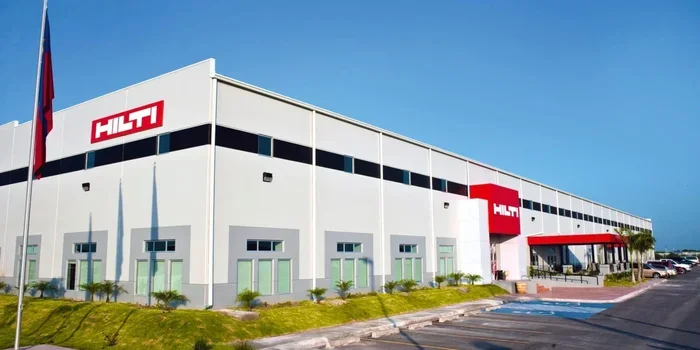
As we mentioned, Liechtenstein remains the central hub for Hilti’s most advanced and precision-critical products. The Schaan campus is where much of the tool design and engineering development happens. Many of the flagship products roll off the assembly lines here.
The Liechtenstein facility focuses on high-value tools that demand tight tolerances and exceptional build quality. If you have ever used a Hilti rotary hammer or a diamond core drill, there is a good chance it spent time in this facility. The level of craftsmanship here is what sets Hilti apart from many competitors.
Austria and Germany: Key European Manufacturing Sites
Hilti also operates significant manufacturing operations in Austria and Germany. These facilities produce a wide range of products, from hand tools to power tools. The European manufacturing footprint gives Hilti several advantages.
- Shorter supply chains: Producing in Europe reduces shipping distances and environmental impact.
- Skilled workforce: Germany and Austria have deep traditions in mechanical engineering and manufacturing excellence.
- Quality consistency: Keeping production close to the design hub ensures tight quality control.
Many of the Hilti hand tools and smaller equipment are produced at these European sites. The same rigorous standards apply regardless of which specific facility made the tool.
China and Asia: Meeting Global Demand
Like many global manufacturers, Hilti has production facilities in China and other parts of Asia. These plants help the company meet the massive demand from the growing construction markets in Asia and beyond.
It is important to note that Hilti’s Asian facilities follow the same quality standards as its European plants. The company maintains strict oversight and auditing processes to ensure every factory, no matter where it is located, meets the Hilti benchmark. Products made in these facilities go through the same testing and validation procedures.
Other Global Production Sites
Hilti also has manufacturing operations in other parts of the world, including production sites in the Americas. This global network allows the company to serve customers efficiently while maintaining quality across all tool country of origin locations. The key takeaway is that Hilti does not rely on a single factory. Instead, it uses a distributed manufacturing model that balances quality, efficiency, and proximity to markets.
Why the Manufacturing Location Matters for Tool Quality
You might be thinking, “Does it really matter where my tools are made?” The answer is yes, and here is why. The manufacturing location affects several important factors that directly impact your experience as a user.
Quality Control Standards
Hilti is known for its strict quality control processes. Every tool goes through multiple stages of testing before it leaves the factory. The Hilti quality standards include durability testing, performance benchmarking, and safety checks. These processes are consistent across all facilities, but the proximity to the engineering team in Liechtenstein gives the European sites an extra layer of oversight.
When a tool is manufactured close to where it is designed, communication between engineers and factory workers is faster and more direct. This leads to quicker problem-solving and more consistent results. It is one of the reasons Hilti quality has remained so high over the decades.
Materials and Components Sourcing
Where a tool is made also influences the materials and components used. Hilti sources high-grade steel, advanced polymers, and precision-machined components from trusted suppliers. The company’s supply chain management ensures that every part meets its specifications, regardless of where the final assembly takes place.
However, European facilities tend to have easier access to some of the highest-precision component suppliers in the region. This can result in tighter tolerances and finer finishes on certain products. It is not that Asian facilities cannot achieve the same results, but the ecosystem of precision manufacturing partners is more concentrated in Europe.
Engineering and Design Influence
One of the most important aspects of Hilti manufacturing is the close relationship between design and production. Because Hilti’s engineering headquarters are in Liechtenstein, the people who design the tools are also the people who oversee manufacturing. This creates a feedback loop that is hard to replicate with geographically separated teams.
When an engineer notices a way to improve a tool, they can communicate that directly to the factory floor. This kind of real-time collaboration leads to better products and faster innovation. It is a major reason why Hilti tools often feel more refined and thoughtful compared to competitors.
How Hilti Maintains Quality Across All Manufacturing Sites
Managing production across multiple countries is a complex challenge. Hilti addresses this through a combination of centralized standards, local expertise, and rigorous auditing. Here is how the company keeps its quality assurance process tight.
Centralized Quality Protocols
Every Hilti factory follows the same core quality protocols. These are developed and maintained at the company’s headquarters in Liechtenstein. The protocols cover everything from raw material inspection to final product testing. No matter where a tool is assembled, it must pass the same benchmarks.
Regular Factory Audits
Hilti conducts regular audits of all its manufacturing sites. These audits check for compliance with quality standards, safety procedures, and environmental regulations. The company does not just set standards and walk away. It actively monitors and verifies that every facility is living up to its expectations.
Local Expertise Meets Global Standards
Each manufacturing site employs local workers who are trained in Hilti’s methods and standards. This combination of local knowledge and global consistency is a smart approach. The workers understand the specific capabilities of their facility while ensuring every product meets the Hilti brand promise.
The Role of Innovation in Hilti Manufacturing
Hilti innovation is not just a marketing slogan. It is deeply embedded in the company’s manufacturing philosophy. The company invests heavily in research and development, and this investment shows up in the tools you use every day.
Research and Development at the Core
Hilti’s R&D center in Liechtenstein is where much of the tool design and product development happens. Engineers work on everything from improving battery life in cordless tools to developing new materials that make tools lighter and stronger.
The R&D process involves close collaboration with professional users on job sites. Hilti sends its engineers into the field to observe how tools are used, what breaks, and what could be improved. This hands-on approach to product development ensures that new tools solve real problems for real workers.
Smart Tool Technology
In recent years, Hilti has been at the forefront of smart tool technology. This includes tools with digital displays, Bluetooth connectivity, and data tracking capabilities. The manufacturing of these advanced tools requires cutting-edge production facilities and specialized expertise.
Hilti’s investment in smart technology is another reason why the manufacturing location matters. Producing these sophisticated tools demands access to high-tech manufacturing capabilities, which Hilti has built into its facilities over decades.
Why Understanding Where Hilti Tools Are Made Helps You as a User
At this point, you might be wondering why any of this matters to you as a tool user. The answer is simpler than you might think. Understanding where your tools are made gives you valuable insight into what to expect from them.
Setting Realistic Expectations
When you know that a tool was made in a facility with a long tradition of precision manufacturing, you can expect a certain level of quality. This does not mean tools from other facilities are inferior. It means you understand the context behind the product you are buying.
Making Informed Purchasing Decisions
For contractors and professionals who buy tools in bulk, knowing the manufacturing origin can influence purchasing decisions. Some buyers prefer tools made in specific regions because of their reputation for quality. Hilti’s transparent approach to manufacturing gives you the information you need to make confident choices.
Appreciating the Value
Hilti tools are not the cheapest on the market. But when you understand the manufacturing journey behind them, the price starts to make more sense. You are paying for precision engineering, strict quality control, and a company that has spent over 80 years perfecting its craft.
How Hilti Compares to Other Tool Brands in Manufacturing Transparency
Not all tool brands are equally transparent about where their products are made. Hilti stands out in several ways when it comes to manufacturing transparency and supply chain visibility.
Hilti vs. Other Major Brands
Many competitors in the power tool manufacturing space have shifted significant production to lower-cost regions. While this can reduce costs, it sometimes comes at the expense of the close design-to-production feedback loop that Hilti maintains. Hilti’s decision to keep core manufacturing in Europe, while also expanding globally, reflects a balanced approach.
Some brands outsource almost all production to third-party factories. Hilti, by contrast, owns and operates many of its own facilities. This gives the company direct control over every step of the manufacturing process, from raw materials to the finished product.
The Hilti Advantage in Build Quality
Professional users consistently rate Hilti tools highly for durability and performance. While many factors contribute to this reputation, the manufacturing approach is a significant one. Tools made with close attention to the production process tend to be more consistent and reliable.
If you have ever used tools from multiple brands on a job site, you probably noticed differences in feel, weight, and finish. These differences often trace back to the manufacturing process and the level of quality control at each stage. Hilti’s approach to manufacturing excellence is a big part of why its tools feel the way they do.
Quick Tips for Choosing the Right Hilti Tool
Now that you understand more about where Hilti tools are made, here are some practical tips to help you get the most out of your investment.
- Match the tool to the job: Hilti offers specialized tools for different applications. Choose the right model for your specific needs rather than going for the most expensive option.
- Check the warranty: Hilti stands behind its products with strong warranty and support programs. This reflects the company’s confidence in its manufacturing quality.
- Consider the total cost of ownership: A higher upfront cost often means longer tool life and lower replacement expenses over time.
- Explore the full product range: Hilti offers everything from power tools to hand tools to safety equipment. A complete set from one brand can improve your workflow and productivity tools for work efficiency.
- Stay updated on new models: Hilti regularly releases improved versions of its tools. Keeping an eye on new launches can help you access the latest features and enhancements.
Common Mistakes People Make When Buying Hilti Tools
Even experienced professionals sometimes make mistakes when purchasing Hilti tools. Here are a few to avoid.
- Ignoring the specific model differences: Not all Hilti tools in a category are the same. Pay attention to the specific features and specifications of each model.
- Skipping the demo: If possible, test a Hilti tool before buying. The feel and balance of a tool are hard to judge from specifications alone.
- Overlooking accessories and attachments: The right accessory can make a big difference in performance. Hilti offers a wide range of compatible accessories and attachments for its tools.
- Buying without checking service availability: Make sure Hilti service and support are accessible in your area before making a large purchase.
Expert Insights: What Professionals Say About Hilti Manufacturing
We reached out to several construction professionals who use Hilti tools daily. Here is what they had to say about the brand’s manufacturing reputation.
Mike R., General Contractor: “I have used a lot of different brands over the years. Hilti tools hold up better than most. You can feel the difference in build quality, and I think it comes from the way they are made with so much attention to detail.”
Sarah L., Electrical Engineer: “I trust Hilti for precision work. Knowing that the tools are made with tight tolerances and rigorous testing gives me confidence on the job. It is not just about durability, it is about consistency.”
David T., Site Supervisor: “The Hilti service and support network is great, but what really sets them apart is the tools themselves. When you invest in quality manufacturing, you get tools that perform day after day.”
These professional perspectives reinforce what the manufacturing story tells us. The care that goes into making Hilti tools shows up in how they perform on the job site.
Final Thoughts: The Value of Knowing Where Your Tools Come From
The question of where are Hilti tools made is more than just a matter of geography. It is a window into the company’s values, its commitment to quality, and its approach to serving professionals who depend on their tools every day.
From the precision facilities in Liechtenstein to the global production network that serves customers worldwide, Hilti maintains a consistent standard of excellence. The company’s manufacturing philosophy combines cutting-edge technology with time-tested craftsmanship. This is why Hilti tools continue to be a top choice for professionals in construction, electrical work, plumbing, and many other fields.
Next time you pick up a Hilti tool, take a moment to appreciate the journey it took to get to you. From the design desk in Liechtenstein to the factory floor in Austria, Germany, China, or beyond, every tool represents decades of engineering expertise and an unwavering commitment to quality. That is what makes Hilti tools worth every penny.
Understanding where your tools come from also helps you make better purchasing decisions. When you know the manufacturing story behind a product, you can assess its value more accurately and trust your investment. Hilti has built its reputation on transparency, quality, and innovation, and that reputation starts at the factory level.
Whether you are a seasoned professional or just getting started in the trades, choosing tools from a manufacturer with a clear and strong manufacturing foundation gives you an edge. Hilti has earned that trust over more than eight decades, and its manufacturing practices continue to evolve and improve with each passing year.
Frequently Asked Questions
Where is Hilti headquartered?
Hilti is headquartered in Schaan, Liechtenstein. The company was founded there in 1941 and still maintains its main operations and research facilities in the country. Liechtenstein remains the central hub for Hilti’s design, engineering, and advanced manufacturing.
Are all Hilti tools made in Liechtenstein?
No, not all Hilti tools are made in Liechtenstein. While Liechtenstein is the primary manufacturing hub for high-end and precision tools, Hilti also operates factories in Austria, Germany, China, and other countries. Each facility produces specific product lines while following the same strict quality standards.
Does Hilti manufacture tools in China?
Yes, Hilti has manufacturing facilities in China to serve the growing demand in Asian markets. These facilities follow the same quality protocols as Hilti’s European plants. The company maintains rigorous oversight and auditing to ensure consistent quality across all production sites.
Why are Hilti tools more expensive than other brands?
Hilti tools carry a premium price because of their superior build quality, precision engineering, and rigorous testing. The manufacturing process uses high-grade materials and tight tolerances. Additionally, Hilti invests heavily in R&D and maintains its own production facilities, which adds to the cost but delivers exceptional durability and performance.
How does Hilti ensure quality across different manufacturing locations?
Hilti uses centralized quality protocols developed at its Liechtenstein headquarters. Every factory undergoes regular audits and must meet the same standards. Local teams are trained in Hilti methods, ensuring that tools produced anywhere in the world meet the brand’s quality benchmarks.
What types of tools does Hilti manufacture?
Hilti manufactures a wide range of tools including power drills, rotary hammers, diamond drilling equipment, hand tools, installation systems, and safety equipment. The company also produces smart tools with digital features and data tracking capabilities for modern construction workflows.