How Does a Generator Make Electricity for Beginners
Learn how does a generator make electricity with this beginner-friendly guide. We break down the science, key parts, and step-by-step process in plain language. By the end, you will understand power generation like a pro.
How does a generator make electricity? It is a question that sparks curiosity in many people, especially those who rely on backup power or enjoy outdoor adventures. This guide breaks down the entire process in simple, easy-to-understand terms. You will learn about the science behind electricity production, the key generator parts involved, and the different types of generators available today. Whether you are a complete beginner or just curious about how power generation works, this article has you covered. By the end, you will feel confident explaining the process to anyone.
The beauty of understanding how does a generator make electricity is that it opens up a world of practical knowledge. You will be better equipped to choose the right machine for your needs, troubleshoot basic issues, and maintain your equipment for years to come. No engineering degree is required. Just a willingness to learn and a bit of curiosity. Let us dive in and explore the fascinating world of electricity production together.
Key Takeaways
- Generators convert mechanical energy into electrical energy through a process called electromagnetic induction.
- The core components include a rotor, stator, engine, and alternator that work together to produce voltage and electric current.
- Different types of generators serve different needs, from portable models for camping to standby units for home backup.
- Understanding how a generator makes electricity helps you choose the right one and maintain it properly.
- Regular maintenance and proper fuel selection are key to reliable power generation and long equipment life.
- Safety should always come first when operating any type of generator.
📑 Table of Contents
What Is a Generator and Why Does It Matter
A generator is a machine that converts mechanical energy into electrical energy. Think of it as a device that takes motion and turns it into the power that runs your lights, appliances, and tools. The concept has been around for over a century, and the basic principle remains the same today. Generators come in all shapes and sizes, from small portable units to massive industrial machines.
The Basic Idea Behind Power Generation
At its core, a generator works by spinning a coil of wire inside a magnetic field. This spinning motion creates a flow of electrons, which is what we call electric current. The process is called electromagnetic induction, and it was first discovered by Michael Faraday in 1831. His discovery changed the world and laid the foundation for modern electricity production. Every generator you see today, whether it is a tiny portable generator or a huge standby generator, relies on this same fundamental principle.
The mechanical energy that drives the spinning comes from an engine. This engine can burn gasoline, diesel, propane, or even natural gas as its fuel source. The engine spins a component called the rotor, which is essentially a magnet or a coil wrapped around a core. As the rotor turns, it creates a changing magnetic field around the stator, which is a stationary set of coils. This changing field pushes electrons through the wire, and that flow is the electricity you can use.
Why Understanding This Matters for You
Knowing how a generator works helps you make smarter decisions. You will understand why certain machines are better suited for specific tasks. You will also know what to look for when comparing models. For example, if you need power for a camping trip, a small portable generator with a low wattage rating might be perfect. But if you want to keep your home running during a blackout, you need a standby generator with a much higher capacity. Understanding the basics of electricity production helps you match the right machine to the right job.
How Does a Generator Make Electricity: The Science Explained
Now that you understand the basic idea, let us look closer at the science. Do not worry. We will keep it simple and practical. The magic behind how does a generator make electricity comes down to three key concepts: motion, magnetism, and conductors.
Electromagnetic Induction in Simple Terms
Electromagnetic induction is the process of generating voltage by moving a conductor through a magnetic field. A conductor is any material that allows electrons to flow through it easily. Copper wire is the most common conductor used in generators. When you move a copper wire through a magnetic field, the magnetic force pushes the electrons in the wire. This movement of electrons is electric current.
Here is a simple way to picture it. Imagine you are holding a wire and moving it through a magnetic field. The magnetic force pushes on the electrons inside the wire, causing them to flow. That flow is electricity. Now imagine doing this thousands of times per second with a spinning rotor inside a stator. That is exactly what happens inside a generator. The continuous spinning creates a steady flow of electric current that you can use to power your devices.
The Role of the Magnetic Field and Conductor
The strength of the magnetic field and the speed of the conductor’s movement both matter. A stronger magnetic field produces more voltage. Faster movement also produces more electricity. This is why the engine speed is so important in a generator. The engine controls how fast the rotor spins, which directly affects the amount of electrical energy produced. Most generators are designed to spin at a specific speed to produce a consistent voltage and frequency. In the United States, this is typically 60 hertz, which means the current changes direction 60 times per second.
The conductor itself is usually a coil of wire wound around a core. The more turns in the coil, the higher the voltage produced. This is one reason why generator design matters. Engineers carefully calculate the number of wire turns, the strength of the magnetic field, and the speed of rotation to achieve the desired output. All of these factors work together to produce reliable electricity production.
Key Generator Parts and What Each One Does
Understanding the main generator parts helps you appreciate how everything fits together. Each component plays a vital role in the electricity production process. Let us walk through the most important ones.
The Rotor and Stator
The rotor is the spinning part of the generator. It contains either a magnet or an electromagnet that creates the magnetic field. The stator is the stationary part that surrounds the rotor. It contains the coils of wire where electricity is generated. As the rotor spins inside the stator, the changing magnetic field induces voltage in the wire coils. This is where the actual electricity production happens.
Together, the rotor and stator form the heart of the alternator. The alternator is the component responsible for converting mechanical energy into electrical energy. Without a properly functioning rotor and stator, a generator cannot produce power. This is why these parts are built to last and why regular maintenance matters so much.
The Engine and Fuel Source
The engine provides the mechanical energy needed to spin the rotor. Most small generators use gasoline engines, while larger models may run on diesel, propane, or natural gas. The choice of fuel source affects how long the generator can run, how much power it produces, and how portable it is. A portable generator typically uses gasoline and is designed for easy transport. A standby generator is usually connected to a natural gas line and can run for extended periods without refueling.
The engine size is measured in horsepower or kilowatts and determines how much mechanical energy is available. A bigger engine can spin the rotor faster and produce more electrical energy. This is why generators come in different sizes. You need to match the engine power to your electricity needs. Running a small engine to power a heavy load will strain the machine and reduce its lifespan.
The Alternator and Voltage Regulator
The alternator is the assembly that houses both the rotor and stator. It is the component where electromagnetic induction actually takes place. Inside the alternator, the rotor spins and creates a rotating magnetic field that passes through the stator coils. This induces an alternating current, which is why these machines are called alternators.
The voltage regulator is a smart component that keeps the output steady. As the load changes, the voltage regulator adjusts the strength of the magnetic field to maintain a consistent voltage. This is important because fluctuating voltage can damage sensitive electronics. The voltage regulator ensures that the electricity your generator produces is safe and stable for your devices.
Step by Step: How Electricity Is Actually Produced
Now let us put it all together and follow the process from start to finish. Understanding each step helps you see the full picture of electricity production.
From Fuel to Mechanical Motion
- Fuel is supplied to the engine. Gasoline, diesel, propane, or natural gas enters the combustion chamber.
- The fuel ignites and creates expansion. This expansion pushes a piston, which creates rotational motion.
- The piston connects to a crankshaft. The crankshaft converts the up-and-down piston motion into continuous spinning rotation.
- The crankshaft connects to the rotor. This transfers the rotational energy to the rotor inside the alternator.
At this point, the rotor is spinning inside the stator. The magnetic field is rotating, and the conductors in the stator coils are experiencing a changing magnetic field. This is where electromagnetic induction kicks in.
The Flow of Electric Current
- The rotating magnetic field passes through the stator coils. This changing field pushes electrons in the wire.
- Voltage is induced in the coils. The voltage creates a potential difference that drives the electric current.
- The current flows through output terminals. These terminals connect to your devices and appliances.
- The voltage regulator maintains steady output. It adjusts the rotor’s magnetic field strength as needed.
The result is a continuous flow of electrical energy that powers your lights, tools, and electronics. The entire process happens in a fraction of a second and continues as long as the engine runs and fuel is available. This is the fundamental answer to the question of how does a generator make electricity.
Quick Tips for Understanding Generator Operation
- Always check the fuel level before starting your generator.
- Let the generator warm up for a minute before plugging in devices.
- Never exceed the rated wattage of your generator.
- Keep the generator in a well-ventilated area at all times.
- Use heavy-duty extension cords rated for outdoor use.
Types of Generators and How They Compare
Not all generators are the same. Different types serve different purposes, and understanding the differences helps you choose the right one. Here is a closer look at the most common types.
Portable Generators
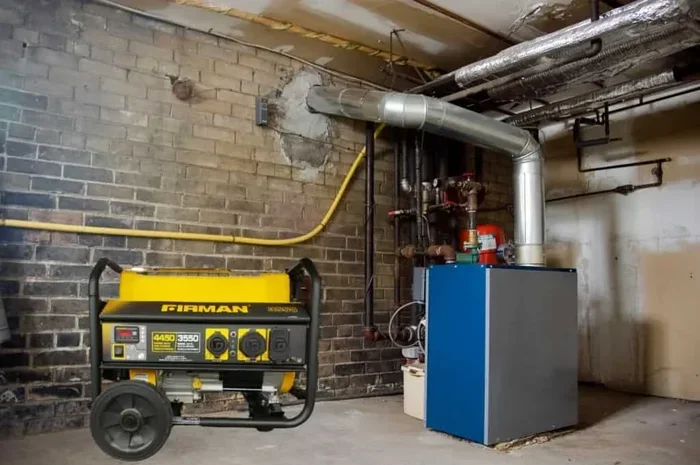
A portable generator is designed for easy transport and temporary power needs. These units typically run on gasoline and produce between 1,000 and 10,000 watts. They are great for camping trips, job sites, and emergency backup during short outages. Portable generators are affordable and widely available, making them a popular choice for homeowners and outdoor enthusiasts.
Standby Generators
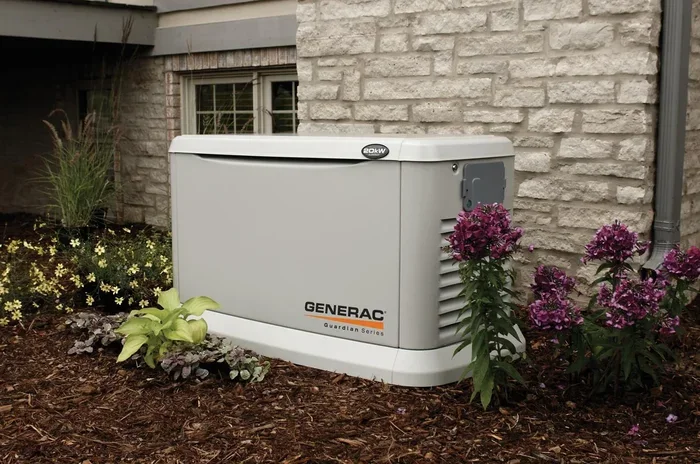
A standby generator is a permanent installation that automatically turns on when the power goes out. These units connect directly to your home’s electrical system and run on natural gas or propane. Standby generators can produce 7,000 to 20,000 watts or more, enough to keep your entire house running during a blackout. They are more expensive than portable options but offer unmatched convenience and reliability.
Inverter Generators
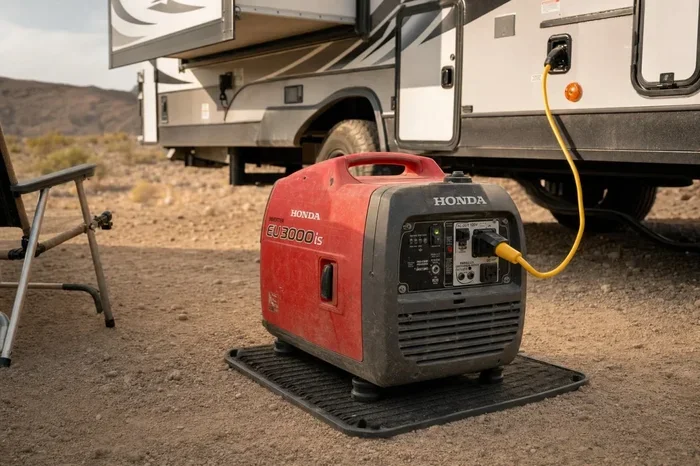
An inverter generator uses advanced technology to produce clean, stable power. It first generates raw electricity, then converts it to DC power, and finally inverts it back to AC power. This process produces a smooth sine wave that is safe for sensitive electronics like laptops and smartphones. Inverter generators are typically more fuel-efficient and quieter than conventional models, making them ideal for recreational use.
| Feature | Portable Generator | Standby Generator | Inverter Generator |
|---|---|---|---|
| Power Output | 1,000 – 10,000 watts | 7,000 – 20,000+ watts | 1,000 – 7,000 watts |
| Fuel Type | Gasoline | Natural gas / Propane | Gasoline |
| Portability | High | None (permanent) | Medium |
| Best For | Camping, job sites, short outages | Whole-home backup | Recreation, sensitive electronics |
| Price Range | $300 – $2,000 | $2,000 – $15,000+ | $500 – $3,000 |
| Noise Level | Moderate to loud | Moderate | Quiet |
Common Mistakes and Expert Tips
Even with a solid understanding of how a generator makes electricity, mistakes can happen. Here are some common errors to avoid and expert insights to help you get the most from your machine.
Common Mistakes to Avoid
- Overloading the generator. Plugging in too many devices can damage the engine and the generator parts. Always check the wattage of your appliances before connecting them.
- Running the generator indoors. Exhaust fumes contain carbon monoxide, which is deadly. Always operate your generator outside in a well-ventilated area.
- Neglecting regular maintenance. Skipping oil changes and air filter replacements leads to poor performance and early failure.
- Using the wrong fuel. Always use the fuel type recommended by the manufacturer. Wrong fuel can cause serious engine damage.
- Letting the generator run dry. Running out of fuel can damage the alternator and other internal components. Refuel before the tank gets too low.
Quick Tips for Better Understanding
- Read the owner’s manual thoroughly before your first use. It contains specific guidance for your model.
- Keep a maintenance log to track oil changes, filter replacements, and inspections.
- Test your generator regularly, even when you do not need it. Running it for 15 minutes monthly keeps the engine in good condition.
- Invest in a fuel stabilizer if you store your generator for long periods. Old fuel can gum up the engine.
- Use a wattage meter to monitor your actual power usage. This helps you avoid overloading and saves fuel.
Expert Insights on Generator Efficiency
Experienced technicians agree that understanding the relationship between mechanical energy and electrical energy is key to getting the best performance from any generator. The engine converts fuel into kinetic energy, and the alternator converts that kinetic energy into electrical energy. No conversion is 100% perfect, and some energy is always lost as heat. This is why generators get warm during operation and why a cooling system is essential for larger models.
Experts also emphasize the importance of matching the generator to the load. Running a generator at 50% to 75% of its rated capacity is the sweet spot for efficiency and fuel economy. Operating at full load for extended periods increases wear and reduces the lifespan of the machine. On the other hand, running a generator at very low load can cause wet stacking, where unburned fuel accumulates in the exhaust system. Finding the right balance is the key to long-lasting, reliable power generation.
Another important insight is about the quality of electricity produced. Conventional generators produce a rougher sine wave, which can be problematic for sensitive electronics. Inverter generators produce a cleaner sine wave that is much safer for laptops, phones, and medical equipment. If you need to power sensitive devices, an inverter generator is the better choice. This distinction is one of the most important things to understand when choosing a generator for your specific needs.
Conclusion
Understanding how does a generator make electricity is easier than you might think. The core process relies on electromagnetic induction, where a spinning rotor creates a changing magnetic field that pushes electrons through stator coils. The engine provides the mechanical energy, the alternator handles the conversion, and the voltage regulator keeps everything stable. Together, these generator parts work in harmony to produce the electrical energy that powers our homes, tools, and devices.
Whether you need a portable generator for weekend camping or a standby generator for whole-home backup, knowing the basics helps you make confident decisions. You now understand the science, the key components, and the practical considerations that matter most. Apply this knowledge, maintain your equipment properly, and always prioritize safety. The world of power generation is fascinating, and with this foundation, you are well on your way to understanding it fully.
Frequently Asked Questions
Can a generator run without fuel?
No, a generator cannot produce electricity without a fuel source. The engine needs gasoline, diesel, propane, or natural gas to create the mechanical energy that spins the rotor. Without fuel, there is no motion, and without motion, there is no electricity production.
How long does a generator last?
The lifespan of a generator depends on its type, quality, and how well it is maintained. A well-maintained portable generator can last 1,000 to 2,000 hours, while a standby generator can last 20 to 30 years with proper care. Regular maintenance, including oil changes and filter replacements, plays a huge role in extending the life of any generator.
Is it safe to run a generator indoors?
No, running a generator indoors is extremely dangerous. The exhaust contains carbon monoxide, which is odorless and can be fatal within minutes. Always operate your generator outside in a well-ventilated area, at least 20 feet away from windows, doors, and vents.
What size generator do I need for my home?
The size you need depends on what you want to power during an outage. Add up the wattage of the essential appliances you want to run, then choose a generator with a capacity 20% higher than that total. A standby generator is the best option for whole-home coverage, while a portable generator works well for essential circuits only.
Can a generator power a whole house?
Yes, a standby generator with sufficient wattage can power an entire house. These units are permanently installed and connected to your home’s electrical system. They automatically turn on during a power outage and can run on natural gas or propane. A portable generator can also power a whole house, but you would need to manually connect appliances and manage the load carefully.
What is the difference between a generator and an alternator?
An alternator is actually a part inside a generator. The generator includes the engine, fuel system, alternator, and control panel. The alternator is specifically the component where electromagnetic induction takes place, converting mechanical energy into electrical energy. In everyday language, people often use the word generator to refer to the entire machine.