What Tools Mechanical Engineers Use And Why They Matter
Mechanical engineers rely on a powerful set of tools to design, analyze, and build everything from engines to robotics systems. What tools do mechanical engineers use spans a wide range, including CAD software, simulation programs, precision hand tools, and advanced manufacturing equipment. Understanding these engineering tools is essential because they directly impact product quality, efficiency, and innovation across every industry.
Key Takeaways
- CAD software is essential: It lets engineers design precise 3D models efficiently.
- FEA tools predict performance: They test designs virtually before building anything physical.
- CFD software solves fluid problems: It optimizes airflow, heat transfer, and liquid flow.
- Prototyping tools save time and money: They turn digital ideas into real parts fast.
- Measurement instruments ensure accuracy: Calipers, gauges, and sensors verify every detail.
- Project management software keeps teams aligned: It streamlines collaboration across engineering workflows.
📑 Table of Contents
What Tools Mechanical Engineers Use And Why They Matter
Mechanical engineers design, build, and test machines every single day. But none of that happens without the right tools mechanical engineers use. From simple wrenches to powerful software, these tools shape how engineers turn ideas into real-world solutions. Whether you are a student just starting out or a seasoned professional, knowing your tools makes all the difference.
The world of mechanical engineering is vast. It covers everything from car engines to heating systems to robotic arms. And each area demands a specific set of engineering equipment and supplies. In this guide, we walk through the essential tools that mechanical engineers rely on, explain why each one matters, and share practical tips you can use right away. Let us dive in.
Hand Tools Every Mechanical Engineer Relies On
Hand tools form the backbone of any mechanical engineer’s kit. They are simple, reliable, and always within reach. You do not need electricity or software to make them work. Here are the hand tools you will find in nearly every engineer’s toolbox.
Wrenches and Screwdrivers
Wrenches come in many sizes and shapes. Adjustable wrenches handle different bolt sizes, while socket wrenches give you more torque. Engineers use them daily to assemble and disassemble machine parts. A good set of screwdrivers is just as important. Flathead and Phillips head drivers cover most fastening jobs you will encounter on the job.
Pliers and Cutters
Pliers grip, twist, and bend materials with ease. Needle-nose pliers reach into tight spaces. Channel-lock pliphers handle heavy-duty gripping. Wire cutters and snips help engineers trim metal and wire quickly. These small tools save a lot of time during assembly and repairs.
Measuring Tools
Precision matters in engineering. Calipers measure the thickness and diameter of parts down to fractions of a millimeter. Tape rulers handle longer measurements. Feeler gauges check the gap between two surfaces. Engineers cannot build anything accurate without these measuring essentials.
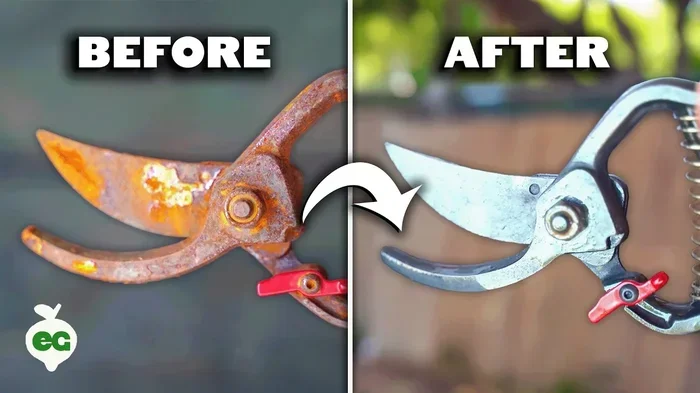
Quick Tip: Always keep your hand tools clean and well-maintained. A rusty wrench can slip and damage a part or hurt your hand. Take five minutes after each project to wipe down your tools and store them properly.
Computer-Aided Design (CAD) Software
If hand tools are the muscles of engineering, CAD software is the brain. Tools mechanical engineers use for design have changed the industry completely. Engineers no longer draw everything by hand. CAD programs let them create detailed 3D models on a computer before building anything physical.
Popular CAD Programs
Several CAD platforms dominate the engineering world. SolidWorks is one of the most popular choices for mechanical design. It offers powerful modeling features and a large user community. AutoCAD is another widely used tool, especially for 2D drafting and technical drawings. Fusion 360 combines CAD, CAM, and simulation in one package, making it a favorite for startups and freelancers.
Why CAD Matters
CAD software helps engineers spot design problems early. You can test how parts fit together virtually before spending money on materials. It also makes collaboration easier. Team members across different locations can work on the same model in real time. This saves weeks of back-and-forth that used to happen with paper blueprints.
Here is a quick look at how these tools compare:
| Software | Best For | Price Range | Learning Curve |
|---|---|---|---|
| SolidWorks | 3D mechanical design | $$$ | Moderate |
| AutoCAD | 2D drafting and drawings | $$ | Moderate |
| Fusion 360 | Integrated design and manufacturing | $ to $$ | Easy to Moderate |
| CATIA | Complex surface modeling | $$$$ | Steep |
Expert Insight: Start with one CAD program and stick with it until you are confident. Switching between programs too often slows you down. Once you master one, learning a second one becomes much easier.
Measurement and Testing Equipment
Engineers need to verify that their designs work in the real world. That means testing parts and assemblies with precise instruments. Engineering instruments help confirm that measurements match the design specs. Without testing, even the best designs can fail.
Calipers and Micrometers
Digital calipers measure internal and external dimensions quickly. Micrometers offer even finer precision, often down to 0.001 inches. Engineers use these tools during quality checks to make sure manufactured parts meet tolerances. A part that is even slightly off can cause problems in assembly.
Pressure Gauges and Thermometers
Many mechanical systems involve fluid flow and heat transfer. Pressure gauges measure the force of liquids and gases inside pipes and tanks. Thermometers, especially infrared ones, let engineers check surface temperatures without touching the object. These readings help validate thermal simulations and ensure safe operation.
Hardness Testers
Material hardness affects how a part performs under stress. Hardness testers apply a controlled force to a surface and measure the indentation. This tells engineers whether a material is suitable for its intended use. It is a quick and non-destructive way to check material quality.
Common Mistake: Never skip calibration. Measurement tools drift over time, and uncalibrated instruments give false readings. Set a regular calibration schedule and stick to it.
Simulation and Analysis Tools
Before building a physical prototype, engineers run simulations. These digital tests predict how a design will behave under real conditions. Engineering software for simulation saves time and money by catching problems early in the design process.
Finite Element Analysis (FEA)
FEA software breaks a complex part into small elements and calculates how each one responds to forces, heat, and vibration. Engineers use FEA to find stress concentrations and weak points. This helps them reinforce areas that might fail under load. Popular FEA tools include ANSYS, Abaqus, and the simulation modules built into SolidWorks.
Computational Fluid Dynamics (CFD)
CFD tools simulate how fluids flow around objects. Engineers use CFD to design more efficient pumps, fans, and heat exchangers. It shows velocity patterns, pressure drops, and temperature distributions. This is especially useful when designing cooling systems or aerodynamic components.
Thermal Analysis Software
Heat management is critical in many mechanical systems. Thermal analysis tools help engineers understand how heat moves through a design. They can identify hot spots and optimize cooling strategies. This is vital in industries like automotive, aerospace, and electronics cooling.
Quick Tip: Always validate your simulation results with a physical test when possible. Software models are powerful, but real-world conditions can surprise you. A quick test builds confidence and catches modeling errors.
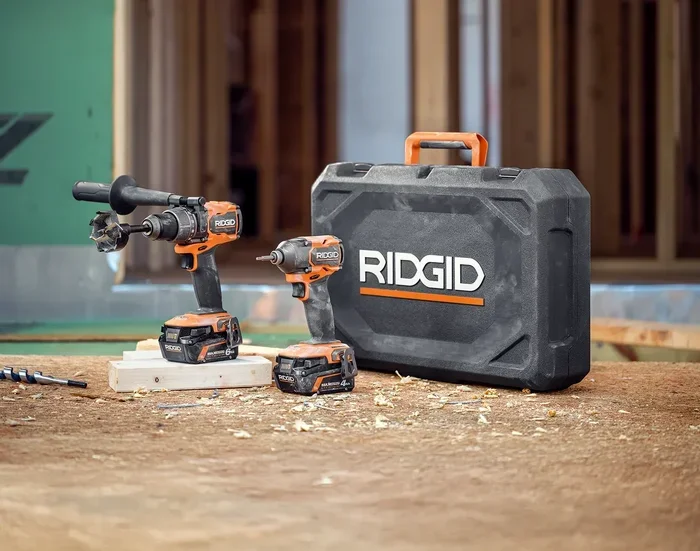
Power Tools and Workshop Equipment
Not all engineering work happens at a computer. Physical fabrication and assembly require workshop tools and power equipment. These tools turn raw materials into finished parts and assemblies.
Drills and Milling Machines
A drill press creates precise holes in metal and other materials. Milling machines go further by shaping surfaces and cutting complex profiles. Engineers use these machines to make custom parts or modify existing components. Both tools require proper setup and safety precautions.
3D Printers and Rapid Prototyping
3D printing has revolutionized how engineers build prototypes. A design that takes weeks to machine can be printed in hours. Engineers use 3D printers to test fit, form, and function before committing to expensive manufacturing runs. Fused deposition modeling (FDM) printers are the most common choice for engineering prototypes.
Air Compressors and Pneumatic Tools
Air compressors power a wide range of pneumatic tools. Impact wrenches, nail guns, and spray painters all run on compressed air. Engineers working in fabrication shops rely on compressors daily. If you use an air compressor regularly, you should understand how it works and how to maintain it. Check out our guide on what the knee does on a compressor to learn about this important feature.
Expert Insight: When choosing an air compressor for your workshop, consider the CFM (cubic feet per minute) rating. Different pneumatic tools need different airflow levels. Matching the compressor to your tool requirements prevents performance issues and saves energy.
Why Having the Right Tools Matters
The right tools do more than make work easier. They directly impact the quality, speed, and safety of engineering projects. Engineers who invest in good tools produce better results and work more efficiently.
Quality and Precision
Precision tools ensure that every part meets design specifications. A poorly calibrated instrument or a dull cutting tool leads to errors. Those errors compound over time and can result in costly rework or failed assemblies. High-quality tools maintain the accuracy that engineering demands.
Safety
Engineering work can be dangerous. Power tools, sharp instruments, and high-pressure systems all carry risks. Using the right tools with proper safety equipment reduces the chance of injury. Engineers should always follow manufacturer guidelines and wear appropriate protective gear.
Efficiency and Productivity
The right tool for the job gets done faster. A well-organized toolbox with the proper engineering supplies eliminates wasted time searching for equipment. Digital tools like CAD and simulation software speed up the design process dramatically. Efficiency compounds over time, saving both hours and money.
Career Growth
Engineers who master a wide range of tools become more versatile and valuable. Employers look for professionals who can handle both design and hands-on work. Knowing your tools also builds confidence, which shows in the quality of your work and your ability to take on challenging projects.
Quick Tip: Keep a personal tool inventory. Knowing exactly what you have prevents duplicate purchases and helps you spot gaps in your collection. A simple spreadsheet works great for this.
Final Thoughts
The tools mechanical engineers use span a wide range, from basic hand tools to advanced simulation software. Each tool plays a specific role in the engineering workflow. Hand tools handle physical assembly and adjustments. CAD software brings designs to life digitally. Testing equipment validates that real parts match digital models. Power tools and workshop equipment bridge the gap between design and fabrication.
Investing in quality tools is investing in your career. Start with the essentials and build your collection over time. Focus on learning each tool deeply rather than collecting them superficially. The engineers who truly understand their tools are the ones who solve problems faster, design better, and build safer products.
Whether you are working on a small home project or a large industrial system, the principles remain the same. Choose the right tool, use it properly, and maintain it well. That simple approach will serve you well throughout your entire engineering journey.
Frequently Asked Questions
What tools do mechanical engineers use on a daily basis?
Mechanical engineers rely on a mix of software and hardware tools every day. Common daily tools include CAD software like SolidWorks, Excel for data analysis, and MATLAB for simulations. They also use hand tools and measuring instruments when working in labs or on-site.
What software tools do mechanical engineers use for design and modeling?
Design tools are at the heart of mechanical engineering work. Engineers heavily use CAD tools such as AutoCAD, CATIA, and Creo to create detailed 3D models. These engineering software programs help them visualize parts, run stress analysis, and prepare designs for manufacturing.
What hand tools and measuring instruments are essential for mechanical engineers?
Basic hand tools like calipers, micrometers, wrenches, and torque drivers are must-haves in any mechanical engineer’s kit. Measuring instruments such as dial indicators, feeler gauges, and laser levels help ensure precision. These physical tools bridge the gap between digital designs and real-world builds.
What tools do mechanical engineers use for testing and simulation?
Simulation tools like ANSYS, ABAQUS, and MATLAB allow engineers to test designs virtually before building prototypes. They also use testing equipment such as thermocouples, strain gauges, and vibration analyzers in the lab. These tools help identify flaws early and improve product performance.
What tools do mechanical engineers use for project management and collaboration?
Beyond technical design tools, mechanical engineers often use project management tools like Microsoft Project, Trello, and Jira to track timelines and tasks. Collaboration platforms such as AutoCAD 360 and PTC Windchill help teams share files and manage data. These tools keep engineering projects organized and on schedule.
What tools do mechanical engineers use in manufacturing and production?
In manufacturing settings, engineers use CNC machines, 3D printers, and hydraulic presses to produce components. They also rely on quality control tools like coordinate measuring machines (CMMs) and surface roughness testers. These mechanical engineering tools ensure that finished parts meet strict industry standards and tolerances.