What Tools Do HVAC Techs Need for Success on the Job
Every HVAC technician needs the right mix of hand tools, power tools, and diagnostic equipment to do the job safely and efficiently. Having the proper tools for HVAC techs saves time, reduces callbacks, and builds professional credibility. Whether you are just starting out or upgrading your kit, this guide covers everything you need to know.
Walking onto a job site without the right gear is like trying to cook a meal without a knife. You can manage for a little while, but you will waste time, make mistakes, and frustrate yourself. What tools do HVAC techs need to stay productive and professional? The answer is simpler than you think.
HVAC work covers a lot of ground. You might be installing a new system one day and repairing an old unit the next. That means you need a comprehensive set of HVAC tools that handles both jobs with confidence. From basic hand tools to advanced diagnostic gear, having the right equipment makes all the difference.
This guide breaks down every category of tools an HVAC technician should have. We will cover hand tools, power tools, diagnostic equipment, safety gear, and more. By the end, you will know exactly what to add to your kit or buy for your next upgrade.
Key Takeaways
- Hand tools are the foundation: Every HVAC tech needs wrenches, screwdrivers, pliers, and a quality tool bag.
- Diagnostic tools prevent guesswork: Multimeters, manifold gauges, and leak detectors help you diagnose problems fast and accurately.
- Safety gear is non-negotiable: Gloves, goggles, and respirators protect you from chemicals, sharp edges, and harmful fumes.
- Power tools speed up the work: Drills, saws, and torque drivers make installation and repairs faster and cleaner.
- Investing in quality pays off: Cheap tools break often and cost more in the long run. Buy trusted brands that last.
- A mobile-friendly setup matters: A well-organized truck or bag keeps you productive on every job site.
📑 Table of Contents
- Why Having the Right HVAC Tools Matters
- Essential Hand Tools for Every HVAC Tech
- Power Tools That Speed Up HVAC Work
- Diagnostic Tools That Make You a Pro
- Safety Gear and Personal Protective Equipment
- Tool Storage and Organization
- What to Look for When Buying HVAC Tools
- Common Mistakes HVAC Techs Make with Their Tools
- Building Your Starter HVAC Tool Kit
- Final Thoughts
Why Having the Right HVAC Tools Matters
Let us start with the big picture. The tools you carry define how fast you work, how accurate your repairs are, and how safe you stay on the job. A tech with the right HVAC technician tools can finish a job in half the time it takes someone using the wrong equipment.
Here is why tool quality matters so much.
- Efficiency: The right tool gets the job done in fewer steps. Less time on each job means more jobs per day.
- Accuracy: Proper diagnostic tools for HVAC give you precise readings so you fix the real problem, not a symptom.
- Safety: Working with electrical components, refrigerants, and sharp metal demands the right protective and functional gear.
- Professional reputation: Clients notice when you show up prepared. It builds trust and leads to repeat business.
- Cost savings: Quality tools last longer and reduce the need for replacements or emergency tool runs.
Think of your tool collection as your most important investment. You would not trust a shaky ladder to hold you at height, and you should not trust cheap tools with complex systems.
Essential Hand Tools for Every HVAC Tech
Hand tools form the backbone of any HVAC tools list. You will reach for these on almost every job, so they need to be reliable and comfortable to use.
Wrenches and Socket Sets
You need a solid set of combination wrenches, socket wrenches, and ratchets. Adjustable wrenches handle odd-sized fittings, while socket sets speed up bolt removal. Look for metric and standard sizes since older systems often use different measurements.
Quick tip: A torque wrench is a must for tightening refrigerant line fittings to the correct specification. Over-tightening can damage fittings, and under-tightening can cause leaks.
Screwdrivers and Pliers
You want a mix of flathead and Phillips screwdrivers in several sizes. Needle-nose pliers help with tight spaces, while lineman’s pliers handle wire cutting and twisting. Tubing cutters are essential for cutting copper lines cleanly without burrs.
- Flathead screwdrivers (multiple sizes)
- Phillips screwdrivers (multiple sizes)
- Needle-nose pliers
- Lineman’s pliers
- Tubing cutter
- Hex key set (Allen wrenches)
Flashlights and Inspection Mirrors
HVAC systems hide in dark cabinets, crawl spaces, and attics. A bright LED flashlight and a small inspection mirror help you see what is going on without disassembling everything. A borescope camera can also be a game-changer for inspecting inside ducts and coils.
Power Tools That Speed Up HVAC Work
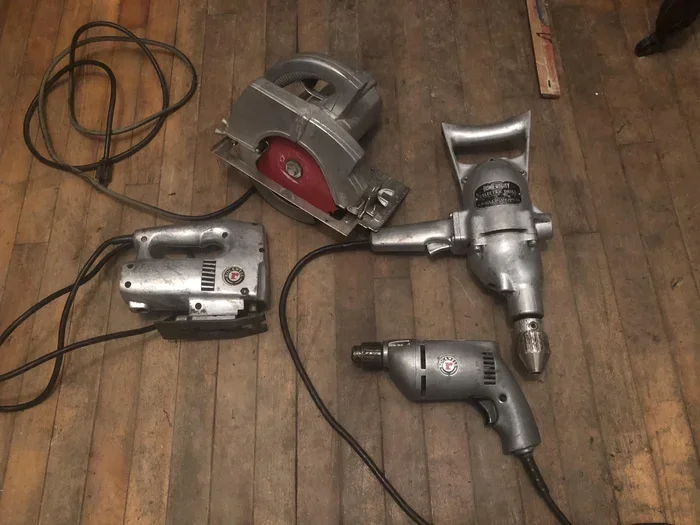
Hand tools get the job done, but power tools for HVAC technicians make the work faster and cleaner. You do not need a full workshop, but a few key power tools will earn their place in your truck.
Drill and Driver Set
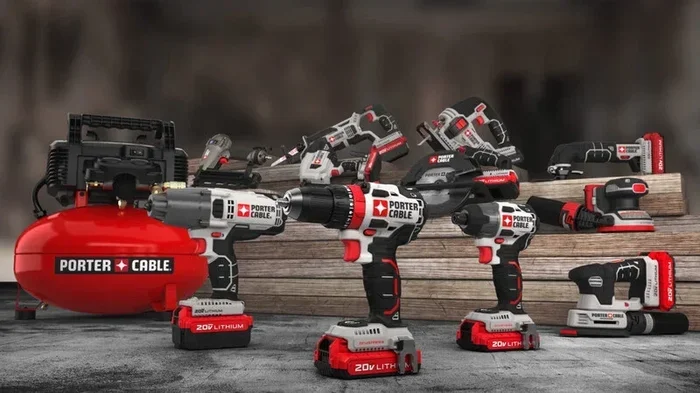
A cordless drill/driver is probably the single most used power tool in HVAC work. You use it for mounting units, running conduit, and securing panels. Choose a brushless model with lithium-ion batteries for longer run time and more durability.
Reciprocating Saw
Need to cut through a nail-embedded stud or trim a metal bracket quickly? A reciprocating saw handles it all. Keep a variety of blades on hand for wood, metal, and plastic. This tool saves enormous time during installation and rough-in work.
Angle Grinder
An angle grinder helps you cut and grind metal, especially when working with ductwork or mounting brackets. A cutoff wheel attachment makes quick work of small metal pieces. Always wear proper eye and hand protection when using one.
Tube Cutter and Flaring Tool
For refrigerant work, a quality tube cutter gives you clean, square cuts on copper tubing. A flaring tool lets you create proper flare connections for refrigerant lines. These two tools are absolutely critical for any tech who works with split systems or heat pumps.
Diagnostic Tools That Make You a Pro
This is where HVAC work gets technical. Diagnostic tools for HVAC help you find problems fast and confirm your repairs are working. Without these tools, you are basically guessing.
Multimeter
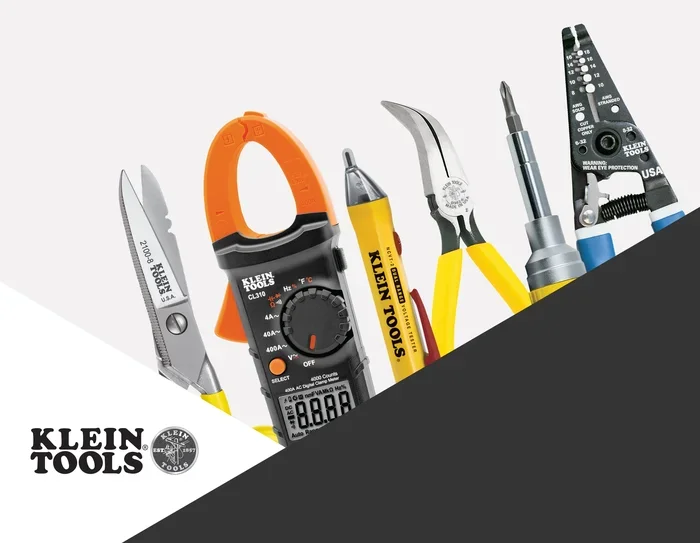
A digital multimeter is your best friend for electrical diagnostics. You use it to check voltage, amperage, and resistance on motors, relays, and control boards. A clamp meter version lets you measure current without disconnecting wires, which saves a lot of time.
When you are testing a compressor clutch or checking if a fan motor is drawing too much current, your multimeter gives you the answers you need. If you want to understand more about how clutch components work, check out our article on what is an AC compressor clutch.
Manifold Gauge Set
A manifold gauge set measures the pressure of refrigerant in a system. High and low side readings tell you whether the system has enough charge, a restriction, or a non-condensable gas problem. Digital manifold gauges offer faster readings and built-in temperature compensation.
Leak Detector
Refrigerant leaks are one of the most common problems you will face. An electronic leak detector finds even tiny leaks in refrigerant lines, coils, and connections. UV dye leak detection is another option where you add a fluorescent dye to the system and scan with a UV light.
Understanding what causes a compressor to short cycle often starts with reading pressure values from your gauges. Low refrigerant from a leak can cause short cycling, which damages the compressor over time. Learn more about this issue in our guide on what causes a compressor to short cycle.
Thermometer and Hygrometer
A digital thermometer with a probe lets you check superheat and subcooling values. A hygrometer measures humidity levels, which matters when you are diagnosing comfort issues or checking system performance. Together, these tools give you a complete picture of how a system is performing.
Blower Door Test Kit
For techs who do energy audits or indoor air quality work, a blower door test kit measures air leakage in a building. It helps you find drafts and insulation gaps that affect HVAC performance. This tool is especially valuable for residential comfort assessments.
Safety Gear and Personal Protective Equipment
Safety gear is not optional. HVAC work involves electrical components, moving parts, chemicals, and confined spaces. The right PPE for HVAC techs keeps you safe and keeps you working.
Eye and Ear Protection
Safety glasses should be your default every time you start a job. Flying debris from cutting or grinding can cause serious eye injuries. Ear protection matters too, especially when you are using loud power tools or working near running equipment.
Gloves and Footwear
Wear cut-resistant gloves when handling sharp metal or copper tubing. Insulated gloves protect you when working near electrical components. Steel-toed boots are essential on job sites where heavy equipment or falling objects are a risk.
Respiratory Protection
When you are cutting, brazing, or working with refrigerants, respiratory protection is critical. A simple dust mask works for most cutting tasks, but a proper respirator is needed when handling certain refrigerants or working in enclosed spaces with poor ventilation.
Always check your refrigerant oil specifications before handling any system. Different systems use different oils, and mixing them can cause serious damage. Learn more about what lubricates the refrigeration compressor in our article what lubricates the refrigeration compressor.
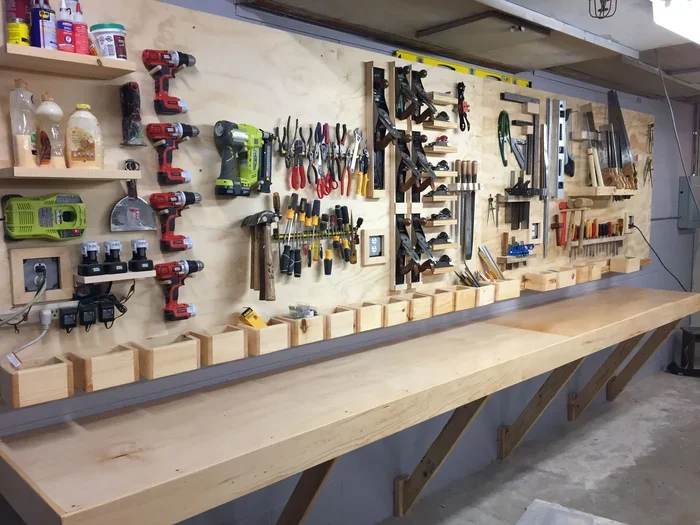
Tool Storage and Organization
Having great tools means nothing if you cannot find them on the job. Good tool storage for HVAC technicians saves time and keeps your equipment in good shape.
Truck Toolboxes
A quality truck toolbox with deep drawers and a secure lock keeps your tools organized and safe. Look for one with customizable tray inserts so you can arrange your most-used items within arm’s reach.
Portable Tool Bags
For techs who climb ducts or work in tight spaces, a portable tool bag with a shoulder strap works better than a bulky box. Choose one with reinforced bottoms and multiple pockets for different tool sizes.
Labeling and Inventory
Label your drawers and bags by tool category. Keep a simple inventory list taped inside your toolbox lid. This way, you know exactly what is missing before you leave for a job site.
Organization also extends to your accessories. Keep spare refrigerant gauges, replacement filters, and common fittings stocked so you are never stuck on a job.
What to Look for When Buying HVAC Tools
Not all tools are created equal. Here are the key factors to consider before you buy.
Durability and Build Quality
Look for tools made from chrome vanadium steel or other hardened materials. They resist bending and wear far better than cheap alternatives. Read reviews and ask experienced techs what brands they trust.
Warranty and Support
Good tool brands offer solid warranties. A lifetime warranty on wrenches or a replacement guarantee on power tools shows the manufacturer stands behind their product. Warranty support matters when you rely on your tools every day.
Comfort and Ergonomics
You will be using these tools for hours, so comfort matters. Look for ergonomic grips on hand tools and lightweight designs on power tools. Your hands and wrists will thank you at the end of a long workday.
Brand Reputation
Stick with trusted brands like Snap-on, Craftsman, Mac Tools, and Klein Tools. These brands have decades of reputation behind them and are widely available for replacement parts and service.
If you are starting out and need to understand what kind of oil your compressor takes, this matters for your air-powered tools as well. Check out our article on what kind of oil does a compressor take for helpful guidance.
Common Mistakes HVAC Techs Make with Their Tools
Even experienced techs fall into habits that cause problems. Here are the most common mistakes to avoid.
- Using the wrong size wrench: This rounds bolt heads and makes future repairs harder. Always grab the right size before you start tightening.
- Skipping calibration: Your manifold gauges and multimeter need regular calibration. Uncalibrated tools give you wrong readings and lead to wrong diagnoses.
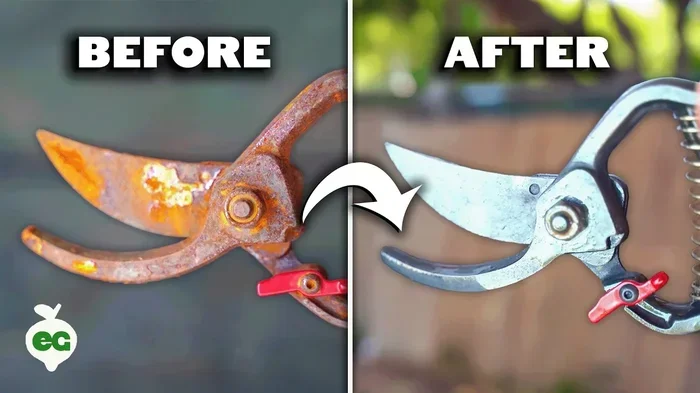
- Neglecting tool maintenance: Wipe down your tools after each job, oil moving parts regularly, and replace worn-out items before they fail on a job.
- Buying the cheapest option: Cheap tools break more often and cost more over time. Invest in quality upfront.
- Overloading your tool bag: Carrying too many heavy tools strains your back and slows you down. Pack only what you need for the specific job.
Building Your Starter HVAC Tool Kit
If you are just starting your HVAC career or expanding your current setup, here is a practical checklist to build a strong foundation.
- Combination wrench set (metric and standard)
- Socket set with ratchet and extensions
- Screwdriver assortment (flathead and Phillips)
- Needle-nose and lineman’s pliers
- Tubing cutter and flaring tool
- Digital multimeter
- Manifold gauge set
- Electronic leak detector
- LED flashlight and inspection mirror
- Safety glasses and gloves
- Cordless drill/driver
- Reciprocating saw
- Tube cutter for refrigerant lines
- Digital thermometer with probe
- Durable tool bag or truck toolbox
This starter kit covers the vast majority of residential and light commercial HVAC work. As you gain experience, you will learn which specialty tools you use most and can add them over time.
Understanding what causes compressor stall is another area where having the right diagnostic tools makes a huge difference. You need reliable gauges and a multimeter to trace the root cause. Learn more in our guide on what causes compressor stall.
Final Thoughts
Knowing what tools do HVAC techs need is the first step toward building a career that runs smoothly and professionally. From basic hand tools to advanced diagnostic equipment, every item in your kit serves a purpose. The best techs are not the ones with the most tools, but the ones with the right tools, organized and ready to go.
Start with the essentials, invest in quality, and keep expanding your collection as you gain experience. Take care of your tools, calibrate your instruments regularly, and always prioritize safety. Your tool kit is your livelihood, and treating it well pays you back every single day.
Whether you are a first-year apprentice or a seasoned professional, there is always room to improve your setup. Audit your tools today, fill in the gaps, and walk onto your next job site with confidence.
Frequently Asked Questions
What are the most important tools for a new HVAC tech?
A digital multimeter, a manifold gauge set, a quality wrench set, and a cordless drill are the four most essential tools to start with. These handle the majority of diagnostic and installation tasks you will face on the job every day.
How much should I spend on my initial HVAC tool set?
A solid starter kit costs between $500 and $1,500 depending on the brands you choose. Focus on quality over quantity. A few well-made tools will outperform a large collection of cheap ones that break quickly.
Do I need expensive diagnostic tools as a beginner?
You do not need the most expensive models, but you should not buy the cheapest either. A mid-range digital multimeter and a basic manifold gauge set will serve you well while you learn the trade. Upgrade as your skills and client base grow.
What safety gear is absolutely necessary for HVAC work?
Safety glasses, cut-resistant gloves, steel-toed boots, and a respirator for brazing or cutting tasks are the non-negotiable items. Always wear them, even for quick jobs, because accidents happen when you least expect them.
How often should I calibrate my HVAC diagnostic tools?
Calibrate your multimeter and manifold gauges at least once a year, or more often if you use them daily. Many manufacturers recommend specific calibration intervals, so check your tool’s manual for guidance.
Can I use the same tools for residential and commercial HVAC work?
Most hand tools and diagnostic equipment work for both. However, commercial systems often require larger gauge sets, specialized refrigerant scales, and more advanced electrical testing equipment. Start with residential-grade tools and expand as you take on commercial jobs.