Who Buys Tools and How to Find the Right Buyer Today
Who buys tools? The answer spans from individual DIY enthusiasts to large industrial buyers and dedicated tool resellers. Understanding the different types of buyers helps you sell tools faster and get the best possible price. This guide covers exactly who buys tools, where to find them, and how to prepare your tools for a successful sale.
Who buys tools? It is a question many people ask when they have a collection of tools gathering dust in the garage or workshop. The truth is that there is a huge market of buyers looking for all kinds of tools, from basic hand tools to heavy-duty industrial equipment. Whether you are clearing out a workshop, upgrading your equipment, or simply trying to make some extra money, understanding who buys tools can help you get the best deal.
The tool buying landscape has changed a lot over the past few years. Online platforms and local marketplaces have made it easier than ever to connect sellers with buyers. But with so many options available, knowing where to start can feel overwhelming. This guide breaks down everything you need to know about who buys tools and how to find the right buyer quickly and easily.
Key Takeaways
- Multiple buyer types exist: Individual DIYers, commercial operations, resellers, and dealers all buy tools for different reasons and at different price points.
- Online marketplaces dominate: Platforms like eBay, Craigslist, and Facebook Marketplace offer the widest reach for selling tools quickly.
- Preparation matters: Cleaning, maintaining, and accurately pricing your tools can significantly increase your selling price and speed up the sale.
- Avoid common mistakes: Overpricing, skipping research, and poor listing quality are the top reasons tools sit unsold.
- Timing and bundling help: Selling during peak seasons and offering tool bundles attract more buyers and better offers.
- Know your tool’s value: Brand name, condition, and rarity all influence what buyers are willing to pay.
📑 Table of Contents
- Who Buys Tools – Understanding the Market
- Types of Tools and Their Specific Buyers
- Where to Find Buyers for Your Tools
- Comparison: Top Platforms for Selling Tools
- How to Prepare Your Tools for Sale
- Quick Tips for a Successful Tool Sale
- Common Mistakes When Selling Tools
- Expert Insights on the Tool Buying Market
- Final Thoughts on Finding the Right Tool Buyer
Who Buys Tools – Understanding the Market
When it comes to buying and selling tools, the market is surprisingly diverse. Different buyers have different needs, budgets, and preferences. Let us look at the main categories of tool buyers you should know about.
Individual and DIY Tool Buyers
Many tool buyers are everyday people who work on home projects. They buy tools for DIY renovations, car repairs, and general maintenance. These buyers often search for affordable options and may look for used tools to save money. If you have basic hand tools or power tools in good condition, there is a strong chance an individual buyer will want them.
Individual buyers are the largest group in the tool market. They shop on platforms like Craigslist, Facebook Marketplace, and local classifieds. They tend to look for tools that are practical and well-maintained. A clean, working tool with a clear description will attract these buyers quickly.
Commercial and Industrial Tool Buyers
Larger operations need tools too. Construction companies, manufacturing plants, and maintenance teams buy tools in bulk. These commercial tool buyers often need specialized equipment that can support their business process optimization needs. They are willing to pay good money for reliable, durable tools that can keep their operations running smoothly.
Industrial buyers also look for tools that integrate with their existing systems. For example, they may need tools that work alongside productivity tools for work or equipment that fits specific workflow requirements. If you have commercial-grade tools, this is a buyer segment you should not ignore.
Tool Resellers and Dealers
Tool resellers and dealers buy tools specifically to flip them for a profit. They know the market well and can often spot valuable tools quickly. If you have a collection of quality brands or rare items, a dealer might offer a fair price without you needing to do the selling yourself.
Resellers often buy in bulk and are always on the lookout for good deals. They understand tool values and can move inventory fast. While you might not get the highest price from a reseller, the convenience and speed of the transaction can be well worth it.
Types of Tools and Their Specific Buyers
Different tools attract different buyers. Understanding this helps you target the right market when you want to sell tools. Let us break down the main categories.
Power Tools and Hardware
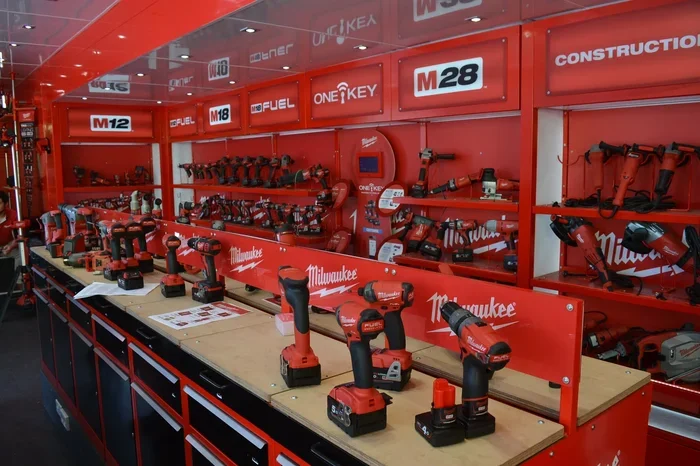
Power tools like drills, saws, and sanders are always in demand. Both homeowners and professionals buy power tools regularly. Brands like DeWalt, Milwaukee, and Makita have strong resale value. If you are looking to sell tools in this category, you will find many interested buyers online and in local shops.
Power tool buyers often look for complete sets or kits. A drill with multiple bits and attachments sells better than a single drill. Make sure to include all accessories when listing power tools for sale.
Industrial and Specialty Tools
Specialty tools serve niche markets. Think of torque wrenches, diagnostic equipment, or CNC machine accessories. Industrial tools buyers often search for these items to support their work. Specialty tools that support process workflow tools tend to attract dedicated buyers in manufacturing and engineering fields.
If you work in a specialized industry, your tools may have a higher value than you think. Niche tools with specific applications often have a smaller but very interested buyer pool. Research your specific tool category to find the right audience.
Hand Tools and Basic Kits
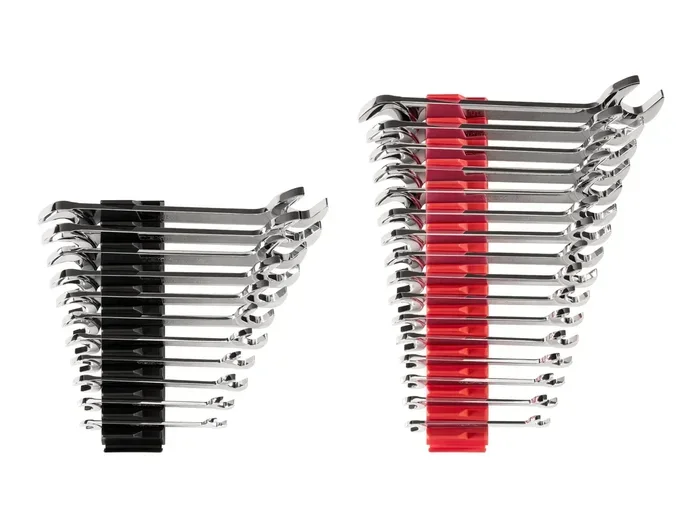
Basic hand tools like wrenches, screwdrivers, and pliers sell well too. Many buyers look for complete sets or kits. These are popular among new homeowners, students, and hobbyists. Even older hand tools can find buyers if they are in decent shape.
Hand tool kits are especially popular on online marketplaces. A well-organized tool box with a variety of hand tools can sell quickly, especially if the tools are from a recognized brand.
Where to Find Buyers for Your Tools
Finding the right place to sell is just as important as knowing who is buying. Here are the best options available today.
Online Marketplaces
Online marketplaces are the go-to choice for many sellers. Platforms like eBay, Craigslist, and Facebook Marketplace let you reach thousands of potential buyers. You can list your tools with photos, descriptions, and competitive prices. This is often the fastest way to sell tools and get cash in hand.
Online marketplaces also give you the ability to reach buyers who specifically search for tool buyers near me or specific tool categories. Use keywords in your listings to improve visibility. High-quality photos and honest descriptions go a long way toward attracting serious buyers.
Local and In-Person Options
Do not overlook local options. Garage sales, pawn shops, and tool swaps are great places to find buyers nearby. Many people prefer to buy tools in person so they can test them before purchasing. A quick search for tool buyers near me can also reveal local shops and dealers ready to make an offer.
Local sales have the advantage of no shipping costs and quick transactions. You can negotiate face to face and build relationships with repeat buyers. Many tool enthusiasts prefer the personal touch of buying locally.
Specialized Buying Services
Some companies specialize in purchasing tools directly from sellers. These services handle the entire process for you. They evaluate your tools, make an offer, and handle shipping if needed. This option is ideal if you want a quick, hassle-free sale without dealing with individual buyers.
Buying services are particularly useful for large collections or commercial tool lots. They save you time and effort. The trade-off is that the offer may be lower than what you could get selling individually. But for convenience, it is hard to beat.
Comparison: Top Platforms for Selling Tools
Not all selling platforms are created equal. Here is a comparison of the most popular options for selling tools.
| Platform | Reach | Fees | Best For | Speed of Sale |
|---|---|---|---|---|
| eBay | Global | Moderate | Rare and high-value tools | Medium |
| Craigslist | Local | Low | Everyday tools and hand tools | Fast |
| Facebook Marketplace | Local | Free | Power tools and kits | Fast |
| Specialized Buying Services | National | None (they pay you) | Large collections and bulk lots | Very Fast |
| Local Pawn Shops | Local | None | Quick cash sales | Immediate |
Each platform has its strengths. eBay works best for rare or collectible tools. Facebook Marketplace and Craigslist are great for everyday tools with local buyers. Specialized services are ideal for large lots. Choose the platform that matches your tools and your goals.
How to Prepare Your Tools for Sale
Taking the time to prepare your tools can make a big difference in the price you get. Buyers want tools that look good and work well.
Cleaning and Maintenance
Start by cleaning every tool thoroughly. Remove dirt, grease, and rust where possible. Wipe down surfaces and oil moving parts. A clean tool looks more appealing and signals that it has been well cared for. This simple step can increase your selling price significantly.
For power tools, check that cords are intact and batteries hold a charge. For hand tools, sharpen blades and remove any rust with a wire brush or rust remover. Small investments of time and effort can lead to much better offers from buyers.
Pricing Your Tools Right
Research what similar tools sell for online. Check completed listings on auction sites and compare prices at local shops. Setting a fair price attracts more buyers and helps you sell faster. Overpricing is one of the biggest mistakes sellers make, so be realistic about the condition and age of your tools.
A good rule of thumb is to price used tools at 40 to 60 percent of their original retail price, adjusted for condition. Brand-new in-box tools can command closer to 70 to 80 percent. Always be open to negotiation, as most buyers expect to haggle a bit.
Quick Tips for a Successful Tool Sale
- Take clear photos: Use good lighting and shoot from multiple angles. Show any flaws honestly.
- Write detailed descriptions: Include brand, model, age, condition, and any included accessories.
- Use keywords: Add relevant search terms to your listing title and description so buyers can find you.
- Respond quickly: Answer inquiries fast. Prompt communication builds trust and leads to quicker sales.
- Offer bundle deals: Selling tools together often brings in more money than selling them separately.
- Be honest about condition: Misleading descriptions lead to negative reviews and returns. Always be upfront.
- Set a competitive price: Check what similar tools are selling for and price yours accordingly.
Common Mistakes When Selling Tools
Avoid these common pitfalls to ensure a smooth and profitable sale.
Overpricing Your Tools
It is easy to overvalue your tools, especially if they are your favorites. But buyers compare prices across many listings. If your price is too high, they will simply move on. Always check market rates before setting a price. Use completed listings as a reference, not just active ones.
Poor Photos and Descriptions
Buyers rely heavily on photos and descriptions when shopping online. Blurry pictures or vague details can turn them away. Take clear, well-lit photos from multiple angles. Write honest, detailed descriptions that include brand, model, condition, and any defects. A good listing builds confidence and trust with potential buyers.
Ignoring Local Demand
Not all tools sell equally well in every area. Construction tools may sell faster in regions with active building projects. Automotive tools may do better near mechanic shops. Understanding local demand helps you price and market your tools more effectively.
Expert Insights on the Tool Buying Market
The tool buying market has seen some interesting shifts in recent years. More buyers are turning to online platforms, and the demand for quality used tools continues to grow. According to industry trends, brand-name tools hold their value remarkably well, and some vintage or discontinued models actually appreciate over time.
Experts also note that the rise of automated business process discovery tools and digital workflow systems has increased demand for precision instruments and calibration tools in industrial settings. If you have tools that support modern process intelligence systems, you may find a premium audience willing to pay top dollar.
The key takeaway from industry professionals is simple: know your tools, know your buyer, and present your tools in the best possible light. A little preparation goes a long way toward getting the best price.
Final Thoughts on Finding the Right Tool Buyer
Knowing who buys tools opens up many opportunities for sellers. Whether you are a professional clearing out old equipment or a hobbyist downsizing your collection, the right buyer is out there waiting. Take the time to prepare your tools, choose the best selling platform, and set a fair price. With the right approach, you can turn your unused tools into cash quickly and efficiently.
The market for tools is broad and active. From individual DIYers to large industrial buyers, there is always someone looking for quality tools at fair prices. Use the tips and strategies in this guide to connect with the right buyer and make the most of your tool collection. Who buys tools? Now you know the answer, and you have everything you need to get started.
Frequently Asked Questions
Who buys used tools the most?
Individual DIY buyers and commercial operations are the two largest groups buying used tools. Individual buyers shop on online marketplaces and local classifieds, while commercial buyers often purchase through dealers or specialized services. Both groups actively look for quality used tools at fair prices.
How do I find tool buyers near me?
Start by searching online marketplaces like Facebook Marketplace and Craigslist with your location. You can also visit local pawn shops, tool swaps, and hardware stores that buy used tools. A simple search for “tool buyers near me” will reveal several local options ready to make an offer.
What tools sell the fastest?
Power tools from well-known brands like DeWalt, Milwaukee, and Makita sell the fastest. Hand tool kits and basic maintenance tools also move quickly. Tools that are clean, complete with accessories, and in working condition tend to sell faster than damaged or incomplete sets.
Can I sell tools online for a good price?
Yes, you can get a good price selling tools online if you take clear photos, write detailed descriptions, and price them competitively. Brand-name tools in good condition especially do well on platforms like eBay and Facebook Marketplace. Honest listings build buyer trust and lead to better offers.
Are there companies that buy tools directly?
Yes, several companies specialize in purchasing tools directly from sellers. These buying services evaluate your tools, make an offer, and handle the entire transaction. They are ideal for large collections or bulk lots where you want a quick, hassle-free sale without dealing with individual buyers.
What is the best time of year to sell tools?
Spring and early summer are the best times to sell tools. This is peak season for home improvement and construction projects, and many buyers are actively looking for tools during these months. Timing your sale around these high-demand periods can lead to faster sales and better offers.