What Oil to Use in Air Compressor for Best Results
Knowing what oil to use in air compressor keeps your machine running smoothly and lasts for years. The right compressor oil reduces friction, prevents overheating, and protects internal parts from wear. Whether you own an oil-lubricated compressor or an oil-free compressor, choosing the correct compressor oil type and viscosity is essential for peak performance.
If you own an air compressor, you already know how important it is to keep it in top shape. One of the simplest yet most overlooked parts of air compressor maintenance is choosing the right oil. The question “what oil to use in air compressor” comes up more often than you might think, and for good reason. The wrong oil can shorten your machine’s life, reduce efficiency, and even cause expensive breakdowns.
Think of compressor lubricant as the lifeblood of your machine. Just like a car needs the right engine oil, your compressor needs a product built specifically for its demands. Whether you are a weekend DIYer or a professional contractor, understanding compressor oil types and compressor oil specifications will save you time, money, and headaches down the road.
This guide breaks everything down in plain language. You will learn about the different compressor oil types available, how to pick the right compressor oil viscosity, when to perform a compressor oil change, and the mistakes most people make. By the end, you will feel confident choosing the best air compressor oil for your setup.
Key Takeaways
- Use compressor-specific oil: Never use regular motor oil in your compressor. Non-detergent oil or synthetic oil for compressor is designed for the unique demands of compressed air systems.
- Viscosity matters: Match your compressor oil viscosity to your climate and usage level. Lighter oils work best in cold weather, while heavier oils suit hot environments.
- Change oil regularly: A timely compressor oil change prevents buildup, extends pump life, and keeps your air compressor maintenance on track.
- Know your compressor type: Rotary screw compressor oil and reciprocating compressor oil are different products. Always check your compressor oil guide for the right match.
- Avoid common mistakes: Using the wrong oil, skipping changes, or overfilling can cause serious damage and costly repairs.
📑 Table of Contents
Understanding Your Air Compressor Oil Needs
Before you buy any compressor oil, it helps to understand why your compressor needs oil in the first place. Not all machines are the same, and neither are their lubrication needs. Let us break this down.
Why Oil Matters in an Air Compressor
Your compressor pump moves air at high pressure. This creates a lot of heat and friction inside the pump. Without proper compressor lubricant, metal parts rub against each other. That friction causes wear, heat buildup, and eventually, pump failure.
Good air compressor oil does three jobs at once. It lubricates moving parts, cools the pump during operation, and seals gaps between pistons and cylinders. Skipping oil or using the wrong type undermines all three functions. The result is a machine that works harder, runs hotter, and dies sooner.
If you run your compressor using a generator, make sure your power setup is adequate. You can learn more about sizing your generator in our guide on what size whole-house generator do I need.
Oil-Lubricated vs Oil-Free Compressors
Not every compressor uses oil. Some machines come factory-rated as oil-free compressors. These have special coatings on the pump that eliminate the need for air tool lubrication through added oil. They are lighter, cheaper, and great for light-duty tasks.
However, oil-lubricated compressors are built for heavy use. They last longer under continuous operation and handle high-pressure jobs better. If you own an oil-lubricated compressor, regular oil changes are non-negotiable. The pump depends on clean, correct oil to function properly.
For those running tools off backup power, knowing how to set up your system safely matters too. Check out our article on how to connect a generator to your house for safe setup tips.
Types of Air Compressor Oil Available
The compressor oil types you will find on the shelf fall into a few clear categories. Each one serves a different purpose and works best in certain situations. Here is a closer look.
Standard Compressor Oil
Standard compressor oil is the most common choice for home and light commercial use. It is typically a mineral-based non-detergent oil designed specifically for pneumatic equipment. Unlike car engine oil, it does not contain detergents that can create sludge inside a compressor pump.
Standard mineral oil compressor blends work well for intermittent use. If you run your compressor a few times a week for garage projects or small tasks, this is usually the right pick. It is affordable, widely available, and meets most basic compressor oil specifications.
One thing to keep in mind: standard oil breaks down faster under heavy heat. If you run your compressor for hours at a time, you may need a more robust option.
Synthetic Oil for Compressor
Synthetic oil for compressor is the premium choice. It is engineered in a lab to deliver superior performance under extreme conditions. Synthetic compressor lubricant resists heat breakdown, flows smoothly at low temperatures, and lasts much longer than standard mineral oil.
If you use your compressor daily or in demanding environments, synthetic oil pays for itself in extended pump life. It also produces less carbon buildup, which means fewer compressor oil changes over the machine’s lifetime. Many professionals swear by synthetic blends for their pneumatic tool maintenance routine.
The downside is cost. Synthetic compressor oil runs higher per quart. But if you factor in fewer changes and better protection, the long-term value is clear.
Specialty Oils for Different Compressor Types
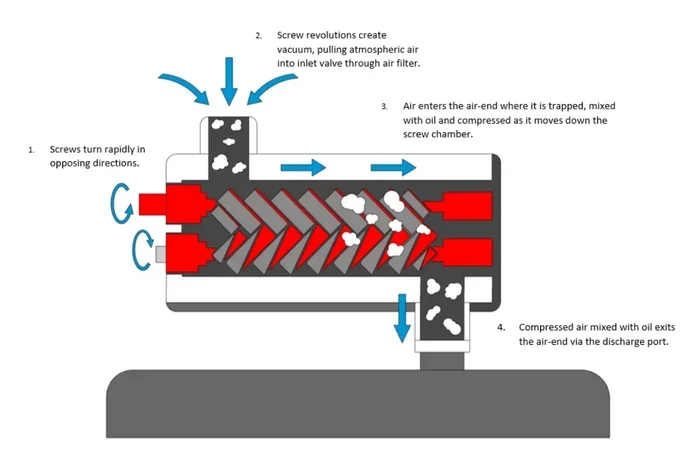
Different compressors need different formulations. A rotary screw compressor oil is formulated for the unique demands of screw-style pumps. It has special additives that handle the continuous, high-speed operation these machines produce.
Similarly, reciprocating compressor oil is designed for piston-style pumps. It handles the stop-start pressure cycles and higher operating temperatures that reciprocating models generate. Using the wrong specialty oil can reduce efficiency and increase wear.
Always check your owner’s manual before buying. The compressor oil guide inside your manual lists the exact compressor oil capacity and recommended formulation for your model. Following it keeps your warranty intact and your machine running right.
How to Choose the Right Oil Viscosity
Compressor oil viscosity refers to how thick or thin the oil is at different temperatures. This is one of the most important factors in choosing the right product. The wrong viscosity can mean poor lubrication, overheating, or wasted energy.
Understanding Viscosity Ratings
Viscosity is rated using numbers like 20, 30, or 100. These numbers come from the ISO grading system. A lower number means the oil flows more easily at low temperatures. A higher number means it stays thicker under heat.
For most home compressors, ISO 32 or ISO 46 is the sweet spot. These weights offer a good balance between cold-start flow and hot-protection. If you live in a cold climate, lean toward ISO 32. If you run your compressor in a hot garage or shop, ISO 46 or ISO 68 may be a better fit.
The key is matching compressor oil viscosity to your environment. Oil that is too thick in winter will strain the motor. Oil that is too thin in summer will not protect the pump adequately.
Matching Oil to Your Climate and Usage
Your local climate plays a bigger role than most people realize. In cold winters, oil thickens and does not circulate properly. In hot summers, oil thins and loses its protective film. Choosing a year-round oil or switching seasons helps prevent both problems.
Usage level matters just as much. A compressor that runs for 30 minutes a week has different needs than one that operates eight hours a day. Heavy use generates more heat, which breaks down oil faster. In these cases, synthetic compressor lubricant with a higher viscosity rating often delivers better results.
If you are planning a workshop setup that includes both compressor and generator power, fuel planning matters too. Our guide on how much propane does a generator use can help you estimate fuel costs for your entire shop setup.
Step-by-Step Guide to Changing Compressor Oil
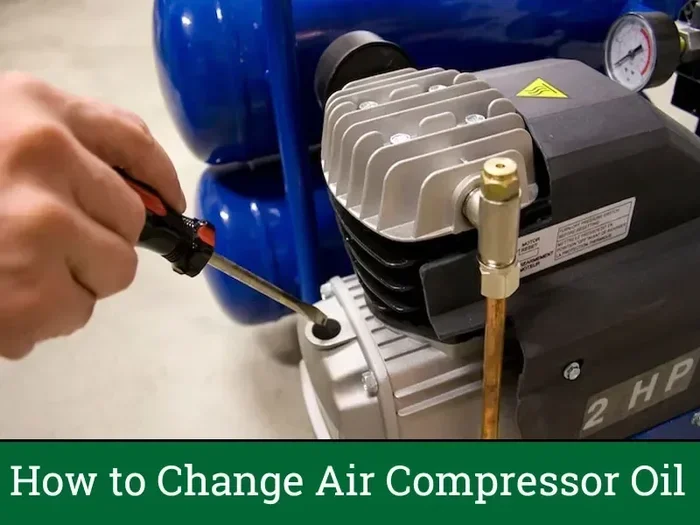
Changing your compressor oil is straightforward once you know the steps. A regular compressor oil change is one of the easiest ways to extend the life of your machine. Here is how to do it right.
When to Change Your Compressor Oil
Most manufacturers recommend changing oil every 500 to 1,000 hours of use. For the average homeowner, this translates to about every three to six months. If you use your compressor heavily, stick to the shorter interval.
Watch for warning signs too. Dark or gritty oil means it is time for a change. Unusual noise from the pump, reduced pressure, or overheating are all red flags. Catching these early prevents costly repairs and keeps your air compressor maintenance schedule on track.
What You Need for an Oil Change
Here is a simple list of what you will need:
- The correct compressor oil for your model (check your manual for compressor oil capacity)
- A wrench to remove the drain plug
- A drain pan or container for old oil
- A funnel for clean pouring
- Rags or paper towels for spills
- Gloves and safety glasses
Start by running the compressor for a few minutes. Warm oil drains faster and more completely. Then turn off the machine, unplug it, and let it cool slightly. Place your drain pan under the plug, remove it slowly, and let the old oil flow out completely.
Once drained, replace the plug securely. Use a funnel to add fresh oil to the recommended level. Do not overfill. Check the sight glass or dipstick to confirm the level is correct. Run the compressor for a minute, then check for leaks around the drain plug.
Dispose of old oil properly. Take it to a recycling center or auto parts store that accepts used oil. Never pour it down the drain or into the trash.
Common Mistakes to Avoid with Compressor Oil
Even experienced users make mistakes with compressor upkeep. Avoiding these common errors will protect your investment and keep your machine running smoothly for years.
The biggest mistake is using regular motor oil or automotive oil. These contain detergents and additives that are harmful inside a compressor pump. They create sludge, clog passages, and accelerate wear. Always use oil labeled specifically for air compressors.
Another mistake is ignoring the oil level. Running a compressor with too little oil causes dry friction and overheating. Running it with too much oil causes foaming, which reduces lubrication and can push oil into the air lines. Check the level before every use.
Skipping oil changes is a costly shortcut. Old oil loses its lubricating properties and picks up contaminants. Over time, this turns into abrasive sludge that damages pump walls. Stick to your compressor oil change schedule no matter how busy you are.
Finally, do not mix different oil types or brands without checking compatibility. Some synthetic oils do not blend well with mineral oils, and the resulting mixture may not provide adequate protection. When switching oil types, drain the old oil completely first.
Keeping Your Compressor Running Smoothly
Oil is just one piece of the air compressor maintenance puzzle. A well-maintained compressor lasts longer, runs more efficiently, and delivers consistent pressure every time.
Start with regular inspections. Check hoses, fittings, and connections for leaks before each use. A small leak wastes energy and reduces tool performance. Tighten fittings and replace worn hoses promptly.
Keep the air filter clean. A clogged filter forces the motor to work harder, which increases heat and oil consumption. Inspect the filter monthly and clean or replace it as needed.
Drain the tank after every use. Moisture from compressed air collects in the tank and can cause rust from the inside out. Open the drain valve at the bottom of the tank after each session. This simple habit prevents corrosion and extends tank life.
Store your compressor in a clean, dry area. Dust and debris clog intake vents and can contaminate the oil. A covered storage space or a simple compressor cover goes a long way toward protecting your machine.
For those who use compressors as part of a larger workshop setup, proper power management matters. If you are running tools off a backup power source, make sure your entire system is set up correctly. Learn more in our guide on how to connect a generator to your house without transfer switch for safe, code-compliant setups.
Following these simple habits alongside proper air tool lubrication and timely oil changes will keep your compressor performing at its best for many years.
Conclusion
Choosing the right oil to use in air compressor is one of the simplest things you can do for your machine’s health. The right compressor oil protects the pump, reduces heat, and keeps your tools running at full power. Whether you choose standard mineral oil or premium synthetic compressor lubricant, what matters most is that the oil matches your compressor type, your climate, and your usage level.
Stick to a regular compressor oil change schedule, avoid common mistakes like using the wrong oil type, and always check your compressor oil guide for manufacturer recommendations. These small habits add up to big savings in repair costs and machine lifespan.
Your compressor works hard for you. Give it the right air compressor oil, and it will keep delivering reliable power for years to come. Start with the tips in this guide and watch the difference in your machine’s performance.
Frequently Asked Questions
Can I use regular motor oil in my air compressor?
No. Regular motor oil contains detergents and additives that create sludge inside a compressor pump. Always use oil specifically formulated for air compressors, such as non-detergent oil or synthetic oil for compressor applications.
How often should I change the oil in my air compressor?
Most manufacturers recommend changing compressor oil every 500 to 1,000 hours of use, or roughly every three to six months for typical home use. Heavy-duty users should stick to the shorter interval and check oil quality regularly.
What is the difference between ISO 32 and ISO 46 compressor oil?
The number refers to compressor oil viscosity. ISO 32 is thinner and flows better in cold temperatures. ISO 46 is thicker and provides better protection in hot conditions. Choose based on your climate and the manufacturer’s recommendation for your compressor oil capacity.
Can I use synthetic oil in any air compressor?
Most modern compressors accept synthetic oil, but always check your owner’s manual first. Some older or specialty models may require specific formulations. When in doubt, refer to the compressor oil guide included with your machine.
What happens if I overfill my compressor with oil?
Overfilling causes oil foaming, which reduces lubrication effectiveness. Excess oil can also push into the air lines, contaminate your tools, and cause pressure issues. Always fill to the level indicated on the sight glass or dipstick.
Is oil-free compressor maintenance easier than oil-lubricated?
Oil-free compressors require less routine maintenance since you do not need to change oil. However, they typically have shorter lifespans under heavy use. Oil-lubricated compressors need regular air compressor maintenance but deliver better durability and performance for demanding tasks.