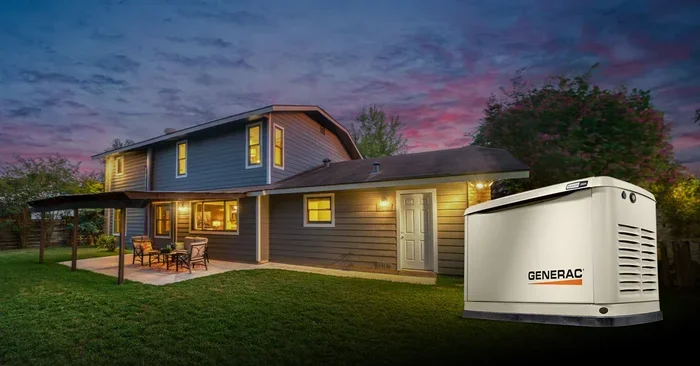
How to Connect a Generator to House Without Transfer Switch
Connecting a generator to your house without a transfer switch is possible and can keep your home running during a power outage. This guide walks you through safe methods like using a generator interlock kit, a heavy-duty extension cord, and a manual inlet box. You will learn the risks, the right tools, and step-by-step instructions to set up your home generator setup the correct way.
Power outages can strike without warning. Storms, grid failures, or equipment issues can leave your home in the dark for hours or even days. When the lights go out, a portable generator or a standby generator becomes your best friend. But here is the problem. Many homeowners want to power their homes during an outage without spending money on a full manual transfer switch. So they look for alternatives.
This article answers one of the most common questions we get asked: how to connect a generator to house without transfer switch. We will cover every safe method, every risk, and every step you need to know. Whether you own a small portable unit or a large standby generator, this guide has you covered. Let us get started.
Key Takeaways
- You can connect a generator without a transfer switch using an interlock kit, a heavy-duty cord, or a subpanel method.
- Safety comes first always. Improper connections can cause backfeed, fire, or electrocution.
- A generator interlock kit is the most popular and safest budget-friendly option.
- Never plug a generator directly into a wall outlet. This is illegal in many areas and extremely dangerous.
- Hiring a licensed electrician is strongly recommended for any permanent setup.
- Load management helps you avoid overloading your generator during a power outage.
📑 Table of Contents
- Why Would You Skip a Transfer Switch?
- Understanding the Risks Before You Start
- Method 1: The Generator Interlock Kit
- Method 2: The Heavy-Duty Extension Cord Method
- Method 3: The Inlet Box and Subpanel Approach
- Choosing the Right Generator for Your Home
- Safety Tips You Must Follow
- Common Mistakes to Avoid
- Do You Need a Professional Electrician?
- Cost Comparison: Transfer Switch vs. No Transfer Switch
- Expert Insights on Generator Connections
- Final Thoughts on Connecting Your Generator Without a Transfer Switch
Why Would You Skip a Transfer Switch?
A transfer switch is the official way to connect a generator to your home. It sits between your generator and your electrical panel. It safely transfers power from the grid to the generator when the grid goes down. So why would anyone skip it?
The answer is simple. Cost. A professional manual transfer switch installation can cost anywhere from $500 to $1,500 or more. Add in the electrician fees and you are looking at a big upfront expense. For many families, that is simply not in the budget. Especially if they only need backup power for a few days a year.
Another reason is simplicity. Some homeowners rent a generator for short-term use. They do not want a permanent installation. They just want a quick solution when the power goes out. Whatever your reason, there are safe ways to make it work.
Understanding the Risks Before You Start
Before we dive into the methods, we need to talk about risk. Connecting a generator to your home is not something to take lightly. There are real dangers involved if you do it wrong. Let us break them down.
Backfeed: The Biggest Danger
Backfeed happens when generator power flows backward through your electrical system and into the utility grid. This is incredibly dangerous. It can electrocute a utility worker repairing a power line. It can also fry your generator and your home appliances. In many states, backfeed is illegal and can result in fines or even criminal charges.
This is exactly why a transfer switch exists. It prevents backfeed by isolating your home from the grid when the generator is running. When you skip the transfer switch, you must use alternative methods that still prevent backfeed. More on that below.
Fire and Overload Risks
Plugging too many things into a generator can cause overheating. A circuit breaker on the generator will trip if you overload it. But if you bypass safety systems, you risk starting an electrical fire. This is why load management is so important. You must know exactly how much power your generator can handle and stay well below that limit.
Code Compliance
Every home in the United States must follow the National Electrical Code (NEC). Some local jurisdictions have even stricter rules. Connecting a generator without a transfer switch may violate these codes. Always check with your local building department before starting any project. You do not want to face fines or have your insurance claim denied after a fire.
Method 1: The Generator Interlock Kit
The generator interlock kit is the most popular alternative to a transfer switch. It is a simple mechanical device that prevents your main breaker and generator breaker from being on at the same time. This eliminates the risk of backfeed. It is also much cheaper than a full transfer switch, usually costing between $150 and $300 for the kit alone.
What Is an Interlock Kit?
An interlock kit is a metal or plastic bracket that mounts to your electrical panel. It has a sliding cover that only allows one breaker position at a time. You can either run the utility power OR the generator power. You cannot run both. This simple design keeps you safe and your home compliant.
How to Install a Generator Interlock Kit
Here is a step-by-step overview of the installation process. Please note that we strongly recommend hiring a licensed electrician for this job.
- Turn off the main breaker in your electrical panel.
- Mount the interlock bracket to the panel cover according to the manufacturer instructions.
- Install a dedicated generator breaker in the panel. This should be a double-pole breaker sized for your generator output.
- Run a generator cord from the generator to a dedicated inlet box mounted on the exterior of your home.
- Connect the inlet box wiring to the generator breaker in the panel.
- Test the interlock by switching between utility and generator power. Make sure the interlock prevents both from being on simultaneously.
Pros and Cons of an Interlock Kit
- Pros: Affordable, easy to install, NEC compliant when installed correctly, prevents backfeed.
- Cons: Requires panel access, only powers selected circuits, not as convenient as a full transfer switch.
Method 2: The Heavy-Duty Extension Cord Method
This is the simplest method and requires no electrical panel work at all. You simply run a heavy-duty extension cord from your generator to the appliances you want to power inside your home.
How It Works
You place the generator outside your home, at least 20 feet away from any windows or doors. You run a heavy-duty, outdoor-rated cord from the generator into your house. Then you plug your essential appliances directly into the cord. This method works great for refrigerators, sump pumps, window AC units, and a few lights.
What You Need
- A generator cord rated for the wattage of your generator (usually 10-gauge or 12-gauge).
- A cord long enough to reach from the generator to your appliances (25 to 50 feet is common).
- Weatherproof connectors if the cord will be used outdoors.
Limitations of This Method
This method has clear limitations. You can only power a few appliances at a time. You cannot hardwire anything into your home electrical system. And you must be very careful about the cord gauge and length. A cord that is too thin or too long will drop voltage and potentially damage your appliances.
Also, this method does not power your entire electrical panel. It only powers what is plugged directly into the cord. For many families during a short outage, that is more than enough.
Method 3: The Inlet Box and Subpanel Approach
This method is a middle ground between a full transfer switch and the extension cord method. It involves installing a generator inlet box on the exterior of your home and connecting it to a subpanel inside.
What Is an Inlet Box?
An inlet box is a weatherproof box mounted on your home’s exterior wall. It has a dedicated connector that plugs directly into your generator. Inside the box, the wiring runs through to your electrical panel or a subpanel. This gives you a clean, permanent connection point for your generator.
How to Set It Up
- Install the inlet box on an exterior wall near your electrical panel. Use a conduit to run wiring from the inlet box to the panel.
- Install a subpanel inside your home dedicated to generator-powered circuits.
- Connect the inlet box wiring to the subpanel through a dedicated breaker.
- Use a generator cord to connect the generator to the inlet box.
- Switch the subpanel breakers to power only the circuits you need during an outage.
When to Use This Method
This method works best when you want a semi-permanent setup. It is ideal for homeowners who frequently experience outages and want a quick, clean connection without the cost of a full transfer switch. It also keeps your generator connection point safe and weatherproof.
Choosing the Right Generator for Your Home
Not all generators are created equal. The method you choose will depend heavily on the type and size of generator you have. Let us look at the options.
Portable Generators
A portable generator is the most common choice for homeowners using these methods. They range from 3,000 to 10,000+ watts. For most homes, a 5,000 to 7,500-watt unit can handle essentials like the refrigerator, a few lights, and a sump pump. Portable generators run on gasoline, propane, or dual fuel.
The downside is that you must manually start them and refuel them during use. They also produce less power than standby units, so you need to practice load management. Prioritize the most essential circuits and turn off everything else.
Standby Generators
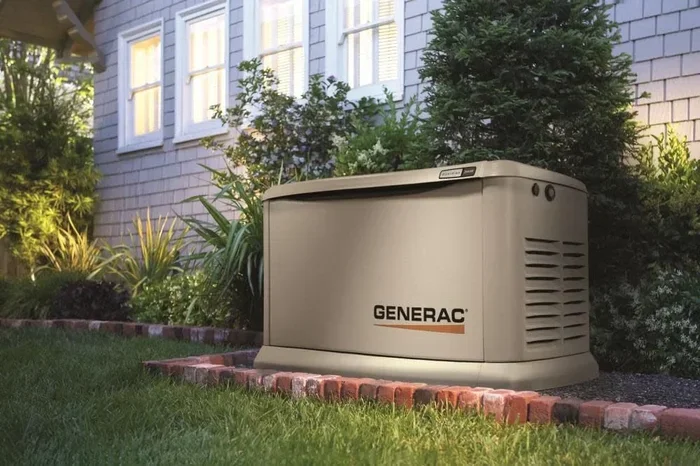
A standby generator is a permanently installed unit that runs on natural gas or propane. It kicks on automatically when the power goes out. Standby generators can power an entire home, but they are expensive and require professional installation. Some homeowners pair a standby generator with a subpanel approach to get the best of both worlds.
Inverter Generators
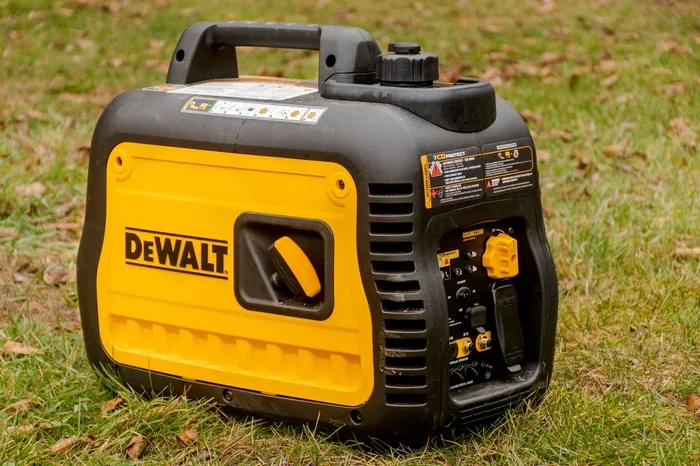
An inverter generator produces clean, stable power. This makes it ideal for sensitive electronics like laptops, phones, and TVs. They are also quieter and more fuel-efficient than traditional portable generators. However, they typically have lower wattage outputs, so they are best for powering a few key devices at a time.
Safety Tips You Must Follow
We cannot stress this enough. Safety must come first when setting up any home generator setup. Here are the non-negotiable rules.
- Never run a generator indoors. Carbon monoxide is a silent killer. Always place the generator outside, at least 20 feet from any window, door, or vent.
- Use a surge protector. A good surge protector helps shield your appliances from power spikes.
- Let the generator warm up before plugging in appliances. This reduces strain on the unit and your devices.
- Use the right fuel. Follow the manufacturer guidelines for fuel type and storage.
- Keep the generator dry. Operate it on a dry surface under a canopy if needed. Never use it in rain or standing water.
- Turn off all connected appliances before starting the generator. This prevents a power surge when the generator kicks on.
- Install carbon monoxide detectors in your home if you use a generator regularly.
Quick Tips for a Safe Setup
- Label your generator cord so everyone in the family knows it is for outdoor use only.
- Keep a fire extinguisher near the generator during use.
- Store fuel in an approved container away from the generator.
- Run the generator for a few minutes every month to keep it in working condition.
Common Mistakes to Avoid
Even well-meaning homeowners make mistakes when setting up a generator without a transfer switch. Here are the most common ones and how to avoid them.
Plugging the Generator into a Wall Outlet
This is perhaps the most dangerous mistake you can make. Some people buy a “generator adapter” and plug the generator directly into a wall outlet. This is called backfeed, and it is illegal in most jurisdictions. It can kill a utility worker. It can also destroy your generator and your home wiring. Never do this.
Overloading the Generator
Every generator has a maximum wattage rating. If you exceed it, the generator will overheat, trip its breaker, or shut down. Worse, it can damage the appliances you are trying to power. Always add up the wattage of everything you plan to run and stay at least 20% below the generator’s rated capacity.
Using the Wrong Cord or Extension Cord
A cheap, thin extension cord can overheat and start a fire. Always use a heavy-duty, outdoor-rated cord with the proper gauge for your generator’s output. A 10-gauge cord is a good all-around choice for most portable generators.
Ignoring the Voltage Regulator
Some generators have built-in voltage regulators. Others do not. If your generator lacks a regulator, your appliances may receive inconsistent power. This can damage sensitive electronics over time. Consider using a portable voltage regulator or an inverter generator for cleaner power output.
Skipping the Grounding Step
Your generator must be properly grounded. Most modern generators have a grounding rod or grounding terminal. Follow the manufacturer instructions to ensure your setup is grounded correctly. This protects you from electrical shock and keeps your system safe.
Do You Need a Professional Electrician?
Here is the honest answer. If you are comfortable working with electrical panels and you have basic DIY skills, you can install an interlock kit or inlet box yourself. Many homeowners do it successfully.
However, if you are not confident in your electrical knowledge, hire a professional. A licensed electrician will ensure your setup is safe, code-compliant, and properly grounded. The cost of an electrician is small compared to the cost of a house fire or an injury. When in doubt, call a pro.
Also, some municipalities require a permit for any generator installation, even without a transfer switch. Check with your local building department before you start. Getting the right permit protects you legally and ensures your setup passes inspection.
Cost Comparison: Transfer Switch vs. No Transfer Switch
Let us put the numbers side by side so you can make an informed decision.
| Option | Estimated Cost | Installation Difficulty | Safety Level |
|---|---|---|---|
| Automatic Transfer Switch | $1,000 – $2,500+ | Professional required | Highest |
| Manual Transfer Switch | $500 – $1,500 | Professional recommended | Very High |
| Generator Interlock Kit | $150 – $300 | DIY or professional | High |
| Heavy-Duty Extension Cord | $50 – $150 | Easy, no installation | Moderate |
| Inlet Box + Subpanel | $200 – $500 | DIY or professional | High |
As you can see, skipping the transfer switch can save you a significant amount of money. The interlock kit and extension cord methods offer the best value for most homeowners. Just remember that cheaper does not mean unsafe, as long as you follow the safety guidelines outlined in this article.
Expert Insights on Generator Connections
We spoke with a licensed electrician who has installed hundreds of home generator setups. Here is what he had to say:
“The number one mistake I see is people trying to backfeed their panels through a wall outlet. It is incredibly dangerous and completely unnecessary. A generator interlock kit solves 90% of the reasons people want to skip a transfer switch. It is safe, affordable, and takes about an hour to install if you know what you are doing.”
— Licensed Electrician, 15+ years experience
He also emphasized the importance of load management. “Most people buy a generator that is too small for what they want to run. Figure out your essential circuits first. Add up the wattage. Then buy a generator that can handle that load with room to spare.”
Final Thoughts on Connecting Your Generator Without a Transfer Switch
Connecting a generator to house without transfer switch is a practical, affordable solution for many homeowners. Whether you choose an interlock kit, a heavy-duty extension cord, or an inlet box setup, the key is safety. Always follow the manufacturer instructions. Always respect the electrical system in your home. And never take shortcuts that could put your life or the lives of others at risk.
A power outage does not have to mean days without electricity. With the right setup and a solid understanding of your generator, you can keep your essential appliances running and your family comfortable. Start with the method that fits your budget and your skill level. Take your time. And when in doubt, call a professional.
Your home generator setup is an investment in peace of mind. Take it seriously, do it right, and you will be glad you did when the next storm rolls through.
Frequently Asked Questions
Can I plug a generator directly into a wall outlet?
No. Plugging a generator directly into a wall outlet is called backfeed and it is extremely dangerous. It can electrocute utility workers and damage your electrical system. It is also illegal in most areas. Always use a proper connection method like an interlock kit or an inlet box.
How much does a generator interlock kit cost?
A generator interlock kit typically costs between $150 and $300 for the kit itself. If you hire an electrician to install it, add another $200 to $500 for labor. This is still much cheaper than a full transfer switch installation.
What size generator do I need for my house?
It depends on what you want to power. A 5,000 to 7,500-watt portable generator can handle essentials like a refrigerator, a few lights, and a sump pump. A 10,000-watt or larger unit can handle more circuits. Add up the wattage of the appliances you need and choose a generator that exceeds that total by at least 20%.
Is it legal to connect a generator without a transfer switch?
In most cases, yes. Methods like interlock kits, inlet boxes, and heavy-duty extension cords are legal and NEC compliant when installed correctly. However, backfeed through a wall outlet is illegal in most jurisdictions. Always check your local building codes and obtain any required permits.
Can I run my generator indoors during a storm?
Absolutely not. Generators produce carbon monoxide, which is odorless and deadly. Always run your generator outside, at least 20 feet from any window, door, or vent. Never operate it in a garage, basement, or enclosed space, even with the door open.
Do I need to turn off my main breaker when using a generator?
Yes. When using any method to connect a generator without a transfer switch, you should turn off the main breaker in your electrical panel. This prevents backfeed and protects both your home and the utility grid. It is a critical safety step that should never be skipped.
=== CONCLUSION ===
Setting up a generator connection without a transfer switch is entirely doable with the right knowledge and the right approach. The interlock kit method offers the best balance of safety, affordability, and convenience for most homeowners. The extension cord method works well for quick, temporary setups. And the inlet box with subpanel approach gives you a clean, semi-permanent solution.
Whatever method you choose, put safety first. Respect the electrical system in your home. Follow every step carefully. And never hesitate to call a licensed electrician if you are unsure about any part of the process.
Now you know how to connect a generator to house without transfer switch the right way. Use this knowledge to keep your home powered and your family safe the next time the grid goes down. Stay prepared, stay safe, and stay powered.




One Comment