What Are Oscillating Tools Used For And Why You Need One
An oscillating tool is a versatile power tool that uses rapid back-and-forth motion to cut, sand, scrape, and grind a wide range of materials. Whether you are tackling home renovations, trimming wood, removing grout, or sanding curved surfaces, an oscillating tool delivers precision and control that few other tools can match. These tools are essential for both professionals and DIY enthusiasts because they handle tasks that would otherwise require multiple separate tools.
Key Takeaways
- Versatility: One oscillating tool replaces several tools like saws, sanders, and scrapers.
- Precision Cutting: The short oscillating stroke allows for flush cuts and tight spaces.
- Wide Range of Blades: Different blades let you cut wood, metal, plastic, and more.
- Low Vibration: Oscillating tools produce less vibration than rotary tools, reducing user fatigue.
- Ideal for Detail Work: Perfect for trim work, grout removal, and sanding curves.
- Builds Topical Authority: Understanding oscillating tools connects to broader knowledge of building maintenance tools and productivity tools for work.
📑 Table of Contents
- What Is an Oscillating Tool?
- Top Uses for Oscillating Tools
- Types of Oscillating Tool Blades and Accessories
- Benefits of Using an Oscillating Tool
- How to Choose the Right Oscillating Tool
- Common Mistakes to Avoid When Using Oscillating Tools
- Expert Tips for Getting the Most from Your Oscillating Tool
- Conclusion
What Is an Oscillating Tool?
An oscillating tool is a handheld power tool that moves its attachment back and forth in a very quick, small arc. This motion is called oscillation. The tool does not spin like a drill or rotate like a saw blade. Instead, it vibrates rapidly, which creates the cutting or grinding action.
These tools are often called multi-tools because they can do so many different jobs. You swap out the attachment or blade, and suddenly the same tool can cut wood, sand metal, scrape grout, or grind plastic. The versatility of an oscillating tool makes it one of the most useful additions to any toolbox.
The concept is simple. A small motor drives a mechanism that moves the attachment side to side, usually at speeds between 10,000 and 30,000 oscillations per minute. This rapid movement generates enough friction or cutting force to work through many materials without causing the kind of damage that spinning tools sometimes create.
If you have ever struggled to make a cut in a tight corner or needed to remove old caulking without damaging the surrounding surface, you know why oscillating tools matter. They solve problems that other power tools simply cannot handle as well.
Top Uses for Oscillating Tools
The range of tasks an oscillating tool can handle is impressive. Here are the most common and practical uses that make this tool a must-have.
Cutting Wood and Trim
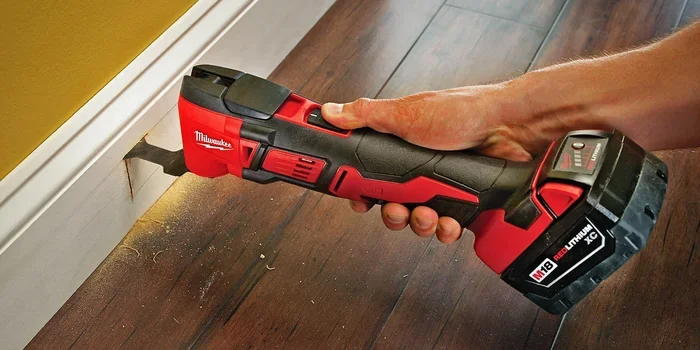
Oscillating saw blades can make flush cuts in wood, which means cutting a nail or dowel perfectly level with the surface. This is incredibly useful for trim work. Baseboards, crown molding, and door casings often have nails or screws hidden beneath them. An oscillating tool lets you cut right over them without damaging the wall or floor.
For DIY home improvement projects, this capability is a game changer. You no longer need to pry off trim, make the cut, and then reattach it. Just slide the oscillating blade under the piece and cut flush. The short stroke length prevents the blade from wandering, giving you clean, accurate cuts.
Sanding Surfaces
Sanding attachments turn your oscillating tool into a powerful sander. The small, controlled strokes work well on curved surfaces, tight corners, and edges where a standard orbital sander cannot reach. Furniture makers and woodworkers use oscillating sanders for detailed finishing work.
You can also use sanding pads to smooth out rough spots on drywall, remove old paint from window frames, or prep surfaces for painting. The key advantage is control. Because the tool does not spin, it is much less likely to gouge or dig into the material.
Scraping and Removing Materials
Scraping blades and grout removal attachments are among the most popular uses for oscillating tools. Removing old grout from between tiles is tedious work with a manual scraper, but an oscillating tool makes it faster and easier. The blade slides right into the grout lines and chips away the old material without damaging the tiles.
You can also scrape away old adhesive, caulk, paint, and even rust. In home renovation projects, this saves hours of manual labor. The right scraping blade turns a frustrating job into a quick task.
Grinding and Cutting Metal
With the right blade, an oscillating tool can cut through thin metal, bolt heads, and screws. Grinding wheels allow you to smooth rough metal edges or remove burrs from cut pieces. This makes the tool valuable for metalworking and automotive repairs.
Plumbers and electricians often carry oscillating tools on the job because they can cut through pipe hangers, nails, and brackets quickly. The precision of the tool means you can make cuts in tight spaces without worrying about damaging nearby pipes or wires.
Demolition and Renovation Work
During demolition, oscillating tools shine. You can cut through drywall, remove old screws, and strip away damaged materials with ease. The tool’s compact size lets you work in confined spaces like closets, cabinets, and behind appliances.
For renovation projects, the ability to make precise cuts without disturbing surrounding materials is invaluable. Whether you are updating a kitchen, remodeling a bathroom, or refinishing hardwood floors, an oscillating tool handles a wide range of demolition and prep tasks.
Types of Oscillating Tool Blades and Accessories
One of the biggest reasons oscillating tools are so versatile is the wide variety of blades and accessories available. Here is a breakdown of the most common types.
Wood Cutting Blades
Wood cutting blades have teeth designed for fast, clean cuts in wood and wood composites. They come in different tooth counts for rough cuts or fine finishing. A blade with fewer teeth removes material quickly, while a blade with more teeth gives a smoother finish.
Metal Cutting Blades
Metal cutting blades use a fine-tooth design to cut through steel, aluminum, copper, and other metals. These blades are thinner than wood-cutting blades, which allows them to fit into tight gaps. Always use the right blade for the metal thickness to avoid blade breakage.
Sanding Pads and Sheets
Sanding pads attach directly to the oscillating tool base. They come in various grits, from coarse for material removal to fine for smoothing. Hook-and-loop sandpaper sheets are the most common type and are easy to swap out when worn.
Scraping and Grout Blades
Flat scraping blades work well for removing adhesive, paint, and caulk. Grout removal blades have a specialized shape that fits into tile grout lines. These blades are typically made from hardened steel or carbide for durability.
Flush Cut and Detail Blades
Flush cut blades have a flat back, which lets you slide them under materials without scratching the surface. Detail blades are narrow and pointed, making them ideal for tight spaces and intricate cuts. Both types are essential for precision work.
Benefits of Using an Oscillating Tool
Understanding the benefits of an oscillating tool helps you see why it has become a staple in toolboxes around the world.
Versatility
As mentioned, one oscillating tool replaces many single-purpose tools. Instead of buying a separate sander, saw, and scraper, you invest in one tool and a collection of blades. This saves money and storage space. It also means you are always prepared for different tasks on the job site or in the workshop.
For professionals, this versatility translates directly into efficiency. For DIYers, it means fewer tool purchases and more confidence tackling a wider range of projects.
Precision and Control
The short oscillation stroke gives you excellent control over the tool. You can make very precise cuts in tight spaces without worrying about the tool drifting or biting too deep. This makes oscillating tools ideal for detail work, trim installation, and finish carpentry.
Compared to a rotary tool, which spins and can be harder to control, an oscillating tool feels more stable and predictable. The motion stays within a small arc, so there is less chance of accidentally cutting into areas you want to preserve.
Reduced Vibration
Long-term use of power tools can cause hand fatigue and even long-term health issues like vibration white finger. Oscillating tools produce significantly less vibration than rotating or hammering tools. This means you can work for longer periods comfortably.
Less vibration also means cleaner cuts. When a tool shakes less, the blade stays on track, and you get better results with less sanding or cleanup afterward.
Compact Size
Most oscillating tools are compact and lightweight. They fit easily into tight spaces where larger tools simply cannot reach. This is especially useful for plumbing jobs, electrical work, and cabinetry where space is limited.
The small footprint also makes them easy to store and transport. You can keep one in a drawer or a small toolbox without taking up much room.
How to Choose the Right Oscillating Tool
Not all oscillating tools are the same. Here are the key factors to consider when choosing one for your needs.
Motor Power
Oscillating tools come with motors ranging from about 1 amp to 4 amps. Higher amp motors cut through tougher materials faster and with less effort. For light household tasks like sanding or scraping, a 1.5 to 2 amp tool is usually sufficient. For heavy-duty cutting or professional use, look for a tool with 3 amps or more.
Speed Settings
Variable speed control is a valuable feature. Different materials and tasks require different speeds. Cutting metal works best at lower speeds, while sanding benefits from higher speeds. A tool with adjustable speed gives you more control and better results across a wider range of tasks.
Blade Change System
Look for a tool with a quick and easy blade change system. Some models use a tool-free system where you simply slide the blade out and click a new one in. Others require an Allen wrench or hex key. The tool-free system saves time and frustration, especially when you need to swap blades frequently.
Brand Reputation and Warranty
Well-known brands like Fein, Milwaukee, Bosch, and DeWalt offer reliable oscillating tools with strong warranty support. Reading reviews and checking warranty terms helps you make a confident purchase. Investing in a reputable brand means better build quality and longer tool life.
Common Mistakes to Avoid When Using Oscillating Tools
Even though oscillating tools are user-friendly, there are common mistakes that can reduce their effectiveness or cause damage.
Using the Wrong Blade
Using a wood-cutting blade on metal or vice versa can damage both the blade and the material. Always match the blade to the material you are working with. Using the wrong blade also wears out the tool faster and can be dangerous.
Applying Too Much Pressure
Oscillating tools work best when you let the tool do the work. Pressing too hard slows the blade, causes overheating, and can break the blade. Apply gentle, consistent pressure and let the tool cut at its own pace.
Ignoring Blade Wear
Dull blades cut poorly and can cause the tool to vibrate excessively. Check your blades regularly and replace them when they show signs of wear. A sharp blade cuts faster, cleaner, and safer.
Skipping Safety Gear
Always wear safety glasses and gloves when using an oscillating tool. Small particles and debris can fly off during cutting and scraping. Ear protection is also recommended for extended use, especially in noisy environments.
Expert Tips for Getting the Most from Your Oscillating Tool
Here are some practical tips from experienced users and professionals that will help you get better results.
- Start with a lower speed: Begin at a slower speed to control the cut, then increase speed gradually as needed.
- Use painter’s tape: Place tape along your cut line to prevent scratching the surrounding surface.
- Keep blades clean: Wipe blades after each use to remove resin and debris, which extends blade life.
- Invest in quality blades: Cheap blades dull quickly and can break. Quality blades cut better and last longer.
- Mark your cut lines clearly: Use a pencil or marker to guide your cuts, especially for flush cutting.
- Store blades properly: Keep blades in a case or pouch to prevent damage and keep them organized.
- Practice on scrap material first: Before tackling your project piece, test the blade and speed on a scrap piece to get a feel for the tool.
If you want to explore how different tools serve specific purposes in a professional workflow, you can check out process workflow tools for insights on integrating the right equipment into your routine. Similarly, understanding the broader category of building maintenance tools helps you see where oscillating tools fit into your overall toolkit.
Conclusion
An oscillating tool is one of the most versatile and useful power tools you can own. From cutting wood and metal to sanding, scraping, and grinding, this single tool handles a wide range of tasks with precision and ease. Whether you are a professional contractor or a weekend DIYer, adding an oscillating tool to your collection will save you time, effort, and money.
The key is choosing the right tool for your needs, using the correct blades for each job, and following proper safety practices. With the tips and guidance in this article, you are well equipped to make the most of your oscillating tool and tackle projects with confidence.
If you are looking to expand your toolkit with essential equipment, understanding what tools serve what purpose is crucial. Check out productivity tools for work to learn how the right equipment boosts efficiency. And for more insights on signal generators and their uses, explore related content that broadens your technical knowledge.
The bottom line is simple: an oscillating tool earns its place in every toolbox. It is practical, powerful, and endlessly useful. Once you start using one, you will wonder how you ever managed without it.
Frequently Asked Questions
Can an oscillating tool cut through nails?
Yes, oscillating tools can cut through nails and screws. Flush-cut blades are specifically designed to slide under materials and cut nails flush with the surface. This makes them perfect for trim work where you need to cut over existing fasteners without damaging the surrounding area.
Is an oscillating tool the same as a multi-tool?
Yes, oscillating tools are commonly referred to as multi-tools because they accept many different attachments and blades. The term “multi-tool” refers to the tool’s versatility in handling cutting, sanding, scraping, and grinding tasks with a single machine.
What materials can an oscillating tool cut through?
An oscillating tool can cut through wood, wood composites, thin metal, plastic, drywall, and laminate. With the right blade, you can also sand, scrape, and grind these materials. The key is selecting the correct blade and speed for each specific material.
Are oscillating tools safe for beginners?
Yes, oscillating tools are generally safe for beginners. They produce less vibration than many power tools and have a controlled, short stroke that reduces the risk of accidental damage. However, beginners should always wear safety gear and practice on scrap material before working on their actual project.
How do I know which blade to use for a specific task?
Match the blade to the material and the task. Wood cutting blades are for wood, metal cutting blades are for metal, sanding pads are for smoothing surfaces, and scraping blades are for removing grout, adhesive, or paint. Most oscillating tool manufacturers provide guide charts to help you choose the right blade.
How long do oscillating tool blades last?
Blade life depends on the material you are cutting and how often you use the tool. On average, a quality blade can last between 10 and 30 hours of active use. Cutting harder materials like metal will wear blades faster than cutting softer materials like wood. Keeping blades clean and using the correct speed extends their life.