Water Powered Generator How It Works And Why You Need One
A water powered generator uses flowing or falling water to create electricity. It is a clean, renewable energy source that can lower your bills and reduce your impact on the environment. Whether you want off-grid power or a backup system, a water driven generator is a reliable and efficient option.
Key Takeaways
- How It Works: A water powered generator converts the kinetic energy of moving water into electrical energy using turbines and magnets.
- Renewable and Clean: Hydropower produces no harmful emissions, making it one of the best green energy choices available.
- Cost Savings: Once installed, a waterwheel electricity system can significantly reduce or even eliminate your electric bill.
- Multiple Types: Options include micro hydro systems, water wheel generators, and portable water powered pumps for different needs.
- Backup Power: A water driven generator offers dependable energy during outages, especially when paired with battery storage.
- Easy Maintenance: These systems have few moving parts and last for decades with basic care.
📑 Table of Contents
- What Is a Water Powered Generator?
- How Does a Water Powered Generator Work?
- Types of Water Powered Generators
- Why You Need a Water Powered Generator
- How to Choose the Right Water Powered Generator
- Installation Tips for Your Water Powered Generator
- Water Powered Generator vs Other Generator Types
- Common Mistakes to Avoid
- Is a Water Powered Generator Right for You?
- Final Thoughts
What Is a Water Powered Generator?
A water powered generator is a device that turns the energy of moving water into usable electricity. Think of a river, a stream, or even a garden hose with strong pressure. All of that moving water carries energy. A generator captures that energy and converts it into power you can use at home.
This concept is not new. People have used water wheels for grinding grain and powering mills for hundreds of years. Today, we use the same basic idea to generate electricity. The process is simple, clean, and incredibly effective.
The term hydropower covers many types of water-based energy systems. A water powered generator is just one form of it. You might also hear people call it a water driven generator or a micro hydro system. They all mean the same thing: using water to make power.
If you are looking for a way to cut your energy costs or gain off-grid power, this is one of the best options out there. It works day and night, as long as water keeps flowing.
How Does a Water Powered Generator Work?
The science behind a water powered generator is easier than you might think. Let us break it down step by step so anyone can understand it.
Step 1: Water Flow Creates Kinetic Energy
Water moving through a pipe or down a stream has kinetic energy. The faster it moves and the more water there is, the more energy it carries. This is the fuel for your generator. No fuel, no fumes, no noise. Just water.
Step 2: The Turbine Spins
That moving water hits a turbine. A turbine looks like a fan with blades. When water flows past the blades, they spin. The water flow rate and head pressure determine how fast the turbine spins. More pressure and more flow mean more spinning. More spinning means more electricity.
Step 3: The Generator Produces Electricity
Inside the generator, the spinning turbine turns a shaft connected to a magnet. That magnet spins inside a coil of wire. This creates an electrical output through a process called electromagnetic induction. The electricity then flows into your home or battery bank.
Step 4: Power Your Home or Devices
The electricity produced can power lights, appliances, tools, and more. Many people connect their system to a battery bank or the local grid. This way, you can store extra energy for later use or even sell it back to your utility company.
Types of Water Powered Generators
Not all water powered systems are the same. Different setups work for different situations. Here are the most common types you will come across.
Micro Hydro Systems
A micro hydro system is a small-scale setup perfect for rural properties and small streams. These systems can produce anywhere from a few hundred watts to several kilowatts. They work best where there is a consistent water source and some head pressure, meaning the water drops from a higher point to a lower one.
Micro hydro is one of the most energy efficient renewable options available. It can run 24 hours a day, 7 days a week, as long as water flows. That makes it a top choice for sustainable energy enthusiasts.
Water Wheel Generators
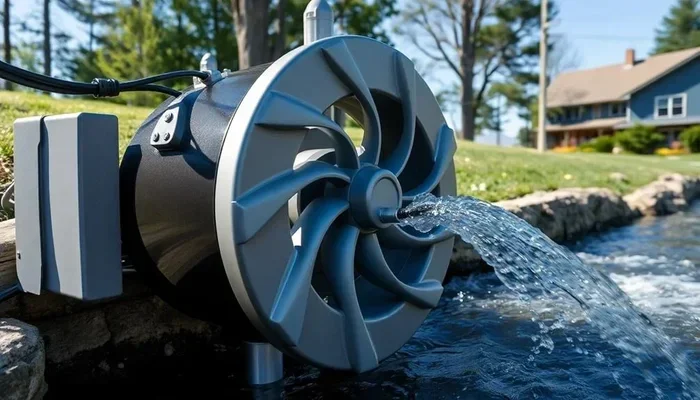
A water wheel generator uses an oversized wheel placed in a stream or river. The current pushes the wheel, and the wheel turns the generator. These are great for low-head situations where the water does not drop very far. They are also visually appealing and fun to watch.
Water wheel systems are popular among hobbyists and homesteaders. They are simple to build and maintain. If you want a hands-on project that delivers real renewable energy, this is a great place to start.
Pelton Wheel Turbines
Pelton wheels are designed for high-head, low-flow situations. The water shoots through a nozzle and hits spoon-shaped buckets on the wheel. This design extracts maximum energy from the water. Pelton wheels are often used in larger hydro systems and can produce significant electrical output.
Portable Water Generators
Some generators are small enough to carry with you. A portable water powered pump or mini hydro unit can charge batteries or run small devices while camping or during emergencies. These are perfect for backup power on the go.
Why You Need a Water Powered Generator
Still not sure if a water powered generator is right for you? Let us look at the biggest reasons people make the switch.
Clean and Renewable Energy
Unlike gas or diesel generators, a water driven system produces zero emissions. It does not burn fuel. It does not release carbon monoxide or greenhouse gases. It is one of the cleanest forms of green energy you can use.
By choosing hydropower, you are helping reduce your carbon footprint. You are also supporting sustainable energy that will never run out as long as the water keeps flowing.
Significant Cost Savings
Electricity costs keep rising every year. A water powered generator can slash your monthly bill or eliminate it entirely. Once the system is installed, the fuel is free. Water flows naturally, and you do not pay for it.
Over time, the savings add up fast. Many homeowners recover their investment within just a few years. After that, every kilowatt is pure savings.
Reliable Backup Power
When storms knock out the grid, a gas generator needs fuel. A water powered generator just needs water. As long as your stream or creek keeps flowing, you have power. This makes it an incredibly reliable source of backup power for homes and farms.
If you already use a whole house generator, adding a water powered system gives you another layer of protection. You can read more about how long a whole house generator lasts here to compare options.
Low Maintenance and Long Lifespan
Water powered generators have fewer moving parts than gas or diesel generators. That means less wear and tear. Most systems last 20 to 30 years or more with basic maintenance. A quick inspection now and then keeps everything running smoothly.
There are no oil changes, no spark plugs, and no fuel filters to worry about. Just clean water and a well-maintained turbine. It really is that simple.
How to Choose the Right Water Powered Generator
Picking the right system depends on your specific situation. Here are the key factors to consider before you buy.
Check Your Water Source
Do you have a stream, river, creek, or even a strong garden hose? The type and size of your water source will determine what kind of system you need. A small creek might work great for a micro hydro setup. A large river can power a bigger turbine.
Measure your water flow rate and head pressure. These two numbers tell you how much power you can expect. More flow and more head mean more electricity.
Decide on Grid-Tied or Off-Grid
Do you want to connect your system to the local grid or go completely off-grid? Grid-tied systems let you sell extra power back to the utility company. Off-grid systems require a battery bank to store energy for later use.
If you are planning to run your entire house on water power, you will need a system that matches your daily energy use. For guidance on running a generator to power your home, check out this guide on how to run a generator to house.
Consider Your Budget
Small portable units can cost a few hundred dollars. Larger permanent systems can run several thousand. The good news is that most systems pay for themselves over time through energy savings. Think of it as an investment in your future.
Look at the Electrical Output
Every generator has a rated electrical output. Make sure the system you choose can produce enough watts for your needs. A small cabin might only need 500 watts. A full house could need 5,000 watts or more. Match the system to your demand.
Installation Tips for Your Water Powered Generator
Installing a water powered generator is easier than you might think. Here are some practical tips to help you get started on the right foot.
Pick the Right Location
Place your intake where the water is clean and flows steadily. Avoid areas with lots of debris, leaves, or sediment. A pre-filter screen will help keep trash out of the turbine and extend the life of your system.
Make sure the location has enough head pressure to spin the turbine effectively. Even a small drop of a few feet can generate useful power if the flow rate is high enough.
Use Quality Pipes and Fittings
The pipe that carries water to your turbine matters. Use PVC or steel pipes that can handle the pressure. Smaller diameter pipes increase velocity but reduce flow. Larger pipes carry more water but may lose pressure over long distances. Find the right balance for your setup.
Connect to a Charge Controller
A charge controller protects your batteries from overcharging. It also regulates the voltage and keeps your system running safely. This is especially important for off-grid setups where you store energy in battery banks.
Hire a Professional if Needed
While small systems are great DIY projects, larger installations may need a licensed electrician. Wiring a generator to your home panel requires knowledge of local codes and safety standards. Always check with your local building authority before starting a major installation.
Water Powered Generator vs Other Generator Types
How does a water powered generator compare to other common options? Let us look at the numbers.
| Feature | Water Powered | Gas Powered | Solar Powered |
|---|---|---|---|
| Fuel Source | Flowing water | Gasoline or propane | Sunlight |
| Emissions | None | High | None |
| Running Cost | Very low | High (fuel cost) | Very low |
| 24/7 Operation | Yes (with water flow) | Yes (with fuel) | No (daytime only) |
| Maintenance | Low | Medium to high | Low |
| Noise Level | Very quiet | Loud | Silent |
| Lifespan | 20-30 years | 10-15 years | 20-25 years |
As you can see, a water powered generator offers a unique mix of reliability, low cost, and clean operation. It is hard to beat for long-term energy efficiency. For more information on fuel usage and costs, you can explore how much propane a 20kw generator uses per hour here.
Common Mistakes to Avoid
Even with a simple system, mistakes can happen. Here are a few to watch out for.
- Ignoring water flow seasonality. Some streams dry up in summer. Plan for low-flow periods and size your system accordingly.
- Skipping the pre-filter. Debris can damage your turbine and reduce efficiency. Always use a screen or filter at the intake.
- Undersizing the system. If you buy a unit that is too small, you will not meet your energy needs. Calculate your usage first.
- Neglecting maintenance. Even low-maintenance systems need occasional checks. Inspect your pipes, turbine, and connections regularly.
- Not checking local regulations. Some areas require permits for water-based energy systems. Always check before you install.
Avoiding these mistakes will save you time, money, and frustration. A well-planned installation gives you years of trouble-free power.
Is a Water Powered Generator Right for You?
A water powered generator is a fantastic choice if you have access to a reliable water source. It works for homesteaders, cabin owners, farmers, and anyone who wants clean, affordable, and dependable energy. The initial setup takes some effort, but the long-term rewards are well worth it.
If you live in an area prone to power outages, this is an excellent addition to your energy plan. You can pair it with a battery bank or even a traditional generator for maximum reliability. For residents in areas like Miami, local generator experts can help you find the right setup. Learn more about generator options in Miami to explore your choices.
The world is shifting toward sustainable energy. Water power is a proven technology that has been around for centuries. It is time to put it to work for you. Whether you want to reduce your bills, gain off-grid power, or simply help the planet, a water driven generator is a smart and practical choice.
Final Thoughts
A water powered generator is one of the simplest and most effective ways to harness renewable energy. It uses something we all have access to: water. The technology is proven, the costs are low over time, and the environmental benefits are huge.
From micro hydro systems to portable water powered pumps, there is a solution for every situation. You do not need a massive river or a huge budget. Even a small stream on your property can produce meaningful electricity.
Take the time to assess your water source, choose the right system, and follow proper installation practices. The result is clean, quiet, and virtually free power for decades to come. Start exploring your options today and enjoy the benefits of hydropower for years to come.
Frequently Asked Questions
How much electricity can a water powered generator produce?
The output depends on your water flow rate and head pressure. A small micro hydro system might produce 500 watts, while a larger setup can generate 5,000 watts or more. The more water pressure and flow you have, the more electricity you can produce.
Is a water powered generator expensive to install?
Costs vary widely. Small portable units can cost a few hundred dollars. Larger permanent systems may run several thousand. However, the savings on your electric bill over time often offset the initial cost within just a few years.
Can a water powered generator run a whole house?
Yes, if you size the system correctly. You need to match the generator’s electrical output to your household energy use. A well-designed hydropower system can power lights, appliances, heating, and cooling. For more on whole house power, you can read about how long a whole house generator lasts.
Does a water powered generator work in winter?
Yes, as long as water keeps flowing. In cold climates, you may need to protect the intake from ice buildup. Insulating your pipes and using a heated intake can keep the system running through freezing weather.
Do I need a permit to install a water powered generator?
Many areas require permits for water-based energy systems. Rules vary by location, so always check with your local building authority or water management district before starting your installation. This ensures you stay compliant and avoid any legal issues.
How long does a water powered generator last?
With proper care, a water powered generator can last 20 to 30 years or longer. The turbine and generator components are built to withstand constant use. Regular inspections and occasional cleaning will keep your system running at peak performance for decades.