Emergency Power Generator Why Every Home Should Have One
An emergency power generator is a must-have for every home. It keeps your lights on, your fridge running, and your family safe when the grid goes down. This guide covers everything you need to know about choosing, installing, and maintaining a reliable backup power source.
Storms knock out power. Trees fall on lines. Equipment fails. When the lights go out, the question is simple: do you have a plan? An emergency power generator is the answer for homeowners who want to stay safe and comfortable no matter what.
Power outages are more common than most people think. The U.S. Department of Energy reports that the average American experiences several hours of downtime each year. For some, it is just an inconvenience. For others, it is a serious threat to health, safety, and property. An emergency power generator bridges that gap. It keeps your home running when the grid fails.
This guide walks you through everything you need to know. We will cover how emergency power generators work, why they matter, how to pick the right one, and what it takes to install and maintain them. By the end, you will understand why every home should have one.
Key Takeaways
- An emergency power generator keeps essential systems running during unexpected outages, protecting your home and family.
- Choosing the right size depends on your power needs, from basic essentials to a full whole house generator setup.
- Professional installation and safety measures are critical for preventing carbon monoxide risks and electrical hazards.
- Regular maintenance extends generator lifespan and ensures it starts when you need it most.
- Fuel type matters for cost, runtime, and availability during emergencies.
- The initial cost pays for itself by preventing food spoilage, comfort loss, and property damage during outages.
📑 Table of Contents
What Is an Emergency Power Generator?
An emergency power generator is a backup system that provides electricity when your main power source fails. It kicks in automatically or manually, depending on the type. The goal is simple: keep essential systems running during an outage.
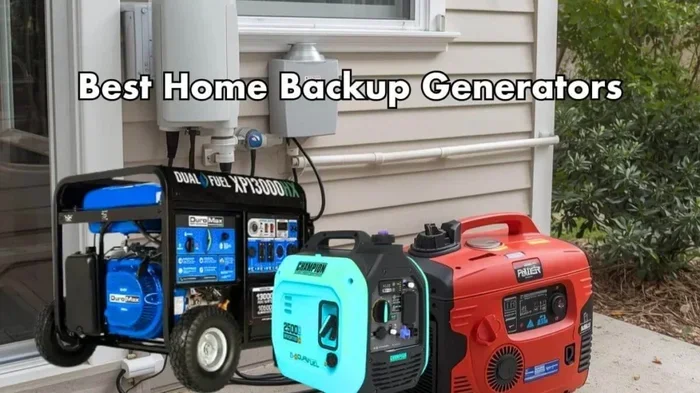
These generators come in different shapes and sizes. Some are small enough to sit on a porch. Others are large systems that power an entire home. The key difference between a backup generator and a standard portable model is the automatic startup feature. A standby emergency power generator detects a power loss and activates within seconds.
How Does an Emergency Power Generator Work?
Most home generators run on natural gas, propane, or diesel fuel. When the grid goes down, a sensor detects the loss of power. It sends a signal to the generator. The engine starts, and the alternator produces electricity. This power flows through your home’s electrical panel to keep lights, appliances, and systems running.
A transfer switch is the brain of the setup. It disconnects your home from the grid and connects it to the generator. This prevents backfeed, which is dangerous for utility workers. The automatic transfer switch makes the whole process seamless. You may not even notice the switch happened.
Types of Emergency Power Generators
Not all generators are the same. Here are the main types you will encounter:
- Standby generators: Permanent installations that power your entire home. They run on natural gas or propane and start automatically.
- Portable generators: Smaller, movable units that power a few essentials. They require manual setup and refueling.
- Inverter generators: Quieter and more fuel-efficient. They produce clean power safe for sensitive electronics.
- Whole house generators: Heavy-duty systems designed to handle full home power capacity during extended outages.
For most homeowners, a standby or whole house unit is the best choice. It offers the most protection and convenience. A portable generator can work for short-term needs, but it lacks the automatic startup and full-home coverage of a permanent system.
Why Every Home Needs an Emergency Power Generator
A reliable home backup power source is not a luxury. It is a necessity. Here is why every home should have one.
Protection During Power Outages
Power outages can last hours or days. Without electricity, your home becomes uncomfortable fast. Your refrigerator stops working. Your heating or cooling system shuts down. Sump pumps fail, and basements flood. A home generator prevents all of this.
Families with medical equipment face even greater risks. Oxygen machines, CPAP devices, and powered wheelchairs all need a steady power supply. An emergency power generator ensures these life-saving devices keep running, no matter what. You cannot put a price on that kind of peace of mind.
Keeping Essential Appliances Running
Modern homes rely on electricity for daily life. Here is what a generator keeps running during an outage:
- Refrigerator and freezer (prevents food spoilage)
- Heating and cooling systems (maintains safe temperatures)
- Water pump (keeps water flowing)
- Internet router and phone chargers (stays connected)
- Security systems (keeps your home protected)
- Medical devices (protects health and safety)
Without power, these essentials go offline quickly. An emergency power generator keeps them running so your family stays safe, comfortable, and connected. Think about how many hours you spend each day relying on electricity. Now imagine living without it for days. That is the reality for thousands of households every year during severe weather events.
How to Choose the Right Emergency Power Generator
Choosing the right emergency power generator is one of the most important decisions you will make. The wrong size or type leaves you vulnerable. The right one gives you peace of mind.
Understanding Generator Wattage
Every generator has a wattage rating. This tells you how much power capacity it can handle. Before you buy, make a list of the essentials you want to keep running during an outage. Add up their wattage requirements.
Here is a quick guide to common appliance wattage:
- Refrigerator: 600-800 watts
- Freezer: 500-600 watts
- Central air conditioner: 2,000-5,000 watts
- Electric furnace: 5,000-15,000 watts
- Water heater: 4,000-4,500 watts
- Lights (per room): 60-100 watts
Always choose a generator with more capacity than you calculated. This gives you room to spare and prevents overload. If you are unsure what size you need, check out this guide on what size generator to run furnace and refrigerator for detailed sizing help.
Fuel Type: Propane, Natural Gas, or Diesel?
The fuel your generator uses affects cost, runtime, and availability. Here is a quick comparison:
| Fuel Type | Pros | Cons |
|---|---|---|
| Natural Gas | Unlimited supply from utility line, clean burning | May not be available in all areas |
| Propane | Stores indefinitely, widely available | Higher fuel consumption rate |
| Diesel | Efficient, long shelf life | Louder, requires fuel storage |
Propane is a popular choice for many homeowners. If you are considering a propane system, it helps to understand fuel usage. Check out how much propane a 20kw generator uses per hour to plan your fuel needs. You can also learn more about how long can you leave gas in a generator to avoid fuel storage issues.
Installation and Safety Tips
Installing an emergency power generator is not a DIY project for most homeowners. Proper setup ensures safety, efficiency, and compliance with local codes.
Professional vs DIY Installation
Always hire a licensed electrician or certified installer for your generator setup. A professional handles wiring, permits, and code compliance. They also ensure the unit is placed safely away from windows and vents.
Improper installation can cause serious problems. Carbon monoxide poisoning is the biggest risk. A generator must never run indoors or in enclosed spaces. The exhaust must vent safely outside. A pro knows how to set this up correctly.
If you want to learn the basics of running a generator to your house, start with this guide on how to run generator to house. It covers the essentials of proper connection and setup.
Generator Safety Essentials
Safety must come first with any generator. Here are the essential rules every homeowner should follow:
- Never operate a generator indoors or in a garage, even with the door open.
- Install carbon monoxide detectors on every floor of your home.
- Keep the generator dry and protected from rain and snow.
- Use heavy-duty, outdoor-rated extension cords only.
- Let the generator cool down before refueling.
- Store fuel in approved containers away from living areas.
- Test your generator monthly to ensure it starts properly.
Following these safety tips protects your family and your home. An emergency power generator is only helpful if it is used safely. Take the time to set up your system correctly from day one.
Maintaining Your Emergency Power Generator
A generator is only as good as its maintenance. Regular upkeep keeps it ready to go when you need it most. Neglect leads to failure at the worst possible moment.
Routine Maintenance Checklist
Here is what you should do to keep your generator in top shape:
- Check oil levels monthly and change oil as recommended by the manufacturer
- Inspect air filters and clean or replace them every 6 months
- Test the battery and charging system quarterly
- Run the generator under load for 30 minutes monthly
- Check fuel lines and connections for leaks annually
- Schedule a professional inspection once per year
Sticking to this checklist prevents surprises. Your emergency power generator should be ready to start the moment the power goes out. Regular testing builds confidence in your backup system and helps you catch small issues before they become big problems.
How Long Does a Whole House Generator Last?
With proper care, a whole house generator can last 25 to 30 years or more. The key factors are usage frequency, maintenance quality, and fuel type. Generators that run on natural gas tend to last longer because they burn cleaner than diesel models.
If you want to learn more about generator lifespan, check out how long does a whole house generator last for a detailed breakdown of lifespan factors and tips for extending your unit’s life.
Common Mistakes to Avoid
Many homeowners make avoidable mistakes with their generators. Here are the most common ones:
- Skipping regular tests: A generator that sits unused for months may not start when needed.
- Overloading the unit: Running too many appliances at once can damage the generator.
- Ignoring fuel freshness: Old fuel clogs the system and causes starting problems.
- Poor placement: Placing the generator too close to the house creates carbon monoxide risks.
- Neglecting maintenance: Skipping oil changes and filter replacements shortens generator life.
Avoid these mistakes, and your emergency power generator will serve you reliably for decades. Treat it like any other important home system, and it will reward you with years of dependable service.
The Cost of Owning an Emergency Power Generator
The price of a generator varies widely. Small portable units start around $500. Large whole house systems can cost $5,000 to $15,000 or more. Installation adds another $1,000 to $5,000 depending on complexity.
Initial Investment vs Long-Term Savings
The upfront cost can feel steep. But consider what you lose during a prolonged outage. Spoiled food, frozen pipes, damaged electronics, and lost productivity all add up fast. An emergency power generator pays for itself by preventing these losses.
Fuel costs are another factor to consider. The amount of fuel your generator uses depends on its size and load. For propane systems, understanding consumption rates helps you budget. You can find detailed fuel usage data in our article on how much propane does a 20kw generator use per hour.
Generator costs also vary by brand and features. Basic models offer essential backup power. Premium units include smart features like remote monitoring and automatic load management. The generator cost you choose depends on your budget and your family’s needs.
Is It Worth the Investment?
Absolutely. An emergency power generator is one of the best investments a homeowner can make. It protects your family, preserves your food, keeps your home comfortable, and maintains security systems. When the next storm hits, you will be glad you made the investment.
Think of it this way. A single night without power can cost you hundreds of dollars in spoiled food and discomfort. A generator eliminates that risk entirely. Over time, the savings and protection far outweigh the initial expense.
Final Thoughts
An emergency power generator is not just a nice-to-have. It is a critical part of modern home preparedness. Power outages happen to everyone. The question is whether you will be ready.
Choose the right size, install it safely, and maintain it regularly. Your home, your family, and your peace of mind will thank you. Start planning today, and make sure your home is never left in the dark. The next storm does not wait, and neither should your preparation.
Frequently Asked Questions
What size emergency power generator do I need for my home?
The right size depends on your power needs. A small portable unit can handle essentials like lights and a refrigerator. A whole house standby generator covers your entire home. Add up the wattage of the appliances you want to keep running, then choose a generator with 20% more capacity for safety.
How long can a generator run continuously?
Most standby generators can run 24 to 72 hours on a full tank of propane or natural gas. Some models with larger fuel tanks can run even longer. Check your specific model for runtime estimates and plan fuel refills accordingly during extended outages.
Is it safe to run a generator in the rain?
No, you should never operate a generator in wet conditions. Water can cause electrical shorts and create serious safety hazards. Always place your generator under a dry, covered area that allows proper ventilation. Keep it away from standing water and snow accumulation.
How often should I test my emergency power generator?
You should test your generator at least once a month. Run it under load for 30 minutes to ensure it starts properly and handles the electrical demand. Regular testing also keeps the battery charged and the engine lubricated for reliable performance when you need it most.
Can I connect a generator directly to my home’s electrical panel?
Only with a proper automatic transfer switch installed by a licensed electrician. Direct connection without a transfer switch is extremely dangerous and can send power back into utility lines, risking the lives of lineworkers. Always use a certified installation setup.
What fuel is best for an emergency power generator?
Natural gas is the most convenient option since it connects to your existing gas line and never runs out. Propane is a great alternative that stores indefinitely. Diesel is efficient but requires fuel storage and produces more emissions. Choose based on availability, cost, and your home setup.