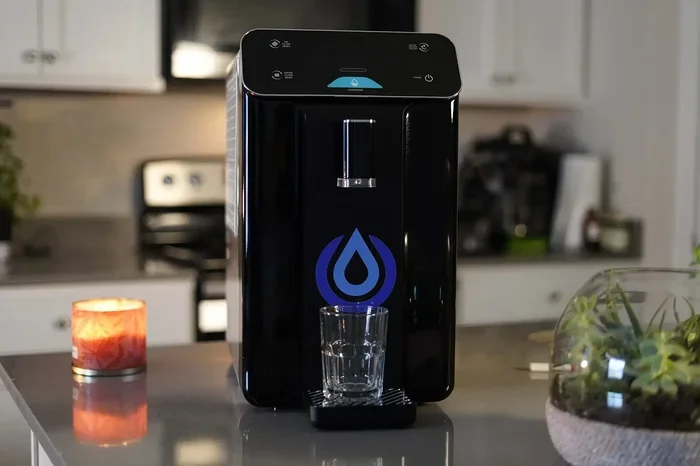
How a Water Generator Can Completely Transform Your Life
A water generator pulls moisture from the air and turns it into clean, drinkable water. Whether you face water shortages, want emergency water supply, or seek off-grid water solutions, this device offers real water independence. We break down how they work, the types available, and how to pick the best one for your home.
Imagine never worrying about running out of clean drinking water. No boiling. No plastic bottles piling up. No waiting for delivery trucks during a crisis. A water generator makes this possible. It pulls moisture straight from the air and turns it into fresh, pure water you can drink.
This technology is changing lives in places where clean water is hard to find. But it is not just for faraway villages anymore. Homeowners, preppers, campers, and anyone who values water independence is starting to look at these machines. They are compact, smart, and more useful than most people realize.
In this guide, we will walk you through everything you need to know. You will learn how a water generator works, the different types available, and how to choose the right one for your situation. By the end, you will see why so many people are calling this one of the best investments for home water security.
Key Takeaways
- Water generators pull moisture from humid air and convert it into safe drinking water.
- They offer a sustainable, self-sufficient water source for homes, emergencies, and off-grid living.
- Atmospheric water generators come in portable and whole-house sizes to fit any need.
- Key factors to consider include humidity levels, daily output, energy use, and maintenance.
- Avoid common mistakes like ignoring local humidity or skipping regular cleaning.
- A water generator can reduce reliance on bottled water and municipal supply systems.
📑 Table of Contents
- What Is a Water Generator and How Does It Work?
- Why Water Generators Are Gaining Popularity
- Types of Water Generators You Can Choose From
- Benefits of Having a Water Generator at Home
- How to Choose the Right Water Generator for Your Needs
- Common Mistakes to Avoid When Buying a Water Generator
- Final Thoughts
What Is a Water Generator and How Does It Work?
A water generator is a device that extracts moisture from the surrounding air and turns it into liquid water. It does this through a process called condensation. Think of it like how water droplets form on the outside of a cold glass on a hot day. The machine cools warm, humid air and collects the water that forms.
Once the water is collected, it goes through a water purification system. This removes any impurities, bacteria, or minerals. The result is clean, safe drinking water. Some models even add minerals back in to improve the taste.
The Science Behind It
The core idea is simple. Air always holds some level of moisture, especially in humid climates. A water generator uses a refrigeration cycle to pull that moisture out. A fan draws warm air over cold coils. The moisture condenses on the coils and drips into a collection tank.
From there, the water passes through filters. These filters remove dust, microbes, and chemicals. The cleaner it gets, the better it tastes. Some advanced units use UV purification or reverse osmosis to ensure every drop is safe.
How Does a Generator Work in General?
If you are already familiar with power generators, the concept feels similar. Both machines take an input from the environment and convert it into something useful. To understand the basics of how these devices function, you can check out our guide on how does a generator work. The same principles of energy conversion apply, just applied to water instead of electricity.
The difference is that a water generator does not burn fuel. It uses electricity to run a fan and cooling system. This makes it a cleaner, quieter option for producing water at home.
Why Water Generators Are Gaining Popularity
Clean water is becoming a bigger concern around the world. Climate change, aging infrastructure, and growing populations are all putting pressure on water supplies. More families are looking for ways to protect themselves. A water generator offers a practical, modern solution.
Water Scarcity Is a Real Problem
Many regions face water scarcity during certain parts of the year. Droughts, contamination, and supply disruptions can all cut off access to safe drinking water. In these situations, having a backup source is not just nice to have. It is essential.
A water generator works even when the local water supply fails. It does not depend on rivers, wells, or municipal systems. As long as there is humidity in the air, it can produce water. This makes it a powerful tool for emergency water supply planning.
The Rise of Off-Grid Living
More people are choosing to live off the grid. They want to reduce their environmental footprint and gain more control over their resources. Off-grid water solutions like atmospheric generators fit perfectly into this lifestyle.
These devices give you self-sufficiency. You are not waiting on city pipes or rural wells. You are pulling your own water from the air. For many, this represents a new level of freedom and resilience.
Health and Convenience
Bottled water is expensive and creates waste. A water generator eliminates the need for single-use plastic bottles. You get fresh water on demand, right from your own home. It is better for your wallet and better for the planet.
Types of Water Generators You Can Choose From
Not all water generators are the same. They come in different sizes and designs to fit various needs. Understanding the options helps you make a smart choice.
Portable Water Generators
Portable units are small and lightweight. They are perfect for camping trips, RV adventures, or small apartments. Most portable models produce between one and five liters of water per day. They run on standard electrical outlets or battery power.
These are great for people who want a taste of water independence without a big commitment. They are also useful as a backup during short emergencies.
Whole-House Water Generators
Whole-house models are much larger. They connect directly to your home’s plumbing and can produce dozens or even hundreds of liters per day. These units are ideal for families or homes in areas with unreliable water access.
Because they are bigger, they need more power to run. Some homeowners pair them with solar panels or backup power systems. If you are considering a whole-house setup, it helps to understand your home’s power needs. You might want to review our article on what size whole house generator do I need to plan your energy requirements properly.
Industrial and Community Units
Larger-scale water generators are used in schools, hospitals, and disaster relief efforts. These machines can produce thousands of liters per day. They are often deployed in regions that lack access to clean water infrastructure.
While these are not for personal use, they show how powerful this technology can be when scaled up.
Benefits of Having a Water Generator at Home
Adding a water generator to your home comes with several real advantages. Here are the biggest reasons people are making the switch.
1. Clean Drinking Water On Demand
You never have to worry about the quality of your tap water again. A water generator produces purified water every single time. It removes contaminants and delivers fresh, great-tasting water straight to your glass.
2. Emergency Preparedness
Natural disasters can disrupt water supplies for days or even weeks. Having a water generator means your family stays hydrated no matter what happens. It is one of the best investments you can make for emergency water supply readiness.
3. Reduced Plastic Waste
Every liter of water from a water generator is one less plastic bottle in a landfill. Over time, this adds up to a significant reduction in household waste. It is a simple way to live more sustainably.
4. Low Maintenance
Most modern units are designed to be easy to maintain. You will need to clean the filters every few months and check the collection tank. Beyond that, these machines run smoothly with very little effort.
5. Quiet and Efficient Operation
Nobody wants a loud, clunky machine running in their home. Many newer water generators are designed to operate quietly. If noise is a concern, look for models that are specifically built for low sound levels. You can also explore tips on how to make a generator quiet to reduce operational noise in your home setup.
How to Choose the Right Water Generator for Your Needs
Picking the right water generator depends on a few key factors. Take your time and consider each one carefully.
Check Your Local Humidity Levels
A water generator works best when the air is humid. If you live in a dry climate, the machine may struggle to produce enough water. Look for models designed to work in low-humidity environments if needed. Ideally, your home should have at least 30 to 40 percent humidity for decent output.
Consider Daily Water Output
Think about how much water your household uses each day. A single person might need around two to three liters for drinking. A family of four could need ten or more. Match the machine’s output to your actual needs so you are not overbuying or underbuying.
Energy Use Matters
Water generators run on electricity, and some models use more than others. Look for energy-efficient units to keep your bills low. If you are off the grid, prioritize models that work well with solar power systems.
Filtration and Purification Features
Not all units purify water the same way. Some use basic carbon filters. Others include UV purification or multi-stage filtration systems. The more advanced the system, the cleaner your water will be. Always check what kind of filtration a model includes before buying.
Size and Portability
Do you need something you can move around easily? Or are you looking for a permanent installation? Portable models are great for flexibility. Whole-house units offer higher output but stay in one place.
Common Mistakes to Avoid When Buying a Water Generator
Buying a water generator is a big decision. Avoid these common pitfalls to make sure you get the best value.
Ignoring Humidity Requirements
Many buyers do not check their local humidity before purchasing. If the air is too dry, the machine will produce little to no water. Always match the unit to your climate conditions.
Skipping Regular Maintenance
A water generator needs regular cleaning to work properly. Skipping filter changes or tank cleaning can lead to mold or bacteria growth. Set a reminder to check your unit every few weeks.
Buying Based on Price Alone
The cheapest model is not always the best. Look at the daily output, filtration quality, and energy consumption before deciding. A slightly more expensive unit can save you money and frustration over time.
Overestimating Output
Manufactors sometimes list ideal conditions for water production. In real life, output may be lower. Plan for less than the maximum rated output to avoid disappointment.
Final Thoughts
A water generator is more than just a gadget. It is a step toward water independence and a more resilient household. Whether you are preparing for emergencies, living off the grid, or simply tired of buying bottled water, this technology delivers real value.
The right unit gives you clean drinking water around the clock. It works silently in the background, pulling moisture from the air you breathe. With proper care and maintenance, a good water generator can serve your family for years.
If you are ready to take control of your home’s water supply, start by understanding your needs. Check your humidity levels, estimate your daily usage, and choose a model that fits your lifestyle. The peace of mind that comes with having your own reliable water source is truly worth it.
Clean water should not be something you worry about every day. A water generator takes that burden off your shoulders and gives you the freedom to focus on what matters most.
Frequently Asked Questions
What exactly is a water generator?
A water generator is a device that extracts moisture from the air and converts it into clean, drinkable water. It uses a cooling process to condense water vapor, then filters the water to remove impurities. The result is fresh, safe drinking water produced right from the humidity in your environment.
How much water can a water generator produce in a day?
Output depends on the model and your local humidity levels. Portable units typically produce one to five liters per day. Larger whole-house systems can generate anywhere from twenty to over a hundred liters daily. The more humid your air, the more water the machine will produce.
Is the water from a water generator safe to drink?
Yes, most water generators include built-in water purification systems. They use carbon filters, UV light, or reverse osmosis to remove bacteria, dust, and chemicals. Always follow the manufacturer’s maintenance schedule to keep the water quality high.
Can a water generator work in dry climates?
It can, but output will be lower. These machines work best in humid conditions with at least 30 to 40 percent moisture in the air. Some advanced models are designed for drier climates, but they tend to be more expensive and less efficient. Check your local humidity before purchasing.
How much does a water generator cost to run?
Operating costs depend on the model and your electricity rates. Most residential units use as much energy as a small refrigerator. If you pair it with solar power, you can significantly reduce or even eliminate electricity costs. Look for energy-efficient models to keep running expenses low.
Do I need professional installation for a water generator?
Most portable and smaller units are plug-and-play and require no professional help. Whole-house models may need basic plumbing connections and a dedicated power source. If you are unsure, consult an HVAC technician or the manufacturer’s installation guide for safe setup.
=== CONCLUSION ===
A water generator is one of the smartest investments you can make for your home. It gives you clean drinking water from the air around you. It supports emergency preparedness, reduces plastic waste, and brings you closer to true water independence. Whether you pick a portable unit for flexibility or a whole-house system for full coverage, the benefits are clear and lasting.
Take the time to research your options. Consider your climate, your household size, and your budget. The right water generator will pay for itself in peace of mind and pure, fresh water for years to come. Start exploring your options today and take the first step toward a more self-sufficient home.


