How to Reset a Refrigerator Compressor With These Tips
Resetting your refrigerator compressor is a simple fix for many common cooling problems. You can often solve the issue yourself without calling a technician or spending hundreds on repairs. This guide walks you through every step, from identifying warning signs to testing your compressor and preventing future breakdowns. Whether your fridge is short cycling, humming loudly, or not cooling at all, these tips will help you restore proper function fast.
This is a comprehensive guide about how to reset a refrigerator compressor.
Key Takeaways
- Quick Reset Works: A simple compressor reset can fix many refrigerator cooling problems in minutes.
- Safety First: Always unplug the fridge and follow proper electrical safety steps before starting any work.
- Know the Warning Signs: Understanding symptoms like clicking, humming, or warm air helps you catch problems early.
- Check Simple Things First: The condenser coils, relay switch, and overload protector are common culprits that are easy to inspect.
- Prevent Future Issues: Regular cleaning, proper ventilation, and stable power supply keep your compressor healthy long-term.
- Call a Pro When Needed: Some compressor problems require professional diagnosis and repair.
- Electrical Connections Matter: If you use backup power like a generator connected to your house, make sure the setup is stable to protect your fridge compressor from power surges.
[FEATURED_IMAGE_PLACEHOLDER]
Your refrigerator compressor is the heart of your cooling system. When it stops working properly, your food starts warming up fast. The good news is that resetting the compressor solves many common problems without a single trip to the repair shop.
Maybe your fridge started making strange noises. Perhaps it stopped cooling altogether. Or the compressor keeps clicking on and off. Whatever the issue, this guide gives you everything you need to know to reset your refrigerator compressor safely and effectively.
We will walk you through each step in plain language. You do not need to be an electrician or a HVAC expert. With a few basic tools and about thirty minutes, you can troubleshoot and often fix the problem yourself. Let us get your fridge back to keeping things cold.
What Does a Refrigerator Compressor Do?
The compressor is the engine of your refrigerator’s cooling system. It pumps refrigerant through the coils to remove heat from inside your fridge. Without a working compressor, your refrigerator cannot cool at all. Understanding how it works helps you troubleshoot problems more effectively.
Think of the compressor like the engine in a car. It compresses the refrigerant gas, raises its pressure and temperature, and sends it through the condenser coils. The refrigerant then releases heat and cools down before returning inside to absorb more warmth. This cycle runs continuously to keep your food at safe temperatures.
Much like how a generator works by converting energy into power, your refrigerator compressor converts electrical energy into mechanical compression. Both systems rely on proper electrical connections and stable power to function correctly. When the compressor fails, the entire cooling cycle stops.
Common Compressor Warning Signs
Your refrigerator usually gives you plenty of warning before a compressor fully fails. Catching these signs early makes the reset process much easier. Here are the most common symptoms to watch for:
- Warm air from the fridge or freezer: This is the most obvious sign that the compressor is not running.
- Constant or loud humming: A compressor that hums without cooling may be struggling to start.
- Clicking sounds: Rapid clicking often means the compressor is trying to start but failing.
- Short cycling: The compressor turns on and off repeatedly instead of running steadily.
- Ice buildup on the coils: Poor airflow from a failing compressor can cause frost accumulation.
- Higher electricity bills: A struggling compressor draws more power to do less cooling.
If you notice any of these signs, do not panic. Most compressor issues can be resolved with a simple reset or a minor adjustment. Only in rare cases does a compressor need full replacement.
Why You Need to Reset Your Refrigerator Compressor
Refrigerator compressors have built-in safety features that can shut them down unexpectedly. The overload protector and the start relay are designed to prevent damage when something goes wrong. Sometimes these safety devices trip and need a manual reset.
Think of it like a circuit breaker in your home. When too much current flows, the breaker trips to protect your wiring. Your refrigerator compressor has similar protection. A reset simply tells the system to try running again under normal conditions.
Common reasons a compressor needs resetting include:
- A temporary power surge or electrical spike
- The compressor overheated during heavy use
- The start relay failed to engage properly
- The refrigerator was moved or bumped during transport
- Refrigerant levels fluctuated due to temperature changes
- The compressor ran continuously and triggered thermal protection
Resetting the compressor clears these fault conditions and allows the system to restart with a clean slate. It is a quick, non-invasive fix that resolves the issue in most cases.
How to Reset a Refrigerator Compressor
Now let us get into the actual reset process. Follow these steps carefully and in order. Each step builds on the previous one to ensure a safe and effective reset.
Step 1: Unplug the Refrigerator
Safety comes first. Always unplug the refrigerator from the wall outlet before you do anything else. Do not just turn the thermostat off. You need to cut all electrical power to the unit.
Wait at least five minutes after unplugging. This gives the compressor time to cool down and the capacitors time to discharge. Skipping this wait time can lead to electric shock or damage to the compressor.
While you wait, take the opportunity to clean the condenser coils. Dust and debris around the coils can cause overheating, which triggers the overload protector in the first place. A simple vacuum or brush can make a big difference.
Step 2: Locate the Compressor
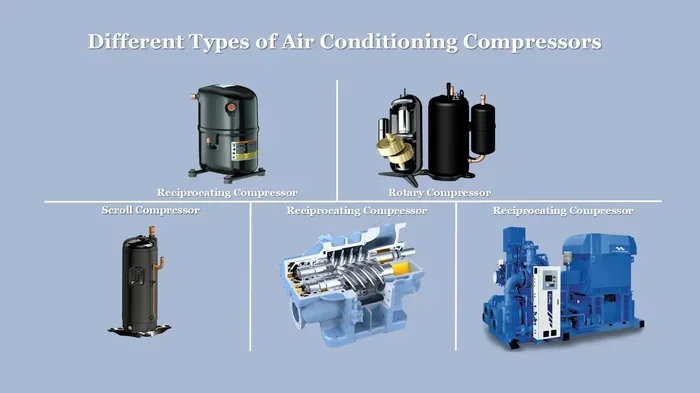
The compressor is usually found at the back of the refrigerator, near the bottom. It is a black, tank-shaped component with copper tubes running into it. The start relay is typically attached to the side of the compressor.
If you are unsure where your compressor is, consult your refrigerator manual. Most models place the compressor in the same general location. Just make sure the fridge is pulled out enough for you to access the back safely.
Step 3: Find the Reset Button or Reset the Relay
Many modern refrigerators have a dedicated reset button on the compressor or on the control panel. Look for a small red or black button near the compressor or on the interior control board.
If your model does not have a reset button, you can reset the compressor by unplugging the refrigerator for a full ten to fifteen minutes. This longer wait effectively resets the start relay and the overload protector.
Some older models require you to manually adjust the thermostat. Turn it to the lowest setting, wait ten minutes, then turn it back to the normal setting. This signals the compressor to restart.
Step 4: Plug the Refrigerator Back In
After waiting the appropriate time, plug the refrigerator back into the wall outlet. Make sure the outlet is working properly. You can test it by plugging in another device first.
Listen carefully when you plug it in. You should hear the compressor hum to life within a few seconds. The fridge may make a brief clicking sound as the start relay engages. This is normal.
Set the thermostat to your normal temperature setting. Give the refrigerator at least one hour to cool down. Check the internal temperature with a thermometer to confirm it is reaching the proper range.
Step 5: Test the Compressor
After one hour, check that the compressor is running smoothly. Place your hand near the back of the fridge and feel for vibration. You should feel a steady hum and slight vibration.
Check the interior temperature. The fridge should be between 35 and 38 degrees Fahrenheit. The freezer should be at 0 degrees or below. If both are in range, your reset was successful.
If the compressor still does not start, or if it starts and stops repeatedly, you may have a deeper issue. Move on to the troubleshooting section below for further guidance.
Troubleshooting After a Reset
Sometimes a compressor reset does not solve the problem on the first try. Do not worry. This is more common than you might think. Several underlying issues can prevent a successful reset.
Check the Start Relay
The start relay provides the extra boost of electricity needed to kick the compressor into action. When the relay fails, the compressor tries to start but cannot. You will hear repeated clicking sounds.
To check the relay, remove it from the compressor. Shake it gently. If you hear rattling inside, the relay is damaged and needs replacement. You can test it with a multimeter for continuity. A failed relay will show no continuity.
Inspect the Overload Protector
The overload protector shuts off the compressor when it draws too much current. A faulty protector can trip even when the compressor is working fine. Check the protector for visible damage or discoloration.
Testing the overload protector requires a multimeter. Set it to the continuity setting and touch the probes to the protector terminals. No continuity means the protector has failed and needs replacement.
Examine the Capacitor
The start capacitor stores electrical energy to help the compressor start. A weak or dead capacitor means the compressor lacks the power to begin running. This is a common cause of compressor failure that often gets overlooked.
Capacitors can hold a dangerous charge even when the fridge is unplugged. Always discharge the capacitor before handling it. If you are not comfortable working with capacitors, call a professional.
Look at the Condenser Coils
Dirty condenser coils make the compressor work harder than it should. Over time, dust, pet hair, and grease build up on the coils. This reduces cooling efficiency and can cause the compressor to overheat.
Unplug the fridge and pull it away from the wall. Use a coil brush or vacuum attachment to clean the condenser coils thoroughly. Clean coils reduce the workload on the compressor and help prevent future resets.
Check for Refrigerant Leaks
If your compressor resets but the fridge still does not cool, you may have a refrigerant leak. Low refrigerant levels cause the compressor to run continuously without achieving proper cooling.
Refrigerant leaks require professional repair. You cannot fix them yourself safely. Signs of a leak include oil spots near the compressor, hissing sounds, and warm air even after a successful reset.
Preventing Future Compressor Problems
The best way to deal with compressor issues is to prevent them from happening in the first place. A few simple habits can extend the life of your refrigerator compressor by years.
Keep your refrigerator at least two inches away from the wall. This allows proper airflow around the condenser coils. Blocked airflow causes the compressor to overheat and trip the overload protector.
Clean the condenser coils every six months. Set a reminder on your phone or calendar. This small maintenance task prevents most compressor overheating issues.
Do not overload your refrigerator. When you pack too many items inside, air cannot circulate properly. The compressor has to work harder to maintain the set temperature. Give your fridge room to breathe.
Check the door seals regularly. Worn gaskets let warm air enter the fridge, forcing the compressor to run more often. A dollar bill test works great here. Close the door on a bill. If it slides out easily, replace the gasket.
Use a surge protector for your refrigerator. Power surges can damage the compressor and other electrical components. A quality surge protector adds an extra layer of defense.
If you ever experience a power outage, wait at least five minutes after power returns before plugging the refrigerator back in. This prevents the compressor from short cycling, which can cause long-term damage. Some homeowners also use backup power sources like a portable generator to keep their fridge running during outages. Just make sure any generator you use is properly connected to avoid power fluctuations that stress the compressor.
When to Call a Professional
Not every compressor problem can be solved with a reset. Knowing when to call a professional saves you time, money, and potential safety risks.
Call a technician if:
- The compressor makes grinding or loud banging noises
- The fridge still does not cool after a full reset and troubleshooting
- You see oil leaking from the compressor
- The compressor runs continuously without stopping
- The relay or capacitor shows visible damage like burn marks
- You smell burning plastic or ozone near the compressor
These signs point to serious mechanical or electrical issues that require professional diagnosis. A certified refrigerator technician has the tools and expertise to repair or replace your compressor safely.
Before calling for service, gather your refrigerator model number and serial number. This information helps the technician prepare the right parts and gives you a more accurate estimate. You can usually find the model number on a sticker inside the fridge door or on the back panel.
The average cost of a compressor repair ranges from 200 to 450 dollars. A full compressor replacement can cost between 500 and 1000 dollars depending on your model. Getting a few quotes from licensed technicians ensures you pay a fair price.
Also keep in mind that older refrigerators may not be worth the repair cost. If your unit is over fifteen years old and the compressor fails, a full replacement might be the smarter financial choice. Compare the repair estimate against the cost of a new energy-efficient model.
Frequently Asked Questions
How long should I wait before plugging my refrigerator back in after a reset?
Wait at least five minutes after unplugging the refrigerator before plugging it back in. This allows the compressor to cool down and the electrical components to fully reset. For stubborn issues, waiting ten to fifteen minutes gives the system a more complete reset cycle.
Can I reset my refrigerator compressor without unplugging it?
It is not recommended. Unplugging the refrigerator ensures your safety and allows the compressor to fully power down. Some models have a reset button on the control panel, but even then, unplugging first is the safest approach. Always prioritize safety over convenience.
Why does my refrigerator compressor keep clicking on and off?
Rapid clicking usually means the compressor is trying to start but failing. This is often caused by a faulty start relay, a bad start capacitor, or a seized compressor motor. Check the relay first, as it is the most common and easiest fix.
Is it normal for the compressor to run constantly after a reset?
No. A healthy compressor cycles on and off throughout the day. If it runs continuously after a reset, something is wrong. Check the thermostat setting first, then inspect the condenser coils for dirt buildup. If the problem persists, you may have a refrigerant leak or a failing compressor.
How much does it cost to replace a refrigerator compressor?
Replacement costs typically range from 500 to 1000 dollars including parts and labor. The exact price depends on your refrigerator brand, model, and the technician’s rates. Older models may have more expensive parts that are harder to find.
Can a power outage damage my refrigerator compressor?
Yes, power outages can damage compressors, especially if power returns suddenly with a surge. The compressor may short cycle or the electrical components can get fried. Always wait five minutes after power returns before restarting your refrigerator to protect the compressor.
Final Thoughts
Resetting your refrigerator compressor is one of the most useful skills you can learn as a homeowner. It saves you money, prevents food spoilage, and keeps your fridge running smoothly. Most compressor issues resolve with a simple reset and a few minutes of your time.
Remember to always put safety first. Unplug the refrigerator, wait the right amount of time, and work carefully around electrical components. If something feels beyond your comfort level, do not hesitate to call a professional. There is no shame in getting expert help.
Regular maintenance goes a long way toward preventing compressor problems. Clean your coils, check your seals, and protect your fridge from power surges. These small habits add up to a compressor that lasts for many years.
Now that you know how to reset a refrigerator compressor, you are better equipped to handle one of the most common household appliance problems. Share these tips with friends and family. You never know when someone else might need a quick fix to get their fridge cooling again.
Frequently Asked Questions
What is how to reset a refrigerator compressor?
how to reset a refrigerator compressor is an important topic with many practical applications.