1000 Watt Generator What Will It Run See Full List Now
A 1000 watt generator is a compact, portable power source that can run essential household items like lights, fans, a small refrigerator, and phone chargers. It works great for camping trips, tailgating, and backup power during outages. This guide shows you the full list of what a 1000 watt generator will run, along with tips to get the most from it.
A 1000 watt generator is one of the most popular small portable generators on the market. People buy them for camping, tailgating, and emergency backup at home. But the big question is simple: what will a 1000 watt generator actually run?
The answer depends on what you plug in and how much power each item needs. A 1000 watt generator can handle a surprising number of household items. It can power lights, charge phones, run a small fridge, and more. But it cannot run heavy-duty tools or large appliances.
In this guide, we break down the full list of what a 1000 watt generator can power. We also share tips to help you get the most out of your machine. Whether you are a first-time buyer or looking to upgrade, this guide has you covered.
Key Takeaways
- A 1000 watt generator can handle small appliances, lights, and electronics with ease.
- Know the difference between running watts and starting watts to avoid overloading.
- A 1000 watt generator is ideal for camping, tailgating, and home backup.
- Never exceed the wattage limit or you risk tripping the generator off.
- Fuel type and runtime matter when choosing how to use your generator.
- Use a wattage calculator to plan your power needs before buying.
📑 Table of Contents
- What Is a 1000 Watt Generator?
- What Will a 1000 Watt Generator Run?
- What Will a 1000 Watt Generator NOT Run?
- How to Calculate Your Power Needs
- Fuel Type and Runtime
- Safety Tips for Using Your Generator
- How Does a 1000 Watt Generator Compare to Larger Models?
- Common Mistakes People Make With Small Generators
- Best Uses for a 1000 Watt Generator
- Final Thoughts
What Is a 1000 Watt Generator?
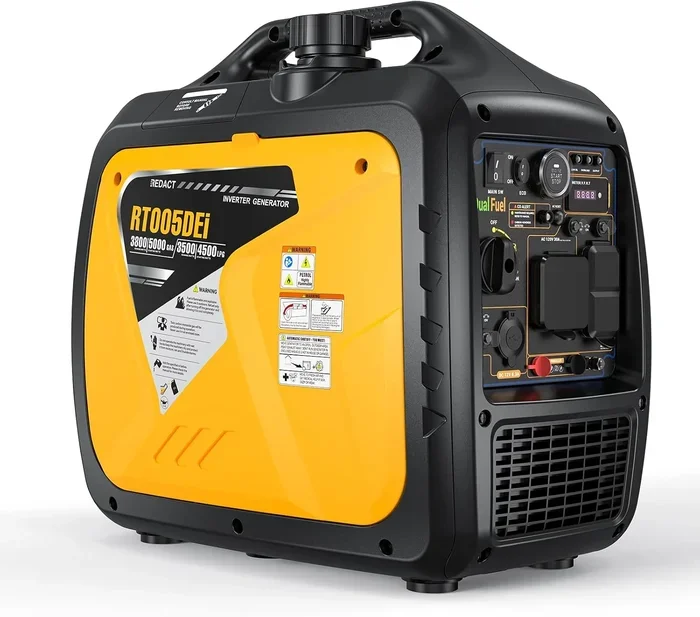
A 1000 watt generator is a small portable power unit that produces up to 1000 watts of electrical output. Most models run on gasoline, though some use propane or battery power. They are lightweight, easy to carry, and perfect for personal use.
These generators come in two main types:
- Conventional generators — These use a basic alternator to produce power. They are affordable but can be noisy.
- Inverter generators — These produce clean, stable power. They are quieter and better for sensitive electronics.
For most people, an inverter-style 1000 watt generator is the better choice. It runs quietly and safely powers laptops, phones, and TVs without damage.
Running Watts vs Starting Watts
One of the most important things to understand is the difference between running watts and starting watts. Running watts are the continuous power a device needs to stay on. Starting watts are the extra power needed to start a motor.
For example, a small refrigerator might need 600 running watts but 1200 starting watts to kick on. A 1000 watt generator can handle the running load but may struggle with the starting surge. Always check both numbers before plugging anything in.
What Will a 1000 Watt Generator Run?
This is the section you have been waiting for. Here is the full list of what a 1000 watt generator can handle. We split it into categories so you can find exactly what you need.
Household Essentials
A 1000 watt generator can power many everyday household items. These are the basics that keep your home running during a short outage:
- LED lights — A few LED bulbs use only 40 to 80 watts total.
- Small refrigerator — Uses about 600 to 800 running watts.
- Phone and laptop chargers — Each uses 20 to 100 watts.
- Wi-Fi router — Uses only 5 to 20 watts.
- Tablet or e-reader charger — Uses about 10 to 25 watts.
- Small fan — Uses 40 to 60 watts.
- Television (LED) — Uses 50 to 150 watts.
All of these items can run at the same time on a single 1000 watt generator. That is a lot of comfort during a power outage.
Camping and Outdoor Gear
Campers love a 1000 watt generator because it is light and quiet. Here is what it can power outdoors:
- Camping lights — LED lanterns and string lights use very little power.
- Portable speaker — Uses about 10 to 30 watts.
- Small camping stove or microwave — A compact microwave uses 700 to 1000 watts.
- Phone and camera chargers — Easy to keep all devices powered up.
- CPAP machine — Most CPAP machines use 30 to 80 watts.
For camping, a 1000 watt generator gives you plenty of power without the noise. You can run your essentials and still have room to spare.
Tools and Workshop Items
Some smaller tools can run on a 1000 watt generator. Here are a few examples:
- Hand drill — Uses about 300 to 500 watts.
- Jigsaw — Uses 300 to 600 watts.
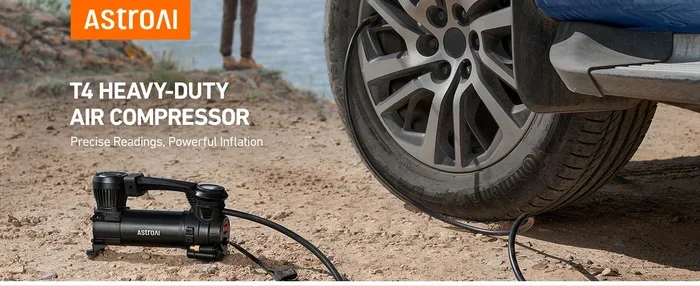
- Small air compressor — A mini compressor uses 500 to 800 watts.
- Soldering iron — Uses about 40 to 60 watts.
- Shop vac (small) — Uses 500 to 800 watts.
Remember to check the starting watts for tools with motors. A hand drill or jigsaw may need extra power to start up. If you plan to run multiple tools, keep the total under 1000 watts.
What Will a 1000 Watt Generator NOT Run?
It is just as important to know what a 1000 watt generator cannot handle. Trying to power too many heavy items will trip the generator off or damage it.
Here are items that are too powerful for a 1000 watt unit:
- Central air conditioner — Needs 3000 to 5000 watts.
- Electric water heater — Uses 4000 or more watts.
- Large refrigerator or freezer — A full-size fridge needs 1200 to 2000 watts.
- Electric oven or stove — Uses 2000 to 5000 watts.
- Washing machine or dryer — Uses 1000 to 2500 watts each.
- Space heater (large) — Uses 1500 watts or more.
- Welding machine — Needs 3000+ watts.
These items are simply too heavy for a small 1000 watt generator. If you need to power any of these, you will need a larger unit. Check out our guide on what size generator will run a whole house to find the right fit.
How to Calculate Your Power Needs
Before you plug anything into your generator, you should add up the wattage of all your devices. This is called a wattage calculation. Here is how to do it step by step.
Step 1: List every device you want to run. Write down the running watts for each one. You can find this number on the device label or in the user manual.
Step 2: Check the starting watts for any device with a motor. Add the starting watts to your list.
Step 3: Add up all the running watts. Make sure the total is under 1000 watts.
Step 4: Check the starting watts. Make sure the highest starting surge does not exceed the generator’s capacity.
Using this method, you can plan your power use carefully. A wattage calculator can also help you add things up quickly. Many websites offer free tools to do this for you.
Quick Tips for Power Management
Here are some simple tips to get the most from your 1000 watt generator:
- Start with the biggest load first. This lets you see if the generator can handle the starting surge.
- Turn off devices you are not using. This saves fuel and keeps the load low.
- Use LED bulbs instead of incandescent. LEDs use much less power.
- Do not run everything at once. Pick your most important items and prioritize them.
- Let the generator warm up before plugging in devices. This helps it run smoothly.
Fuel Type and Runtime
The fuel type you choose affects how long your 1000 watt generator runs and how much it costs. Here is a quick look at the options:
| Fuel Type | Average Runtime | Pros | Cons |
|---|---|---|---|
| Gasoline | 6 to 10 hours | Easy to find, affordable | Noisy, needs refueling |
| Propane | 8 to 12 hours | Clean burning, long runtime | Less power per gallon |
| Battery/Electric | 4 to 8 hours | Silent, zero emissions | Needs charging, limited power |
Gasoline is the most common fuel for a 1000 watt generator. It is easy to find and affordable. Propane is a great option if you want a cleaner burn and longer runtime. Battery-powered models are perfect for indoor use and quiet environments.
Runtime also depends on the load. If you run the generator at full capacity, it will use fuel faster. If you run it at half load, it will last much longer. For best results, keep your total load between 500 and 800 watts.
Safety Tips for Using Your Generator
Safety should always come first when using any generator. A 1000 watt generator is small, but it still produces dangerous levels of electricity and carbon monoxide.
Here are the most important safety rules:
- Never run a generator indoors. Carbon monoxide is deadly and has no smell or color.
- Keep it outside and away from windows. Place it at least 20 feet from your home.
- Use heavy-duty extension cords. Cheap cords can overheat and cause fires.
- Let the generator cool down before refueling. Hot engine parts can start a fire.
- Keep the generator dry. Do not use it in rain or wet conditions.
- Store fuel safely. Keep gasoline in a sealed, approved container away from heat.
Following these simple tips will keep you safe and extend the life of your 1000 watt generator. If you want to learn more about safe setup, check out our guide on how to run generator to house.
How Does a 1000 Watt Generator Compare to Larger Models?
It helps to see how a 1000 watt generator stacks up against bigger options. Here is a quick comparison:
| Generator Size | Running Watts | Best For | Portability |
|---|---|---|---|
| 1000 Watt | 800 to 1000 | Camping, phones, small fridge | Very light, easy to carry |
| 2000 Watt | 1600 to 2000 | RV, small tools, backup | Light, still portable |
| 3500 Watt | 2500 to 3500 | Whole-home essentials | Moderate weight |
| 7500+ Watt | 6000+ | Full house backup | Heavy, needs wheels |
A 1000 watt generator is perfect for personal use and small needs. If you need to power your furnace and refrigerator during an outage, a larger model may be better. Visit our guide on what size generator to run furnace and refrigerator for more details.
Common Mistakes People Make With Small Generators
Even experienced users make mistakes with a 1000 watt generator. Here are the most common ones to avoid:
- Overloading the generator. Plugging in too many devices at once is the number one mistake. It can trip the breaker or damage your devices.
- Ignoring starting watts. Many devices need extra power to start. Forgetting this can cause the generator to shut down.
- Running the generator too long without rest. Give it a break every few hours to let it cool down.
- Using the wrong fuel. Always check your manual for the correct fuel type.
- Skipping regular maintenance. Change the oil, clean the air filter, and check the spark plug regularly.
Avoiding these mistakes will keep your generator running smoothly for years. A well-maintained 1000 watt generator can serve you reliably through many camping trips and power outages.
Best Uses for a 1000 Watt Generator
Now that you know what a 1000 watt generator can and cannot run, let us look at the best use cases:
- Camping trips — Power lights, charge devices, and run a small microwave.
- Tailgating — Keep your cooler running and charge phones.
- Home backup for essentials — Run a few lights, the fridge, and phone chargers during an outage.
- Workshops — Power small hand tools and a shop vac.
- RV living — Run a CPAP machine, lights, and a small fridge.
- Outdoor events — Power speakers, string lights, and food warmers.
A 1000 watt generator is versatile and reliable for all of these situations. It is compact enough to carry anywhere and powerful enough to handle your most important devices.
Final Thoughts
A 1000 watt generator is a smart choice for anyone who needs portable, reliable power. It can run the essentials — lights, phones, a small fridge, and fans — without any problem. Just remember to watch your total wattage and never exceed the 1000 watt limit.
Whether you are heading into the woods or preparing for a storm, a 1000 watt generator gives you peace of mind. It is affordable, easy to use, and perfect for everyday needs. Take care of it, use it safely, and it will serve you well for many years to come.
If you need more power for your home, consider a larger unit. Our guide on what size generator will run a whole house can help you find the right size. And for fuel efficiency tips, check out how much propane a generator uses per hour for useful insights on fuel consumption.
Frequently Asked Questions
Can a 1000 watt generator run a refrigerator?
Yes, a small 1000 watt generator can run a compact or mini refrigerator. A standard small fridge uses about 600 to 800 running watts. However, you need to account for the starting watts, which can be higher. Make sure your generator can handle the surge before plugging in the fridge.
How long will a 1000 watt generator run on a full tank?
Most 1000 watt generators run for 6 to 10 hours on a full tank of gasoline. The actual runtime depends on the load you are running. If you keep the load around 500 to 800 watts, the generator will last longer. Running at full capacity uses fuel faster.
Can I run a 1000 watt generator indoors?
No, you should never run a generator indoors. Generators produce carbon monoxide, which is a deadly, odorless gas. Always place your 1000 watt generator outside, at least 20 feet away from windows, doors, and vents. This keeps you and your family safe.
What is the difference between running watts and starting watts?
Running watts are the continuous power a device needs to stay on. Starting watts are the extra power needed to start a motor. Devices with motors like refrigerators and tools need both. Always check both numbers when planning what to plug into your generator.
Can a 1000 watt generator power a TV?
Yes, a 1000 watt generator can easily power a modern LED TV. Most LED TVs use only 50 to 150 watts. You can run a TV along with other small devices like phone chargers and lights without any problem.
Is a 1000 watt generator enough for a camping trip?
Absolutely. A 1000 watt generator is perfect for camping. It can power LED lights, charge phones and tablets, run a small microwave, and even power a CPAP machine. It is light, quiet, and easy to carry in most vehicles.
=== CONCLUSION ===
A 1000 watt generator is a handy, affordable power solution for many situations. From camping trips to emergency home backup, it handles the essentials with ease. Now that you have the full list of what a 1000 watt generator will run, you can plan your power use with confidence. Remember to check your wattage, prioritize your devices, and always follow safety rules. With the right approach, your small generator will serve you well for years to come.