Battery Powered Generator Tips to Keep Your Home Running
A battery powered generator keeps your home running when the grid fails. These clean, quiet machines offer reliable backup power without the fumes of gas generators. This guide covers how they work, how to pick the right one, and simple tips to extend battery life and performance.
This is a comprehensive guide about battery powered generator.
Key Takeaways
- Battery powered generators provide clean, quiet backup power for your home during outages.
- Lithium-ion batteries offer longer life, faster charging, and lighter weight than traditional options.
- Matching your generator’s wattage to your essential appliances prevents overload and saves energy.
- Solar panels can extend your battery life and reduce charging costs significantly.
- Regular maintenance and proper storage keep your unit running at peak performance for years.
- Understanding the difference between battery powered and gas generators helps you make the right choice.
- Smart usage habits like partial discharges and temperature control boost overall battery health.
[FEATURED_IMAGE_PLACEHOLDER]
What Is a Battery Powered Generator?
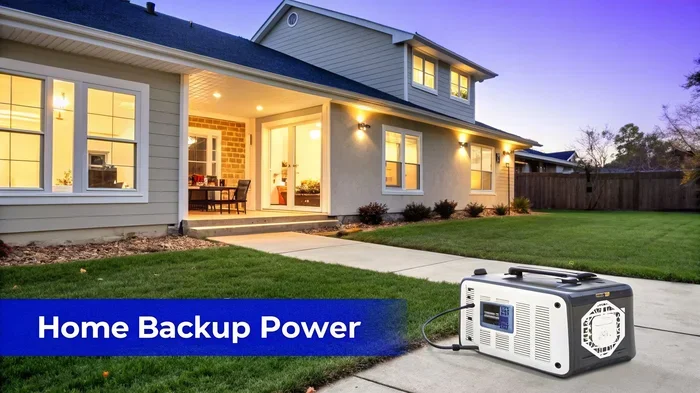
A battery powered generator is a portable device that stores electrical energy in a built-in battery and delivers it to your home appliances when needed. Unlike traditional gas generators, these units run on rechargeable lithium-ion or lithium iron phosphate batteries. They produce zero emissions and operate almost silently.
People also call them portable power stations or solar generators. The basic idea is simple. You charge the battery ahead of time, and when the power goes out, the unit steps in to keep your lights, fridge, and devices running. It is like having a giant rechargeable battery on wheels.
These generators come in all shapes and sizes. Some are small enough to carry on a camping trip. Others can power your entire home during a blackout. The key is understanding what you need and choosing a unit that fits your lifestyle.
Many homeowners now prefer battery powered generators over gas models. They are cleaner, safer to store indoors, and much easier to use. If you have ever dealt with a messy gas generator, you will appreciate how simple these are.
How Battery Powered Generators Work
At the heart of every battery powered generator is a rechargeable battery pack. This stores energy that you can use on demand. Most modern units use lithium-ion technology because it holds a charge well and lasts for thousands of cycles.
Here is how the process works in plain terms:
- Charging Phase: You plug the unit into a wall outlet, car charger, or solar panel. Energy flows into the battery and gets stored.
- Storage Phase: The battery holds the energy until you need it. Good units lose very little charge over weeks of storage.
- Discharge Phase: When you connect appliances, the stored energy flows out through an inverter. The inverter converts DC power from the battery into AC power your devices can use.
- Monitoring Phase: Built-in smart systems track battery levels, temperature, and output to keep everything safe and efficient.
The inverter is a crucial piece of the puzzle. It changes the battery’s direct current (DC) into alternating current (AC), which is what most home appliances need. Without a quality inverter, your generator cannot power much at all.
Battery capacity is measured in watt-hours (Wh). A higher Wh rating means more stored energy. For example, a 1000Wh unit can run a small fridge for about 10 to 12 hours. A 3000Wh unit can keep essential home systems going for a full day or more.
Charging Options for Battery Powered Generators
One of the best things about a battery powered generator is how many ways you can charge it. Wall outlets are the most common method. A standard 120V outlet can fully charge most units in 4 to 8 hours.
Solar panels are another popular option. You can set up a portable solar array and let the sun do the work. This is perfect for off-grid power situations or long-term outages. Charging times vary based on panel size and sunlight conditions.
Car charging is also possible. You can plug your generator into your vehicle’s 12V outlet for a slow but steady charge. This works well during road trips or when you are away from home for extended periods.
Benefits of a Battery Powered Generator for Your Home
There are many reasons to consider a battery powered generator for your home. Let us break down the biggest advantages.
Clean and Quiet Operation
Gas generators produce fumes that contain carbon monoxide. This makes them dangerous to use indoors. A battery powered generator produces zero emissions. You can safely run it inside your garage, basement, or living room without worrying about air quality.
They also run almost silently. Most units produce less than 50 decibels of noise. That is quieter than a normal conversation. Your neighbors will never know you have a generator running.
Easy to Use and Maintain
There is no pull cord, no fuel mixing, and no oil changes. You charge the battery, and it is ready to go. Maintenance is minimal. Just keep the unit clean and store it in a cool, dry place.
Gas generators need regular upkeep. You must change the oil, replace spark plugs, and add fuel stabilizer for storage. A battery powered unit skips all of that. This alone saves a lot of time and money over the years.
Cost Savings Over Time
While the upfront cost of a battery powered generator can be higher than a gas model, the long-term savings add up. You do not need to buy fuel. You do not pay for oil changes or tune-ups. Over a 5 to 10 year period, the total cost of ownership is often lower.
Solar charging takes this even further. Once you invest in solar panels, your fuel costs drop to zero. The sun provides free energy every single day.
Safe for Indoor Use
This cannot be stressed enough. Battery powered generators are safe to use indoors. Gas generators cause dozens of carbon monoxide poisonings every year during storms and outages. A battery unit eliminates this risk entirely. Your family stays safe while staying powered.
How to Choose the Right Battery Powered Generator
Not all generators are created equal. Picking the right battery powered generator for your home requires some thought. Here are the key factors to consider.
Match the Wattage to Your Needs
Start by listing the appliances you want to run during an outage. Add up their wattage requirements. A fridge typically needs around 700 watts. A window AC unit might need 1500 watts. A laptop uses only about 100 watts.
If you want to run essential household items like a furnace and refrigerator, check out what size generator to run furnace and refrigerator for guidance on sizing your unit correctly. Choosing a unit with enough wattage prevents overload and keeps your appliances safe.
As a rule of thumb, buy a generator with at least 20% more capacity than your total needs. This gives you a safety margin and prevents the unit from running at maximum stress.
Consider Battery Chemistry
Not all batteries are the same. Lithium-ion batteries are the most common and offer a great balance of weight, capacity, and cost. Lithium iron phosphate (LiFePO4) batteries last even longer but cost more upfront.
LiFePO4 batteries can handle thousands of charge cycles. They are also more stable and less prone to overheating. If you plan to use your generator frequently, this chemistry is worth the extra investment.
Think About Portability
Do you need to move the generator around? Some battery powered generators are compact and lightweight. Others are large and heavy. If you want to take it camping or to a tailgate, a smaller unit makes more sense.
For whole-home backup, you may want a larger stationary unit. These are harder to move but can power your entire house during extended outages. Look at your living situation and decide what matters most.
Check the Output Ports
Make sure the generator has the right outlets for your devices. Most units include standard AC outlets, USB ports, and DC car-style plugs. Some even offer RV-ready 30A outlets.
Having multiple port types gives you flexibility. You can charge phones and tablets while also running larger appliances. Check your device collection and make sure the generator supports them all.
Tips to Maximize Battery Life and Performance
Getting the most out of your battery powered generator comes down to smart habits. Follow these practical tips to extend battery life and get the best performance every time.
Avoid Full Discharges
Lithium batteries do not like being drained completely. Try to recharge your generator when it hits around 20% remaining. This keeps the battery cells healthy and extends their overall lifespan. Deep discharges wear out the battery faster over time.
Think of it like your phone. You probably do not let your phone die to zero percent every night. The same principle applies here. Keeping your charge between 20% and 80% is the sweet spot for longevity.
Store at the Right Temperature
Extreme heat and cold both hurt battery performance. Store your generator in a cool, dry place between uses. Ideal storage temperatures range from 50 to 77 degrees Fahrenheit.
If you live in a very hot climate, keep the unit out of direct sunlight. In cold climates, bring it indoors during winter months. Temperature control is one of the simplest ways to protect your investment.
Charge Before Every Storm Season
Get into the habit of fully charging your generator before storm season begins. This ensures you have maximum backup power ready when you need it most. A fully charged unit also sits in better condition during long storage periods.
Set a calendar reminder to check your charge level every few months. Even when not in use, batteries slowly lose energy over time. A quick top-up every three to four months keeps the battery healthy.
Use Solar Panels to Extend Range
Pairing your generator with solar panels is one of the best upgrades you can make. Solar charging gives you a virtually unlimited power source during extended outages. You can keep your generator running for days without needing a wall outlet.
If you are interested in using solar energy to keep your home powered, explore what powers a generac home generator to understand the broader landscape of home power solutions and how battery and solar options compare.
Keep the Unit Clean and Dry
Dust and moisture can damage internal components over time. Wipe down your generator after each use. Store it in a protective case or cover when not in use. Keeping the vents clear ensures proper airflow and prevents overheating.
Update Firmware and Monitor Performance
Many modern generators have smart features and firmware updates. Check the manufacturer’s app periodically for updates. These can improve performance, fix bugs, and add new features to your unit.
Monitor your battery health through the app or display panel. Most units will show you the battery’s overall condition and estimated remaining lifespan. This helps you plan for a replacement before you are left in the dark.
Battery Powered Generator vs Gas Generator: Which Is Better?
This is one of the most common questions homeowners ask. Both types of generators have their place. Let us compare them side by side.
Power Output
Gas generators generally offer higher wattage outputs. They can run heavy-duty tools and large HVAC systems with ease. A battery powered generator works best for essential home circuits and smaller appliances.
If you need to power your entire house for days, a gas unit may be necessary. But for most families dealing with short outages, a battery generator handles the essentials perfectly well.
Fuel and Running Costs
Gas generators need fuel, and fuel prices fluctuate. A battery powered generator runs on electricity, which is cheaper and more stable in price. Over time, the fuel savings from a battery unit can be significant.
When you add solar charging into the mix, your running costs drop even further. You essentially get free power from the sun.
Noise and Safety
Gas generators are loud. They can disturb your sleep, annoy your neighbors, and make conversation difficult. Battery units run at whisper-quiet levels. This alone makes them a better choice for residential areas.
Safety is another clear winner. Battery generators produce no carbon monoxide. You can use them indoors, in garages, and near windows without fear. Gas generators must always be used outdoors, away from openings.
Maintenance and Lifespan
Gas generators need regular maintenance. Oil changes, spark plug replacements, and fuel stabilizer are all part of ownership. A battery powered generator requires very little upkeep. Just keep it clean and charge it periodically.
Battery lifespan depends on usage and care. Most lithium-ion batteries last 3 to 5 years before needing replacement. Gas generators can run for decades with proper maintenance. Both options have long lifespans when treated well.
Environmental Impact
Battery generators win here too. They produce zero emissions and run on stored renewable energy. Gas generators burn fossil fuels and contribute to air pollution. If you care about your environmental footprint, a battery unit is the clear choice.
For more information on running generators to power your home efficiently, you can also check how to run generator to house for practical setup tips and safety guidelines.
Maintenance Tips for Long-Lasting Performance
Your battery powered generator will last longer with proper care. These simple maintenance habits keep your unit in top shape year after year.
- Charge every 3 months: Even when not in use, batteries slowly lose charge. A top-up every few months prevents deep discharge damage.
- Inspect cables and connectors: Look for frayed wires or loose connections. Replace any damaged parts immediately to maintain safe operation.
- Update firmware: Check for software updates from the manufacturer. These often include performance improvements and bug fixes.
- Clean the vents: Dust buildup can block airflow and cause overheating. Use compressed air to clear vents gently.
- Store properly: Keep your generator in a cool, dry place. Avoid damp areas and direct sunlight when not in use.
- Test before you need it: Run the unit for 15 to 20 minutes every few months. This keeps the battery active and confirms everything works.
If you want to understand how long your generator setup might last, explore how long does a whole house generator last for useful insights on generator longevity and what affects it.
Taking care of your battery powered generator is not hard. A little attention goes a long way. These habits ensure your unit is ready whenever you need it most.
Final Thoughts
A battery powered generator is one of the smartest investments you can make for your home. It gives you reliable backup power without the noise, fumes, and hassle of gas models. Whether you face occasional short outages or want a sustainable off-grid power solution, these generators deliver real value.
The tips in this article will help you choose the right unit, use it wisely, and keep it running for years. Start by assessing your power needs, pick a unit with enough capacity, and follow the maintenance habits outlined above.
Remember, the best generator is the one that works when you need it most. A well-chosen and well-maintained battery powered generator gives you peace of mind every single day. Your home stays powered, your family stays safe, and you stay prepared for whatever comes your way.
Take action today. Charge your unit, check your connections, and make a simple plan for your next power outage. You will be glad you did.
Frequently Asked Questions
How long does a battery powered generator last on a single charge?
Runtime depends on battery capacity and the devices you are running. A 1000Wh unit can power a fridge and some lights for about 8 to 12 hours. Larger units with 3000Wh or more can run essential home systems for a full day or longer. Your actual runtime will vary based on usage.
Can I use a battery powered generator to run my entire house?
It depends on the size of the generator and your power needs. Smaller units work well for essential circuits like the fridge, lights, and devices. For whole-home backup, you may need a larger unit or a combination of battery and solar systems. Check your wattage requirements carefully before buying.
Are battery powered generators safe to use indoors?
Yes, absolutely. Unlike gas generators, battery powered units produce zero emissions and no carbon monoxide. This makes them safe to use inside your home, garage, or any indoor space. You can sleep peacefully knowing your family is protected from toxic fumes.
How long does the battery in a battery powered generator last before it needs replacement?
Most lithium-ion batteries last between 3 to 5 years with normal use. Higher quality LiFePO4 batteries can last 7 to 10 years or more. Your usage patterns, charging habits, and storage conditions all affect battery lifespan. Following the maintenance tips in this guide will help maximize battery life.
Can I charge my battery powered generator with solar panels?
Yes, many battery powered generators support solar charging. You can connect compatible solar panels to recharge the battery using sunlight. This is an excellent way to extend your power supply during long outages and reduce electricity costs. Look for panels that match your generator’s input specifications.
What is the difference between a battery powered generator and a portable power station?
They are essentially the same thing. The terms are used interchangeably by most manufacturers and consumers. Both refer to rechargeable battery units that store energy and deliver it to your devices. Some brands use one name, others use the other, but the functionality is identical.