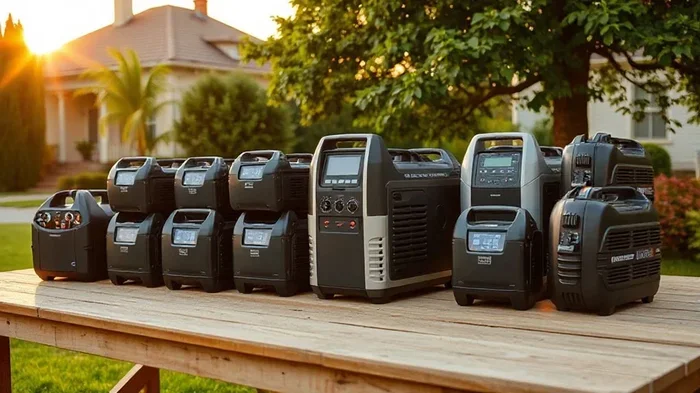
Portable Electric Generator for Home Power Solutions
A portable electric generator keeps your home running when the power goes out. This guide covers everything from choosing the right wattage to safe setup and maintenance tips. You will learn how to match a generator to your home’s energy needs and avoid costly mistakes.
A portable electric generator for home use is one of the smartest investments you can make. Power outages affect millions of households every year. Whether it is a storm, a grid failure, or a simple equipment glitch, losing electricity can disrupt your daily life in minutes.
Having a portable generator means you stay comfortable and safe when the lights go out. You can keep your refrigerator running, charge your phone, and even power essential medical equipment. This guide walks you through everything you need to know about selecting, using, and maintaining a portable electric generator for home power solutions.
We will cover sizing, fuel types, safety, and real-world tips that help you make a confident decision. By the end, you will know exactly what to look for and how to get the best value for your money.
Key Takeaways
- Right-sizing matters: Matching your generator wattage to your home’s actual power needs prevents overload and saves fuel.
- Fuel choice affects cost and runtime: Gasoline, propane, and dual-fuel models each have unique pros and trade-offs.
- Safety comes first: Always run a portable generator outdoors and use a transfer switch to protect your home and family.
- Regular maintenance extends lifespan: Simple tasks like oil changes and fuel stabilizer use can add years to your unit.
- Inverter generators offer cleaner power: They are ideal for sensitive electronics like laptops and medical devices.
- Portable power stations are a quieter alternative: Battery-powered options work well for light loads and indoor use.
📑 Table of Contents
- Why Every Home Needs a Portable Electric Generator
- How to Choose the Right Portable Generator for Your Home
- Top Benefits of a Portable Electric Generator
- How to Safely Run a Generator at Home
- Maintenance Tips to Keep Your Generator Running
- Common Mistakes to Avoid When Buying and Using a Portable Generator
- How Long Does a Portable Generator Last?
- Cost Considerations: What to Expect
- Quick Tips for Getting the Most Out of Your Generator
- Final Thoughts on Portable Electric Generators for Home Use
Why Every Home Needs a Portable Electric Generator
Power outages are not just a winter problem. Summer storms, heat waves, and infrastructure issues can knock out electricity any time of year. A backup power supply keeps your household running smoothly no matter the season.
Power Outages Are More Common Than You Think
According to utility reports, the average American home experiences several power interruptions per year. Some last just a few minutes. Others can stretch for hours or even days. When the grid goes down, your food spoils, your Wi-Fi drops, and your heating or cooling system stops working.
A portable power supply like a generator solves these problems fast. You do not have to wait for the utility company to fix things. You take control of your own home energy needs the moment the power goes out.
The Convenience of Having Your Own Generator
Beyond emergencies, a portable generator is useful for everyday life. Want to run power tools in your garage? Hosting an outdoor event? Camping or tailgating? A small portable generator handles all of these tasks with ease.
Many homeowners also use generators during planned situations like renovations. If your electrician is working on the main panel, a generator keeps essential circuits live. The flexibility is a huge advantage that makes this a practical tool year-round.
How to Choose the Right Portable Generator for Your Home
Not all generators are the same. Choosing the right one depends on what you want to power and how long you need it to run. Let us break down the key factors.
Understanding Generator Wattage
Wattage is the most important spec to understand. Every appliance and device in your home uses a certain number of watts. To pick the right unit, you need to add up the total wattage of the items you want to run at the same time.
Here is a simple breakdown:
- Refrigerator: About 700 running watts, 2,200 starting watts
- Sump pump: Around 1,300 running watts
- Window AC unit: 1,000 to 1,500 running watts
- Lights (five rooms): About 600 total watts
- Phone/laptop charging: 100 to 200 watts each
Add these up and you get a clear picture of the generator wattage you need. A unit rated between 3,000 and 5,000 watts handles most essential home circuits comfortably. If you want to power your entire house, you may need a larger model or consider a whole house generator instead.
Fuel Types and Efficiency
Portable generators run on different fuels, and each has its own advantages. Gasoline is the most common and widely available. It works great for short-term use and is easy to store in small quantities.
Propane burns cleaner and lasts longer on the shelf. Many homeowners prefer dual-fuel models that let them switch between gasoline and propane. This gives you flexibility and extends your generator runtime during longer outages.
Some modern units also run on natural gas, which connects directly to your home’s gas line. This means you never have to refuel manually. Check out how much propane a 20kw generator uses per hour for a deeper look at fuel costs.
Inverter vs. Conventional Generators
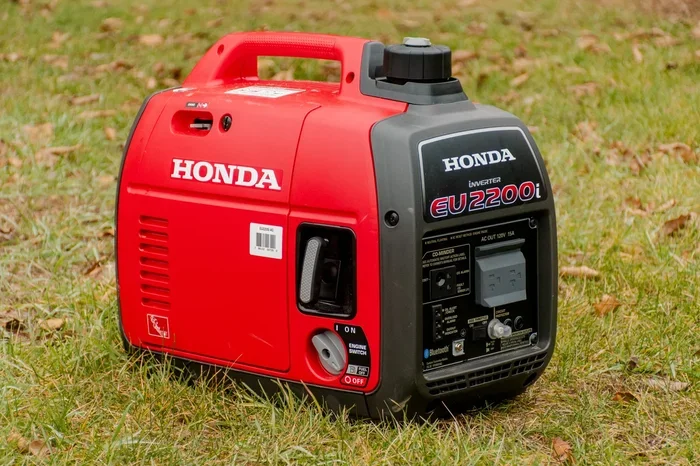
Inverter generators produce cleaner, more stable power. They are ideal for sensitive electronics like laptops, TVs, and medical devices. Conventional generators are simpler and often cheaper, but they produce dirtier power that can harm delicate equipment.
If you plan to power electronics, an inverter generator is the better choice. The slightly higher price pays for itself in protection and peace of mind.
Top Benefits of a Portable Electric Generator
A portable electric generator for home use offers many advantages beyond just keeping the lights on. Here are the biggest reasons homeowners invest in one.
- Immediate backup power: No need to wait for utility crews. Your generator kicks in as soon as the power drops.
- Food safety: Keep your refrigerator and freezer running so your food does not spoil during extended outages.
- Comfort and safety: Power your heating or cooling system, sump pump, and medical devices without interruption.
- Cost savings: Avoid hotel stays, restaurant meals, and spoiled groceries that add up during long outages.
- Portability: Move the generator wherever you need it, whether it is the backyard, the garage, or a job site.
- Easy to use: Most modern units start with the push of a button and require minimal setup.
When you compare the cost of a generator to the cost of being without power, the value becomes obvious. A reliable backup power system pays for itself the first time it saves your food or keeps your home comfortable.
How to Safely Run a Generator at Home
Safety is the most critical part of owning a generator. Improper use can cause carbon monoxide poisoning, electrical fires, or damage to your home’s wiring. Follow these guidelines to stay safe.
Never Run a Generator Indoors
Generators produce carbon monoxide, an invisible and odorless gas that can be deadly. Always run your unit outdoors, at least 20 feet from any window, door, or vent. Never place it in a garage, even with the door open.
Use a Transfer Switch
A transfer switch connects your generator directly to your home’s electrical panel. This is much safer than running extension cords through windows or doors. It also prevents backfeeding, which can endanger utility workers repairing power lines.
Want a step-by-step guide on setting this up? Check out our article on how to run a generator to your house for detailed instructions.
Keep It Dry and Level
Always place your generator on a dry, level surface. Use a generator tent or canopy in rainy conditions, but never cover it while it is running. Moisture can damage the unit and create electrical hazards.
Store Fuel Safely
Keep gasoline in approved containers and store them outside your living space. Add fuel stabilizer if you plan to store fuel for more than 30 days. Learn more about fuel storage in our guide on how long you can leave gas in a generator.
Maintenance Tips to Keep Your Generator Running
A portable generator is a machine, and like any machine, it needs regular care. Simple maintenance tasks keep your unit reliable and extend its lifespan by several years.
Change the Oil Regularly
Most manufacturers recommend an oil change after the first 20 to 30 hours of use, and then every 100 hours after that. Fresh oil keeps the engine running smoothly and prevents premature wear.
Check the Air Filter
A dirty air filter restricts airflow and reduces engine performance. Inspect the air filter every few uses and clean or replace it as needed. This is one of the easiest and most overlooked generator maintenance tasks.
Use Fuel Stabilizer
Gasoline breaks down over time, which can clog the carburetor and prevent your generator from starting. Add fuel stabilizer to any gas you plan to store for more than a month. This simple step saves you from frustrating start-up problems.
Run the Generator Monthly
Even if you never have a power outage, run your generator for about 30 minutes once a month. This keeps the engine lubricated and ensures everything is in working order when you need it most.
Check the Spark Plug
A worn spark plug causes hard starting and poor performance. Inspect it every few months and replace it if you notice corrosion or wear. This small part makes a big difference in reliability.
Common Mistakes to Avoid When Buying and Using a Portable Generator
Many buyers make the same errors that lead to frustration and wasted money. Here are the most common mistakes and how to avoid them.
- Buying too small: Undersized generators overload quickly and shut down. Always calculate your total wattage needs before purchasing.
- Ignoring starting watts: Many appliances need extra power to start up. Your generator must handle both running and starting wattage.
- Skipping the transfer switch: Using extension cords is risky and inconvenient. A transfer switch is a safer and more permanent solution.
- Overloading the generator: Plugging in too many devices at once trips the breaker and can damage the unit.
- Neglecting maintenance: A generator that sits unused for months without care will likely fail when you need it most.
Avoiding these mistakes saves you time, money, and stress. A little planning goes a long way toward reliable home power backup.
How Long Does a Portable Generator Last?
The lifespan of a portable generator depends on how well you maintain it and how often you use it. A well-cared-for unit can last between 1,000 and 3,000 hours of operation. For the average household that uses the generator a few times per year, this translates to roughly 10 to 20 years of service.
For comparison, a whole house generator typically lasts longer because it is built for heavier, more frequent use. But a quality portable unit, properly maintained, serves most homeowners very well for many years.
Curious about longevity in more detail? Visit our page on how long a whole house generator lasts for additional insights on generator lifespan.
Cost Considerations: What to Expect
The price of a portable generator varies widely based on size, features, and brand. Smaller units under 3,000 watts start around $300 to $500. Mid-range models between 3,000 and 7,000 watts typically cost $500 to $1,500. Larger units with more features can go beyond $2,000.
When you are shopping, consider the total cost of ownership. Factor in fuel costs, maintenance supplies, and any accessories like transfer switches or generator tents. The cheapest unit upfront is not always the best deal over time.
For a deeper dive into pricing, check out what the average cost of a Generac generator is for a brand-specific perspective on generator pricing.
Quick Tips for Getting the Most Out of Your Generator
- Label your extension cords and keep them organized for fast setup during outages.
- Keep a log of maintenance tasks so you never miss an oil change or filter replacement.
- Test your generator with your actual appliances before an emergency occurs.
- Invest in a carbon monoxide detector near your generator’s usual placement area.
- Keep spare fuses, oil, and fuel stabilizer on hand at all times.
- Read your owner’s manual thoroughly before your first use.
These small habits make a big difference. They keep your unit running smoothly and ensure you are ready when the power goes out.
Final Thoughts on Portable Electric Generators for Home Use
A portable electric generator for home power solutions is a practical, affordable way to protect your household from unexpected outages. From choosing the right wattage to following safety protocols and keeping up with maintenance, every step matters.
Take the time to assess your home’s energy needs. Pick a unit that fits those needs and your budget. Invest in proper setup and regular care. The result is a reliable backup power supply that gives you peace of mind no matter what the weather or the grid has in store.
Power outages do not wait for a convenient time. But with the right portable generator, you are always prepared. Start your research today, and make sure your home is ready for whatever comes next.
Frequently Asked Questions
What size portable generator do I need for a typical home?
Most homes need a generator between 3,000 and 7,000 watts to cover essential circuits like the refrigerator, lights, and sump pump. Calculate the total running and starting watts of the devices you want to power to find the right size.
Can I run a portable generator inside my garage?
No. Generators must always be run outdoors because they produce carbon monoxide, which is deadly. Even a garage with the door open is not safe. Place the unit at least 20 feet from any window or door.
How long can a portable generator run continuously?
Most portable generators can run for 8 to 12 hours on a full tank of gasoline. Propane models can run longer with larger tanks. Check your specific model’s specs for exact runtime numbers.
Do I need a transfer switch for my generator?
Yes, a transfer switch is strongly recommended. It connects your generator safely to your home’s electrical panel and prevents backfeeding. It also makes powering your home much easier and safer during an outage.
What is the difference between an inverter generator and a conventional generator?
An inverter generator produces cleaner, more stable power that is safe for sensitive electronics. Conventional generators are simpler and often cheaper but produce power that can damage delicate devices like laptops and medical equipment.
How often should I maintain my portable generator?
Change the oil every 100 hours of use, check the air filter regularly, and add fuel stabilizer for stored fuel. Run the generator for 30 minutes once a month to keep the engine in good condition, even if you never have an outage.