March Madness Bracket Generator for Winning Your Picks
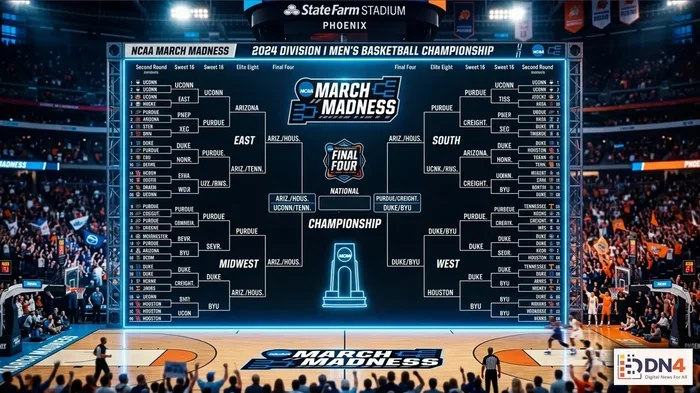
A March Madness bracket generator helps you create data-driven picks for the NCAA tournament. These tools use algorithms, seed rankings, and predictive analytics to suggest your bracket strategy. Whether you join a casual bracket pool or compete in a serious contest, a bracket generator gives you a winning edge.
Every year, millions of people try to fill out a bracket for the NCAA tournament. Some rely on gut feelings. Others pick their favorite teams. But the smartest approach uses a March Madness bracket generator to take the guesswork out of the process. These tools analyze team stats, seed rankings, and historical data to give you a serious edge. If you want to win your bracket pool this season, learning how to use one is a game changer.
A March Madness bracket generator is not just a random picker. It is a smart tool built on data and algorithms. Whether you are a casual fan or a bracket contest veteran, these generators help you make informed tournament predictions. In this guide, we will walk you through everything you need to know. You will learn how they work, which ones to use, and how to turn those picks into a winning bracket.
Key Takeaways
- Point 1: A March Madness bracket generator uses data and algorithms to help you make smarter tournament picks.
- Point 2: Free and paid bracket tools offer different features, so choose one that fits your strategy and budget.
- Point 3: Understanding seed rankings and upset potential is key to filling out a winning bracket.
- Point 4: Using a tournament simulator lets you test your picks before the games begin.
- Point 5: Avoid common mistakes like over-relying on the tool or ignoring matchup details.
- Point 6: Combine generator insights with your own basketball knowledge for the best results.
📑 Table of Contents
What Is a March Madness Bracket Generator?
A March Madness bracket generator is a software tool that helps you fill out your NCAA tournament bracket. Instead of guessing which teams will win, the generator uses math, statistics, and predictive analytics to suggest your bracket picks. Think of it as your personal bracket coach that never gets tired or emotional about team loyalties.
These tools have become incredibly popular during tournament season. Millions of people use them to enter office pools, online bracket contests, and fantasy bracket challenges. The beauty of a bracket generator is that it removes bias. It does not care if your alma mater is playing. It only cares about the numbers. This makes it one of the most powerful tools for anyone serious about winning a bracket contest.
How Bracket Generators Use Data
Most bracket generators pull in a wide range of data points. They look at team ratings, offensive and defensive stats, player injuries, and recent performance. Some even factor in home court advantage and travel schedules. The more data the tool uses, the better its tournament predictions will be.
Advanced generators use machine learning models. These models study thousands of past tournament games to find patterns. They learn which factors matter most when predicting upsets and close games. The result is a set of bracket picks that are backed by real evidence, not just luck.
Why People Use Bracket Generators
People use bracket generators for many reasons. Some want to save time. Others want to improve their odds. And some just want to have fun while making smarter picks. No matter your reason, a bracket generator gives you a solid starting point. It takes the pressure of filling out a bracket by hand and replaces it with a data-driven approach.
Using a generator also helps you avoid common biases. We all have favorite teams. We all want to root for the underdog. But those emotions can hurt your bracket. A generator keeps you objective. It looks at the numbers and suggests the most likely outcomes based on evidence, not feelings.
How Does a Bracket Generator Work?
Understanding how a bracket generator works is simpler than you might think. At its core, the tool runs simulations. It plays out the tournament thousands of times using different scenarios. Each simulation produces a possible outcome. After running all these simulations, the generator shows you the most likely results.
Now, you might wonder how this compares to other tools. If you have ever used a power generator at home, you know that understanding how a generator works helps you get the best results from it. The same logic applies here. When you understand the mechanics behind a March Madness bracket generator, you can use it more effectively. You will know why it makes certain picks and when to trust its suggestions.
Most generators start by ranking every team in the tournament. They assign each team a power rating based on their season performance. Then they simulate each matchup thousands of times. The team with the higher rating usually wins, but upsets happen too. The generator accounts for this by introducing randomness based on historical upset rates.
The Science Behind Tournament Predictions
Tournament predictions are not just about picking the best team. They are about understanding probabilities. A good bracket generator calculates the likelihood of every possible outcome. It considers factors like seed matchups, conference strength, and recent form.
For example, a number 1 seed almost always beats a number 16 seed. But a number 12 seed beating a number 5 seed happens more often than people think. A smart generator knows these patterns and factors them into its picks. This is what separates a basic random picker from a truly useful March Madness bracket generator.
The best generators also update their models as the tournament progresses. They adjust predictions based on real game results. This means your bracket evolves with the tournament, giving you the most accurate picks possible at every stage. This kind of predictive analytics is what makes these tools so valuable for serious bracket competitors.
Types of March Madness Bracket Generators
Not all bracket generators are the same. Some are simple and free. Others are packed with advanced features and cost money. Knowing the difference helps you choose the right tool for your needs.
Free Bracket Generators
Free bracket generators are a great starting point. Many websites and apps offer them at no cost. You enter your preferences, and the tool gives you a complete bracket. These free tools are perfect for casual fans who just want to have fun in their bracket pool.
Just like how the generator cost for a house varies depending on your needs, the quality of free bracket generators varies too. Some are surprisingly sophisticated. Others are very basic. The key is to try a few and see which one gives you the best results. Many popular sports sites offer free generators that are surprisingly accurate.
Free tools usually include basic features like seed-based rankings and simple matchup analysis. They are easy to use and require no investment. For many people, a free generator is all they need to enjoy the tournament and maybe even win a pool or two.
Paid and Premium Bracket Tools
Paid bracket generators offer more advanced features. They often include detailed analytics, custom algorithms, and access to expert insights. If you are serious about winning a large bracket contest, investing in a premium tool can pay off.
These paid tools usually provide deeper analysis. They look at player-level stats, coaching trends, and even social media sentiment. Some offer real-time updates as the tournament progresses. If you are competing for serious money or prizes, a premium generator gives you a real advantage over casual pickers.
| Feature | Free Generators | Paid Generators |
|---|---|---|
| Price | $0 | $10 to $50+ |
| Data Depth | Basic team stats | Player-level and advanced metrics |
| Simulations | Limited runs | Thousands of simulations |
| Customization | Basic settings | Advanced risk and style controls |
| Updates | Static picks | Real-time tournament adjustments |
| Best For | Casual bracket pools | Serious contest competitors |
How to Use a Bracket Generator for Better Picks
Using a bracket generator is easy, but using it well takes a little strategy. Here is how to get the most out of your tool.
Step-by-Step Guide to Filling Out Your Bracket
First, choose your generator. Pick one that matches your needs and budget. Next, input any preferences you have. Some tools let you adjust how much you trust upsets or favor certain conferences. Then, let the tool generate your bracket.
Before the tournament starts, you should start your bracket preparation early. Think of it like starting a generator before you need power. You need to get it ready before the big moment comes. Review the generated picks, make any adjustments you feel strongly about, and lock in your bracket before the first game tips off.
Here are some quick tips for the process:
- Generate multiple brackets and compare them side by side.
- Adjust settings to match your risk tolerance and contest type.
- Review each matchup before finalizing your picks.
- Update your bracket as teams play and stats change.
- Share your bracket with friends for a second opinion.
How Many Picks Do You Really Need?
A common question is how many picks you should trust from your generator. The answer depends on your confidence level. Most experts suggest using the generator as your baseline and then making a few manual adjustments.
Think of it this way. When you figure out how many watts a generator needs for your house, you match the tool to your actual power needs. Similarly, you should match your bracket strategy to the size of your contest. In a large bracket pool with thousands of entries, you need unique and bold picks. In a small office pool, safe and consistent choices often win.
A good rule of thumb is to trust about 70 to 80 percent of your generator picks. Use your own knowledge for the remaining 20 to 30 percent. This hybrid approach gives you the best of both worlds. You get the power of data-driven predictions with the insight of your own basketball knowledge.
Here are the steps to follow for the best results:
- Generate your baseline bracket from the tool.
- Review each first round matchup for potential upsets.
- Adjust your Sweet 16 and Elite Eight picks based on recent form.
- Make your Final Four and championship picks carefully.
- Lock in your bracket well before the tournament begins.
Best Strategies for Winning with a Bracket Generator
Having a generator is only half the battle. You also need a solid strategy to turn those picks into a winning bracket. Here are the best approaches to maximize your chances.
Understanding Seed Rankings
Seed rankings are the backbone of any tournament bracket. The NCAA committee seeds teams from 1 to 16 in each region. A number 1 seed is the strongest team in that region. A number 16 seed is the weakest. Understanding these rankings helps you use your generator more effectively.
Most generators will correctly predict that 1 seeds advance deep into the tournament. The real value of a bracket generator is in identifying where upsets can happen. A good tool will highlight potential first round upsets involving 11, 12, 13, and 14 seeds. These are the games that make or break brackets. Focus on these matchups and you will stand out from the crowd.
Spotting Upset Opportunities
Upsets are what make March Madness exciting. They are also what separate winning brackets from losing ones. A March Madness bracket generator can help you spot upset opportunities that you might otherwise miss.
Look for teams with strong defenses playing against high-scoring but inconsistent opponents. Pay attention to teams that have won their conference tournament and are peaking at the right time. Also consider teams with strong guard play, since guards often decide close tournament games.
Your generator might suggest an upset in the first round. If the data supports it, do not be afraid to take that pick. Just make sure you do not go overboard with too many upsets early on. Balance is the key to a winning bracket strategy. A few well-placed upsets can boost your bracket far above the rest.
Using Tournament Simulators
Many modern bracket generators include tournament simulators. These simulators run the entire tournament thousands of times. They show you which teams are most likely to reach the Final Four and win the championship.
Using a simulator is one of the best ways to test your bracket before the tournament starts. You can see which teams your generator favors and adjust accordingly. If your generator consistently simulates a particular team winning it all, that team might be a strong pick for your championship slot.
Simulators also help you understand the path to the title. They show you which matchups matter most and where upsets are most likely. This kind of predictive analytics gives you a serious edge over people who are just guessing. Expert tip: Run at least 100 simulations and look for patterns in the results.
Expert Insight: According to tournament analytics experts, the Sweet 16 and Elite Eight are where most brackets break down. A good generator helps you navigate these high-stakes rounds with confidence. Focus your attention on these stages and you will see a noticeable improvement in your bracket quality. The teams that advance past the Sweet 16 are often the ones that have a balanced attack and strong defense.
Common Mistakes When Using a Bracket Generator
Even the best tools can lead you astray if you use them wrong. Here are the most common mistakes to avoid when filling out your bracket.
Over-Relying on the Generator
The biggest mistake is trusting the generator completely. No tool is perfect. Upsets happen every year in the tournament. A generator might miss a key injury or a team that is struggling with morale. Always review the picks before finalizing your bracket.
Think of your generator as a helpful assistant, not a final authority. Use it to guide your decisions, but apply your own judgment too. The best bracket strategies combine data with intuition. If something feels off about a pick, do not be afraid to change it. Your knowledge of the teams matters just as much as the algorithm.
Ignoring Matchup Details
Another mistake is ignoring the specific details of each matchup. A generator might rate two teams close in overall power. But one team might have a dominant center while the other struggles in the paint. These details matter in tournament basketball.
Take the time to review each game before you lock in your bracket. Look at recent head-to-head results, home and away records, and key player availability. A few minutes of extra research can make a huge difference in the quality of your bracket picks. The difference between a good bracket and a great one often comes down to these small details.
Following the Crowd
One subtle mistake is letting popular opinion influence your bracket. Everyone picks the same favorites and the same upsets. If you want to win a bracket contest, you need to stand out. Your generator can help by suggesting picks that are different from the mainstream.
Use your generator to find undervalued teams and overlooked matchups. These contrarian picks are often what separate a good bracket from a great one. Remember, in a bracket contest, you are competing against thousands of other people. Unique picks earn more points when favorites lose. Do not be afraid to go against the grain if the data supports it.
Waiting Until the Last Minute
Procrastination is the enemy of a great bracket. Many people wait until the night before the tournament starts to fill theirs out. This is a huge mistake. You need time to review picks, adjust for news, and compare different generator results. Rushing leads to sloppy brackets and missed opportunities.
Start your bracket early. Generate picks days or even weeks before the tournament begins. Monitor team news and injury reports as they develop. Make adjustments as needed. A well-prepared bracket gives you the best chance of climbing to the top of your bracket pool.
Final Thoughts
A March Madness bracket generator is one of the smartest tools you can use during tournament season. It takes the emotion out of picking and replaces it with data-driven predictions. Whether you are filling out your first bracket or competing for the grand prize, these tools give you a real advantage.
The key is to use the generator as part of a broader strategy. Combine its picks with your own knowledge of the teams. Review matchups carefully. And always stay flexible as the tournament unfolds. No bracket is perfect, but a well-informed one gives you the best chance to come out on top.
This season, do not just guess your way through the tournament. Use a bracket generator, follow the strategies in this guide, and watch your picks improve. The road to a winning bracket starts with the right tool and the right approach. Good luck, and may the best bracket win.
Frequently Asked Questions
What is the best March Madness bracket generator?
The best generator depends on your needs. Free tools from major sports sites work well for casual bracket pools. Paid tools with advanced analytics are better for serious competitors. Look for generators that use predictive analytics and update their models during the tournament.
Are free bracket generators accurate?
Many free generators are surprisingly accurate. They use solid algorithms and historical data to make their picks. However, paid generators usually offer deeper analysis and more customization. For most casual bracket pools, a free generator is more than enough to get started.
How early should I fill out my bracket?
Start as early as possible. Generating your picks days or weeks before the tournament gives you time to review and adjust. Monitor team news, injury reports, and recent performance. Lock in your bracket well before the first game to avoid last-minute panic picks.
Can a bracket generator guarantee a win?
No tool can guarantee a win. Upsets are a natural part of March Madness. A bracket generator improves your odds by using data and simulations, but it cannot predict every outcome. Use it as a guide, combine it with your own knowledge, and you will give yourself the best chance to win.
What factors do bracket generators consider?
Most generators look at team ratings, seed rankings, offensive and defensive stats, player injuries, home court advantage, and recent performance. Advanced tools also factor in conference strength, coaching trends, and historical upset rates. The more factors a generator considers, the more accurate its tournament predictions will be.
Should I use multiple bracket generators?
Yes, using multiple generators can be very helpful. Compare the picks from different tools and look for agreement. Where they agree, those are likely strong picks. Where they disagree, those are the games where you should do extra research. This approach gives you a more well-rounded bracket strategy.