Jenny Air Compressor Parts Guide for Better Performance
Jenny air compressor parts are essential for keeping your compressor running smoothly and efficiently. Whether you need a replacement pressure switch, pump component, or air tank fitting, using the right parts makes a huge difference. This guide covers everything from identifying the correct components to maintenance tips that extend the life of your machine.
Jenny air compressor parts are the backbone of keeping your compressor running at peak performance. Whether you use your machine in a garage, workshop, or construction site, the right components make all the difference between smooth operation and frustrating downtime.
If you have been dealing with pressure drops, unusual noises, or reduced airflow, the problem might be worn-out parts. Understanding what goes into your compressor and how each piece works helps you make smarter buying decisions. This guide walks you through everything you need to know about Jenny air compressor parts in plain, simple language.
We will cover the essential components, how to choose replacements, maintenance tips, and where to buy genuine parts. By the end, you will feel confident tackling repairs and upgrades yourself. Let us dive in.
Key Takeaways
- Know your model: Always identify your specific Jenny compressor model before ordering any parts to ensure a perfect fit.
- OEM vs aftermarket: Genuine Jenny parts offer better reliability, but quality aftermarket options can save you money without sacrificing performance.
- Regular maintenance matters: Simple routine checks like inspecting filters, gaskets, and lubricant levels prevent costly part failures.
- Common parts wear out: The pump assembly, pressure switch, unloader valve, and check valve are the most frequently replaced components.
- Buy from trusted sources: Purchasing from authorized dealers helps you avoid counterfeit parts that can damage your compressor.
- Performance upgrades exist: Upgrading certain parts like the air filter or regulator gauge can noticeably improve your compressor’s efficiency.
- Safety first: Always disconnect power and release pressure before replacing any Jenny air compressor parts.
📑 Table of Contents
- Understanding Your Jenny Air Compressor
- Essential Jenny Air Compressor Parts You Should Know
- How to Choose the Right Replacement Parts
- Maintenance Tips to Extend Part Life
- Troubleshooting Common Part Failures
- Where to Buy Genuine Jenny Air Compressor Parts
- Performance Upgrades Worth Considering
- Common Mistakes to Avoid When Replacing Parts
- Final Thoughts on Jenny Air Compressor Parts
Understanding Your Jenny Air Compressor
Before you start shopping for replacement parts, it helps to understand how your compressor works. Jenny has built a strong reputation in the air compressor world for decades. Their machines are known for durability, but every compressor has components that wear down over time. Knowing the basics puts you ahead of most users.
What Makes Jenny Compressors Special
Jenny compressors are designed with heavy-duty components built for regular use. The brand offers both portable and stationary models, and each one uses a specific set of parts tailored to its design. Unlike generic compressors, Jenny machines often feature proprietary components that are optimized for performance and longevity.
The engineering behind these machines focuses on consistent pressure delivery and energy efficiency. This means that when a part wears out, replacing it with a high-quality match is critical. A poorly fitting component can reduce efficiency, increase energy costs, and even cause further damage to your machine.
Common Jenny Air Compressor Models and Their Parts
Jenny makes several popular compressor lines. The most common models include portable units for home garages and larger stationary models for professional workshops. Each model uses a different set of air compressor replacement parts, so identifying your exact model number is the first step.
You can usually find the model number on a sticker near the motor or on the air tank itself. Write it down and keep it handy whenever you order parts. This small step saves a lot of time and frustration later on.
Essential Jenny Air Compressor Parts You Should Know
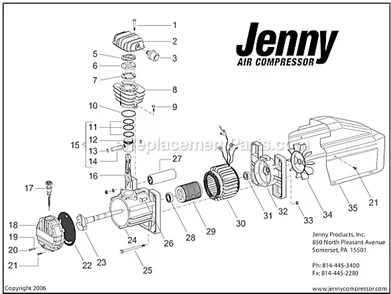
Every compressor has core components that do the heavy lifting. Understanding what each part does helps you identify problems faster and choose the right replacements. Here is a breakdown of the most important Jenny compressor components you will encounter.
The Pump Assembly
The pump is the heart of your compressor. It pulls in air, compresses it, and pushes it into the tank. Jenny air compressor parts in the pump assembly include piston rings, valve plates, gaskets, and connecting rods. Over time, these pieces wear down and lose their seal, causing pressure loss.
If you notice your compressor taking longer to build pressure or failing to reach the cut-off level, the pump assembly is a good place to start looking. Replacing worn valve plates and gaskets can restore performance quickly and affordably.
Motor and Electrical Components
The motor drives the pump and keeps everything running. Key electrical compressor components include the start capacitor, run capacitor, and motor windings. A failing capacitor often causes the compressor to hum but not start, which is a common issue many users face.
Before replacing the motor itself, check the simpler electrical parts first. Swapping out a bad capacitor costs a fraction of what a new motor costs. Always make sure to match the voltage and horsepower ratings when ordering replacement parts.
Tanks and Fittings
The air tank stores compressed air for use when the compressor is not running. Tank fittings, drain valves, and safety relief valves are all critical Jenny air compressor parts. Rust and corrosion can weaken tanks over time, especially in humid environments.
Regularly draining moisture from the tank prevents internal rust and extends its lifespan. If you spot any visible rust spots or leaks around the fittings, address them immediately. A compromised tank is a safety hazard that should never be ignored.
Pressure Switch and Unloader Valve
The pressure switch tells the compressor when to turn on and off based on the tank pressure. The unloader valve releases pressure from the pump when the compressor shuts off. Both parts are essential for smooth cycling and energy efficiency.
A faulty pressure switch can cause the compressor to run continuously or not start at all. A stuck unloader valve creates extra load on the motor. These are among the most common air compressor replacement parts that users need to replace over time.
Air Filter and Lubricant System
Clean air intake is vital for compressor longevity. The air filter prevents dust and debris from entering the pump. Meanwhile, the lubricant system keeps internal components moving smoothly without excessive friction.
Changing the air filter regularly and using the correct compressor lubricant are simple habits that prevent bigger problems down the road. Dirty filters restrict airflow, which forces the motor to work harder and wear out faster.
How to Choose the Right Replacement Parts
Not all replacement parts are created equal. Choosing the right ones for your Jenny compressor involves a few key decisions. Let us walk through the most important considerations.
OEM vs Aftermarket Parts
OEM (Original Equipment Manufacturer) parts are made by Jenny or their authorized suppliers. They match the exact specifications of your original components. Aftermarket parts are made by third-party manufacturers and may vary slightly in design and materials.
OEM parts generally offer the best fit and reliability. They come with the assurance that they meet Jenny’s quality standards. However, genuine OEM parts can sometimes cost more than aftermarket alternatives.
Aftermarket parts have improved significantly in recent years. Many reputable brands now manufacture high-quality replacements that perform just as well as the originals. The key is to buy from trusted suppliers who specialize in compressor parts.
Matching Parts to Your Model
Always cross-reference part numbers with your specific Jenny model. Using a part designed for a different model can lead to poor performance or even damage. Most manufacturers list compatible part numbers in the user manual or on their website.
When in doubt, contact Jenny customer support or consult with a knowledgeable parts supplier. They can help you confirm compatibility before you make a purchase. Taking a few extra minutes to verify fitment saves money and headaches in the long run.
Quality Indicators to Look For
Not all aftermarket parts are the same quality. Look for parts made from durable materials like forged steel, brass, and high-grade rubber. Check for warranties and return policies from the seller. Read customer reviews to get a sense of real-world performance.
A good compressor repair kit often includes multiple commonly replaced parts at a bundled price. These kits can save money compared to buying individual components. Just make sure the kit is designed for your specific Jenny model.
Maintenance Tips to Extend Part Life
Regular maintenance is the single best way to reduce the frequency of part replacements. A well-maintained compressor runs more efficiently, lasts longer, and costs less to operate over time.
Regular Inspection Checklist
Set up a simple inspection routine. Check the following items every few weeks or at least once a month:
- Air filter: Look for dust buildup and replace if dirty.
- Hose connections: Check for leaks or loose fittings.
- Pressure gauge: Verify it reads accurately.
- Drain valve: Open it to release trapped moisture.
- Belt tension: Ensure the compressor belt is properly aligned and not worn.
- Unloader valve: Listen for proper operation during start and stop cycles.
This simple checklist catches small problems before they turn into expensive repairs. Many compressor failures start with something minor that could have been easily fixed.
Lubrication and Filter Care
Proper lubrication reduces friction and wear on internal components. Use only the type of lubricant recommended in your Jenny compressor manual. Over-lubricating can be just as harmful as under-lubricating, so follow the guidelines carefully.
Replace the air filter when it appears dirty or according to the manufacturer’s schedule. In dusty environments, you may need to change it more frequently. A clean filter allows your compressor to breathe properly and maintain consistent performance.
Seasonal Maintenance Considerations
Temperature changes affect compressor performance. In cold weather, lubricant can thicken and reduce efficiency. In hot weather, moisture buildup increases. Adjust your maintenance routine based on seasonal conditions to keep your machine running smoothly year-round.
Storing your compressor in a clean, dry area also helps prevent premature wear on parts. Moisture and dust are the biggest enemies of any compressor system.
Troubleshooting Common Part Failures
Even with good maintenance, parts eventually fail. Knowing how to diagnose common problems helps you address issues quickly and avoid unnecessary downtime.
Pressure Loss Issues
If your compressor struggles to maintain pressure, several components could be at fault. Start by checking the check valve, which prevents air from flowing back into the pump. A worn check valve lets compressed air escape, causing the motor to cycle frequently.
Next, inspect the tank for leaks. Apply soapy water to fittings and connections and look for bubbles. Even a small leak can reduce pressure over time and waste energy. Replacing a damaged tank fitting is usually a quick and inexpensive fix.
Unusual Noises and Vibrations
Grinding, rattling, or squealing sounds often signal worn internal parts. A loose compressor belt can cause squealing, while metal-on-metal grinding might indicate failing bearings or a damaged pump. Vibrations can point to an unbalanced motor or loose mounting bolts.
Do not ignore unusual sounds. They are your compressor’s way of telling you something is wrong. Addressing noise issues early prevents more extensive damage to critical compressor components.
Overheating Problems
If your compressor runs hot, check the ventilation openings first. Blocked airflow causes heat to build up quickly. Dirty oil passages or low lubricant levels can also lead to overheating. In some cases, a failing motor capacitor causes the motor to draw too much current and overheat.
Letting your compressor overheat repeatedly will shorten the life of many internal parts. Address overheating issues immediately to protect your investment.
Where to Buy Genuine Jenny Air Compressor Parts
Finding the right source for Jenny air compressor parts is just as important as choosing the right parts. A reliable supplier ensures you get genuine components that fit properly and perform well.
Authorized Dealers and Online Sources
The best place to start is Jenny’s official website or authorized dealer network. These sources guarantee authenticity and often provide warranty coverage. Many authorized dealers also maintain online catalogs that make it easy to search for parts by model number.
Online marketplaces like Amazon and eBay also carry a wide selection of compressor parts. However, the quality can vary significantly. Always verify the seller’s reputation and check whether the parts are genuine OEM or aftermarket alternatives.
Tips for Avoiding Counterfeit Parts
Counterfeit compressor parts are a real problem in the market. They may look similar to genuine parts but use inferior materials that fail quickly. To avoid fakes, buy from authorized sellers, check for proper branding and packaging, and be wary of prices that seem too good to be true.
Genuine OEM compressor parts usually come with part numbers, manufacturer markings, and quality assurance documentation. If a seller cannot provide this information, consider looking elsewhere. Your compressor is a significant investment, and using cheap knockoff parts risks damaging it further.
Local Supply Stores vs Online Shopping
Local supply stores let you see and compare parts in person. They can also offer expert advice based on your specific compressor model. Online shopping offers a wider selection and often better prices, but you lose the ability to inspect parts before buying.
Many users find the best approach is a combination of both. Visit a local store to confirm part specifications, then compare prices online before placing an order. This strategy gives you the best of both worlds.
Performance Upgrades Worth Considering
Beyond simple replacements, certain upgrades can improve your Jenny compressor’s overall performance. These enhancements are especially worthwhile if you use your compressor frequently or for demanding tasks.
Upgrading the Air Filter
A high-performance air filter improves airflow and protects the pump from contamination. Upgraded filters trap smaller particles and last longer than standard filters. This simple upgrade can improve efficiency and reduce maintenance frequency.
Installing a Better Regulator Gauge
The regulator gauge controls the output pressure delivered to your tools. A more accurate gauge helps you set the right pressure for each task, which improves tool performance and reduces energy waste. Look for gauges with clear displays and precise calibration.
Upgrading the Air Hose
A high-quality air hose with proper diameter and length reduces pressure drops and improves tool performance. Flexible, kink-resistant hoses are especially helpful in busy workshops where the compressor needs to move around frequently.
Common Mistakes to Avoid When Replacing Parts
Even experienced users sometimes make mistakes when replacing compressor parts. Avoiding these common errors saves time, money, and frustration.
- Skipping the manual: Always consult your Jenny compressor manual before replacing any part. It contains specific instructions and torque specifications.
- Using the wrong lubricant: Different compressors require different types of oil. Using the wrong lubricant can damage internal components.
- Over-tightening fittings: This can strip threads or crack fittings, leading to air leaks and more repairs.
- Ignoring safety steps: Always disconnect power and release tank pressure before working on your compressor.
- Buying the cheapest option: The lowest-priced part is not always the best value. Quality matters when it comes to compressor components.
Final Thoughts on Jenny Air Compressor Parts
Taking care of your Jenny compressor starts with understanding its parts and how they work. From the pump assembly to the smallest gasket, every component plays a role in delivering reliable, consistent performance. Using the right Jenny air compressor parts for replacements and upgrades keeps your machine running at its best for years to come.
Regular maintenance, smart part selection, and buying from trusted sources are the foundations of long compressor life. Whether you are a DIY enthusiast or a professional who relies on compressed air daily, these practices pay off in fewer breakdowns and lower operating costs.
Start by reviewing your compressor’s current condition and identifying any parts that need attention. Use this guide as a reference for your next repair or upgrade project. Your Jenny compressor will thank you with reliable performance every time you switch it on.
Frequently Asked Questions
What are the most common Jenny air compressor parts that need replacing?
The most frequently replaced parts include the pressure switch, unloader valve, check valve, pump gaskets, valve plates, and air filters. These components experience the most wear and tear during regular use. Keeping spare versions of these parts on hand helps you address issues quickly.
How do I find the right Jenny air compressor parts for my model?
Start by locating your model number, which is usually on a sticker near the motor or on the air tank. Use this number to search Jenny’s official website or contact an authorized dealer. Cross-referencing part numbers ensures you get components that fit and function correctly.
Can I use aftermarket parts instead of genuine Jenny components?
Yes, many aftermarket parts work well and cost less than genuine OEM parts. However, quality varies between brands and sellers. Choose reputable aftermarket manufacturers and check reviews to ensure you are getting reliable air compressor replacement parts that meet safety and performance standards.
How often should I inspect my Jenny compressor parts?
A visual inspection every few weeks is a good practice for regular users. More thorough checks, including filter replacements and lubricant changes, should happen monthly or as recommended in your compressor manual. In dusty or heavy-use environments, you may need to inspect more frequently.
Are Jenny air compressor parts expensive?
Prices vary depending on the part and whether you choose OEM or aftermarket options. Simple parts like filters and gaskets are affordable, while larger components like pumps or motors cost more. Investing in quality parts usually saves money over time by preventing repeat failures and extending the life of your compressor.
What safety precautions should I take when replacing compressor parts?
Always disconnect the power supply and release all tank pressure before starting any repair work. Wear protective gloves and eyewear when handling sharp or hot components. Follow the instructions in your Jenny compressor manual carefully, and never force parts into place if they do not fit correctly.