How to Get Rid of Unwanted Tools and Clear Your Space
Getting rid of unwanted tools doesn’t have to be overwhelming. This guide walks you through assessing your collection, selling or donating tools, recycling what you can, and organizing what stays. You will learn practical steps to clear clutter, free up space, and build a simpler, more functional workspace.
We all accumulate tools over the years. Some we use constantly. Others sit in a garage corner collecting dust for years. If your workspace feels crowded and your tool collection has grown out of control, it is time to take action. Getting rid of unwanted tools is one of the most satisfying steps you can take toward a cleaner, more organized life.
This guide gives you everything you need to declutter your tool collection the right way. You will learn how to assess what you have, find new homes for tools you do not need, recycle what cannot be sold, and organize what stays. Whether you are clearing out a garage, workshop, or shed, these steps will help you clear your space with confidence.
Let us be honest, most of us hold onto tools for reasons we no longer remember. Maybe we thought we would use that angle grinder someday. Maybe someone gave us a set of wrenches and we felt guilty getting rid of them. The truth is, unused tools take up valuable space and add stress to your environment. It is time to change that.
Key Takeaways
- Start with a full inventory: Know exactly what you own before deciding what to keep or discard.
- Sell, donate, or recycle: There are multiple responsible ways to dispose of tools you no longer need.
- Prepare tools properly before selling: Cleaning and testing tools increases their resale value significantly.
- Organize what remains: Smart storage solutions keep your workspace tidy and functional long-term.
- Prevent clutter from returning: Simple habits like the one-in-one-out rule help maintain a clean space.
📑 Table of Contents
- Assess Your Current Tool Collection
- Best Ways to Get Rid of Unwanted Tools
- How to Prepare Tools for Disposal or Sale
- Organize Your Remaining Tool Collection
- Prevent Tool Clutter from Returning
- Benefits of Clearing Out Unwanted Tools
- Common Mistakes to Avoid When Getting Rid of Tools
- Final Thoughts on Clearing Out Your Tool Collection
Assess Your Current Tool Collection
The first step in getting rid of unwanted tools is understanding what you actually own. This sounds simple, but most people underestimate the size of their tool collection. A full inventory changes your perspective and makes every decision easier.
Take Stock of Everything
Pull every tool out of your garage, shed, and closet. Lay them out in a visible area. Group them by type, such as hand tools, power tools, and accessories. As you go through each item, ask yourself one honest question: have I used this in the past year?
If the answer is no, place it in a pile for removal. If the answer is yes but it is barely used, consider placing it in a maybe pile. This simple sorting process gives you a clear picture of your actual needs versus your tool hoarding habits.
Identify Tools You Keep Forgetting About
Some tools hide in drawers and bins for years without seeing the light of day. These forgotten tools are prime candidates for removal. If you have not thought about a tool in six months or more, you probably do not need it.
Look for items like specialty drill bits, old measuring tapes, and rusted sockets. These small items add up fast and take up more space than they are worth. Removing them creates immediate breathing room in your workspace.
Understand Why You Hold Onto Tools
Emotional attachment plays a big role in tool hoarding. Maybe a tool belonged to a family member. Maybe you spent good money on it and feel wasteful getting rid of it. Understanding these feelings helps you make rational decisions.
Remember, keeping a tool you never use does not honor the money you spent on it. It just wastes space. The money is already spent. Freeing up that space brings real, tangible value to your daily life.
Best Ways to Get Rid of Unwanted Tools
Once you have sorted your collection, you need a plan for what happens to the tools you are removing. Fortunately, there are many responsible options. You do not have to throw everything in the trash.
Sell Your Used Tools Online
Selling used tools is one of the best ways to get rid of unwanted tools while putting cash back in your pocket. Online marketplaces like Facebook Marketplace, Craigslist, and eBay make this easier than ever. Power tools in good condition sell especially well.
Before you list anything, take clear photos and write honest descriptions. Include the brand name, model number, and any accessories that come with the tool. Be upfront about the condition. Buyers appreciate transparency and will trust you more as a result.
If you have a Craftsman air compressor or similar equipment that still works, make sure it powers on properly before listing it. A quick test saves time and builds buyer confidence. You can check how to turn on a Craftsman air compressor to verify everything works before you sell.
Donate Tools to Good Causes
Not all tools need to be sold. Many organizations gladly accept tool donations. Habitat for Humanity ReStores, vocational schools, and community workshops often need quality tools for their programs.
Donating tools gives them a second life and supports meaningful causes. It also provides a tax deduction in many cases. Call your local donation centers first to confirm what they accept. Some organizations cannot take broken or heavily worn tools, so ask ahead of time.
This is especially rewarding if you have tools that still work well but no longer fit your needs. Someone else will get great use out of them, and you will clear space at the same time.
Recycle Old and Broken Tools
Tools that are broken, rusted, or beyond repair still have value through recycling. Many recycling centers accept metal tools and power tool housings. The metal can be melted down and repurposed, which is far better than sending them to a landfill.
Check with your local waste management facility for guidance on tool recycling. Some areas have specific drop-off locations for metal items. Others offer curbside pickup for bulk metal waste. Always remove any batteries or hazardous components before recycling power tools.
If you have an old air compressor taking up space, look into what to do with an old air compressor at your nearest recycling center or scrap yard. Proper disposal ensures harmful materials do not leak into the environment.
How to Prepare Tools for Disposal or Sale
Preparing your tools properly before letting them go makes a big difference. Whether you are selling, donating, or recycling, a little effort goes a long way.
Clean and Maintain Before Selling
Clean tools look better and sell faster. Wipe down surfaces with a damp cloth. Use a wire brush to remove rust from metal parts. For power tools, blow out dust and debris from vents and moving parts.
A simple cleaning routine transforms the appearance of even older tools. Take before and after photos to see the difference for yourself. You will be surprised how much life a good cleaning brings back to a dusty old tool.
Drain Fluids and Disconnect Power
Before parting with any power tool or compressor, take safety precautions seriously. Drain any fluids like oil or fuel from gas-powered equipment. Disconnect batteries and remove cords.
For air compressors, you need to fully drain the tank before transport or sale. Moisture inside the tank can cause rust and damage over time. If you are unsure how to do this properly, look up how to drain a Craftsman air compressor for step-by-step instructions. This simple step protects the tool and makes it safer to handle.
Gather All Accessories and Attachments
Buyers and donation centers prefer complete sets. Gather all attachments, bits, blades, and cases that belong with each tool. A complete package is more appealing and easier to evaluate.
Sort small accessories into labeled bags or containers. This prevents them from getting lost and makes the whole process smoother. It also shows respect for whoever receives the tools next.
Organize Your Remaining Tool Collection
After removing the tools you do not need, focus on organizing what stays. A well-organized workspace is easier to use and more enjoyable to work in.
Choose the Right Storage Solutions
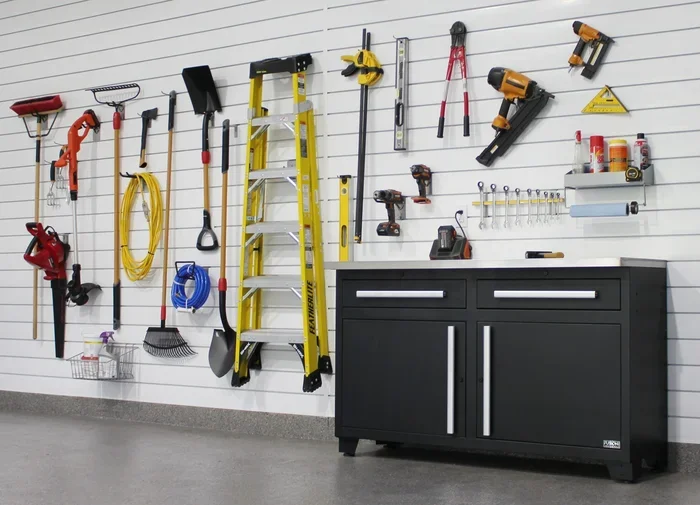
Good storage makes a huge difference in how functional your workspace feels. Tool chests, wall-mounted pegboards, and cabinet systems all have their place. Choose based on the size and type of tools you keep.
Wall-mounted storage keeps tools visible and easy to grab. Cabinets hide clutter and protect delicate tools. Rolling tool chests offer portability for job sites. Pick the system that fits your space and work style best.
Create a Simple Tool Inventory
A basic inventory prevents you from buying duplicates and keeps you organized. Write down each tool you own, its condition, and where it is stored. A simple spreadsheet works great for this.
Update the inventory whenever you add or remove a tool. Over time, this becomes a valuable reference that saves you time and money. You will always know exactly what you have at a glance.
Set Up Zones in Your Workspace
Organize your remaining tools by category and frequency of use. Keep everyday tools in the most accessible spots. Store seasonal or rarely used tools on higher shelves or in back-of-closet areas.
This zone-based approach means you spend less time searching and more time working. It also makes cleanup faster because every tool has a designated home. A few minutes of effort here pays off every single time you use the space.
Prevent Tool Clutter from Returning
Clearing clutter feels great, but keeping it clear requires ongoing effort. A few simple habits will help you maintain an organized, clutter-free workspace for the long term.
Follow the One-In-One-Out Rule
Every time you bring a new tool into your collection, remove one you no longer need. This simple rule keeps your tool count in balance. It prevents gradual accumulation and forces you to think carefully before adding anything new.
The one-in-one-out rule works for all types of clutter, not just tools. Apply it to your garage, workshop, and any other storage area. Over months and years, it makes a remarkable difference.
Schedule Regular Tool Audits
Set a reminder every six months to review your tool collection. Go through each item and reassess whether you still need it. Tools that sat unused for another six months are candidates for removal.
Regular audits keep clutter from sneaking back in. They also remind you of tools you forgot you owned. You might find something useful hiding in the back of a shelf that you can put to good use right away.
Be Mindful When Buying New Tools
Before purchasing any new tool, ask yourself if you truly need it. Consider whether you already own something that can do the job. Borrowing or renting specialty tools is often a smarter choice than buying them outright.
This mindset shift prevents future clutter before it starts. You will find that your workspace stays cleaner and your wallet stays fuller when you buy with intention.
Benefits of Clearing Out Unwanted Tools
Beyond the obvious benefit of more space, removing unwanted tools brings a range of unexpected advantages. Let us look at why this effort is so worthwhile.
Reduced stress: Cluttered spaces contribute to anxiety and overwhelm. A clean workspace promotes calm and focus. You will feel lighter and more motivated when your environment is tidy.
Better efficiency: When every tool has a place and every item serves a purpose, you work faster. You spend less time searching and more time creating or fixing things.
Financial benefits: Selling unused tools puts money back in your pocket. Donating tools may provide tax benefits. Either way, you turn dormant assets into real value.
Environmental impact: Recycling and donating tools reduces waste. It keeps usable items out of landfills and extends the life cycle of materials. Every tool you responsibly dispose of makes a small but meaningful difference.
Common Mistakes to Avoid When Getting Rid of Tools
Avoid these common pitfalls that trip up most people during the decluttering process.
- Throwing away tools with sentimental value without considering alternatives: Take photos of sentimental tools before letting them go. This preserves the memory without wasting physical space.
- Selling broken tools at full price: Be honest about condition. Overpriced broken tools sit unsold and waste your time.
- Donating tools that are truly unusable: Organizations cannot use tools that do not work. Recycle these instead of burdening donation centers.
- Keeping tools just because they were expensive: The purchase price is a sunk cost. Focus on future value, not past spending.
- Skipping the preparation step: Dirty, disorganized tools sell for less and donate less readily. A little effort goes a long way.
Final Thoughts on Clearing Out Your Tool Collection
Getting rid of unwanted tools is more than just a cleaning project. It is an investment in your space, your peace of mind, and your productivity. The steps in this guide give you a clear roadmap from start to finish. You know what to keep, what to let go of, and how to handle each item responsibly.
Start today. Pick one corner of your workspace and begin sorting. The momentum you build will carry you through the entire process. You will be amazed at how much lighter and more organized your space feels once the clutter is gone.
Remember, the goal is not to own fewer tools. The goal is to own the right tools. A focused, intentional collection serves you better than a crowded garage full of forgotten items. Take control of your space and enjoy the freedom that comes with it.
Frequently Asked Questions
What should I do with old power tools I no longer use?
You have several great options. Sell them online if they still work. Donate them to organizations like Habitat for Humanity ReStores. Recycle them at a local scrap yard if they are broken. The key is to keep them out of landfills whenever possible.
How do I know if a tool is worth selling?
Check the brand reputation, current market demand, and overall condition. Popular brands and well-maintained tools hold their value best. Search online for similar listings to get a sense of fair pricing.
Can I donate broken tools?
Most donation centers prefer working tools. However, some recycling programs accept broken tools for metal recovery. Check with your local recycling facility to find the best option for non-functioning items.
How often should I declutter my tool collection?
A good rule is to do a full audit every six months. Set a calendar reminder and stick with it. Regular reviews prevent slow accumulation and keep your space consistently organized.
Is it worth the effort to sell old tools?
Absolutely. Even old tools can fetch surprising prices, especially if they are from well-known brands. Beyond the money, selling tools frees up physical space and reduces the mental burden of clutter.
What is the easiest way to start decluttering my garage tools?
Start by pulling everything out and making three piles: keep, sell or donate, and recycle. This visual approach makes decisions faster and clearer. Begin with the easiest decisions first to build momentum.
=== CONCLUSION ===
Getting rid of unwanted tools and clearing your space is one of the most rewarding projects you can tackle. You now have a complete plan from assessment to disposal to long-term organization. Follow the steps in this guide and you will transform a cluttered, stressful workspace into a clean, functional area you will actually enjoy using.
Start small if you need to. Even removing just a few items creates momentum and motivation. The satisfaction of seeing your tools organized and your space open is worth every minute of effort. Your future self will thank you for making the choice today.